How to Hang a Bird Feeder from Your House: Safe Placement, Installation, and Maintenance Tips
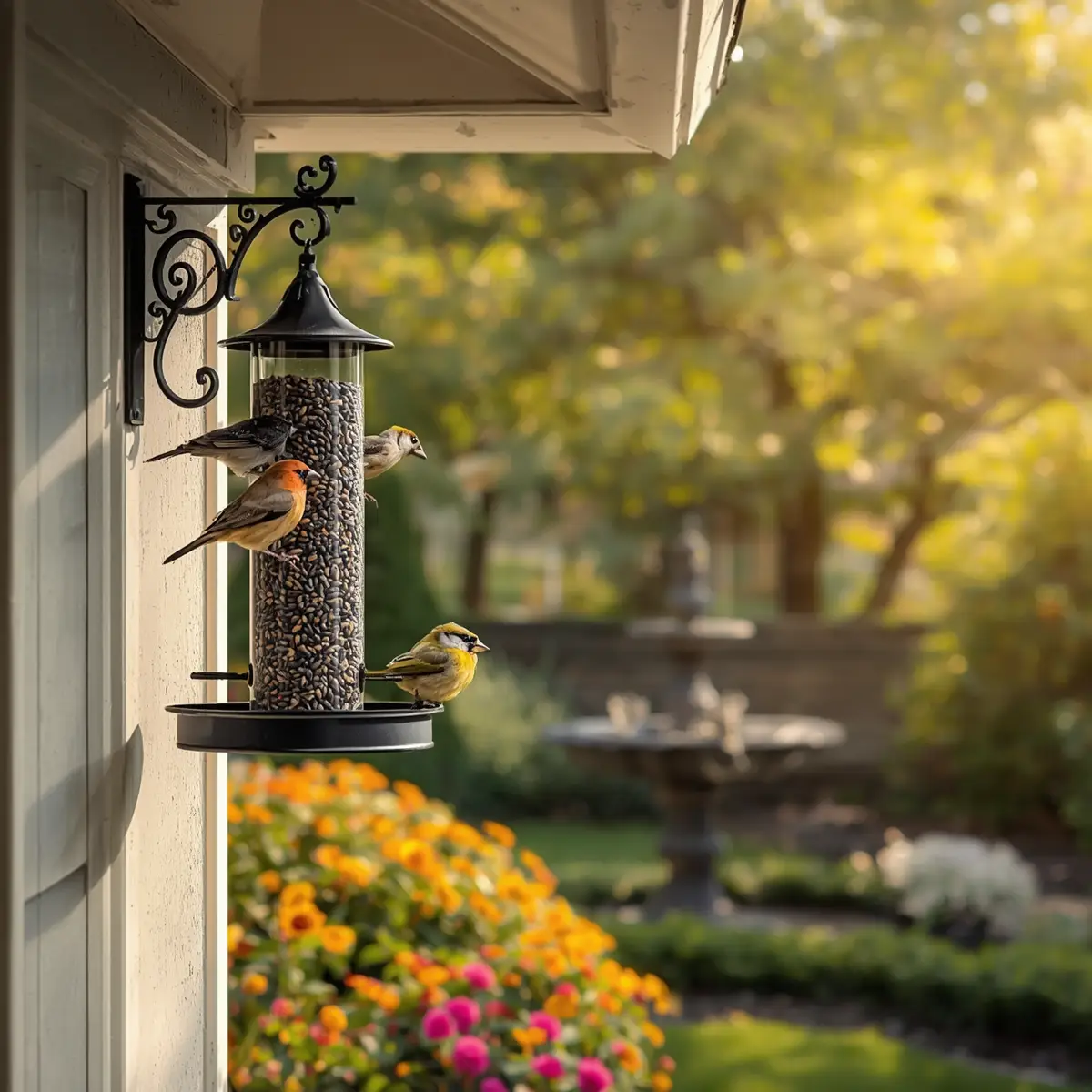
Are you ready to invite more birds to your yard and enjoy their cheerful visits every day? How to Hang Bird Feeder from House is easier than you think, and it’s one of the best ways to do just that.
Learning how to hang bird feeder from house can enhance your backyard ecosystem.
But where exactly should you hang it? How can you make sure it stays safe and attracts the right birds? This guide will show you simple steps to hang your bird feeder perfectly, so you can watch nature’s little visitors up close.
Understanding how to hang bird feeder from house allows you to create a welcoming space for wildlife.
Keep reading, and you’ll soon have a lively bird haven right outside your window.
Choosing The Right Spot
To master how to hang bird feeder from house, consider local birds’ behavior.
Finding the best place to hang a bird feeder is important. The right spot keeps birds safe and makes feeding easy to watch.
Knowing how to hang bird feeder from house will help attract different bird species.
Consider several factors like safety, visibility, and risks around the area. This helps birds enjoy the feeder without trouble.
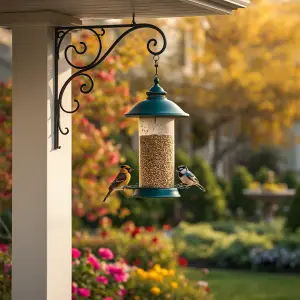
Consider Bird Safety
Choose a location away from windows to prevent bird collisions. Place the feeder near shrubs or trees for quick shelter.
Evaluating how to hang bird feeder from house safely is crucial for bird welfare.
- Keep feeders 3 feet away from windows or use window decals
- Place feeders near bushes or trees for birds to hide
- Avoid areas with heavy foot or pet traffic
Find Visibility And Accessibility
Pick a spot you can easily see and reach for refilling. The feeder should be in a bright area, but not under direct harsh sun.
When learning how to hang bird feeder from house, ensure it is easy to refill.
| Factor | Ideal Condition |
| Visibility | Clear view from windows or porch |
| Accessibility | Easy to reach for refilling and cleaning |
| Shade | Partial shade during the day |
| Height | At least 5 feet above ground |
Avoid Predators And Hazards
Keep feeders away from spots where cats and squirrels can attack. Avoid places near busy roads or areas with strong wind.
Understanding how to hang bird feeder from house includes assessing nearby hazards.
To protect birds, check these safety tips:
- Place feeders at least 10 feet from trees where predators can hide
- Use baffles or guards to stop squirrels climbing
- Avoid hanging feeders near roads or playgrounds
- Keep the ground below clean to reduce attracting predators

Credit: completeeq.com
Selecting The Bird Feeder
Choosing the right bird feeder helps attract more birds to your yard. It also ensures the feeder lasts a long time and fits your space.
Think about the type, material, and size before you hang a feeder from your house.
Choosing the right feeder is part of learning how to hang bird feeder from house effectively.
Types Of Feeders
Bird feeders come in many styles. Each type suits different birds and food.
- Tube feeders hold seeds and attract small birds.
- Hopper feeders store more seed and are good for large groups.
- Platform feeders offer an open space for many bird types.
- Suet feeders attract woodpeckers and insect-eaters.
- Nectar feeders are made for hummingbirds and orioles.
Material And Durability
Materials affect how long a feeder lasts and how easy it is to clean.
Different materials affect how to hang bird feeder from house and its longevity.
| Material | Durability | Cleaning Ease |
|---|---|---|
| Plastic | Less durable | Easy |
| Metal | Very durable | Moderate |
| Wood | Moderate, may weather | Harder |
| Glass | Fragile | Easy |
Size And Capacity
Choose a feeder size that fits the number of birds you want to feed.
When considering size, you should think about how to hang bird feeder from house and its capacity.
- Small feeders hold less food and suit a few birds.
- Medium feeders hold enough for regular visitors.
- Large feeders reduce refills but need more space.
Tools And Materials Needed
Hanging a bird feeder from your house needs the right tools and materials. These help you install the feeder safely and securely.
Below are the main items you will need. Each plays an important role in the installation process.
Mounting Hardware
You need sturdy hardware to hold the feeder in place. Choose materials that resist weather and support weight.
- Hook or bracket made of metal or heavy-duty plastic
- Screws or nails for secure attachment
- Wall anchors if mounting on drywall or siding
- Chain or wire to hang the feeder
- Eye bolts or screw eyes for attaching hanging wire
Measuring Tools
Accurate measuring helps place the feeder at the right height and distance. Use simple tools to get correct measurements.
| Tool | Purpose |
| Tape Measure | Measure height from ground and distance from walls |
| Level | Ensure the mounting bracket is straight |
| Marker or Pencil | Mark spots for screws or nails |
Protective Gear
Protect yourself while installing. Use simple safety gear to avoid injuries or accidents.
- Work gloves to protect your hands
- Safety goggles to shield your eyes from dust or debris
- Sturdy shoes to keep your feet safe
- Helmet if working on a ladder or elevated surface
Preparing The Hanging Area
Hanging a bird feeder from your house requires careful preparation. This helps keep the feeder safe and easy for birds to use.
Preparation is key to knowing how to hang bird feeder from house correctly.
Start by choosing the right spot and clearing the area. Proper placement also protects your house and the birds.
Checking Wall Or Eaves
Look at the wall or eaves where you want to hang the feeder. Check for strong surfaces that can hold the feeder’s weight.
Make sure the area is dry and not damaged. Avoid spots that get very wet or have loose paint or wood.
Clearing Obstacles
Clearance is important when you learn how to hang bird feeder from house.
Remove any objects near the hanging area that may block the birds. This gives them clear access to the feeder.
- Cut back tree branches that are too close
- Move garden tools or decorations away
- Clear spider webs and nests
- Check for wires or cords that could cause harm
Measuring Height And Distance
Measure how high and far from the wall the feeder will hang. This helps birds reach it safely and keeps it stable.
| Measurement | Recommended Range |
| Height from ground | 5 to 6 feet (1.5 to 1.8 meters) |
| Distance from wall | 12 to 18 inches (30 to 45 cm) |
| Clearance from windows | 3 feet (90 cm) minimum |
Step-by-step Hanging Guide
Hanging a bird feeder from your house can attract birds and brighten your yard. This guide helps you install it safely and securely. Follow these easy steps to enjoy birdwatching from home.
Follow steps on how to hang bird feeder from house for best results.
Use the right tools and choose a good spot. Then attach the feeder to make sure it stays in place. Let’s start with marking the spot.
Marking The Spot
Pick a location that is easy to reach and visible from your window. Avoid placing it too close to windows to prevent bird collisions. Look for a sturdy surface under the eaves or on a beam.
- Choose a spot with some shade to keep seed fresh.
- Make sure it is away from strong winds.
- Pick a height safe from pets and predators.
- Check the area for easy access to refill the feeder.
Installing Hooks Or Brackets
Use hooks or brackets designed for outdoor use. These hold the feeder firmly. You may need a drill, screwdriver, and screws. Use anchors if you install into siding or drywall.
- Drill a pilot hole where you marked the spot.
- Insert an anchor if needed for better support.
- Screw in the hook or attach the bracket tightly.
- Test the hook by pulling gently to ensure it holds well.
Securing The Feeder
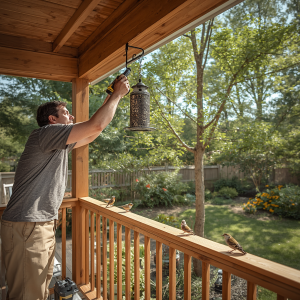
After installing the hook or bracket, hang the feeder carefully. Check that it hangs straight and is stable. Use extra ties or clips if your feeder swings too much.
Securely hanging a feeder is part of understanding how to hang bird feeder from house.
| Tip | Reason |
|---|---|
| Use a swivel hook | Allows feeder to turn with wind, reducing damage |
| Attach baffle below feeder | Keeps squirrels from climbing up |
| Check feeder daily | Prevents seed spoilage and keeps birds safe |
Maintaining Your Bird Feeder
Keeping your bird feeder clean and full helps birds stay healthy. Regular care also keeps your feeder in good shape.
Regular cleaning is part of maintaining how to hang bird feeder from house.
Simple maintenance makes your bird feeder a safe and welcoming spot for birds all year.
Regular Cleaning
Clean your bird feeder every two weeks to stop mold and bacteria. Use warm water and mild soap for cleaning.
Rinse the feeder well to remove all soap before refilling it with seed. Dry it completely to avoid moisture buildup.
- Remove old seeds and debris
- Use a brush to clean corners
- Disinfect with a vinegar solution if needed
- Let the feeder dry fully before use
Refilling Tips
Refill your feeder regularly to keep food fresh and birds returning. Avoid overfilling to reduce waste and pests.
Check seed quality before refilling. Toss out any seeds that look moldy or clumped together.
- Fill feeder about three-quarters full
- Store extra seed in a cool, dry place
- Use seed blends suited for local birds
- Refill more often in cold weather
Seasonal Adjustments
Adjusting your techniques is essential when learning how to hang bird feeder from house with changing seasons.
Change your feeder care with the seasons. Birds need different foods and protection during hot or cold months.
Move the feeder to a shaded spot in summer and a sheltered area in winter to protect birds and seed.
- Summer: Clean often to prevent mold
- Fall: Offer high-energy seeds for migration
- Winter: Use feeders with weather protection
- Spring: Increase cleaning to stop disease spread
Attracting More Birds
Hanging a bird feeder near your house brings birds closer. It helps you enjoy their beauty every day.
Creating a friendly environment supports your goal of how to hang bird feeder from house.
To attract many birds, you need to prepare the right food and environment. This guide shows easy ways to do that.
Choosing The Right Seeds
Birds prefer different seeds depending on their species. Pick seeds that suit local birds.
Black oil sunflower seeds work for many birds. They have thin shells and high oil content.
- Black oil sunflower seeds attract finches, cardinals, and chickadees
- Nyjer seeds are great for small finches like goldfinches
- Millet is popular with sparrows and doves
- Cracked corn feeds larger birds like jays and pigeons
Adding Water Sources
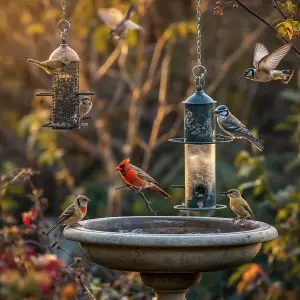
Birds need water for drinking and bathing. Adding water near your feeder draws more birds.
Use a shallow birdbath or small dish. Change the water every few days to keep it fresh.
- Place water in a quiet spot near the feeder
- Keep water clean to prevent diseases
- Use heated birdbaths in winter to prevent freezing
Creating A Bird-friendly Environment
Birds feel safe when they find shelter nearby. Plant shrubs and trees close to your feeder.
Avoid using chemicals in your yard. Provide natural places for birds to hide and rest.
- Plant native bushes for cover and food
- Leave dead trees for nesting sites
- Keep cats indoors to protect birds
Frequently Asked Questions
How Do I Hang A Bird Feeder Safely From My House?
Use a sturdy hook or bracket securely fastened to your house. Ensure it can hold the feeder’s weight and withstand wind. Choose a location away from predators and heavy foot traffic for bird safety.
What Is The Best Height To Hang A Bird Feeder?
Hang the bird feeder 5 to 6 feet above the ground. This height keeps birds safe from most predators. It also allows easy viewing and refilling of the feeder.
Can I Hang A Bird Feeder Near A Window?
Yes, but place it at least 3 feet away from windows. This prevents birds from flying into the glass. Use decals or stickers on windows to reduce collision risk.
What Materials Work Best For Hanging Bird Feeders?
Use weather-resistant materials like metal or coated hooks. Avoid weak or rust-prone materials. Strong, durable hangers ensure the feeder stays secure in all weather conditions.
Conclusion
Hanging a bird feeder from your house is simple and rewarding. Learning how to hang bird feeder from house enhances your garden.
Enjoy watching various birds visit your feeder. Understanding how to hang bird feeder from house creates a lively sanctuary in your garden.