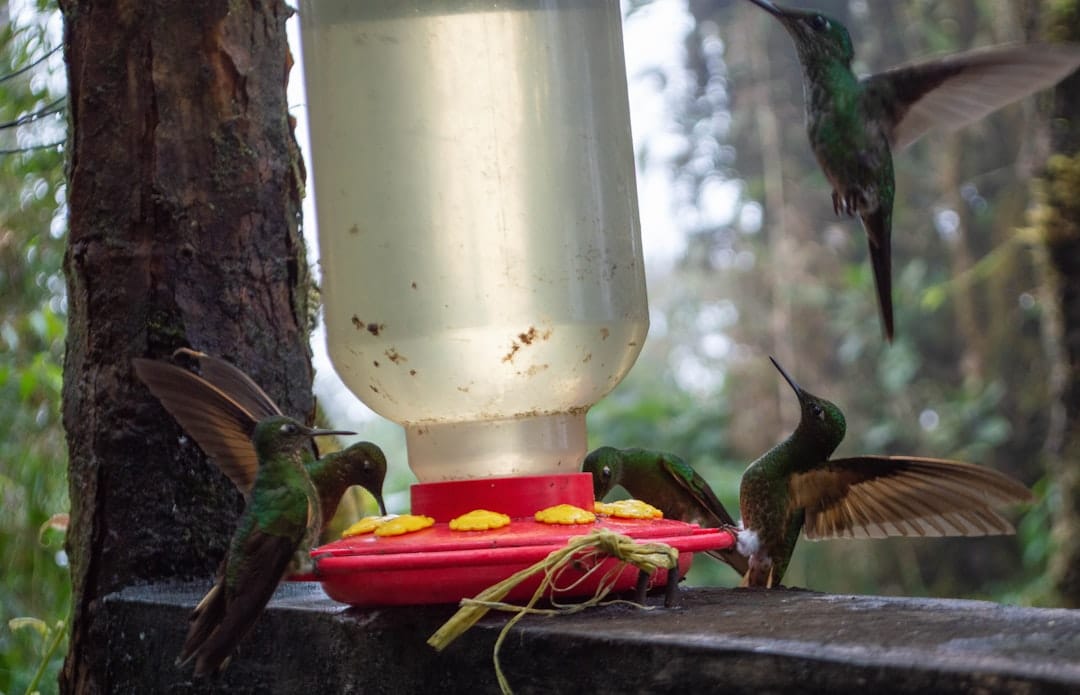
If you love watching birds visit your feeder, you know how frustrating it is when predators scare them away. You want to enjoy the beauty and calm that birds bring, but keeping them safe can be a real challenge.
What if you could protect your feeder and make it a safe spot for your feathered friends? You’ll discover simple and effective ways to make your bird feeder predator proof. Keep reading, and you’ll learn how to create a safe haven that keeps predators out and your birds happy.
Choosing Safe Feeder Designs
Making a bird feeder safe from predators helps protect visiting birds. Picking the right design is important to keep animals like squirrels and cats away.
Good feeder designs stop predators from reaching birds or their food. This guide covers materials and shapes that improve safety.
Materials That Deter Predators
Some materials make it harder for predators to climb or damage the feeder. Strong, smooth surfaces can stop animals from getting a grip.
Metal and hard plastics are good choices. They resist chewing and scratching better than wood. Avoid feeders with rough surfaces.
- Use metal poles and cages around the feeder
- Choose smooth plastic or metal feeders
- Steer clear of wooden feeders with rough edges
- Consider feeders with slippery coatings
Shapes And Styles That Enhance Safety
Feeder shape can block predators from landing or reaching birds. Designs that limit access points keep birds safe.
Look for feeders with built-in baffles or cages. Some have dome shapes or narrow perches that stop predators from climbing or hanging.
- Feeders with round baffles stop climbing animals
- Narrow perches reduce space for predators
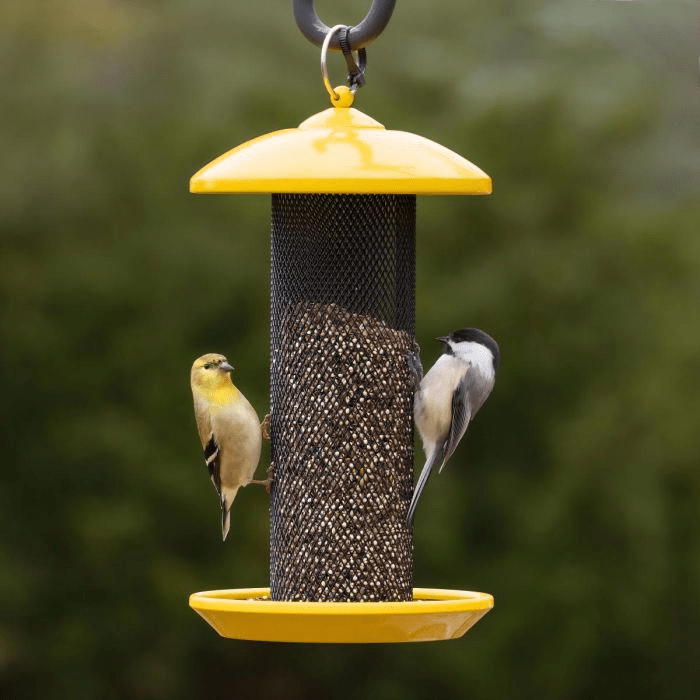
- Caged feeders protect food inside a metal cage
- Dome-shaped tops prevent animals from sitting above
Strategic Feeder Placement
Placing your bird feeder carefully helps protect birds from predators. Good placement lowers the chance of attacks.
Learn where to put your feeder to keep birds safe and comfortable.
Ideal Locations To Reduce Risk
Choose spots away from easy access points for predators like cats or raccoons. Open spaces near bushes or trees offer birds good visibility.
- Place feeders at least 10 feet from trees or fences
- Keep feeders 5 feet above the ground
- Use poles with baffles to stop climbing predators
- Pick open areas so birds can spot danger quickly
Avoiding Predator Hiding Spots
Predators hide near places they can pounce from. Avoid locations near dense shrubs or tall grass close to feeders.
| Potential Hiding Spot | Why to Avoid |
| Thick bushes | Predators can hide and jump out |
| High grass | Blocks bird's view of predators |
| Fence corners | Good spots for cats to wait |
| Under decks | Protects predators and limits bird escape |
Using Protective Accessories
Protecting your bird feeder from predators keeps birds safe and feeding peacefully.
Using special accessories can block or scare away animals like squirrels and cats.
Installing Baffles And Guards
Baffles and guards stop predators from climbing or jumping onto your feeder.
- Baffles are dome or cone-shaped barriers placed above or below feeders.
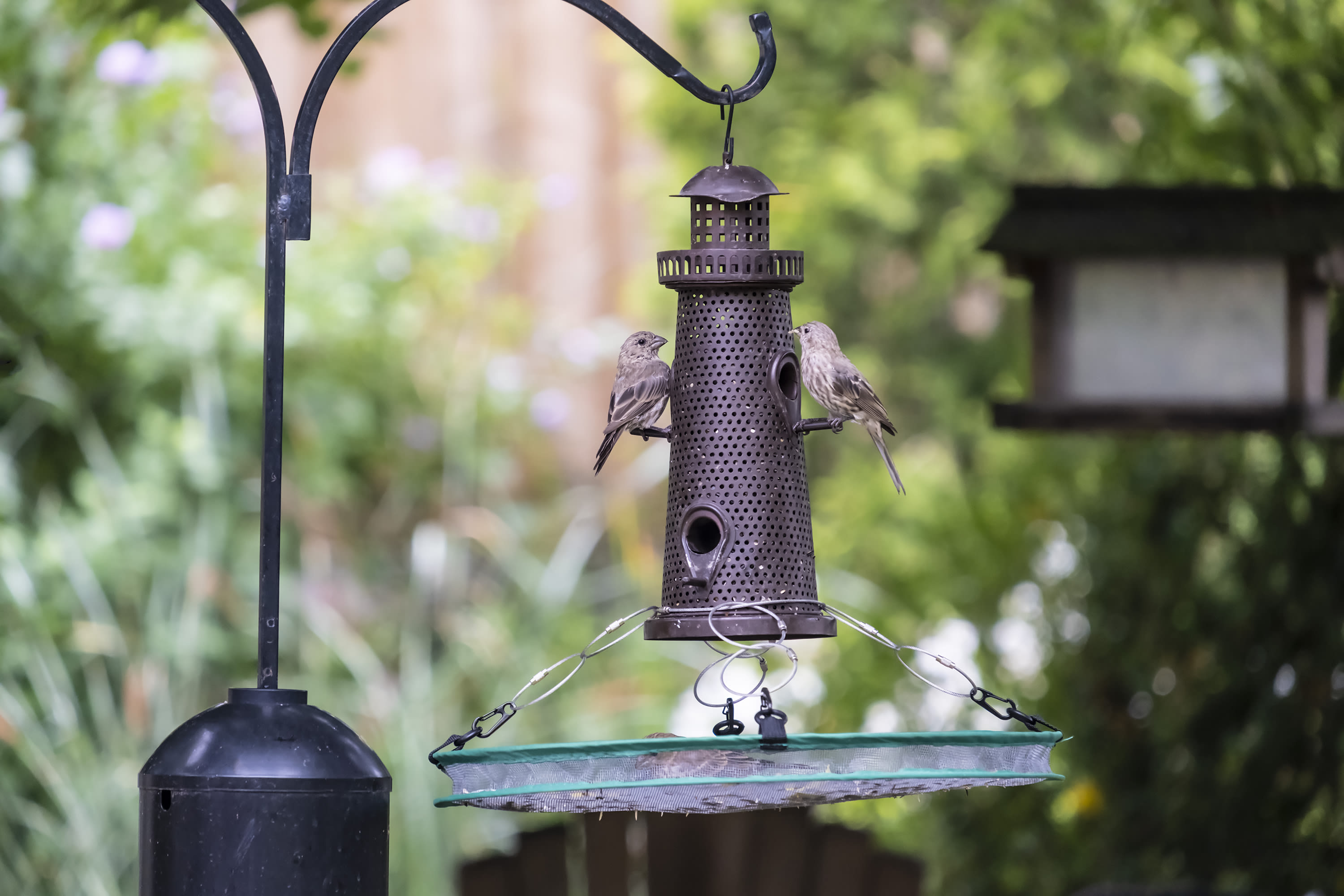
- Guards are cages or mesh that surround the feeder.
- Metal or smooth plastic materials work best to prevent climbing.
- Install these accessories on poles or hanging feeders for full protection.
Employing Spinning Devices And Covers
Spinning devices and covers confuse or block predators from reaching the food.
| Accessory | Function | Best Use |
|---|---|---|
| Spinning Cage | Rotates when touched, dropping off squirrels | Mounted around feeder poles |
| Protective Cover | Blocks access from above or sides | Placed over hanging feeders |
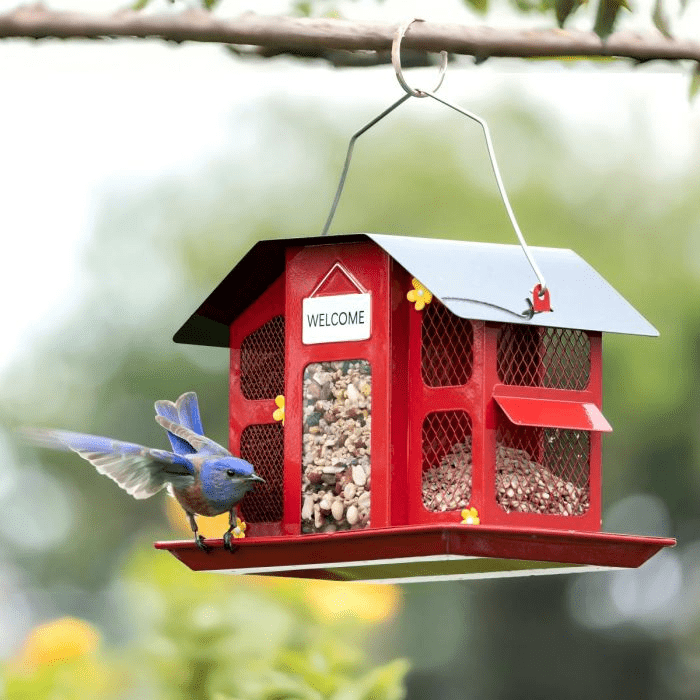
| Weight-Activated Perch | Closes seed ports under heavy weight | Small bird feeders |
Credit: www.kingsyard.com
Maintaining A Secure Feeding Area
Keeping your bird feeder safe from predators is important for feeding birds. A secure feeding area helps birds eat without danger.
This guide focuses on two key ways to protect your bird feeder: clearing vegetation nearby and cleaning the feeder regularly.
Clearing Surrounding Vegetation
Remove bushes and tall plants near the feeder. This gives birds a clear view and less cover for predators.
- Trim branches within 6 feet of the feeder
- Clear dense shrubs or vines around the area
- Keep grass short to reduce hiding spots
- Place feeders away from trees that predators can climb
Regular Cleaning To Prevent Attracting Predators
Clean your bird feeder often. Leftover seeds and droppings can attract unwanted animals.
| Cleaning Task | Frequency | Reason |
| Remove old seeds | Weekly | Prevents mold and pests |
| Wash feeder with soap and water | Every two weeks | Kills bacteria and viruses |
| Check and fix damage | Monthly | Stops predators from entering |
Behavioral Tips To Protect Birds
Keeping birds safe at your feeder is important. Predators can threaten birds while they eat. You can use simple behavior changes to help protect them.
These tips focus on feeding times and encouraging birds to be alert. Small actions can reduce danger and keep birds coming back.
Feeding Schedules That Minimize Danger
Feed birds during times when predators are less active. Early morning and late afternoon are usually safer. Avoid feeding at dusk or night.
- Offer food in short periods to prevent long visits.
- Keep feeding times consistent to help birds learn safe habits.
- Remove feeders at night to stop attracting nocturnal predators.
- Clean feeders regularly to avoid disease and keep birds healthy.
Encouraging Vigilance Among Birds
Help birds stay alert while they feed. Clear sight lines around feeders let birds see danger early. Avoid placing feeders near dense bushes or places predators hide.
| Tip | How It Helps |
|---|---|
| Open space around feeder | Birds spot predators early |
| Place feeders near cover | Birds can quickly escape |
| Use multiple feeders | Reduces crowding and stress |
| Watch feeder behavior | Notice signs of fear or stress |
Credit: dengarden.com
Credit: www.kingsyard.com
Frequently Asked Questions
How Can I Keep Predators Away From My Bird Feeder?
Use baffles, place feeders away from trees, and hang them high. These steps prevent climbing predators and limit access to birds.
What Materials Are Best For Predator-proof Bird Feeders?
Metal and sturdy plastic are best. They resist damage and prevent predators like squirrels from chewing through.
Where Should I Place My Bird Feeder For Safety?
Place feeders 10 feet from trees or structures. This distance stops predators from jumping onto the feeder.
How Do Baffles Protect Bird Feeders From Predators?
Baffles are barriers placed above or below feeders. They block predators from climbing or flying to the feeder.
Conclusion
Making your bird feeder predator proof is crucial. Protects the birds. Ensures their safety. Use proper materials and techniques. Keep predators away with smart positioning. Install baffles and guards. Secure the feeding area. Maintain a clean environment. Regularly check for damage.
Simple steps make a big difference. Enjoy watching birds safely. Create a safe haven for them. Your efforts support wildlife. Encourage bird visits. Bring nature closer to home. Happy birdwatching!