Have you ever wished you could mimic bird sounds anytime, anywhere, without using your hands? Imagine surprising your friends or calming your mind with natural bird calls, all made effortlessly by you.
Learning how to make bird noise without hands is easier than you think, and it opens up a fun new way to connect with nature. Keep reading, and you’ll discover simple techniques that anyone can master quickly. Ready to impress and enjoy the soothing sounds of birds on your own terms?
Let’s dive in!
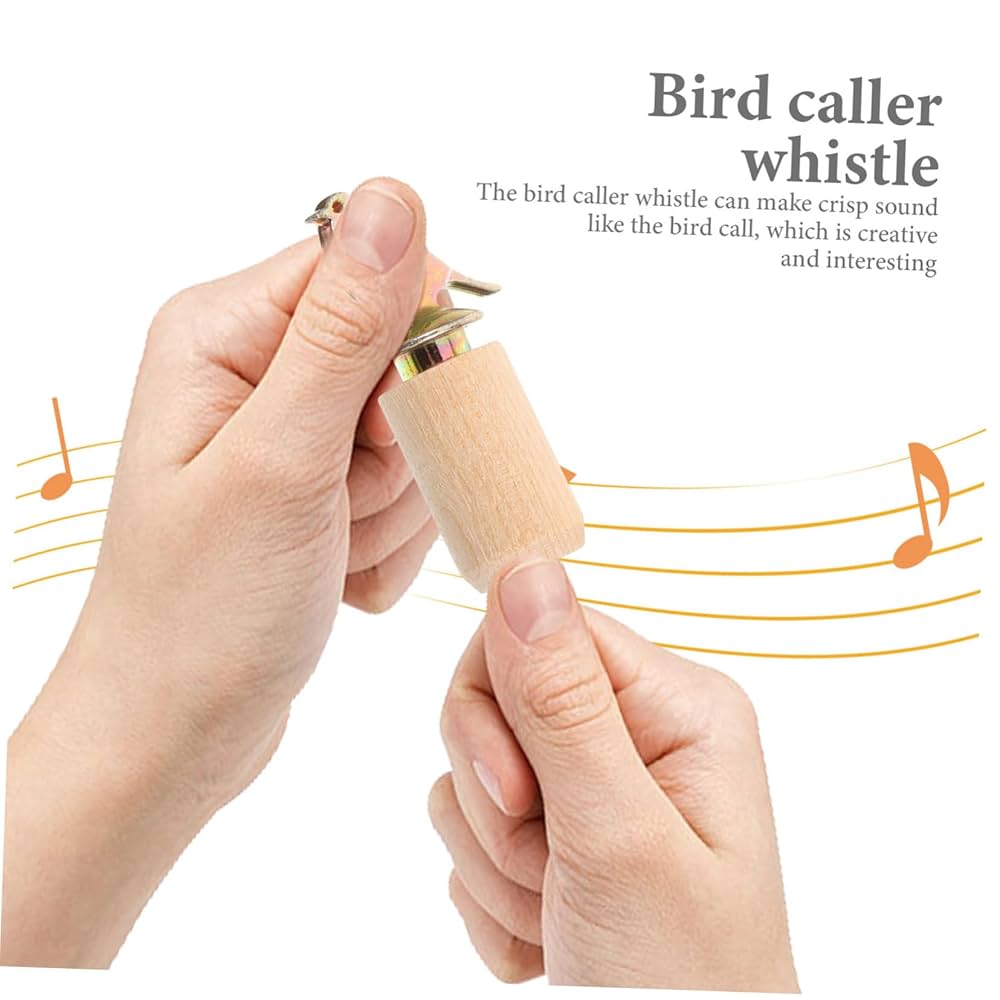
Credit: www.amazon.ca
Basics Of Bird Sounds
Bird sounds are how birds communicate with each other. They use calls and songs for many reasons.
Learning to make bird noises without hands can help you connect with nature. It also improves your listening skills.
Common Bird Calls
Bird calls are short sounds used to send simple messages. They warn about danger or find other birds.
Bird songs are longer and more complex. They help birds attract mates and mark their territory.
- Chirps: quick and sharp sounds to alert or greet
- Trills: rapid notes used in songs
- Whistles: clear tones often used to communicate over distance
- Clicks: short, sharp sounds for close communication
Why Mimic Bird Sounds
Mimicking bird sounds helps you observe birds more closely. Birds may come closer if they hear familiar sounds.
It also helps you learn about different bird species. Making bird noises can be a fun way to enjoy the outdoors.
- Bioacousticians advise on effective calls: “When attempting to draw birds closer, focus on imitating their simple ‘contact calls,’ such as quiet chirps or simple tsit notes. These short, non-aggressive vocalizations are used by flock members to stay in touch, and they elicit curiosity rather than alarm. Avoid imitating loud, complex territorial songs or predator alarm calls, as these will only scare birds away or provoke an aggressive, stressful response.”
Mouth Techniques
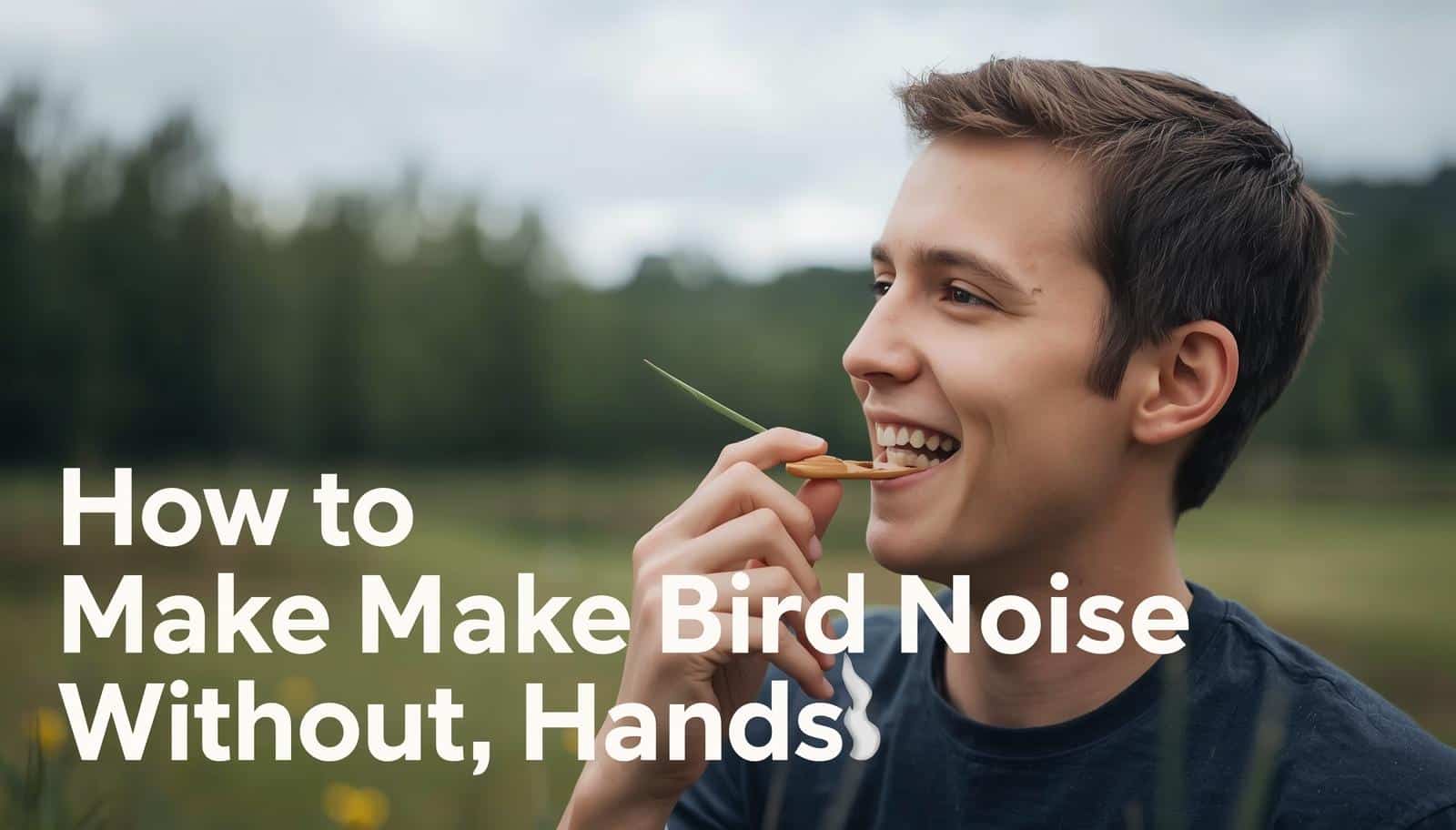
Making bird noises without using your hands is fun and useful. You can do this by using your mouth in different ways.
These techniques use your lips, tongue, and breath to copy bird sounds. Practice will help you sound more like birds.
Whistling With Lips
Whistling with your lips is a simple way to make bird calls. Pucker your lips like you want to kiss and blow air out softly.
Change the shape of your lips and how hard you blow to make different sounds. Tight lips make high sounds, loose lips make low sounds.
- Start by puckering your lips small
- Blow air gently through the lips
- Adjust lip tightness for pitch changes
- Practice different speeds of air flow
Using Tongue Movements
Your tongue can shape sounds like birds do. Move your tongue forward and backward while blowing air to change tones.
Try touching the roof of your mouth or curling your tongue. These actions create sharp or soft bird-like noises.
- Place tongue near front teeth for sharp clicks
- Touch roof of mouth to add different tones
- Curl tongue to create rolling sounds
- Combine tongue moves with blowing air
Creating Trill Sounds
Trills are quick, repeated sounds birds often make. Use your tongue or lips to create a rapid fluttering noise.
Try rolling your tongue quickly or fluttering your lips by blowing air fast. This makes a bird-like trill sound.
- Roll your tongue quickly against your upper mouth
- Flutter lips by blowing air in short bursts
- Practice speed to get a clear trill
- Mix trills with other sounds for variety
Breath Control Tips
Making bird noises without hands needs good breath control. You must learn to use your airflow well. This helps you create clear and sharp sounds.
Practicing breath control takes time. Focus on how you breathe and adjust it to get the sounds right. Here are some tips to guide you.
Managing Airflow
Controlling your airflow is the key to making bird sounds. You need to push air steadily and softly through your lips or tongue.
- Breathe deeply from your diaphragm, not your chest.
- Keep your throat relaxed to avoid tight sounds.
- Use small bursts of air for quick chirps.
- Practice slow, steady airflow for longer whistles.
- Adjust your mouth shape to change the sound pitch.
Practicing Breath Patterns
Using different breath patterns helps create various bird noises. Practice each pattern slowly and clearly.
| Breath Pattern | Description | Effect on Sound |
| Short bursts | Quick, small breaths | Sharp chirps and tweets |
| Steady flow | Continuous airflow | Long whistles and trills |
| Pulse breathing | Alternating strong and weak breaths | Rhythmic bird calls |
| Interrupted flow | Pauses between breaths | Complex calls and songs |
Vocal Cord Tricks
Making bird noises without using your hands is fun and surprising. You can use your vocal cords to create these sounds.
By changing how you use your voice, you can copy bird calls. This guide shows simple tricks to try.
- Voice experts explain the high pitch: “To achieve the clear, flute-like quality of many bird whistles, humans should focus on using the thin edge of their vocal folds, a technique often called ‘head voice’ or falsetto. This dramatically thins the vibrating mass of the vocal cords, producing the high-frequency sounds necessary for accurate mimicry, much like blowing across a very small, taut reed.”
Pitch Variation
Pitch variation means changing how high or low your voice sounds. Birds often change pitch quickly in their calls.
To mimic this, practice moving your voice up and down smoothly. Start with a low sound and slide to a higher one.
- Begin by humming a low note
- Slowly raise the pitch while humming
- Try sudden jumps between high and low notes
- Repeat to get smooth pitch changes
Using Falsetto
Falsetto is a high voice made by stretching the vocal cords. It sounds light and airy, like some bird calls.
To use falsetto, take a deep breath and gently push air while making a high, soft sound. This can sound like a bird chirp.
- Relax your throat to avoid strain
- Start with a normal voice then shift to falsetto
- Practice short, quick falsetto sounds
- Combine falsetto with pitch changes for variety
Practice Exercises
Making bird noises without using your hands can be fun and useful. It takes practice to get the sounds right. These exercises will help you train your mouth and breathing.
Try to practice every day. This will improve your control and help you make clearer bird sounds.
Daily Warm-ups
Start with simple warm-up exercises to prepare your mouth and lungs. These warm-ups loosen your lips and improve airflow.
- Hum softly for one minute to relax your lips.
- Practice blowing air gently through your lips to create a whistle.
- Try to mimic short chirps by making quick, sharp sounds with your mouth.
- Repeat these sounds slowly, then gradually increase speed.
- Take deep breaths and control your exhale to sustain the sounds longer.
Recording And Playback
Recording your bird noises helps you hear your progress. Playback lets you spot areas to improve. Use a phone or any recording device.
| Recording Tips | Playback Tips |
| Find a quiet place to record. | Listen carefully to each sound. |
| Keep the device at mouth level. | Note which sounds need clearer tone. |
| Record several attempts for comparison. | Practice again focusing on weak points. |
| Use good quality recording settings. | Track your improvement over days. |
Common Mistakes To Avoid
Making bird noises without hands is fun and useful for nature lovers. Many beginners make errors that hurt their voice or slow their progress. Avoiding these mistakes helps you keep making sounds safely and clearly.
Two common problems are overusing your voice and not practicing regularly. Both can stop you from improving and cause frustration. Read on to learn how to avoid these issues.
- Conservation biologists issue a warning: “The most important rule for vocal mimicry is to avoid using imitated calls—especially owl or hawk calls—during the bird’s breeding season or near active nests. Repeatedly playing or mimicking predator calls can cause parental birds extreme, chronic stress, forcing them to abandon their nest or chicks in a futile effort to find safety, directly jeopardizing local reproductive success.”
Overexerting Voice
Pushing your voice too hard can cause strain and damage. Bird noises often need high or unusual pitches. Trying too loud or too long hurts your vocal cords. This can lead to pain or loss of voice.
- Start softly and increase volume slowly
- Take breaks every few minutes
- Stop if you feel pain or hoarseness
- Use proper breathing techniques
- Practice shorter sessions first
Ignoring Consistency
Bird noises require regular practice. Many stop practicing after a few tries. This slows progress and makes sounds less clear. Consistency builds muscle memory and voice control.
| Consistent Practice | Irregular Practice |
|---|---|
| Improves sound accuracy | Delays skill improvement |
| Strengthens vocal muscles | Causes weak or shaky sounds |
| Builds confidence | Leads to frustration |
| Creates habit and routine | Results in forgetting techniques |
Enhancing Realism
Making bird noises without hands can sound real with practice. Adding details helps your sounds feel like actual birds.
Focus on small changes to improve the natural feel. Use your voice and mouth to create different bird sounds.
Combining Sounds
Mixing different bird calls makes your sound richer and more natural. Try adding chirps, whistles, and trills together.
Blend high and low tones to mimic real bird conversations. Use your lips, tongue, and throat for variety.
- Start with a short chirp
- Add a soft whistle after
- Finish with a quick trill
Timing And Rhythm
Bird sounds follow patterns with pauses and beats. Copy their timing to make your noise believable.
Pause between calls like birds do in nature. Keep your rhythm steady but change it slightly for realism.
- Short sounds followed by quiet pauses
- Vary speed to mimic different birds
- Repeat patterns but add small changes

Credit: www.youtube.com
Credit: www.etsy.com
Frequently Asked Questions
How Can I Make Bird Noises Without Using Hands?
You can create bird sounds by whistling with your lips or using your tongue. Try shaping your mouth and controlling airflow to mimic chirps.
What Are Easy Bird Sounds To Imitate Vocally?
Simple chirps and trills are easiest to imitate vocally. Practice short, sharp whistles and light tongue clicks to sound like common birds.
Can I Use Objects To Make Bird Noises Hands-free?
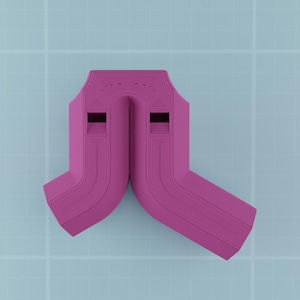
Yes, objects like small whistles or reed instruments can produce bird sounds without hands. Use mouth-controlled tools for hands-free bird calls.
Why Learn To Make Bird Noises Without Hands?
It allows you to attract birds during hikes or photography. Also, it’s useful for nature education and outdoor entertainment without needing props.
Conclusion
Learning to make bird noises is a fun skill. It adds a unique touch to your vocal abilities. Practice regularly to improve your sound. Try different pitches and tones. Listen to real birds for inspiration. You will notice improvement over time.
Friends and family will be impressed. It’s a great way to connect with nature. Enjoy the sounds you create. Keep experimenting with new techniques. Remember, practice makes perfect. Happy chirping!