How to Make Bird Noises With Mouth: Easy Step‑by‑Step
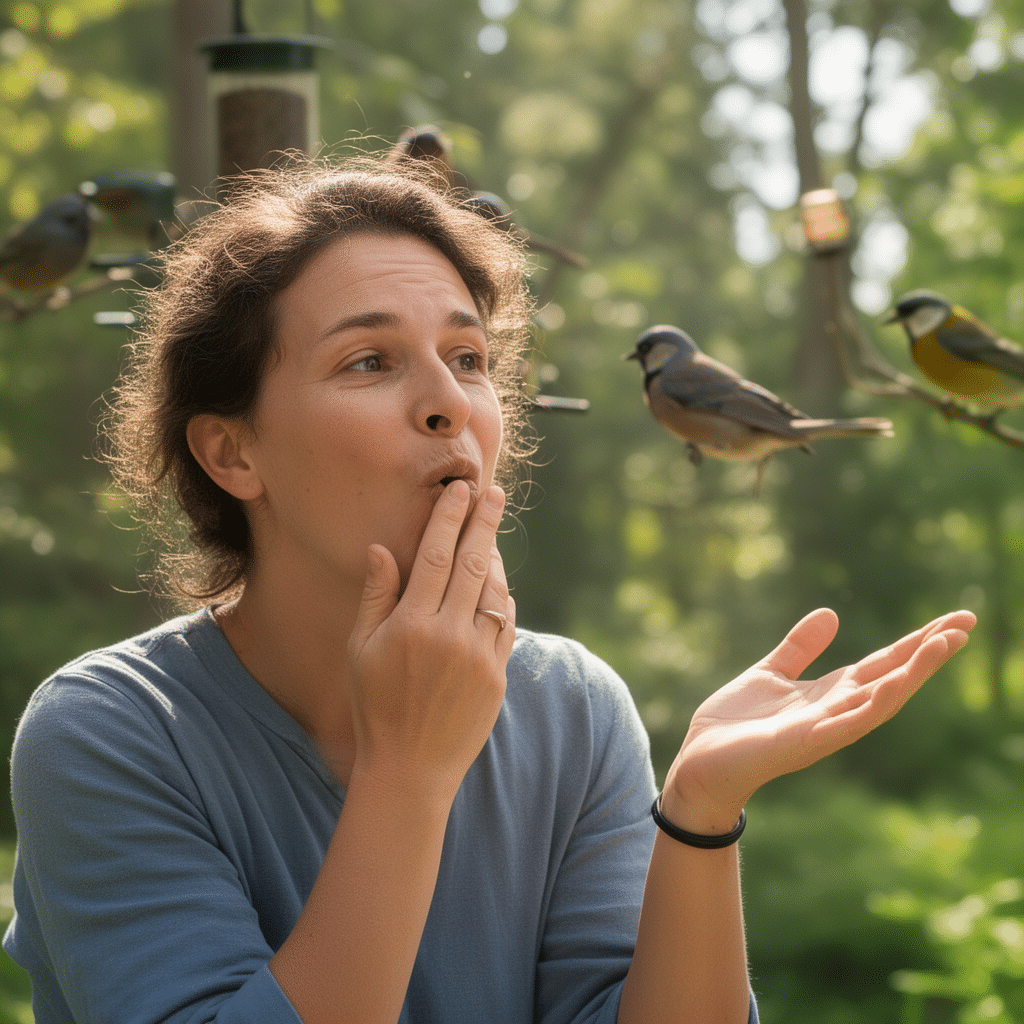
Have you ever wanted to amaze your friends by perfectly mimicking bird sounds using just your mouth? Imagine catching the attention of everyone around you with simple, natural How to Make Bird Noises With Mouth techniques that sound surprisingly real.
Whether you’re into birdwatching, storytelling, or just want a fun new skill, learning how to make bird noises with your mouth can be easier than you think. You’ll discover simple techniques that anyone can master, step by step. Ready to unlock your hidden talent and bring nature’s melodies to life?
Keep reading to find out how.

Credit: www.youtube.com
Basic Techniques
Making bird noises with your mouth is a fun skill. It takes practice and simple techniques.
You will learn how to use your lips, breath, and tongue to create sounds like birds. Some people start by learning bird sounds with mouth first.
Lip Positioning
Your lips shape the sound you make. Try to keep them relaxed but firm.
Start by pursing your lips like you are about to whistle. This helps create clear bird sounds.
- Keep lips slightly rounded
- Adjust tightness to change pitch
- Experiment with small lip movements
“Most realistic bird calls are created through sibilant whistling. Unlike a standard musical whistle, bird mimics often use the ‘tongue-to-palate’ technique. By arching the middle of your tongue against your hard palate and leaving only a tiny slit for air, you create a high-velocity air stream that perfectly replicates the piercing, high-frequency notes of songbirds.”
Breath Control
Breath controls the length and volume of your bird noise. Use soft, steady air flow.
Try blowing air gently through your lips. Avoid strong bursts to keep the sound natural.
- Inhale deeply before making sounds
- Exhale slowly for smooth tones
- Practice short and long breaths
“Professional bird mimics don’t just ‘blow’ air; they use diaphragmatic support. By controlling the air from your core, you can maintain a steady ‘note’ even while your mouth is moving rapidly to create trills. For percussive sounds like a Woodpecker or a Coot, use ‘cheek pressure’ (compressing air in the mouth) rather than lung pressure for sharper, cleaner clicks.”
Tongue Movements
Your tongue changes the pitch and rhythm of bird calls. Use it to block or release air quickly.
Move your tongue up and down or tap it lightly behind your teeth to mimic bird chirps. This is a key step in learning to mimic bird calls.
- Tap tongue for quick chirps
- Hold tongue to create whistles
- Change tongue position for different sounds
Common Bird Sounds
Birds use different sounds to communicate. These sounds help them find mates, warn of danger, and mark their territory.
You can imitate many bird sounds using your mouth. It is fun and helps you connect with nature.
Chirping
Chirping is a short, sharp sound. Birds chirp to say hello or to alert others nearby.
- Make a quick “chip” sound with your tongue against the roof of your mouth.
- Keep the tone high and clear.
- Repeat the sound in short bursts.
Whistling
Whistling sounds are smooth and clear. Birds use whistling to attract mates or to signal safety.
Try this simple method:
- Shape your lips like you are about to kiss.
- Blow air gently through the small opening.
- Adjust your lips to change the pitch of the whistle.
This is part of bird call imitation practice for beginners.
Trilling
Trilling is a fast, repeating sound. Birds trill to show excitement or to mark their spot.
| Step | How to Make the Sound |
| 1 | Place your tongue near the roof of your mouth. |
| 2 | Rapidly flutter your tongue while blowing air out. |
| 3 | Keep the sound quick and steady. |
Advanced Sound Effects
Making bird noises with your mouth can be fun and challenging. Advanced sound effects help you make realistic bird sounds. This guide covers techniques for better bird calls.
Use different methods to create unique sounds. Practice will improve your control and accuracy. Listen closely to bird sounds before trying these techniques.
Mimicking Bird Calls
To mimic bird calls, focus on the pitch and rhythm. Birds often have quick, sharp notes or long, smooth whistles. Try to copy these patterns using your lips and tongue.
- Use your tongue to shape different sounds
- Vary the speed of your notes
- Practice high-pitched whistles with pursed lips
- Listen and repeat bird songs you hear outside
Combining Sounds
Combining sounds makes your bird noises more complex. Mix whistles, clicks, and trills to mimic real bird calls. This adds depth and realism to your sounds.
| Sound Type | How to Make It |
| Whistle | Shape lips and blow air softly |
| Click | Use tongue to tap the roof of your mouth |
| Trill | Flutter your tongue quickly while blowing |
| Chirp | Short, sharp bursts of air with lips |
Using Vibrations
Vibrations add a natural feel to bird sounds. You can create vibrations by controlling your vocal cords or fluttering your lips. This technique makes calls sound alive.
Try these vibration exercises:
- Hum softly while fluttering your lips
- Use your throat to add a buzzing sound
- Combine humming with tongue taps
- Practice keeping steady breath for smooth vibrations
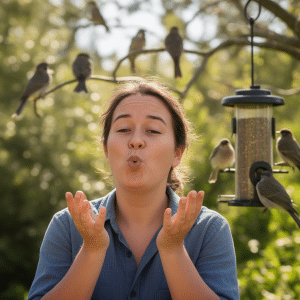
Credit: www.youtube.com
Practice Tips
Making bird noises with your mouth takes time and patience. Practicing the right way helps improve your sounds faster.
Use different methods to train your ears and mouth. Focus on listening, recording, and regular practice.
Listening To Real Birds
Listening carefully to real birds helps you copy their sounds better. Try to notice the pitch, rhythm, and tone of their calls.
- Find quiet places with many birds
- Use binoculars to watch birds closely
- Focus on one bird sound at a time
- Repeat the sounds in your mind
Recording And Playback
Record bird sounds and play them back to practice. This helps you hear details you might miss.
Try this recording practice routine:
| Task | Purpose |
|---|---|
| Record bird calls outside | Capture natural sounds |
| Listen to recording carefully | Identify pitch and rhythm |
| Practice making the sounds | Match your voice to the recording |
| Record your own sounds | Compare and improve |
Consistent Practice Routine
Practice regularly to build your skill. Short sessions every day work better than long, rare ones.
- Set a time each day for practice
- Warm up your mouth and lips
- Practice different bird sounds
- Record and review your progress
- Adjust your technique as needed
Applications
Making bird noises with your mouth can be fun and useful. It helps in many activities.
Below are some common ways people use bird sounds made by mouth.
Entertainment
Bird noises add fun to parties and outdoor activities. People enjoy copying bird calls in games and performances.
- Use bird sounds in storytelling to make stories lively.
- Play bird call imitation games with friends.
- Include bird noises in music or theater acts.
Birdwatching
Birdwatchers use mouth-made bird calls to attract birds. This helps to observe birds closely.
| Purpose | How Bird Noises Help |
| Attract Birds | Call birds closer for better viewing |
| Identify Species | Match calls to known bird sounds |
| Signal Others | Communicate bird presence silently |
Teaching And Education
Teachers use bird calls to help students learn about nature. It makes lessons more interesting and clear.
- Demonstrate different bird sounds in class.
- Help children recognize bird calls by ear.
- Use bird noises to teach about animal communication.

Credit: www.amazon.co.uk
Frequently Asked Questions
How Can I Make Realistic Bird Noises With My Mouth?
To make realistic bird noises, practice mimicking pitch and rhythm. Use lips, tongue, and breath control to imitate bird calls precisely. Listening carefully to bird sounds helps improve accuracy. Regular practice enhances your skill in producing natural bird noises.
What Techniques Help In Producing Bird Sounds Orally?
Key techniques include lip fluttering, tongue clicking, and controlled breathing. These methods replicate chirps, whistles, and trills effectively. Combining these sounds creates varied bird calls. Experiment with different mouth shapes to match specific bird noises.
Which Birds’ Calls Are Easiest To Mimic By Mouth?
Simple bird calls like sparrows, robins, and doves are easiest. Their sounds are repetitive and have clear tones. Start with these to build confidence. Gradually, you can attempt complex calls like owls or woodpeckers.
Can Mouth Bird Noises Be Used For Birdwatching?
Yes, bird noises made by mouth can attract birds for observation. They help in luring birds closer naturally. This technique is useful for birdwatchers and photographers. Always use calls responsibly to avoid disturbing wildlife.
Why You Can Trust This Guide
This guide combines principles of human phonetics and avian bioacoustics. By understanding the mechanical similarities between the human vocal tract and the avian syrinx, we provide techniques used by professional wildlife educators and field researchers to interact safely and effectively with nature.
Conclusion
Creating bird noises with your mouth is simple and fun. Practice makes it easier. Start slow and improve over time. Listen to real birds for inspiration. Experiment with different sounds. Use your tongue and lips creatively. Enjoy surprising your friends with your new skill.
Share your bird calls at gatherings. It brings joy to everyone. Keep practicing daily for better results. Each attempt boosts your confidence. Soon, you’ll sound like a pro. Have fun exploring these unique sounds. Embrace the art of bird calling.
It’s an enjoyable hobby for all ages. Keep chirping!