How to Make Bird Noises with Your Hands for Outdoor Fun
Have you ever wanted to surprise your friends by making realistic bird sounds using only your hands? It’s simpler than it sounds. With the right technique and a little practice, you can create sharp chirps, soft whistles, and playful bird calls—no tools required.
Learning how to make bird noises with your hands can be an impressive party trick, showcasing your skills to friends and family while having fun.
Picture yourself at a park, campfire, or outdoor hangout, instantly grabbing attention with lifelike bird noises made entirely by hand. In this guide, you’ll learn easy, step-by-step methods to master bird sounds using just your hands and breath. Get ready to impress, have fun, and connect with nature in a truly unique way.
By mastering how to make bird noises with your hands, you can become the life of the party, adding your unique sounds to social gatherings.

Credit: www.youtube.com
Basic Hand Positions
Perfecting how to make bird noises with your hands includes practicing various techniques to create different pitches and tones.
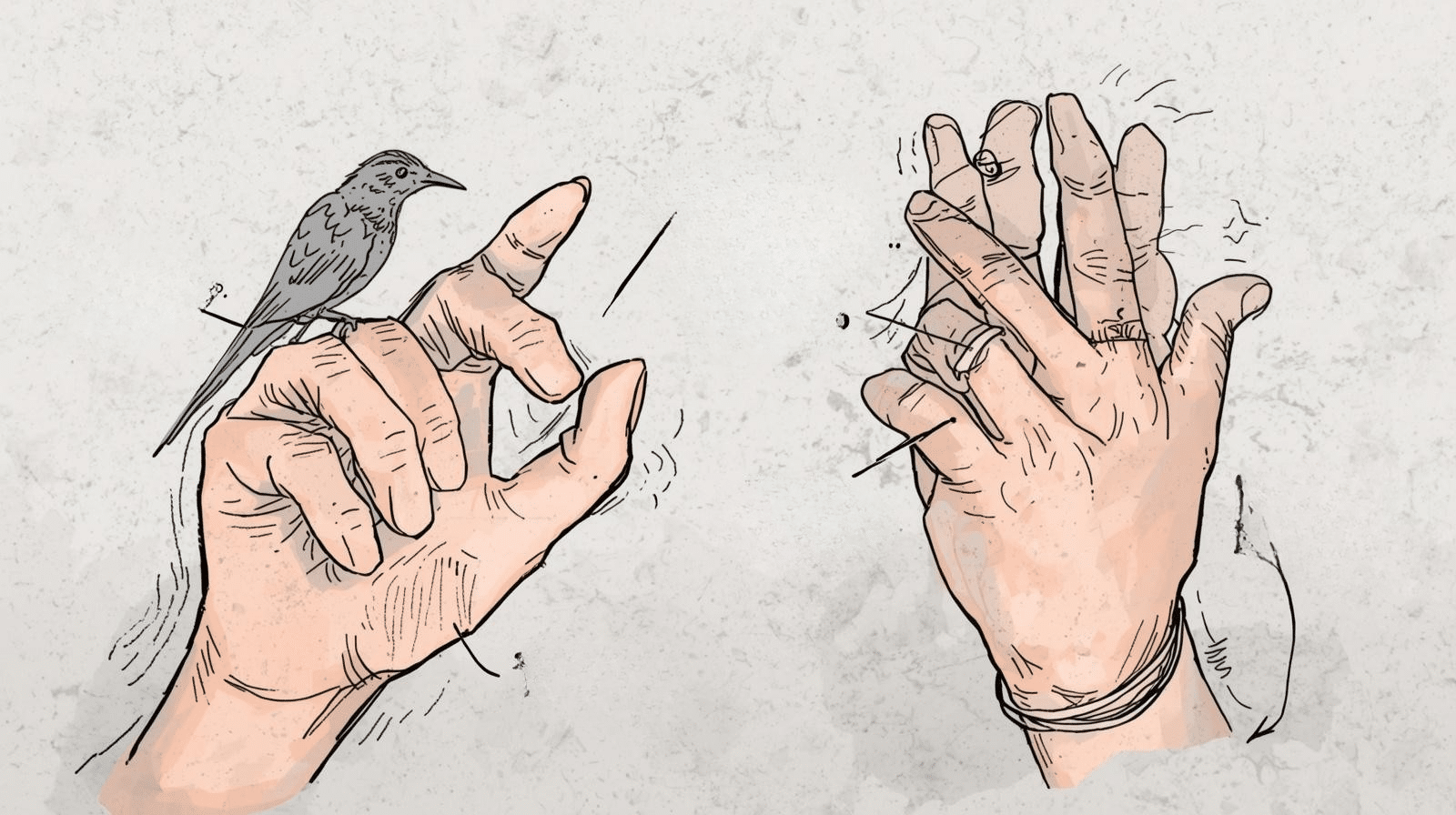
Making bird noises with your hands starts with the right hand shapes. Your hands create the sounds by forming pockets of air. These pockets help you control the noise better.
This guide explains the basic hand positions you need. Focus on how to form the hand cup and position your fingers correctly.
Focusing on how to make bird noises with your hands requires patience and persistence to achieve the best results.
Forming The Hand Cup
To form the hand cup, bring your hands together to create a small hollow space. This space will act as a chamber for sound to build up.
- Place one hand with the palm facing up.
- Bring the other hand on top, palm facing down.
- Curve your fingers slightly to make a hollow area.
- Keep the thumbs close to seal the front part of the cup.
- Make sure the cup is tight enough to hold air but not too tight.
Positioning Your Fingers
Your fingers control the pitch and clarity of the bird noise. Position them so air can pass through a small gap.
| Finger | Position | Purpose |
| Thumbs | Pressed together, forming the front seal | Blocks air escape to create pressure |
| Index Fingers | Curved slightly, touching or close | Helps shape the air gap for sound |
| Middle Fingers | Resting lightly on the hands | Supports cup shape without blocking air |
| Ring and Pinky Fingers | Relaxed and slightly curved | Stabilize the hand cup |
Creating Different Bird Sounds
Making bird noises with your hands is a fun skill anyone can learn. It helps you imitate birds and enjoy nature sounds.
There are many types of bird sounds you can create. This guide explains how to make high-pitched chirps, whistling calls, and trilling sounds.
High-pitched Chirps
Once you learn how to make bird noises with your hands, you can easily surprise friends and family with your vocal talents.
High-pitched chirps are short and sharp sounds. You can make them by pressing your thumbs and blowing air through a small gap.
Adjust the tightness of your thumbs and the speed of your breath to change the pitch and tone of the chirp.
- Place both thumbs side by side with a small space between
- Blow air quickly through the gap
- Change thumb pressure to vary pitch
Whistling Calls
Understanding how to make bird noises with your hands will open up opportunities for new and exciting interactions with nature.
Whistling calls sound clear and soft. Use your fingers to shape a small opening while blowing air gently.
Try different finger positions to make different whistle tones. Practice controlling your breath for smooth sounds.
- Make a small circle with your thumb and index finger
- Place your lips over the opening
- Blow softly and adjust finger shape to change sound
Trilling And Warbling
Trilling and warbling sounds are quick, rolling bird noises. Create them by blowing air through your fingers while moving your tongue.
Use a fast breath and tongue flick to add a flutter effect. This gives the sound a lively, busy feel.
- Place your index and middle finger together with a small gap
- Blow air while flicking your tongue quickly
- Experiment with speed to change trill effect
Adjusting Pitch And Volume
Learning how to make bird noises with your hands can enhance your appreciation of nature during hikes and outdoor activities.
Making bird noises with your hands is fun and can sound very real. You can change the pitch and volume to match different bird calls.
Pitch means how high or low the sound is. Volume means how loud or soft it sounds. Both can change by how you use your hands and mouth.
Changing Hand Tension
Tightening or loosening your hands changes the sound pitch. When your hands are tighter, the sound is higher.
Looser hands create a lower, softer sound. Try different pressures to find the best bird sound.
- Tight hands = higher pitch
- Loose hands = lower pitch
- Firm grip = louder volume
- Gentle grip = softer volume
Modifying Mouth Shape
Your mouth shape changes how sound comes out. A smaller opening makes a sharper, higher sound.
A wider mouth opening gives a fuller, lower sound. Move your lips and tongue to adjust the volume and tone.
- Small mouth opening = higher pitch
- Large mouth opening = lower pitch
- Firm lips = louder sound
- Relaxed lips = softer sound

Credit: www.youtube.com
Practice Tips For Clear Sounds
As you practice how to make bird noises with your hands, you’ll notice improvements in your breath control and sound clarity.
Making bird noises with your hands takes patience and practice. Clear sounds come from good breath control and hand placement.
Try to stay relaxed while practicing. Tension can make your sounds weak or unclear.
Breath Control Techniques
Good breath control helps you make steady and clear bird sounds. Take deep breaths and use your diaphragm to push air out.
Practice breathing slowly and steadily. This helps keep your sound smooth and even.
- Inhale deeply through your nose
- Use your belly to push air out, not your chest
- Control the air flow with small mouth movements
- Practice blowing air softly at first, then increase pressure
Common Mistakes To Avoid
Many beginners make the same mistakes when trying to make bird noises. Avoid these to get better sounds.
Don’t press your hands too hard or too loose. Both can block or weaken the sound. Also, avoid shallow breaths.
- Do not hold your breath; breathe steadily
- Avoid tight or stiff hands that block airflow
- Don’t blow too hard; it causes harsh sounds
- Do not rush the sounds; slow practice works best
Using Bird Noises Creatively
Using how to make bird noises with your hands can also be an enjoyable way to engage with children during playtime.
Bird noises made with your hands can add fun and excitement to many activities. These sounds mimic real birds and bring life to your surroundings.
Learning how to use bird noises creatively helps you enjoy nature and storytelling more. It also encourages imagination and play.
In Outdoor Activities
Using hand bird noises outside can make hikes and picnics more interesting. You can attract birds or communicate with friends during your trip.
- Call birds to get a closer look while hiking.
- Signal your group without shouting in the forest.
- Create fun challenges by imitating bird sounds.
- Practice listening skills by matching real bird calls.
For Storytelling And Play
Bird noises add a special effect to stories and games. They help set the scene and make characters more lively.
| Story Element | How Bird Noises Help |
| Setting | Create a forest or garden atmosphere |
| Characters | Make bird characters more real |
| Action | Use calls to show events, like a bird flying away |

Credit: www.reddit.com
Frequently Asked Questions
Many people wonder how to make bird noises with your hands effectively, and practice is key to mastering this skill.
How Can I Make Bird Sounds With My Hands?
To make bird sounds, shape your hands into a cup, create a small opening between thumbs, and blow gently. Adjust finger positioning and airflow to mimic different bird calls accurately.
Which Hand Shapes Produce The Best Bird Noises?
The classic cupped hands with thumbs pressed together create the clearest bird whistles. Experiment with finger placement to find sounds resembling various birds, such as robins or sparrows.
Is It Hard To Learn Hand Bird Noises?
Learning bird noises takes practice and patience. Start slow, focus on airflow control, and mimic bird sounds you hear. Consistent practice helps improve accuracy and variety.
Can Children Easily Learn To Make Bird Noises?
Yes, children can learn bird noises with simple hand shapes and practice. It’s a fun, engaging activity that boosts their listening and coordination skills.
Conclusion
Remember, when learning how to make bird noises with your hands, each attempt gets you closer to perfection.
Creating bird noises with your hands is both fun and simple. Practice makes it easier. Start with basic techniques and gradually improve. Soon, you’ll impress friends with your unique skills. Enjoy making different bird sounds, and feel connected with nature.
Practicing how to make bird noises with your hands can lead to wonderful moments of joy and laughter with others.
Remember, patience is key. Keep experimenting with hand positions and movements. Each attempt brings you closer to perfecting your bird calls. With time, you’ll see progress and gain confidence. Share your new talent with others and spread joy. Embrace this delightful way to entertain and relax.
With dedication to how to make bird noises with your hands, you’ll be able to express creativity and have fun.
Enjoy the journey of learning and discovery.
Ultimately, mastering how to make bird noises with your hands is a rewarding journey that enhances your connection to nature.