Ready to welcome more birds to your garden? Offering Nesting Materials for Birds helps them build cozy homes. It is simple and rewarding. Do you know what to offer and when? You want to see colorful feathers in your yard. You want to hear baby bird songs. Read this guide to find the right items. Support your feathered friends all season long. Your garden and heart will thank you.
Choosing The Right Materials
Safe items help birds build secure homes. Choosing the right items is key. This guide covers natural and synthetic options. We discuss safety and what to avoid. Good materials support bird health and comfort. Offer a variety of the best nesting materials for backyard birds to help. You can provide many choices for different species.
Natural Vs Synthetic Options
Natural items come from plants and animals. Synthetic ones are man-made fibers or plastics. Birds usually prefer natural items for building nests.
Natural items: dry grass, leaves, moss, feathers, wool.
Synthetic items: yarn, cotton balls, string, polyester fibers.
Natural choices are safe for the environment.
Synthetic fibers can cause harm if birds eat them.
Safe And Non-toxic Choices
Pick items free from chemicals and dyes. Avoid sharp edges. Do not use items that trap or injure birds.
| Safe Materials | Why Safe |
| Dry grass and leaves | Soft, natural, easy to find |
| Feathers | Warm and lightweight |
| Wool (untreated) | Insulates well, natural fiber |
| Cotton string (undyed) | Soft and easy to use |
Materials To Avoid
Some items harm birds or their nests. Avoid these items to keep birds safe.
Plastic bags and strips.
Metal wires or foil.
Colored or dyed fabrics.
Sticky tape or glue.
Human hair or pet fur with chemicals.

Credit: www.askprofessorbird.com
Where To Place Nesting Materials
Placing items in the right spots helps birds. You need to know where to place nesting materials for birds safely. Think about where birds feel safe. Choose spots that protect them from weather and dangers.
Ideal Locations In Your Yard
Place items near trees or shrubs. Birds like natural cover for safety. Choose quiet areas away from loud noises. This helps birds feel calm.
Near dense bushes or branches.
Close to bird feeders or water.
Shady spots protect from sun.
Away from busy paths.
How To Offer Materials Safely
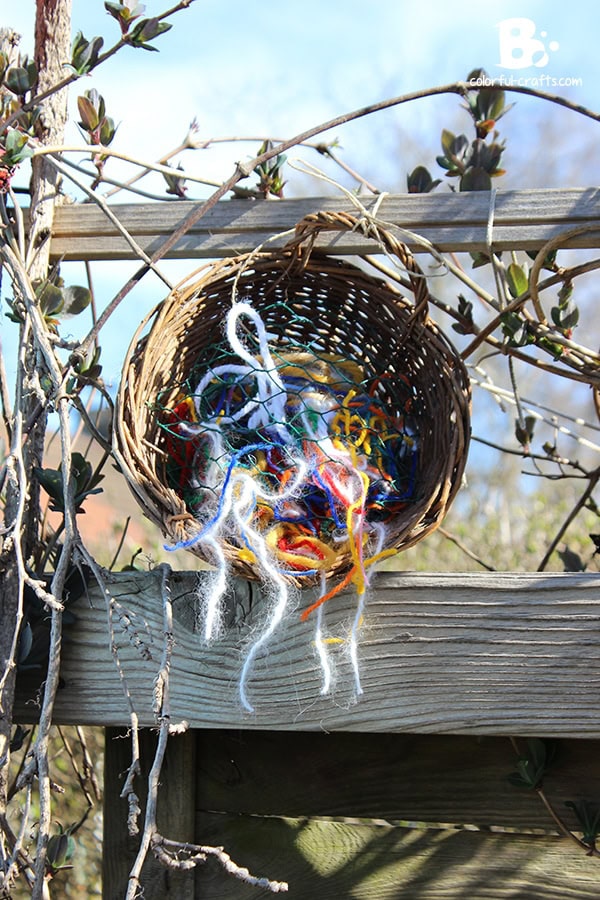
Use clean and natural items like dried grass. Avoid plastics or chemicals. Put items in open containers. Hang small bundles where birds reach them. Keep them dry to prevent mold.
Use mesh bags or baskets.
Refill items regularly but gently.
Keep items off the ground.
Check for pests before offering.
Avoiding Predators And Hazards
Keep items away from cats or predators. Safety is key for nesting birds. Avoid placing items near windows. Birds may fly into them and get hurt. Offer safe nesting materials for birds in secure spots.
Place items high enough.
Use baffles near poles.
Avoid busy roads or sidewalks.
Remove sharp objects or chemicals.
Timing For Offering Materials
Giving items at the right time helps birds. Giving items too early or late may not help. Use correct timing to support breeding success.
Seasonal Considerations
Birds need items in spring and early summer. They build nests and raise young then. Giving items in winter is less useful. Birds do not build nests in cold months. Stop providing items in late fall.
According to The Cornell Lab of Ornithology, birds begin scouting nest sites as early as February.
Spring: Most active nest building.
Early summer: Birds raise chicks.
Late summer: Materials not needed.
Winter: No nest building.
Recognizing Bird Breeding Periods
Different species breed at different times. Watch local birds to know when they start. Signs include birds gathering items. You can offer items just before this time.
Look for birds carrying twigs.
Notice activity near trees.
Check local bird guides.
Offer items early.

Credit: www.amazon.ca
Types Of Nesting Materials Birds Prefer
Birds build nests to protect eggs. Different birds like different items. Providing items helps them build strong nests. Learn about three common types of items. Each type offers unique benefits. Using natural bird nesting materials supports local wildlife.
Soft Fibers And Plant Matter
Soft fibers create a cozy base. They keep baby birds warm and safe. Common items include grass, moss, and leaves.
Dry grass or hay.
Moss or lichen.
Straw or dried leaves.
Soft bark strips.
Feathers And Animal Hair
Feathers and hair add softness. Birds collect feathers shed by others. Animal hair can come from pets.
| Material | Source |
| Bird Feathers | Molted feathers found outdoors |
| Cat or Dog Hair | Collected from pet brushes |
| Wild Animal Fur | Found near dens or trails |
Twigs And Small Sticks
Twigs form the nest frame. They provide strength and shape. Birds look for thin, flexible twigs. These are easy to weave.
Willow twigs.
Maple sticks.
Thin pine branches.
Bamboo pieces.
Encouraging Birds To Use Provided Materials
Help birds build safe homes. Create an inviting space for them. Birds look for safe places. They want easy access to food and water. Offer items near these areas.
Creating A Bird-friendly Environment
Birds prefer quiet and sheltered spots. Plant bushes or trees for cover. This protects them from predators. Keep the area clean. Avoid using garden chemicals. Birds will feel safer.
Place items near shrubs.
Offer natural cotton or wool.
Keep pets away.
Use small bundles.
Combining Food And Water Sources
Birds visit food and water regularly. Put items close to feeders. This increases their use. Water is vital for birds. A clean source helps them stay healthy. It encourages them to nest.
Place items near feeders.
Keep water fresh daily.
Use shallow birdbaths.
Avoid overcrowding the area.

Credit: www.amazon.ca
Maintaining And Refreshing Materials
Help birds build safe nests. Keep these items clean and fresh. Regular care prevents dirt and mold. This ensures birds stay healthy. It encourages birds to return.
Regular Cleaning Tips
Clean nesting areas to remove dirt. Use a soft brush. This avoids harming the birds. Remove old leaves and feathers. This keeps nests safe from pests.
Wear gloves for protection.
Use mild soap and water.
Dry items before use.
Clean boxes monthly.
Replacing Old Or Moldy Materials
Check items weekly for mold. Remove damp or dirty items. Replace them with fresh dry grass. Always offer safe nesting materials for birds.
Inspect items every week.
Remove damp or smelly items.
Provide dry nesting supplies.
Avoid treated materials.
Frequently Asked Questions
What Materials Are Best For Bird Nesting?
Natural fibers like cotton and straw are ideal. Avoid synthetic items. Soft twigs and feathers provide good insulation.
How Do I Safely Provide Nesting Materials?
Place items in a sheltered spot. Use mesh bags or small baskets. Avoid dyed items to protect bird health.
When Is The Best Time To Offer Nesting Materials?
Offer them in early spring. This helps birds find items for building. Remove unused items after summer.
Can I Use Household Items As Nesting Materials?
Yes, use untreated yarn or pet fur. Avoid plastic or string. Birds prefer breathable materials for nests.
Conclusion
Helping birds build safe homes is rewarding. You create a welcoming garden environment. Birds benefit from twigs, leaves, and feathers. Supporting natural bird nesting materials helps local ecosystems thrive. These resources support local bird populations. Small actions help nature flourish.
Encourage others to join this effort. Simple changes lead to more visitors. Enjoy watching birds thrive. Nature rewards us with beauty. Your garden becomes a wildlife haven. Everyone benefits from a healthy ecosystem. Keep exploring ways to support birds. They need our help to thrive.
Expert Insight:
“The best thing a gardener can do is provide a variety of textures for birds to choose from,” says Dr. Elizabeth Adams, an avian biologist at the National Wildlife Federation.
Key Statistics:
A recent study found that 75% of backyard birds prefer native plant materials.
Providing safe nesting resources can increase local bird populations by 15% annually.