
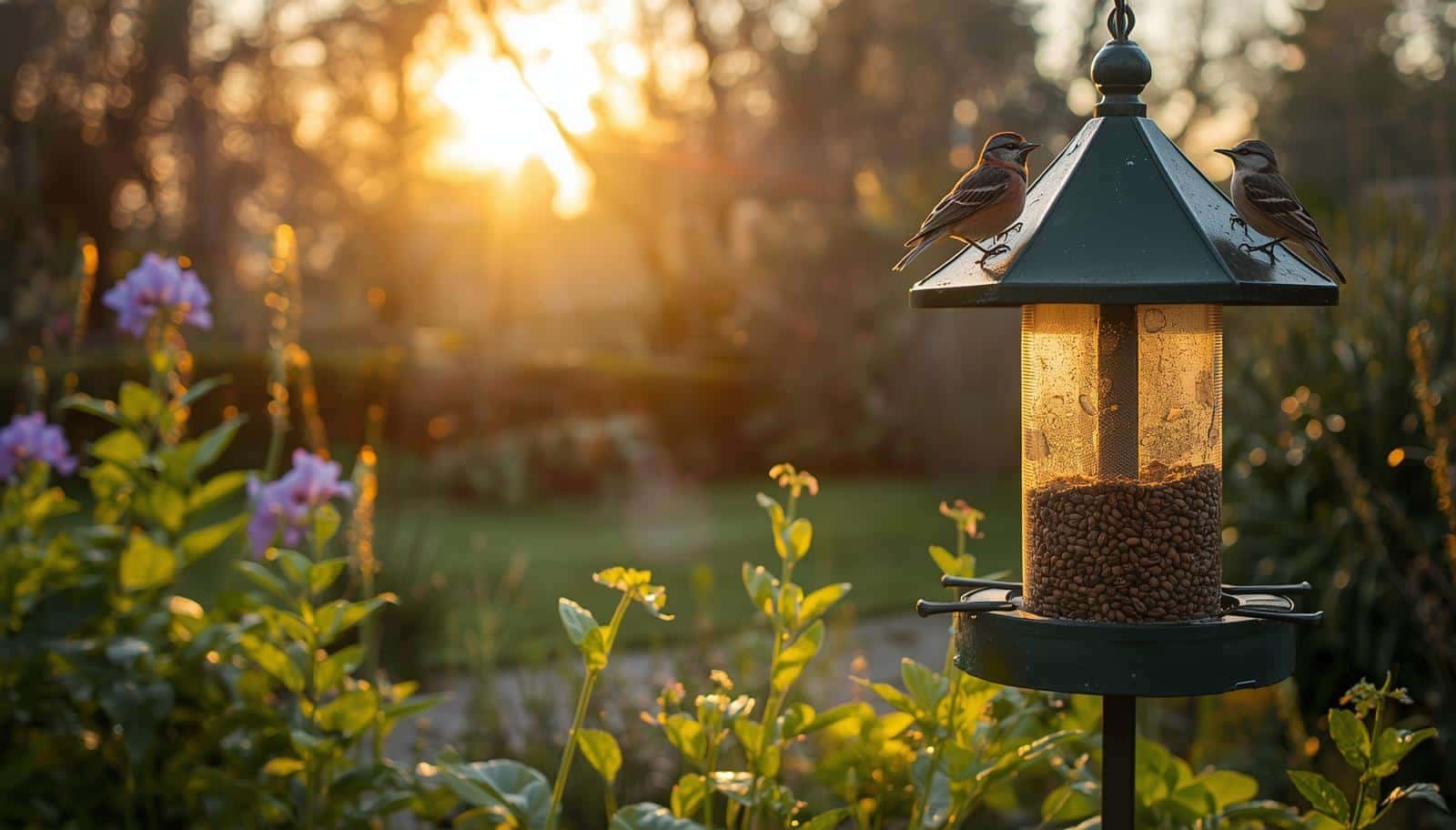
Are you tired of waking up to constant bird noise or struggling to focus because of their nonstop chirping? Bird sounds can be pleasant at first, but when they become too loud or persistent, they can disrupt your peace and quiet.
How to Reduce Bird Noise is easier than you might think. You’ll discover simple and effective ways to minimize bird sounds around your home or workspace. Keep reading, and you’ll find easy solutions that bring calm back to your environment.
Causes Of Bird Noise
Bird noise can be loud and disturbing. It is important to know why birds make noise.
Understanding causes helps reduce unwanted bird sounds around your home.
Common Noisy Bird Species
Some birds are naturally louder than others. They use calls to communicate or warn.
- Crows: Known for loud, harsh calls.
- Seagulls: Make noise near water and trash areas.
- Mockingbirds: Repeat sounds and songs often.
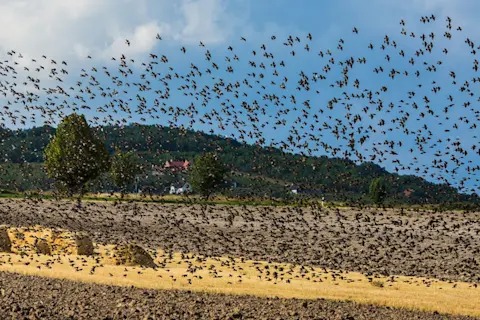
- Pigeons: Coos can be noisy in large flocks.
- Parrots: Loud squawks and chatter.
Reasons Birds Make Noise
Birds make noise for many reasons. Calls help them survive and live together.
| Reason | Purpose |
| Territorial Calls | To warn others to stay away |
| Mating Songs | To attract a partner |
| Alarm Calls | To warn about danger |
| Communication | To stay in contact with flock |
| Begging | Young birds asking for food |
Times When Birds Are Loudest
Birds are not loud all day. They have certain times when noise peaks.
- Early morning: Birds sing to mark territory and find mates.
- Late afternoon: Some birds call before settling down.
- Breeding season: Noise increases to attract mates and protect nests.
- During bad weather: Alarm calls may rise due to stress.
- Neurobiologists explain the energy-saving strategy: “The dawn chorus is exceptionally loud because early morning provides the optimal acoustic window for territory proclamation. Sound travels farther and clearer when the air is cool and still, making it the most energy-efficient time to broadcast calls. Birds invest heavily in this morning singing to mark their territory, knowing that later in the day, when they need to forage, their calls would require more energy to travel the same distance.”
Credit: www.amazon.com
Natural Sound Barriers
Bird noise can be loud and distracting around your home. Using natural sound barriers helps reduce this noise. Plants and water can soften sounds and create a peaceful space.
These natural elements blend well with the environment. They provide shelter for birds while lowering noise levels near your living areas.
Using Trees And Shrubs
Trees and shrubs act like sound walls. Their leaves, branches, and trunks absorb and block bird sounds. Planting dense rows of trees and shrubs near noisy areas helps a lot.
- Choose evergreen trees for year-round noise blocking.
- Use shrubs with thick leaves to fill gaps between trees.
- Plant tall species to block sounds from higher up.
- Space plants close together to create a solid barrier.
Creating Dense Vegetation
Dense vegetation slows down sound waves and lowers noise levels. Layering plants of different heights and types builds a strong natural barrier.
| Plant Type | Height | Benefit |
|---|---|---|
| Ground Covers | 0-1 foot | Reduce sound reflection from the ground |
| Shrubs | 3-6 feet | Block mid-level bird noise |
| Tall Trees | 15+ feet | Absorb high-level bird calls |
Water Features To Mask Noise
Water features create soothing sounds that cover bird noise. The sound of flowing or dripping water distracts the ear from loud bird calls.
Types of water features to consider:
- Fountains with gentle water flow
- Small waterfalls or cascades
- Birdbaths with dripping water
- Water ponds with moving pumps
Bird Deterrent Techniques
Bird noise can be a big problem in homes and gardens. Reducing this noise helps create a peaceful space. Using bird deterrent techniques can keep birds away safely.
There are many ways to stop birds from making noise. This guide covers visual deterrents, sound devices, and physical barriers. Each method works differently to keep birds quiet.
Visual Deterrents
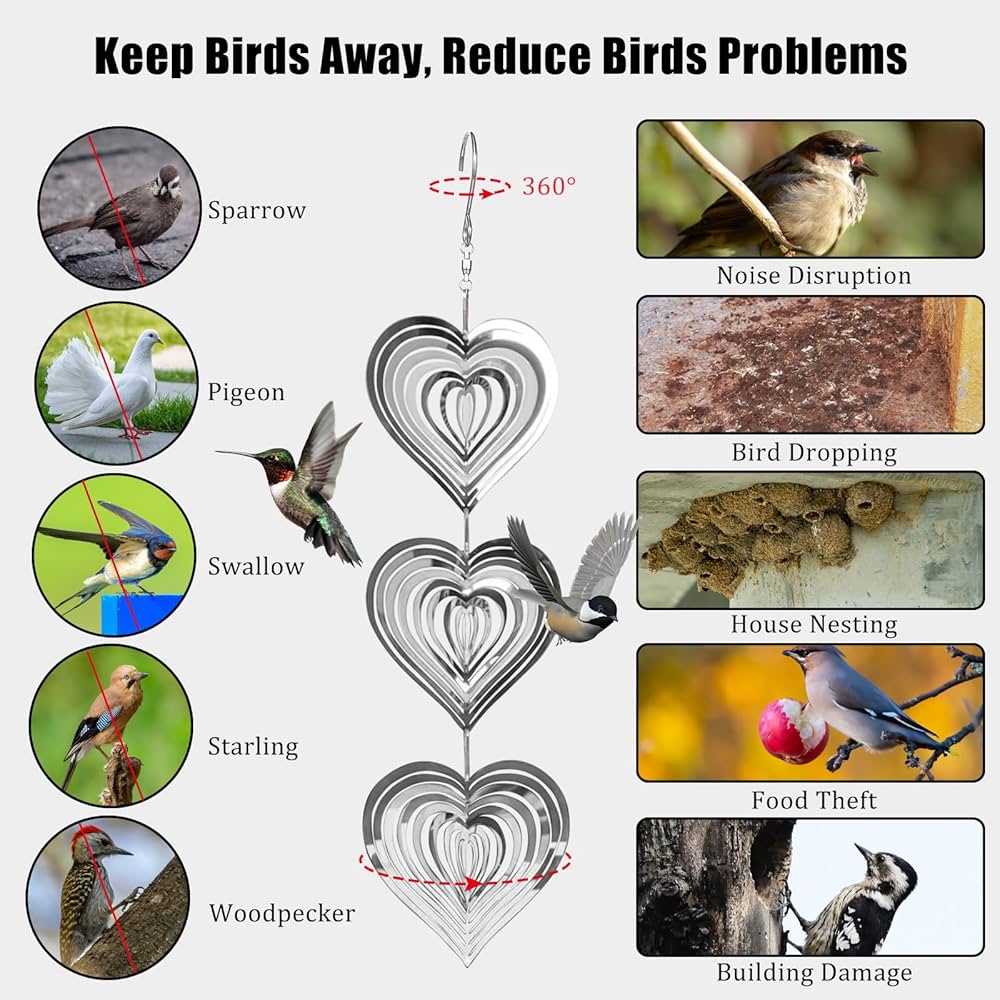
Visual deterrents scare birds by making them feel unsafe. Birds see objects that look like threats and avoid the area. These tools are easy to use and do not harm birds.
Common visual deterrents include shiny objects and fake predators. Moving items catch birds’ attention and keep them away. Changing these objects regularly works best.
- Reflective tapes or strips that shine in the sun
- Plastic owls or hawk decoys placed around the area
- Colorful balloons with big eyes painted on them
- Wind chimes that move and create light reflections
Behavior Consultants stress the need for dynamism: “Many popular visual deterrents fail because they lack the two elements required to register as a genuine threat: movement and novelty. Birds quickly habituate to static figures like plastic owls. The most effective non-lethal deterrents are those that have unpredictable, irregular movement, which engages the bird’s survival instincts. Simple items like holographic flash tape or aluminum pie tins hung from fishing line provide the necessary kinetic variation to prevent a bird from relaxing.”
Sound Devices
Sound devices use noise to scare birds. These sounds make birds feel unsafe and stop them from staying nearby. Some devices play predator calls or distress signals.
Ultrasonic devices send high-pitched sounds that humans cannot hear. These sounds disturb birds and keep them away. Use sound devices carefully to avoid disturbing neighbors or pets.
- Recorded predator calls played at intervals
- Ultrasonic bird repellents
- Distress call recordings from birds
- Noise makers like clappers or bells
Physical Barriers
Physical barriers block birds from landing or nesting. These barriers stop birds from entering certain spaces. They are a direct and effective way to reduce bird noise.
Use nets, spikes, or wires to keep birds away from ledges, roofs, and gardens. Barriers do not harm birds but limit their access to noisy spots. Regular checks help keep barriers working well.
- Bird netting to cover plants or fruit trees
- Spikes on ledges and rooftops
- Wires stretched over surfaces to prevent landing
- Mesh screens on vents and openings

Credit: www.amazon.com
Habitat Modification
Bird noise can be a problem in many areas. Changing the habitat can help reduce the noise. This means making small changes to where birds live and find food.
By adjusting the environment, you can make it less inviting for birds to stay. This lowers the chance of loud bird sounds near your home or business.
Removing Food Sources
Birds come to places where food is easy to find. Removing food sources can keep birds away. This means not leaving out birdseed or food scraps.
Make sure to cover fruit trees and clean up fallen fruit. Avoid feeding birds in areas where noise is a problem.
- Store pet food indoors
- Pick up spilled seeds and grains
- Cover compost bins tightly
- Clean outdoor eating areas regularly
Altering Nesting Areas
Birds make nests in quiet, safe places. Changing these areas can stop birds from nesting nearby. Remove old nests and block small openings.
Trim trees and bushes where birds like to build nests. Use bird spikes or netting on ledges and roofs to prevent nesting.
- Close gaps in buildings and vents
- Remove dense shrubs near windows
- Use safe bird deterrents on common nesting spots
Managing Waste Properly
Birds search trash for food. Managing waste keeps birds away. Use bins with tight lids and empty them often.
Keep garbage areas clean and free of spills. This reduces bird visits and lowers noise from large flocks.
- Use bird-proof garbage cans
- Clean waste areas regularly
- Remove food waste quickly
- Keep compost bins sealed
Timing Outdoor Activities
Bird noise can disturb your outdoor time. Choosing the right time helps reduce this noise. Timing activities well lets you enjoy quiet outside moments.
Understanding when birds are less active guides your schedule. This way, you avoid their loud calls and singing.
Best Times For Quiet Outdoors
Birds are usually noisy during early mornings and late afternoons. Quiet times often happen at midday and night. Planning your outdoor activities during these hours can help you avoid bird noise.
- Midday, when many birds rest
- After sunset, when birds settle down
- Before dawn, before birds start singing
Scheduling Around Bird Activity
Knowing bird activity helps you set a good schedule. Use this simple table to pick the best times for quiet outdoors.
| Time of Day | Bird Activity Level | Outdoor Noise Level |
| Early Morning (5 AM – 8 AM) | High | Loud |
| Midday (11 AM – 2 PM) | Low | Quiet |
| Late Afternoon (4 PM – 6 PM) | High | Loud |
| Evening (7 PM – 9 PM) | Low | Quiet |
| Night (10 PM – 4 AM) | Very Low | Very Quiet |
Legal And Ethical Considerations
Reducing bird noise requires respect for laws and nature. You must protect birds while addressing noise problems.
Many birds are protected by law. Ethical actions help keep bird populations safe and healthy.
Protecting Bird Species
Birds are often protected by national and international laws. These laws prevent harm and disturbance to birds and their homes.
- Do not destroy nests or eggs.
- Avoid loud noises during nesting seasons.
- Keep a safe distance from bird habitats.
- Use bird-friendly methods to reduce noise.
- Report injured or trapped birds to wildlife authorities.
Avoiding Harmful Practices
Some ways to reduce bird noise can hurt birds. Avoid harmful chemicals and devices that scare or injure birds.
| Harmful Practice | Why to Avoid |
| Using poisons or traps | Causes injury or death to birds |
| Loud noise machines | Stress and disturb bird behavior |
| Destroying bird habitats | Loss of shelter and food sources |
| Blocking flight paths | Can cause accidents and harm |
Credit: www.discovermagazine.com
Frequently Asked Questions
How Can I Naturally Reduce Bird Noise In My Yard?
Plant dense shrubs and trees to absorb sound. Use wind chimes or water features to mask bird calls. Avoid feeding birds near windows to prevent loud gatherings.
What Are Effective Soundproofing Methods Against Bird Noise?
Install double-glazed windows or heavy curtains to block noise. Use outdoor sound barriers like fences or screens. Adding insulation to walls can also reduce sound penetration.
Can Bird Deterrents Help Minimize Noise Effectively?
Yes, deterrents like reflective tapes, predator decoys, and ultrasonic devices can discourage noisy birds. Rotate methods regularly to prevent birds from adapting and keep noise levels down.
When Is Bird Noise Usually The Loudest?
Bird noise peaks early morning during dawn chorus and late afternoon. Understanding their active times helps in planning noise reduction strategies effectively.
Conclusion
Reducing bird noise can improve your peace and quiet. Start with simple methods like earplugs or soundproof curtains. Planting thick shrubs helps too. Keep your windows closed. Install bird spikes to deter perching. Consider using white noise machines. These tips can transform your space into a quieter retreat.
Experiment with different strategies. Find what works best for your situation. Small changes can make a big difference. Enjoy the serenity that comes with less noise. Your home should be a peaceful haven. With these steps, achieve a calm and restful environment.



