

If you have a cockatiel or are thinking about getting one, you probably want to know how to keep your feathered friend happy and healthy. How to Take Care of a Cockatiel Bird is easier than you might think, but it does need some attention and the right care.
You’ll discover simple tips that make a big difference in your bird’s life. From feeding to bonding, you’ll learn exactly what your cockatiel needs to thrive. Keep reading to become the best bird parent your cockatiel could ask for!
Choosing The Right Cage
Choosing the right cage is important for your cockatiel's health and happiness. The cage should be safe and roomy.
A good cage gives your bird space to move and play. It also keeps the bird safe from harm.
Ideal Cage Size
Cockatiels need enough room to stretch their wings and climb. A small cage can make them stressed.
The cage should be at least 24 inches long, 18 inches wide, and 24 inches high. Bigger cages are better.
- Allow space for toys and perches
- Ensure room for flying short distances
- Choose horizontal bars for climbing
Safe Cage Materials
Use cages made from safe materials that won't harm your cockatiel. Avoid toxic paints and metals.
Stainless steel cages are the safest and easiest to clean. Avoid cages with zinc or lead parts.
- Check for non-toxic paint or powder coating
- Avoid cages with rust or sharp edges
- Choose sturdy materials to prevent breakage
Cage Placement Tips
Place the cage in a quiet, safe spot in your home. Avoid direct sunlight and drafts.
Keep the cage at eye level. This helps your cockatiel feel part of the family.
- Keep away from kitchens and smoke
- Choose a spot with natural light but no harsh sun
- Place the cage where there is gentle activity
Feeding Your Cockatiel
Feeding your cockatiel the right food is very important. Good food keeps your bird healthy and happy.
Cockatiels need a mix of seeds, fruits, and vegetables. This gives them energy and nutrients.
Balanced Diet Essentials
A balanced diet for cockatiels includes seeds, pellets, grains, and some fresh foods. Seeds alone do not provide all nutrients.
Pellets are made to give birds the vitamins and minerals they need every day. You should offer them daily with seeds.
- High-quality cockatiel pellets
- Mixed seeds like millet and sunflower
- Whole grains such as cooked rice or quinoa
- Clean, fresh water at all times
Fresh Fruits And Vegetables
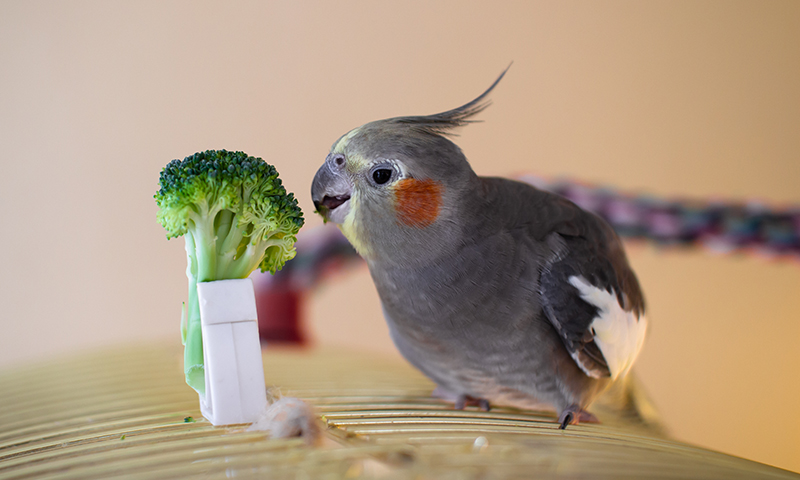
Fresh fruits and vegetables add vitamins and fiber to your cockatiel’s diet. They also help keep the bird’s beak healthy.
Offer small amounts daily. Wash all fruits and vegetables well before giving them to your bird.
- Apple slices without seeds
- Carrot sticks or shredded carrots
- Leafy greens like spinach and kale
- Peas and corn (fresh or cooked)
- Berries such as blueberries or strawberries
Avoiding Harmful Foods
Some foods are dangerous for cockatiels and must never be given. These can cause sickness or even death.
Keep these harmful foods away from your cockatiel at all times to keep it safe and healthy.
- Avocado
- Chocolate
- Caffeine
- Onions and garlic
- Alcohol
- Salty or sugary snacks
- Fruit seeds and pits
Maintaining Cleanliness
Keeping your cockatiel's environment clean is important for its health. A clean space helps prevent diseases and keeps your bird happy.
Regular cleaning and fresh supplies make a big difference. Learn how to care for your cockatiel by maintaining cleanliness every day.
Daily Cage Cleaning
Remove droppings and food scraps from the cage daily. This prevents bacteria buildup and bad smells.
Wipe down perches and toys to keep them free from dirt. Clean cages make your bird feel safe and healthy.
- Replace cage liner or paper daily
- Remove leftover food and droppings
- Wipe perches and toys with a damp cloth
- Check for mold or dirt spots
Bathing Your Bird
Cockatiels enjoy baths and it keeps their feathers clean. Bathing also helps them stay cool and comfortable.
Offer a shallow dish of water or gently spray your bird with water. Do this a few times each week to keep feathers healthy.
- Use lukewarm water for bathing
- Let your bird bathe itself if possible
- Dry your bird in a warm, draft-free room
- Never use soap or shampoo on your bird
Keeping Food And Water Fresh
Fresh food and water are vital for your cockatiel’s health. Dirty or old supplies can cause illness.
Change food and water every day. Clean bowls regularly to avoid bacteria growth and keep your bird happy.
- Replace water daily with fresh, clean water
- Remove leftover food before adding new food
- Wash food and water dishes with hot water
- Check for mold or spoiled food
Credit: pethelpful.com
Providing Mental Stimulation
Cockatiels are smart birds that need mental exercise. Keeping their minds active helps them stay happy and healthy.
Without enough mental stimulation, cockatiels can become bored or stressed. This may lead to bad habits or health problems.
Toys And Enrichment
Providing toys is a great way to keep your cockatiel busy. Toys that move, make noise, or can be chewed are best.
Rotate toys often to keep your bird interested. You can also add natural branches or swings for more fun.
- Chewable wooden toys
- Foraging toys with treats inside
- Swings and ladders
- Mirrors and bells
Social Interaction
Cockatiels love to interact with people and other birds. Talking, singing, and playing with them helps their mind grow.
Spend time every day with your cockatiel. This keeps them from feeling lonely or bored.
- Talk to your bird often
- Let them sit on your hand or shoulder
- Play gentle games like peek-a-boo
- Consider a second bird for company
Training And Tricks
Training your cockatiel helps it learn new skills and stay mentally sharp. Simple tricks give it a fun challenge.
Use treats and praise to encourage good behavior. Keep training sessions short and fun to hold your bird’s attention.
- Teach your bird to step up on command
- Show how to wave or turn around
- Use clicker training for clear signals
- Practice daily but keep sessions brief
Health Monitoring
Taking care of a cockatiel includes watching its health every day. Healthy birds show energy and bright eyes.
Good health helps your cockatiel live a long and happy life. Knowing how to spot problems early is important.
Recognizing Illness Signs
Watch your cockatiel closely for changes in behavior or appearance. Sick birds may act tired or quiet.
Look for signs like:
- Fluffed up feathers for long periods
- Loss of appetite or not eating
- Changes in droppings color or amount
- Labored breathing or wheezing sounds
- Swelling around the eyes or beak
- Less movement or hiding often
Regular Vet Visits
Taking your cockatiel to the vet helps catch health problems early. Plan visits at least once a year.
Choose a vet who knows birds well. They can give vaccines and check your bird’s overall health.
Preventive Care
Preventive care keeps your cockatiel healthy and happy. Clean the cage often and give fresh food daily.
Provide fresh water and a balanced diet with seeds, fruits, and vegetables. Avoid toxic foods like avocado and chocolate.
- Keep cage away from drafts and direct sunlight
- Provide toys to reduce stress and boredom
- Watch for parasites like mites or lice
- Keep your bird’s nails and beak trimmed
Credit: pethelpful.com
Handling And Bonding
Caring for a cockatiel means spending time holding and bonding with it. This builds a strong friendship.
Good handling helps your bird feel safe and loved. Bonding makes your cockatiel happy and calm.
Safe Handling Techniques
Always approach your cockatiel slowly and calmly. Sudden moves can scare the bird.
Use one hand to support its body gently. Let the bird step onto your finger or hand.
- Hold the bird close to your body for security
- Do not squeeze or hold too tightly
- Keep your hands clean and free of strong smells
- Avoid grabbing the wings or tail feathers
Building Trust
Spend quiet time near your cockatiel without trying to touch it first. Let it get used to you.
Talk softly to the bird and offer treats. This shows you are a friend, not a threat.
- Offer food from your hand or near it
- Keep regular feeding and play times
- Be patient and gentle always
- Respect the bird’s mood and space
Encouraging Vocalization
Talk to your cockatiel often. Use clear and simple words or short phrases.
Play soft music or bird sounds. This helps your bird learn new sounds and sing along.
- Repeat words slowly and clearly
- Give praise or treats when your bird talks
- Be patient; learning takes time
- Use a calm and happy tone
Creating A Safe Environment
Taking care of a cockatiel means making a safe place for it to live. A safe environment helps keep your bird healthy and happy.
Keep the bird’s space free from dangers. Watch for things that could harm your cockatiel.
Avoiding Toxic Hazards
Many common household items can be harmful to cockatiels. Avoid letting your bird near toxic plants, chemicals, and fumes.
Some foods are also dangerous, like chocolate, avocado, and caffeine. Keep these away from your bird’s cage and play area.
- Do not use Teflon pans or non-stick sprays near your bird
- Keep cleaning products locked away and out of reach
- Remove plants like philodendron and dieffenbachia from bird areas
- Store human food safely to prevent accidental ingestion
Temperature And Lighting
Cockatiels need a steady, warm temperature between 65 and 80°F. Avoid placing their cage in drafty or very hot spots.
Natural light helps your bird stay healthy. Place the cage near a window but not in direct sunlight all day.
- Keep room temperature stable, avoid sudden changes
- Use curtains to control direct sunlight
- Provide 10 to 12 hours of light daily
- Cover the cage at night for better sleep
Supervised Out-of-cage Time
Cockatiels enjoy flying and exploring outside their cage. Always watch your bird during this time to keep it safe.
Make sure the room is free from hazards like open windows, ceiling fans, and other pets. This helps prevent accidents.
- Close windows and doors before free flight
- Turn off ceiling fans
- Keep other pets away during out-of-cage time
- Use a safe play area with bird toys
Credit: www.kaytee.com
Frequently Asked Questions
How Often Should I Clean My Cockatiel's Cage?
Clean your cockatiel's cage weekly to ensure a healthy environment. Remove waste, change bedding, and disinfect perches and toys regularly.
What Is The Ideal Diet For A Cockatiel Bird?
Feed your cockatiel a balanced diet of pellets, fresh fruits, vegetables, and occasional seeds. Avoid avocado, chocolate, and caffeine as they are toxic.
How Can I Keep My Cockatiel Entertained Daily?
Provide toys, mirrors, and safe perches to keep your cockatiel active. Spend time talking and interacting to prevent boredom and loneliness.
What Temperature Is Best For A Cockatiel's Habitat?
Maintain room temperature between 65°F and 80°F. Avoid drafts, direct sunlight, and sudden temperature changes for your cockatiel's comfort.
Conclusion
Caring for a cockatiel is rewarding and fun. Keep their cage clean and spacious. Provide fresh water and a balanced diet daily. Spend time with your bird to strengthen your bond. Regular vet check-ups ensure they stay healthy. Toys and activities keep them entertained.
Understand their behavior for better communication. With love and attention, your cockatiel will thrive. Enjoy your time with your feathered friend!


