Have you ever wished you could whistle like a bird, without using your hands? Imagine impressing your friends or simply enjoying the freedom of making beautiful bird-like sounds anytime, anywhere.
Learning how to whistle like a bird no hands might seem tricky at first, but with a few simple steps, you can master this skill faster than you think. You’ll discover easy techniques that will have you sounding like a natural in no time.
Ready to surprise yourself and others with your new talent? Let’s get started!
Basics Of Bird Whistling
Bird whistling is a fun way to copy bird sounds using your mouth. You can make clear, sharp sounds that sound like birds. It takes practice to learn how to do it well.
Whistling without using your hands lets you keep your hands free. It is useful when you want to whistle while doing other things.
How Bird Whistles Sound
Bird whistles often have high, clear tones. They can be short chirps or long songs. The sounds are simple but can change in pitch and rhythm.
When you whistle like a bird, aim to copy these qualities. Try to make your whistle sharp and smooth. Changing the shape of your mouth helps create different sounds.
- High pitch sounds like small birds
- Lower pitch sounds like bigger birds
- Short whistles mimic bird calls
- Long whistles mimic bird songs
Why Whistle Without Hands
Whistling without hands lets you do other tasks at the same time. You can carry things, use tools, or play instruments.
This skill is helpful outside, like when hiking or camping. It also looks cool and shows control over your whistle.
- Keeps hands free for work or play
- Easy to whistle while moving
- Good for signaling without stopping
- Shows skill and control
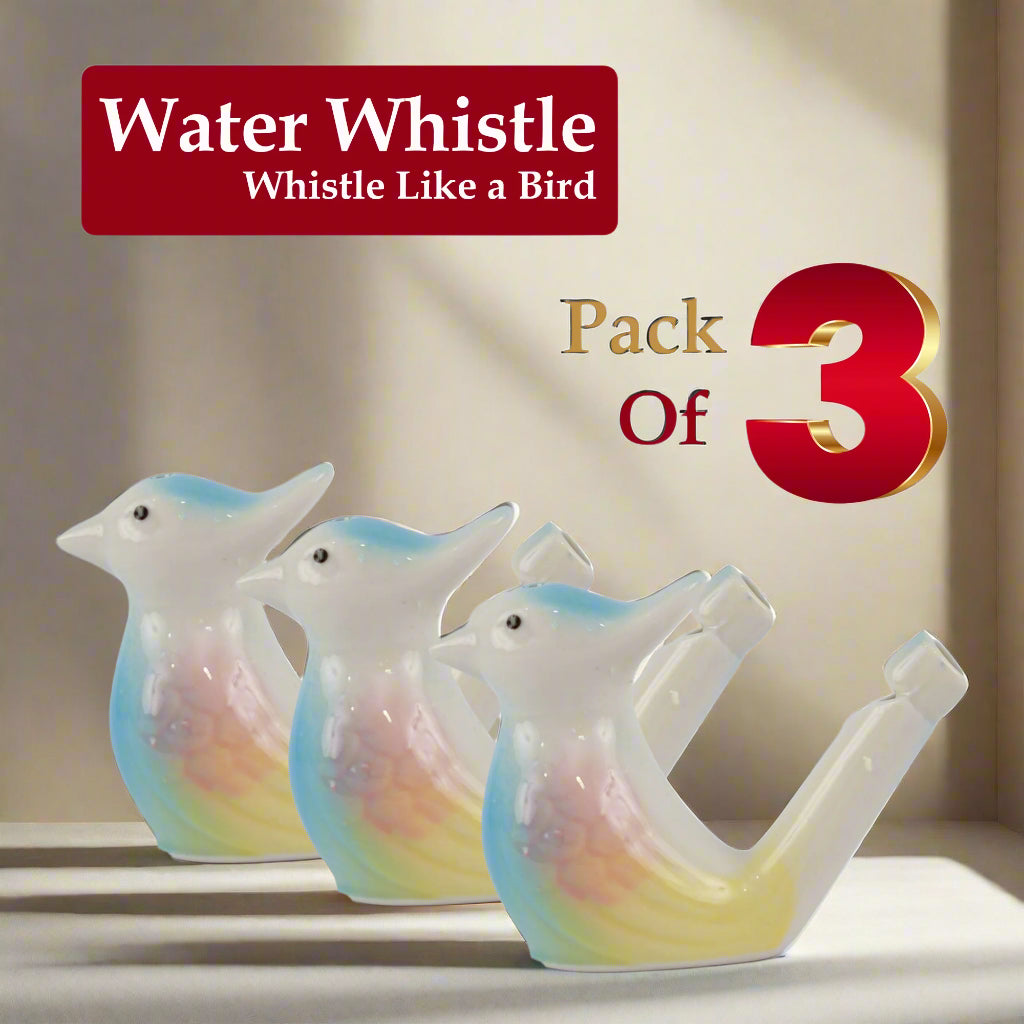
Credit: crazinos.com
Preparing Your Mouth
Whistling like a bird without using your hands needs good mouth preparation. Your lips and tongue play key roles. Getting them ready helps you make clear, sharp sounds.
Focus on shaping your lips and positioning your tongue correctly. These steps set the foundation for good whistling skills.
Shaping Your Lips
To whistle well, your lips must form a small, tight opening. This controls the airflow and creates the whistle sound.
- Relax your lips and bring them together gently.
- Push your lips slightly forward, like you are about to blow a kiss.
- Make a small, round hole in the center of your lips.
- Keep the edges of your lips tight to prevent air leaks.
- Practice moving your lips until the opening feels right.
Positioning Your Tongue
The tongue shapes the airflow inside your mouth. Its position changes the sound and pitch of your whistle.
| Tongue Position | Effect on Whistle |
| Tip behind bottom front teeth | Clear, sharp tone |
| Flat and low in the mouth | Soft, mellow sound |
| Raised near the roof of the mouth | Higher pitch whistle |
| Curved slightly upward | Strong, focused whistle |
Breathing Techniques
Learning to whistle like a bird without using your hands needs good breathing skills. Your breath controls the sound and pitch.
Practicing breathing helps you make clear and sharp whistles. Focus on how you breathe and control the air.
Controlling Airflow
Airflow control is key to whistling without hands. You need to blow air softly and steadily through your lips.
Too much air will make the sound harsh. Too little air will not make a whistle. Find the right balance.
- Keep your lips slightly puckered but relaxed.
- Blow air gently and steadily.
- Adjust your mouth shape to change pitch.
- Practice soft blowing to keep the whistle clear.
Breath Timing Tips
Timing your breath helps you hold the whistle longer. Take deep breaths before you start whistling.
Exhale slowly and control the speed of air leaving your mouth. Short breaths make short whistles.
- Breathe in deeply through your nose.
- Start whistling on a slow exhale.
- Pause between whistles to breathe again.
- Practice long, steady breaths for longer whistles.

Credit: www.youtube.com
Step-by-step Whistling Guide
Whistling like a bird without using your hands is a fun skill anyone can learn. It takes practice to control your lips and breath.
This guide will help you start whistling, keep a clear sound, and change the pitch and volume.
Starting The Whistle
First, wet your lips slightly. Then, purse them like you are about to kiss. Make a small opening in the center.
Blow air gently through the small gap. Your lips should vibrate to create the whistling sound.
- Wet your lips to help air flow.
- Make a small round opening with your lips.
- Blow air softly through the opening.
- Adjust lips until you hear a clear whistle.
Maintaining The Tone
Keep your lips steady to hold a smooth whistle. Avoid moving your mouth too much while you blow air.
Control your breathing by taking slow, steady breaths. This helps the whistle stay clear and strong.
- Hold your lips steady and firm.
- Breathe slowly and evenly.
- Practice keeping the sound even and clear.
Adjusting Pitch And Volume
Change the pitch by tightening or relaxing your lips. Tight lips make a higher sound. Relaxed lips make a lower sound.
To control volume, blow air harder for louder sounds and softer for quieter ones. Practice to find the right balance.
- Tighten lips to raise pitch.
- Relax lips to lower pitch.
- Blow harder to increase volume.
- Blow softer to reduce volume.
Common Mistakes To Avoid
Whistling like a bird without using your hands takes practice and patience. Many learners make simple errors that stop them from producing clear sounds.
Knowing which mistakes to avoid can speed up your progress. Focus on your lip and tongue movements and breathing technique for better results.
Lip And Tongue Errors
Incorrect lip positioning and tongue placement are the most common problems. Your lips should be tight but not too tight, and your tongue must be in the right spot.
- Do not open your lips too wide; this weakens the whistle sound.
- Avoid pressing your tongue too hard against the roof of your mouth.
- Keep your lips moist but not wet to maintain a steady airflow.
- Try not to move your tongue too much; it should stay steady in one position.
Breathing Mistakes
Breathing is key to producing a clear whistle. Many fail by either not controlling their breath or breathing too fast.
| Common Breathing Mistake | Effect on Whistling |
|---|---|
| Breathing too shallow | Weak and short whistle sounds |
| Exhaling too quickly | Whistle breaks or stops suddenly |
| Holding breath too long | Causes tension and poor airflow |
| Irregular breathing pattern | Inconsistent whistle tone and pitch |

Credit: www.youtube.com
Practice Tips For Faster Learning
Learning to whistle like a bird without using your hands takes time and patience. Regular practice helps improve your skills faster.
Using simple techniques and feedback will make your learning more effective. Small daily actions bring better results.
Daily Exercises
Practice whistling every day for at least 10 minutes. This helps your mouth and lips get used to the movements.
Start by making soft whistles and slowly increase the volume and pitch. Keep your lips relaxed but firm.
- Warm up by blowing air gently
- Try different lip shapes to find what works
- Practice short whistle bursts first
- Increase whistle length as you improve
- Rest if your lips feel tired
Recording And Feedback
Record your whistling to hear how you sound. This helps you notice mistakes and areas to improve.
Listen carefully and compare your sounds to bird whistles. Try to copy the tone and rhythm you hear.
- Use a phone or recorder to capture your whistles
- Play back recordings and listen closely
- Note which sounds are clear and which need work
- Ask friends for honest feedback if possible
- Keep a practice journal to track progress
Advanced Bird Whistling Tricks
Whistling like a bird without using your hands takes practice and control. You can create many bird sounds by changing your mouth and tongue positions.
These advanced tricks help you sound more like real birds. Try copying their calls and adding effects to your whistle.
Mimicking Different Bird Calls
Listen carefully to birds to copy their calls. Each bird has a unique whistle pattern and tone. Practice matching their rhythm and pitch.
Use your tongue to change the airflow and create different sounds. Try to imitate short chirps, long whistles, or trills like birds do.
- Start with simple bird calls like sparrows or robins
- Focus on the pitch and speed of each call
- Practice switching between calls smoothly
- Record yourself to compare with real bird sounds
Adding Vibrato And Effects
Vibrato adds a natural tremble to your whistle. Move your tongue or throat quickly to create this effect. It makes your whistle sound more like a live bird.
You can also add effects like trills and warbles. Try changing your whistle speed or gently blowing air in bursts. These tricks add emotion and realism to your bird whistle.
- Use small tongue movements to create vibrato
- Change air pressure to add trills
- Practice smooth transitions between effects
- Experiment with different mouth shapes for warbles
Frequently Asked Questions
How Can I Whistle Like A Bird With No Hands?
To whistle like a bird without hands, shape your lips into a small “O. ” Blow air steadily while adjusting your tongue position. Practice controlling airflow and lip tension for clear, bird-like sounds.
What Lip Shape Helps Create Bird Whistles?
A tight, small “O” shape with your lips is essential. This shape directs the airflow precisely, producing a high-pitched, clear whistle resembling bird sounds.
How Important Is Tongue Placement In Bird Whistling?
Tongue placement is crucial. Position it near the roof of your mouth or slightly curled. This controls airflow and pitch, helping create authentic bird-like whistles.
Can I Learn Bird Whistling Quickly Without Hands?
Yes, with consistent practice, you can learn quickly. Focus on lip shape, tongue position, and breath control. Start slowly and increase speed as you improve.
Conclusion
Learning to whistle like a bird is fun and rewarding. Practice daily to improve your skills. Stay patient; progress takes time. Listen to real birds for inspiration. Mimic their sounds closely. Experiment with different techniques. Your unique whistle will develop soon.
Remember, enjoyment is key. Share your new skill with friends and family. They might join you in whistling too. Keep exploring new sounds and styles. Whistling connects you with nature in a special way. Enjoy the journey of creating bird-like melodies.