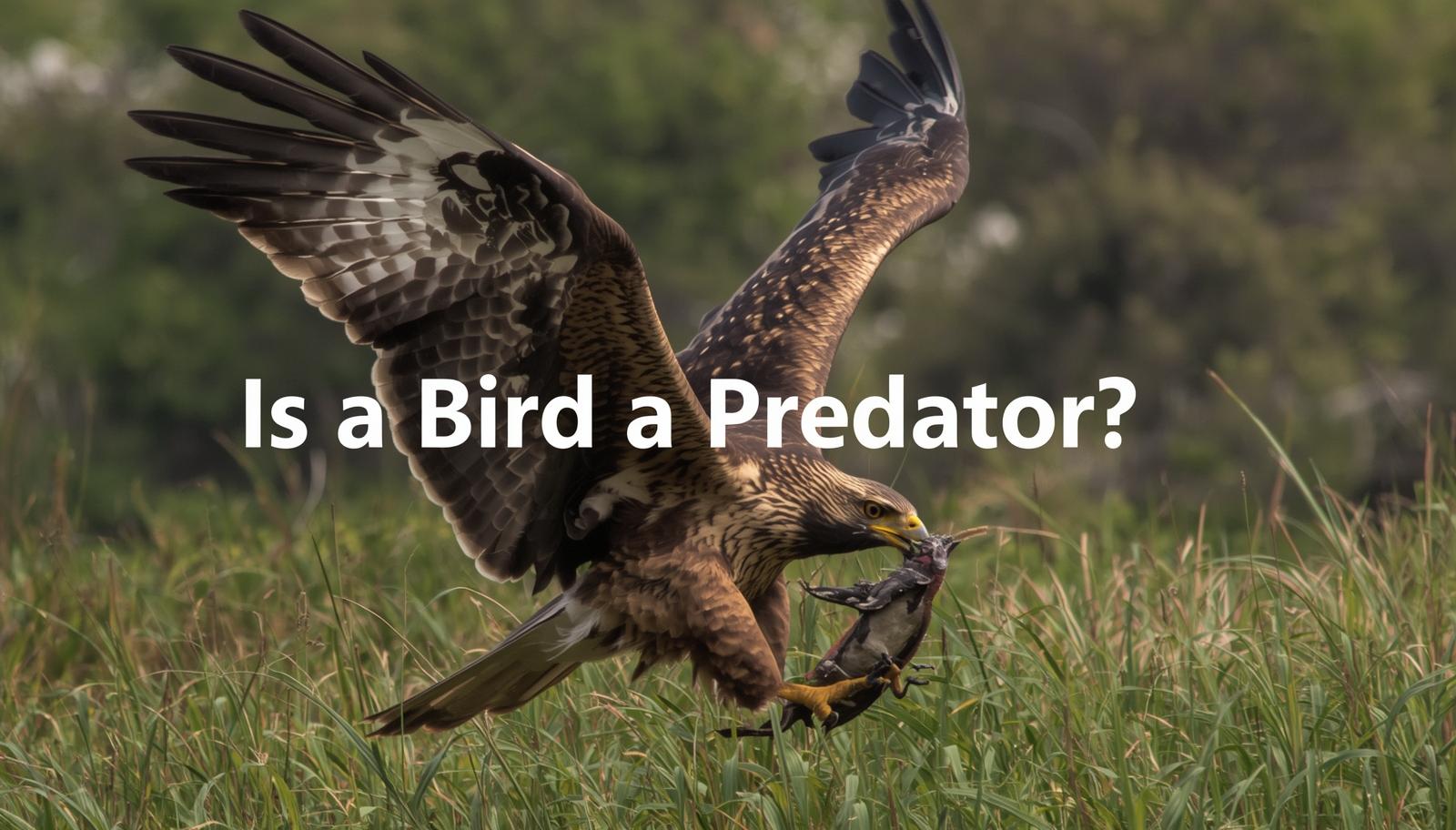
Have you ever wondered, Is a Bird a Predator? You might think of birds as peaceful creatures singing in the trees.
But some birds are actually fierce hunters. Understanding which birds are predators can change the way you see the world around you. You’ll discover surprising facts about birds that hunt, how they catch their prey, and why this matters to you.
Keep reading, and you’ll never look at birds the same way again.
Birds As Predators
Birds can be fierce hunters. They catch animals for food. Many birds use sharp beaks and strong claws.
Some birds hunt small mammals, insects, or fish. Their hunting skills help them survive in the wild.
Defining Predator Traits
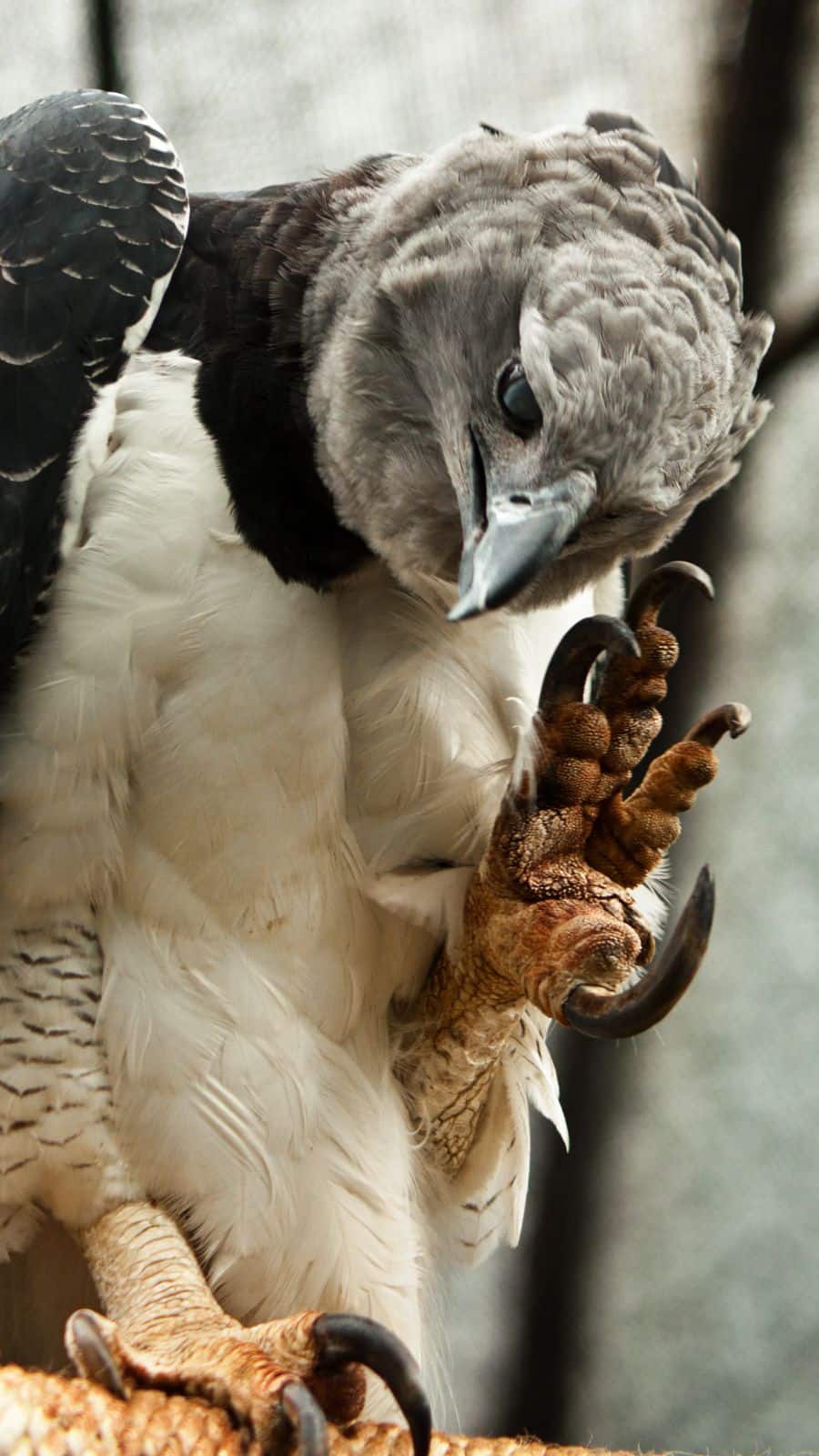
Predator birds have special traits to catch prey. They have sharp talons to grab animals. Their beaks are curved to tear flesh.
- Strong eyesight to spot prey from far away
- Quick flight to chase or swoop down
- Camouflage feathers to hide while hunting
- Powerful claws to hold struggling prey
- Keen senses to detect movement and sound
Bird Species Known For Hunting
Many bird species are known hunters. They vary in size and hunting style but share similar skills.
| Bird Species | Prey Type | Hunting Method |
| Red-tailed Hawk | Small mammals, birds | Swoops from high perch |
| Osprey | Fish | Dives into water to catch fish |
| Great Horned Owl | Rabbits, rodents | Hunts at night silently |
| Peregrine Falcon | Other birds | Fast dive to strike mid-air |
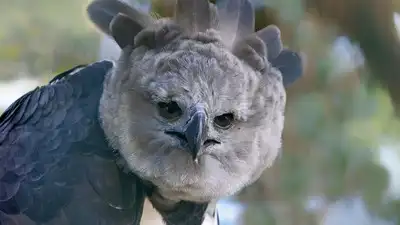
| Harpy Eagle | Monkeys, sloths | Powerful grip in dense forest |
Adaptations For Hunting
Birds have special traits that help them hunt for food. These features improve their chances to catch prey. Hunting skills vary by species and environment.
Many birds use sharp tools, strong senses, and unique flight methods. These adaptations make them effective predators in the wild.
Beak And Talon Design
Birds use their beaks and talons as weapons. Sharp beaks tear flesh. Strong talons grab and hold prey tightly.
- Hooked beaks for ripping meat
- Powerful talons for capturing prey
- Curved claws to prevent escape
- Beak strength varies by diet type
Keen Vision And Hearing
Birds rely on sharp eyesight and hearing to detect prey. Their eyes can see fine details from far away. Some hear sounds humans cannot.
| Sense | Function | Benefit |
| Vision | Detect movement and shapes | Spot prey from a distance |
| Hearing | Hear faint sounds | Locate hidden prey |
- Biologists quantify raptor vision: "Birds of prey, particularly eagles and falcons, possess visual acuity up to eight times sharper than the average human. This incredible vision is due to a higher density of light-sensing cones in the eye and two specialized foveae. This allows them to spot prey—like a tiny rodent—while circling from elevations of over 10,000 feet, which is why they are such effective aerial predators."
Flight And Stealth Techniques
Flight skills help birds approach prey quietly and quickly. Stealth reduces the chance of being seen or heard.
- Silent wing feathers to reduce noise
- Slow, controlled gliding for surprise
- Rapid dives to catch prey off guard
- Ability to hover for careful observation
Common Predatory Birds
Many birds are predators that hunt other animals for food. They use sharp claws and beaks to catch prey.
Predatory birds live in many habitats. They play an important role in nature by controlling animal populations.
Raptors: Hawks And Eagles
Raptors include hawks and eagles. They have strong talons and curved beaks to kill prey.
These birds hunt during the day. They spot animals from high in the sky and swoop down fast.
- Hawks catch small mammals and birds
- Eagles hunt larger animals like rabbits and fish
- Both have excellent eyesight for spotting prey
Owls: Night Hunters
Owls are birds that hunt at night. They have silent wings to fly quietly and catch prey.
They use their sharp talons to grab small animals like mice and insects. Their eyes see well in the dark.
- Owls have excellent hearing to locate prey
- They can rotate their heads almost all the way around
- Most owls hunt alone at night
Other Predatory Birds
Besides raptors and owls, some other birds also hunt for food. These include falcons and shrikes.
Falcons are fast flyers that catch birds mid-air. Shrikes use sharp beaks to catch insects and small animals.
- Falcons dive at high speeds to catch prey
- Shrikes sometimes impale prey on thorns
- These birds help keep insect and small animal numbers balanced
Credit: www.moneycontrol.com
Hunting Strategies
Birds use many ways to catch their prey. Their hunting style depends on the bird type and prey.
Understanding these strategies helps us learn about bird behavior and survival skills.
- Behavioral experts note tool use in hunting: "Beyond basic predation, species like the Egyptian Vulture display a rare, high-level hunting strategy: tool use. They are known to drop hard stones onto large eggs (like those of ostriches) to break the shell and access the contents. This learned behavior is one of the most sophisticated hunting techniques observed in the avian world."
Aerial Attacks
Many birds hunt by flying high and spotting prey below. They swoop down fast to grab it.
- Use sharp eyesight to locate prey from far away
- Dive quickly to surprise the prey
- Catch prey with strong talons
Ground Ambush
Some birds hide on the ground and wait for prey to come close. Then they strike suddenly.
| Bird Type | Hunting Method | Prey |
|---|---|---|
| Herons | Stand still near water | Fish, frogs |
| Owls | Wait quietly in bushes | Small mammals |
| Roadrunners | Hide in grass | Insects, lizards |
Cooperative Hunting
Some birds hunt in groups to catch bigger prey. They work together to trap or chase animals.
- Group members spread out to surround prey
- One bird may flush prey out of hiding
- Others catch the prey when it runs
Impact On Ecosystems
Birds play an important role in many ecosystems. They affect other animals and plants around them.
Understanding how birds act as predators helps us see their effect on nature.
Controlling Prey Populations
Birds eat many types of prey like insects, small mammals, and fish. This eating helps keep prey numbers balanced.
- Reduces overpopulation of certain species
- Prevents damage to plants and crops
- Helps control pests naturally
- Supports the health of prey populations
Maintaining Ecological Balance
Birds also help keep ecosystems stable. They affect food chains and nutrient cycles.
| Role | Effect on Ecosystem |
| Predator | Controls prey numbers |
| Seed Disperser | Helps plants grow |
| Scavenger | Cleans environment |
| Prey | Feeds larger predators |
Credit: timesofindia.indiatimes.com
Misconceptions About Bird Predators
Many people think all birds that eat meat are predators. This is not always true. Some birds only eat dead animals or plants.
It is important to know which birds hunt for food and which do not. This helps us understand nature better.
Non-predatory Birds Often Mistaken
Some birds look like hunters but do not catch live prey. People often confuse these birds with predators.
For example, crows and ravens eat meat but mainly scavenge. They also eat fruits and insects. These birds help clean the environment.
- Crows
- Ravens
- Vultures (mostly scavengers)
- Seagulls (scavenge and eat small animals)
Role Of Scavengers Versus Hunters
Hunters catch live animals for food. They have sharp claws and beaks to catch prey. Examples are hawks and owls.
Scavengers eat animals that are already dead. They do not hunt live prey. Scavengers help keep nature clean by removing dead animals.
- Hunters: hawks, owls, eagles
- Scavengers: vultures, crows, ravens
- Hunters have strong talons and sharp beaks
- Scavengers have strong stomach acids to digest dead meat
- Ecologists categorize roles by trophic level: "The difference between a hawk and a vulture is their trophic level. A hawk is a secondary or tertiary consumer—it hunts live prey, making it a true predator. A vulture, however, is a detritivore (or scavenger). While both consume meat, only the hawk is actively regulating the population numbers of its prey, thus playing a more direct role in the top-down control of the food web."

Credit: birdsnways.com
Frequently Asked Questions
Are All Birds Considered Predators?
Not all birds are predators. Some birds eat seeds or plants, while others hunt insects or small animals. Predatory birds, like hawks and eagles, hunt for meat, making them true predators.
What Makes A Bird A Predator?
A bird is a predator if it hunts and eats other animals. Predatory birds have sharp beaks and strong talons to catch prey. They rely on hunting skills to survive.
Which Birds Are The Most Common Predators?
Common predatory birds include hawks, eagles, owls, and falcons. These birds hunt small mammals, birds, and insects. They play a crucial role in controlling prey populations.
Can Birds Be Both Predators And Prey?
Yes, many birds act as both predators and prey. Smaller birds may hunt insects but fall prey to larger birds. This balance is vital in ecosystems.
Conclusion
Birds are fascinating creatures with diverse roles in nature. Some birds are predators, hunting for food to survive. They control pests, maintaining ecological balance. Owls, eagles, and hawks are well-known bird predators. Not all birds hunt; many feed on seeds or insects.
Understanding bird behavior helps in appreciating their role. It enriches our knowledge of nature's balance. Observing birds in their habitats reveals these dynamics. Each bird, predator or not, contributes to the ecosystem. Nature thrives on these intricate relationships. So next time you see a bird, think of its role.
It's a small piece in nature's grand puzzle.