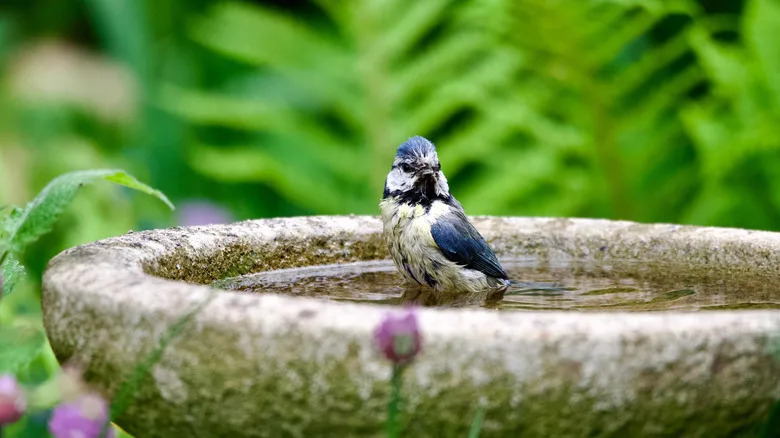
Have you ever noticed green slime building up in your bird bath and wondered if it’s dangerous? You might be worried about the health of the birds visiting your yard or even about keeping your bird bath clean and safe.
Understanding whether algae in your bird bath is harmful can help you take the right steps to protect your feathered friends and enjoy a beautiful garden. Keep reading to discover what algae really means for your bird bath and how you can manage it effectively.
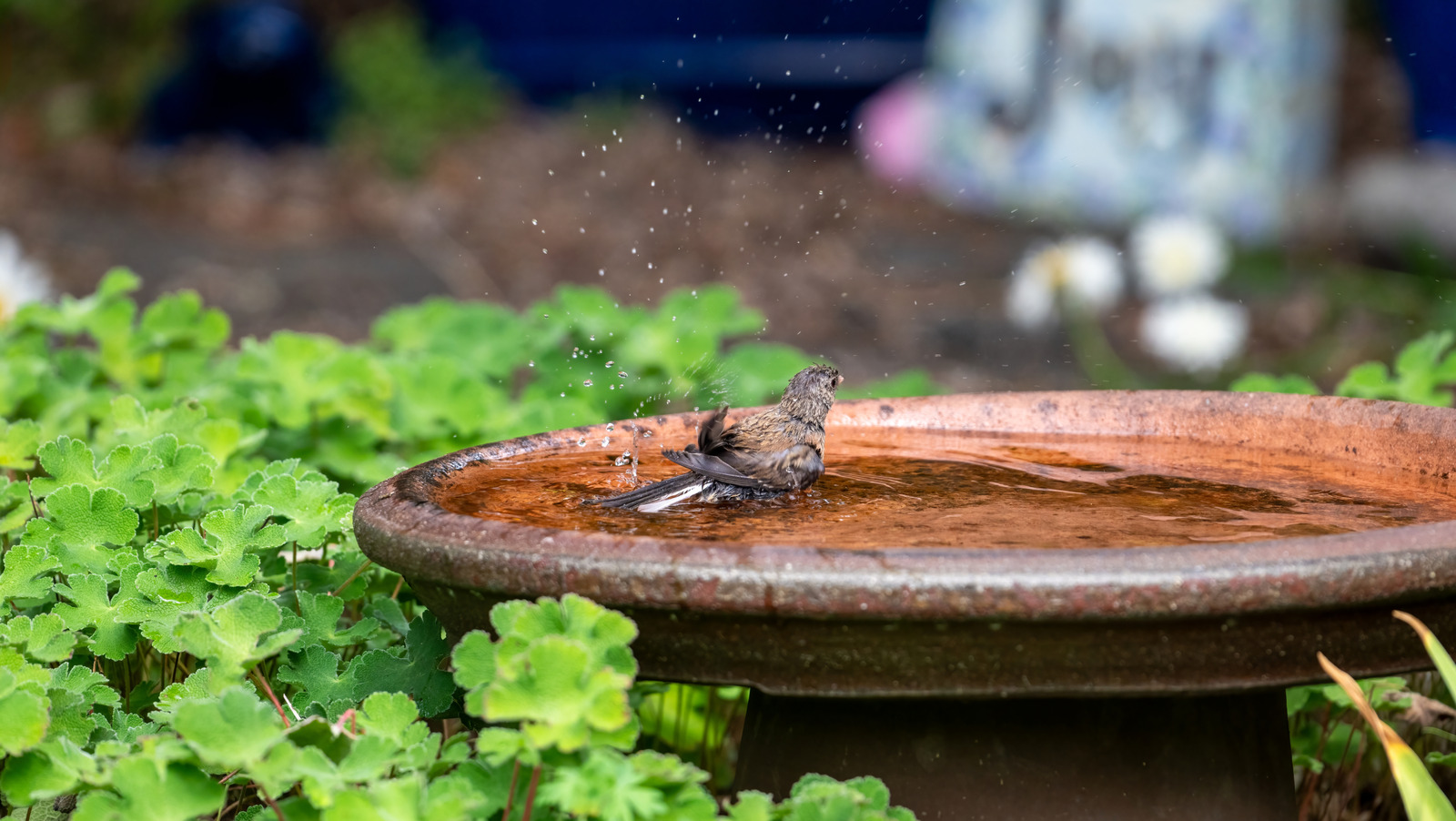
Credit: www.housedigest.com
What Causes Algae In Bird Baths
Algae often grow in bird baths, making the water green and slimy. This growth can confuse many bird lovers.
Understanding why algae appear helps to keep bird baths clean and safe for birds.
Sources Of Algae Growth
Algae need certain materials to grow. Bird baths can provide these materials easily.
- Sunlight shines directly on the water, helping algae grow.
- Bird droppings add nutrients like nitrogen and phosphorus.
- Leaves and dirt falling into the water provide food for algae.
- Stagnant water allows algae to multiply without disturbance.
Environmental Factors
Some natural conditions also support algae growth in bird baths.
| Factor | Effect on Algae |
| Warm Temperature | Speeds up algae reproduction |
| Bright Sunlight | Provides energy for algae growth |
| Poor Water Circulation | Creates a stable environment for algae |
| High Nutrient Levels | Feeds algae and helps it spread |

Credit: www.express.co.uk
Types Of Algae Commonly Found
Algae often grow in bird baths due to water and sunlight. They come in different types, each with unique looks and effects.
Knowing the common algae types helps you understand if they are harmful or safe for birds.
Green Algae
Green algae are the most common type found in bird baths. They look like green slime or tiny green dots on the water surface.
This algae type is not usually harmful to birds. It grows fast when water stays still and gets sunlight.
- Bright green color
- Soft and slimy texture
- Grows in sunlight and warm water
- Usually safe for birds
Blue-green Algae
Blue-green algae, also called cyanobacteria, can be harmful. They look like blue or greenish scum on water.
This algae can produce toxins that harm birds and pets if they drink the water. It grows in warm, still water with lots of nutrients.
- Blue-green or dark green color
- Forms thick, slimy layers
- Can produce harmful toxins
- Avoid letting birds drink water with it
Other Varieties
Other algae types can also appear in bird baths. They include brown algae and red algae, but these are less common.
These algae usually do not harm birds but may make the water look dirty or smelly.
- Brown algae: often slimy and brownish
- Red algae: rare, sometimes pinkish
- Usually not toxic to birds
- Can affect water cleanliness
Impact On Birds' Health
Algae growth in bird baths can affect the health of visiting birds. Some types of algae produce toxins that may harm birds.
Birds rely on clean water for drinking and bathing. Contaminated water can lead to illness and weaken their immune systems.
Potential Risks From Algae
Algae can cause several problems for birds. Toxic algae can poison birds that drink the water. Thick algae layers reduce oxygen levels, making the water unsafe.
- Toxicity from harmful algal blooms
- Skin irritation from contact with algae
- Increased risk of bacterial infections
- Reduced water quality and oxygen levels
- Obstruction of birds’ access to clean water
Signs Of Algae-related Illness
Birds affected by algae toxins show clear signs. Early detection helps prevent serious harm or death.
| Symptom | Description |
| Weakness | Birds appear tired and less active |
| Breathing Trouble | Rapid or labored breathing |
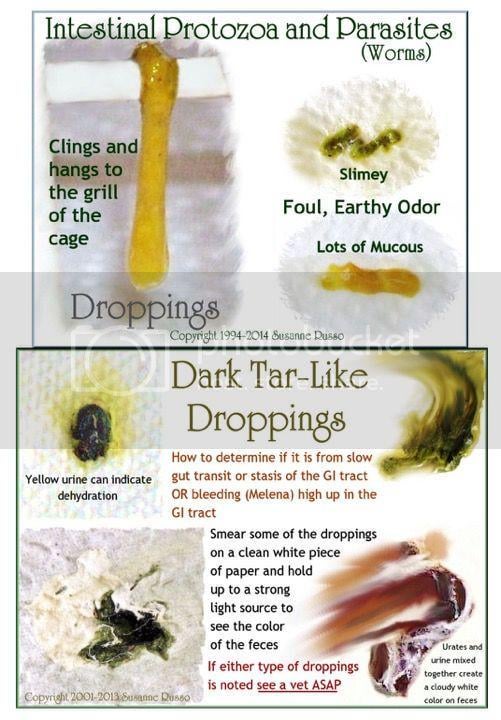
| Greenish Droppings | Signs of digestive upset |
| Loss of Coordination | Difficulty standing or flying |
| Feather Damage | Unusual feather discoloration or loss |
Effects On Water Quality
Algae in a bird bath can change the water quality. It affects the environment where birds drink and bathe.
Understanding how algae impacts water helps keep bird baths safe and clean.
Oxygen Levels
Algae produce oxygen during the day with sunlight. At night, they consume oxygen, which lowers its level in the water.
- Low oxygen harms small aquatic life in the water.
- Birds may find water less fresh if oxygen is low.
- Oxygen changes can cause bad smells from the bird bath.
Bacterial Growth
Algae give food and shelter for bacteria. This can increase harmful bacteria in the water.
| Type | Effect | Risk to Birds |
| Beneficial Bacteria | Helps break down waste | Low |
| Harmful Bacteria | Causes diseases | High |
| Pathogens | Can infect birds and other animals | Very High |
Safe Algae Removal Methods
Algae in a bird bath can look unpleasant and may cause slippery surfaces. Removing algae keeps the water clean and safe for birds. It is important to use safe methods that do not harm birds or the environment.
This guide explains safe ways to remove algae from bird baths. You will learn about manual cleaning, natural remedies, and chemical options with safety tips.
Manual Cleaning Techniques
Manual cleaning is a simple and safe way to remove algae. You can scrub the bird bath using soft tools to avoid damage. This method needs no chemicals and works well for small amounts of algae.
Use a brush or sponge with warm water to clean the surfaces. Avoid harsh scrubbing to protect the bird bath material. Rinse thoroughly to remove all algae and dirt.
- Use a soft brush or sponge
- Scrub gently to avoid scratches
- Rinse with clean water
- Clean regularly to prevent algae growth
Natural Remedies
Natural remedies can help control algae without harming birds. These options use safe ingredients that break down algae and keep water fresh. They are eco-friendly and easy to use.
Vinegar and baking soda are common natural cleaners. Adding a small amount of vinegar to the water or scrubbing with baking soda can reduce algae growth. Changing water often also helps keep algae away.
- Use diluted white vinegar for scrubbing
- Apply baking soda on algae patches
- Replace water every few days
- Place bird bath in shaded areas to slow algae
Chemical Options And Safety
Chemical treatments can remove algae faster but need careful use. Choose products made for bird baths or ponds that are safe for wildlife. Follow the instructions exactly to avoid harming birds.
Always rinse the bird bath well after using chemicals. Avoid strong bleach or harsh chemicals that can poison birds. Test products on a small area first to check safety.
- Use bird-safe algaecides only
- Follow label instructions carefully
- Rinse bird bath thoroughly after treatment
- Keep chemicals away from birds during use

Credit: uk.style.yahoo.com
Preventing Algae Growth
Algae can make your bird bath look dirty and harm birds. Stopping algae from growing keeps the water clean and safe.
Using simple steps can reduce algae and keep your bird bath inviting for birds all year.
Proper Bird Bath Placement
Place your bird bath in a spot that gets some shade. Too much sun helps algae grow fast.
Keep the bird bath away from trees where leaves and debris fall into the water. This debris feeds algae.
- Choose a shady or partly shaded area
- Keep away from overhanging trees
- Place on a stable surface to avoid spills
Regular Maintenance Tips
Clean the bird bath at least once a week to stop algae buildup. Use a brush and warm water.
Empty old water and rinse the bath well before refilling. This keeps the water fresh and clear.
- Scrub the sides and bottom weekly
- Remove leaves and dirt daily
- Refill with clean water often
Water Treatment Ideas
Use natural treatments like vinegar or baking soda to control algae. These are safe for birds.
Adding a small water fountain or dripper keeps water moving. Moving water stops algae from growing.
- Add a few drops of white vinegar when cleaning
- Try a small fountain or dripper for water flow
- Do not use chemicals that can harm birds
When To Replace Bird Bath Water
Algae can grow easily in bird baths. It is important to know when to change the water. Clean water keeps birds safe and healthy.
Changing the water regularly stops algae from spreading. This helps prevent bad smells and dirty water.
Signs Water Needs Changing
Look for green or slimy water. This means algae is growing fast. Cloudy water is a sign of dirt and germs.
If you see insects or dead leaves in the bath, it is time to replace the water. Strong bad smells also mean the water is bad for birds.
- Green or slimy water
- Cloudy or dirty water
- Dead leaves or insects inside
- Bad smell from the water
Frequency Recommendations
Change bird bath water at least twice a week. More often in hot weather to stop algae growth. Clean the bath fully every time you change water.
If many birds use your bath, change the water daily. This keeps the water fresh and safe for all birds.
- Change water 2 times per week normally
- Change daily in hot weather or heavy use
- Clean the bath when changing water
Frequently Asked Questions
Is Algae In Bird Baths Harmful To Birds?
Algae in bird baths is generally not harmful to birds. However, excessive algae can breed harmful bacteria and reduce water quality. Regular cleaning prevents health risks and keeps the water safe for birds to drink and bathe.
How Does Algae Affect Bird Bath Water Quality?
Algae consume oxygen and nutrients, which can reduce water quality. This may encourage harmful bacteria growth. Clean bird baths regularly to maintain fresh, clear water and protect birds from potential infections.
Can Algae In Bird Baths Attract More Birds?
Algae itself does not attract birds. But nutrient-rich water might draw insects, which can attract insect-eating birds. Maintaining clean water is best to support healthy bird visits and prevent unwanted pests.
What Is The Best Way To Remove Algae In Bird Baths?
Scrub the bird bath with a brush and rinse with clean water weekly. Avoid harsh chemicals that harm birds. Use natural solutions like diluted vinegar for safe algae removal.
Conclusion
Algae in bird baths can be a concern. It affects water quality. Birds might avoid the bath due to algae growth. Regular cleaning helps keep algae away. Use a brush and mild soap to clean. Fresh water attracts birds more.
Safe bird baths make gardens lively. A clean bath is a healthy bath. Watch for algae buildup and act quickly. Enjoy watching your feathered friends visit. Make your garden a welcoming place for them. Your efforts will bring nature closer.
Keep bird baths clean and inviting. Happy birdwatching!