Is It Safe to Paint Bird Baths? Best Paints, Risks, and Safe Alternatives
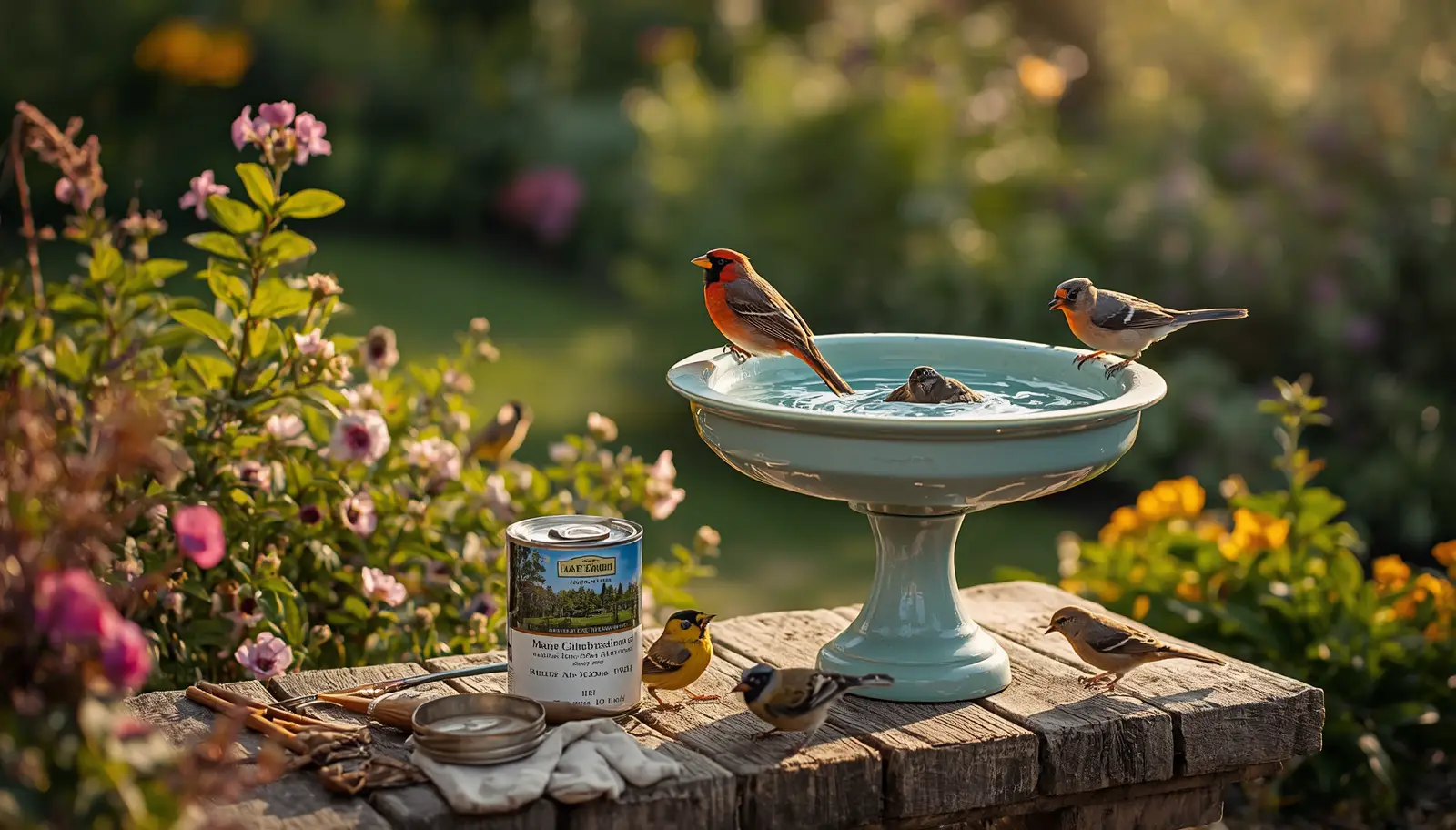
Are you thinking about brightening your garden with a splash of color by learning how to Paint Bird Baths? Before you get creative, it’s important to understand how your artistic touch could affect your feathered visitors.
You may be asking: Is it safe to Paint Bird Baths? This question goes beyond aesthetics—it’s about the health and safety of the birds that visit your garden oasis. In this guide, we’ll explore the risks, benefits, and best practices for Paint Bird Baths so you can make a safe and informed choice.
Choosing Safe Paints
Painting bird baths can add beauty to your garden. It is important to choose paints that are safe for birds. Some paints have chemicals that can harm birds. Choosing the right paint helps keep birds healthy while you Paint Bird Baths.
Non-toxic Paint Options
Non-toxic paints do not contain harmful chemicals. They are safe for birds and the environment around the bird bath.
Look for paints labeled as safe for outdoor use and non-toxic. These paints reduce risks to wildlife.
- Milk paint
- Clay-based paint
- Natural earth pigment paint
- Water-based acrylic paint labeled non-toxic
Avoiding Harmful Chemicals
Many paints have chemicals that can harm birds if they drink or touch the paint. Avoid paints with solvents and heavy metals.
Check the paint label for harmful ingredients like lead, mercury, and cadmium. These are toxic to birds and humans.
- Do not use spray paints with strong fumes
- Avoid oil-based paints with solvents
- Stay away from paints with high VOC (volatile organic compounds)
- Always let paint dry fully before placing the bird bath outside
Water-based Vs Oil-based Paints
Water-based paints use water as a thinner. They dry faster and have fewer harmful fumes.
Oil-based paints use solvents and take longer to dry. They may release harmful chemicals that birds can inhale or absorb.
- Water-based paints are safer when you Paint Bird Baths
- Oil-based paints can chip and harm birds
- Water-based paints clean with soap and water
- Oil-based paints need special solvents for cleaning
Preparing The Bird Bath
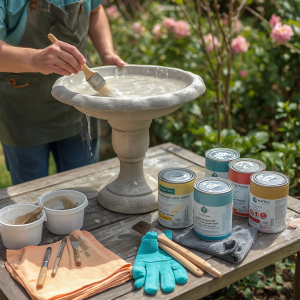
Proper preparation helps paint stick well and last longer. Clean and sand the bath before you Paint Bird Baths to ensure safety and durability.
Cleaning Before Painting
Clean the bird bath thoroughly to remove dirt, algae, and old paint flakes. Use gentle soap and water to avoid damage.
Rinse well and let the bird bath dry completely. A clean surface helps paint stick better and keeps birds safe.
- Use mild dish soap and warm water
- Scrub with a soft brush or sponge
- Rinse thoroughly with clean water
- Allow the bath to dry fully in the sun
Sanding And Priming Tips
Sanding smooths rough areas and removes loose paint. Use fine sandpaper to avoid damage to the bird bath.
Apply a non-toxic primer made for outdoor use. Primer helps paint stick and protects the surface from moisture.
- Sand lightly with 220-grit sandpaper
- Remove dust with a damp cloth
- Choose a water-based, bird-safe primer
- Apply primer evenly and let dry fully
Painting Techniques
Painting a bird bath can protect it and add color. Using the right techniques keeps the paint safe for birds.
Good painting methods help the paint last longer and look smooth. They also prevent harm to the birds that visit.
Applying Even Coats
Apply paint in thin, even layers. Thick paint can peel or trap moisture, which is bad for birds.
Use a soft brush or foam roller to spread the paint smoothly. Avoid drips and lumps for a clean finish.
- Start with a clean, dry surface
- Use light brush strokes
- Paint in the same direction
- Let each coat dry before applying the next
- Apply at least two coats for good coverage
Drying And Curing Times
Let the paint dry fully before using the bird bath. Wet paint can be harmful to birds and cause damage.
After drying, the paint needs time to cure. Curing makes the paint strong and safe for outdoor use.
- Follow the paint label for drying times
- Wait at least 24 hours before adding water
- Allow 3 to 7 days for full curing
- Keep the bird bath in a shaded, dry place while curing
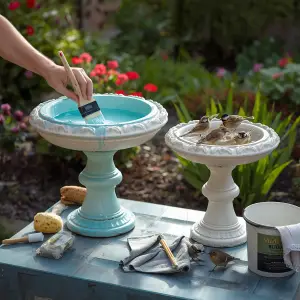
Maintaining Painted Bird Baths
Painting bird baths can add color and protect the surface. Proper care keeps the paint safe and the bath usable.
Regular maintenance helps prevent damage and keeps birds healthy. Follow simple steps to maintain your painted bird bath.
Regular Cleaning Tips
Clean the bird bath often to stop dirt and algae build-up. Use gentle methods to avoid harming the paint.
Empty the water before cleaning. Use a soft brush or cloth and mild soap. Rinse well with fresh water.
- Clean at least once a week
- Use mild soap, no harsh chemicals
- Avoid scrubbing paint off
- Rinse thoroughly to remove soap
- Refill with fresh water after cleaning
Inspecting For Paint Wear
Check the bird bath regularly for chipped or peeling paint. Worn paint can harm birds and reduce protection.
Look closely at edges and areas where water pools. Fix any damage quickly to keep the bird bath safe and attractive.
- Look for cracks, chips, or peeling
- Touch up small spots with safe paint
- Replace the bath if damage is severe
- Keep paint non-toxic and bird-safe
Alternatives To Painting
Painting bird baths can harm birds if toxic paints are used. It is better to avoid painting altogether. There are safe options to decorate and protect your bird bath.
These alternatives keep your bird bath safe for birds and still look nice in your garden.
Using Natural Sealants
Natural sealants protect your bird bath from weather damage. They also keep the surface safe for birds. These sealants do not contain harmful chemicals.
Examples of natural sealants include beeswax and linseed oil. You apply them like paint but they soak into the surface. This helps prevent cracks and water leaks.
- Beeswax creates a water-resistant layer.
- Linseed oil penetrates wood and hardens.
- Both are non-toxic and eco-friendly.
- Apply with a clean cloth or brush.
Decorative Stickers and Decals
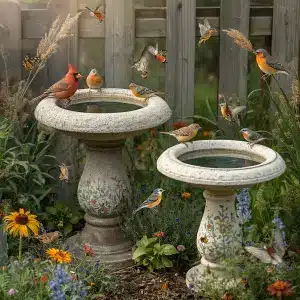
Stickers and decals add color and style without chemicals. They come in many shapes and designs. You can easily change them if you want a new look.
Choose waterproof and UV-resistant stickers. This helps them last longer outside. Make sure they do not peel into the water where birds drink.
- Safe for birds as no paint is used
- Easy to apply and remove
- Wide variety of designs available
- Can be replaced seasonally or as needed
Frequently Asked Questions
Is It Safe To Paint A Bird Bath?
Yes, it is safe to paint a bird bath if you use non-toxic, water-based paints. Avoid oil-based paints, as they can harm birds. Always ensure the paint is fully dry before refilling the bath with water to keep birds safe.
What Type Of Paint Is Best For Bird Baths?
Non-toxic, water-based acrylic paint is best for bird baths. It is safe for birds, durable, and weather-resistant. Avoid paints with harmful chemicals or lead, as these can be dangerous to wildlife and the environment.
Can Painted Bird Baths Harm Birds Or Wildlife?
Painted bird baths can harm birds if toxic paints or sealants are used. Always choose eco-friendly, non-toxic products. Proper preparation and curing of the paint also help prevent any adverse effects on birds and other wildlife.
How Do I Prepare A Bird Bath For Painting?
Clean the bird bath thoroughly and remove old paint or debris. Sand the surface lightly to help new paint adhere better. Use a primer if needed, and ensure the bath is completely dry before painting.
Conclusion
Painting bird baths can be safe with the right paint and care. Choose non-toxic, water-based paint made for outdoor use. Avoid paints with harmful chemicals that can hurt birds. Let the paint dry completely before adding water. Keep the bird bath clean and refill water often.
Painted bird baths add color and charm to your garden. Protect birds by using safe materials and regular cleaning. A little care keeps bird baths safe and inviting for wildlife. Enjoy watching birds splash and drink in a painted bath.