

Have you ever wondered how birds know exactly when and where to fly thousands of miles every year? The science behind bird migration is more fascinating and complex than you might think.
Modern bird migration science is unlocking secrets that can change the way you see these incredible travelers. You’ll discover the latest discoveries, cutting-edge technology, and surprising facts that reveal how birds navigate vast distances with stunning accuracy. Keep reading, and you’ll gain a new appreciation for the natural world and the amazing journeys birds undertake.
Tracking Migration Patterns
Bird migration is a natural event where birds travel long distances each year. Scientists track these journeys to understand migration better.
Tracking helps learn about birds’ routes, stopovers, and challenges they face on the way.
Satellite And Gps Technology
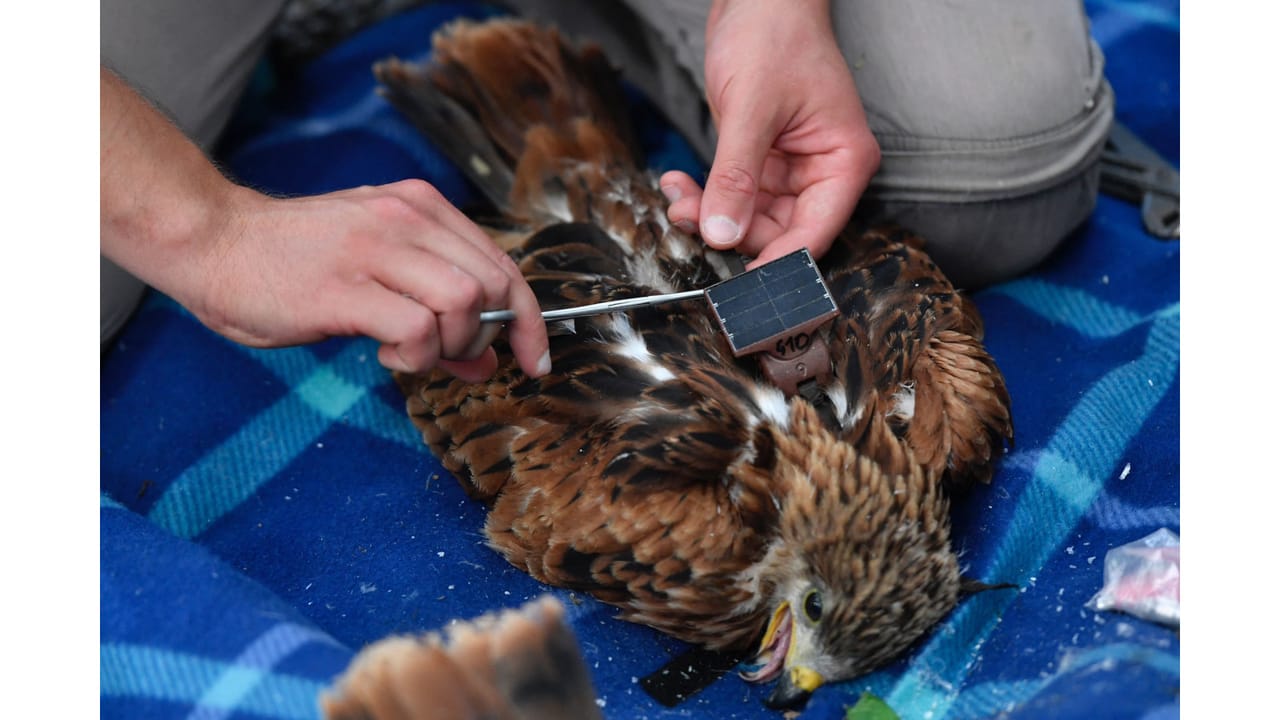
Scientists attach tiny GPS devices or satellite tags to birds. These tools send exact location data in real time.
The technology shows detailed maps of migration paths and times. It helps track even small or rare birds over long distances.
Radar And Acoustic Monitoring
Radar systems detect bird movements in the sky by bouncing radio waves off them. Acoustic tools record bird calls during migration.
- Radar tracks large flocks at night or in bad weather.
- Acoustic monitoring helps identify species by their sounds.
- Both methods cover wide areas without disturbing birds.
Citizen Science Contributions
Bird watchers and volunteers report sightings and send data to online projects. This helps gather large amounts of migration data.
| Citizen Science Project | Data Collected | Purpose |
|---|---|---|
| eBird | Bird sightings and counts | Track migration timing and routes |
| Project FeederWatch | Winter bird visits | Monitor migration end points |
| BirdTrack | Seasonal bird records | Study migration trends |
- Data Scientists emphasize "zero-counts": "While every bird sighting is valuable, the most critical data for tracking migratory timing (phenology) are the zero-counts—the days you went out looking for a specific migrant species but did not find it. This negative data helps us precisely map the start and end of a species' local migration window, allowing us to spot subtle shifts over time due to climate change. Submitting a complete checklist, even with zero sightings of a target species, is incredibly helpful."
Credit: www.designnews.com
Navigational Strategies
Birds travel thousands of miles during migration. They use special ways to find their path. These ways help them reach their home safely.
Scientists study how birds navigate. They found birds use nature's clues to guide themselves.
Magnetic Field Detection
Birds can sense Earth's magnetic field. This acts like a natural compass. It helps them know north, south, east, and west.
Special cells in birds' eyes and brains detect magnetic signals. These cells send messages to help birds stay on course.
- Magnetoreceptors in eyes sense magnetic fields
- Brain processes magnetic information for direction
- Used mainly when other cues are missing
Quantum Biophysicists identify the mechanism: "The magnetic sense in migratory birds is believed to rely on quantum entanglement within a protein called Cryptochrome found in the bird's retina. This is not like a traditional metal compass; rather, it allows the bird to literally 'see' the magnetic field lines as patterns of light and dark. This 'visual compass' provides orientation, which is then calibrated with other cues like the position of the setting sun."
Sun And Star Positioning
Birds use the sun during the day to find direction. They can tell time by the sun's position in the sky.
At night, birds look at stars to navigate. They recognize star patterns and use them as a map to travel.
- Sun helps birds with daytime navigation
- Birds adjust their path by the sun's angle
- Stars guide birds during night migration
- Birds remember star patterns in the sky
Olfactory Cues
Birds use their sense of smell to find their way. They can detect scents from the ground and air.
These smells help birds recognize familiar places. This skill is important near their nesting areas.
- Birds have strong olfactory senses
- Smells help in local navigation
- Useful when other cues are unclear
Physiological Adaptations
Bird migration requires special body changes. Birds adapt to long flights with unique physical traits. These changes help them save energy and stay strong.
Understanding these adaptations shows how birds survive tough journeys. We focus on energy, muscles, and rest during migration.
Energy Storage And Metabolism
Birds store fat before flying. Fat gives them more energy than other body fuels. Their metabolism changes to use fat well during flight.
- Fat stores increase before migration
- Metabolism shifts to burn fat efficiently
- Energy use adjusts to flying speed and distance
- Birds reduce body weight by burning fat
Muscle And Wing Changes
Flight muscles grow stronger and more efficient. Wings may change shape to improve flight. These changes help birds fly long distances without tiring.
| Adaptation | Description | Benefit |
| Muscle Growth | Increased muscle mass | More power for long flights |
| Wing Shape | Longer and narrower wings | Better lift and less energy use |
| Feather Strength | Stronger feathers | Improved flight durability |
Sleep And Rest During Flight
Birds use special sleep patterns to rest while flying. They sleep with one brain side at a time. This lets them stay alert and avoid danger.
Key sleep behaviors during migration:
- Unihemispheric slow-wave sleep: half brain sleeps
- Short rest periods on the wing
- Landing for full sleep when possible

Credit: www.allaboutbirds.org
Environmental Influences
Bird migration depends on many environmental factors. These factors affect when and where birds travel.
Understanding these influences helps scientists learn how birds adapt to changing conditions.
Climate Change Effects
Climate change changes weather patterns and temperatures. This affects bird migration timing and routes.
Warmer temperatures can cause birds to migrate earlier or later than usual.
- Shifts in temperature affect food sources along migration paths.
- Storms and extreme weather can disrupt flights.
- Changing climates may force birds to find new habitats.
Habitat Loss And Urbanization
Urban growth destroys natural habitats. Birds lose places to rest and feed during migration.
Loss of wetlands, forests, and grasslands reduces safe stopover sites.
- Buildings and roads create barriers for flying birds.
- Light pollution confuses birds during night migration.
- Noise pollution disturbs bird communication and navigation.
Food Availability And Timing
Birds need food to fuel long migrations. Food must be available at the right time.
If food appears too early or late, birds may struggle to survive the journey.
- Insects, fruits, and seeds serve as key energy sources.
- Timing mismatches can lower breeding success.
- Changes in plant blooming affect food supply for birds.
Conservation Efforts
Bird migration is a natural wonder that faces many threats. Protecting birds during migration helps keep their populations safe.
Conservation efforts focus on keeping migration routes safe and supporting birds across countries.
Protected Migration Corridors
Protected migration corridors are safe paths where birds can travel without harm. These areas have fewer dangers like hunting or pollution.
Governments and groups work to mark and protect these corridors to help birds fly safely.
- Limit construction and light pollution in corridors
- Create safe resting spots with food and water
- Monitor bird numbers to adjust protections
International Collaboration
Bird migration crosses many countries, so teamwork is key. Nations share data and plans to protect birds everywhere.
International groups organize meetings to coordinate efforts and set common rules for bird safety.
- Share tracking data of migrating birds
- Agree on hunting limits during migration seasons
- Help fund conservation projects in key areas
Public Awareness Campaigns
Educating the public helps protect migrating birds. People learn how their actions affect birds and how to help.
Campaigns use schools, media, and events to spread the message of bird conservation.
- Teach about bird-friendly lighting at night
- Promote planting native trees and shrubs
- Encourage reducing plastic and waste outdoors

Credit: www.numberanalytics.com
Frequently Asked Questions
What Technologies Track Modern Bird Migration Patterns?
Modern bird migration uses GPS trackers, satellite telemetry, and geolocators. These technologies provide precise data on routes, speed, and stopovers. They help scientists understand migration timing, behavior, and environmental impacts more accurately than traditional observation methods.
How Do Birds Navigate During Migration?
Birds navigate using Earth’s magnetic field, sun position, and star patterns. They also rely on visual landmarks and smell cues. Recent studies show that specialized brain cells help them detect magnetic fields for precise orientation.
Why Is Studying Bird Migration Important?
Studying bird migration reveals climate change effects, habitat loss, and ecological health. It aids conservation efforts by identifying critical stopover sites and migration corridors. Understanding migration helps protect bird species and maintain biodiversity.
How Has Climate Change Affected Bird Migration?
Climate change shifts migration timing, routes, and destinations for many species. Birds may arrive earlier or later, affecting breeding and food availability. These changes can disrupt ecosystems and increase species vulnerability.
Conclusion
Modern bird migration science offers fascinating insights into avian journeys. Researchers now track birds with advanced technology. This reveals their long flights and resting habits. Understanding these patterns helps in bird conservation efforts. Scientists learn how climate change affects migration.
These findings guide global conservation strategies. Bird enthusiasts can also contribute by sharing observations. Every piece of data plays a role. Together, we can protect these incredible travelers. As science advances, so does our knowledge. Bird migration remains a wonder of nature.
Let’s support efforts to preserve their journeys. A shared responsibility for future generations.


