Have you ever looked up to the sky and wondered where all those birds are headed? Spring bird migration is one of nature’s most fascinating events, and it’s happening right now.
You might not realize it, but millions of birds are traveling thousands of miles to find better weather and food. This amazing journey affects the world around you, from the flowers blooming to the sounds you hear outside. If you want to understand what’s happening above and how you can enjoy this spectacular show, keep reading.
Your next outdoor adventure could be just a birdwatch away.
Migration Patterns
Spring bird migration is a fascinating natural event. Many birds travel long distances to reach their breeding grounds. This journey follows specific patterns that help the birds survive and reproduce.
Understanding these migration patterns helps us learn about bird behavior and environmental changes. The patterns include when birds migrate, the routes they take, and what affects their travel.
Timing Of Spring Migration
Birds start their spring migration at different times. Some leave early in March, while others begin later in April or May. The timing depends on the species and the climate of their home area.
- Early migrants travel before the weather warms up.
- Mid-season migrants leave when food becomes available.
- Late migrants wait until conditions are safest.
Routes Taken By Birds
Birds follow specific routes called flyways during migration. These paths help them find food, rest, and avoid dangers. Flyways often follow coastlines, rivers, and mountain ranges.
| Flyway | Region | Key Features |
| Atlantic Flyway | East Coast North America | Coastlines and wetlands |
| Mississippi Flyway | Central North America | River valleys and forests |
| Pacific Flyway | West Coast North America | Ocean edges and mountains |
| Central Flyway | Great Plains | Open grasslands and rivers |
Factors Influencing Migration
Several factors affect bird migration. Weather, food supply, and daylight changes are important. Birds also respond to wind direction and temperature.
- Temperature changes signaling spring arrival
- Availability of insects and plants for food
- Lengthening daylight hours
- Wind patterns aiding flight
- Predator presence along routes

Credit: birdcast.info
Top Bird Species To Spot
Spring migration brings many birds to different regions. It is a great time to watch colorful and unique species. Bird watchers enjoy spotting many birds during this season.
This guide highlights some of the top birds to see. It covers warblers, raptors, waterfowl, and shorebirds. Each group has special species to look for.
Warblers And Songbirds
Warblers and songbirds are small and often brightly colored. They sing beautiful songs that fill the spring air. Many species pass through during migration.
- American Redstart – black and orange with a lively tail flick
- Yellow Warbler – bright yellow with rusty streaks
- Common Yellowthroat – olive body with a black mask
- Black-and-white Warbler – striped black and white pattern
- Eastern Towhee – black, white, and rufous colors
Raptors And Hawks
Raptors are birds of prey that soar high in the sky. Hawks and falcons hunt small animals and birds. Watch for their sharp eyes and strong flight skills.
| Species | Key Features | Where to Spot |
| Red-tailed Hawk | Reddish tail, broad wings | Open fields and highways |
| Cooper’s Hawk | Blue-gray back, long tail | Wooded areas and suburbs |
| American Kestrel | Small falcon, colorful plumage | Open fields and meadows |
| Bald Eagle | White head and tail, large size | Near lakes and rivers |
Waterfowl And Shorebirds
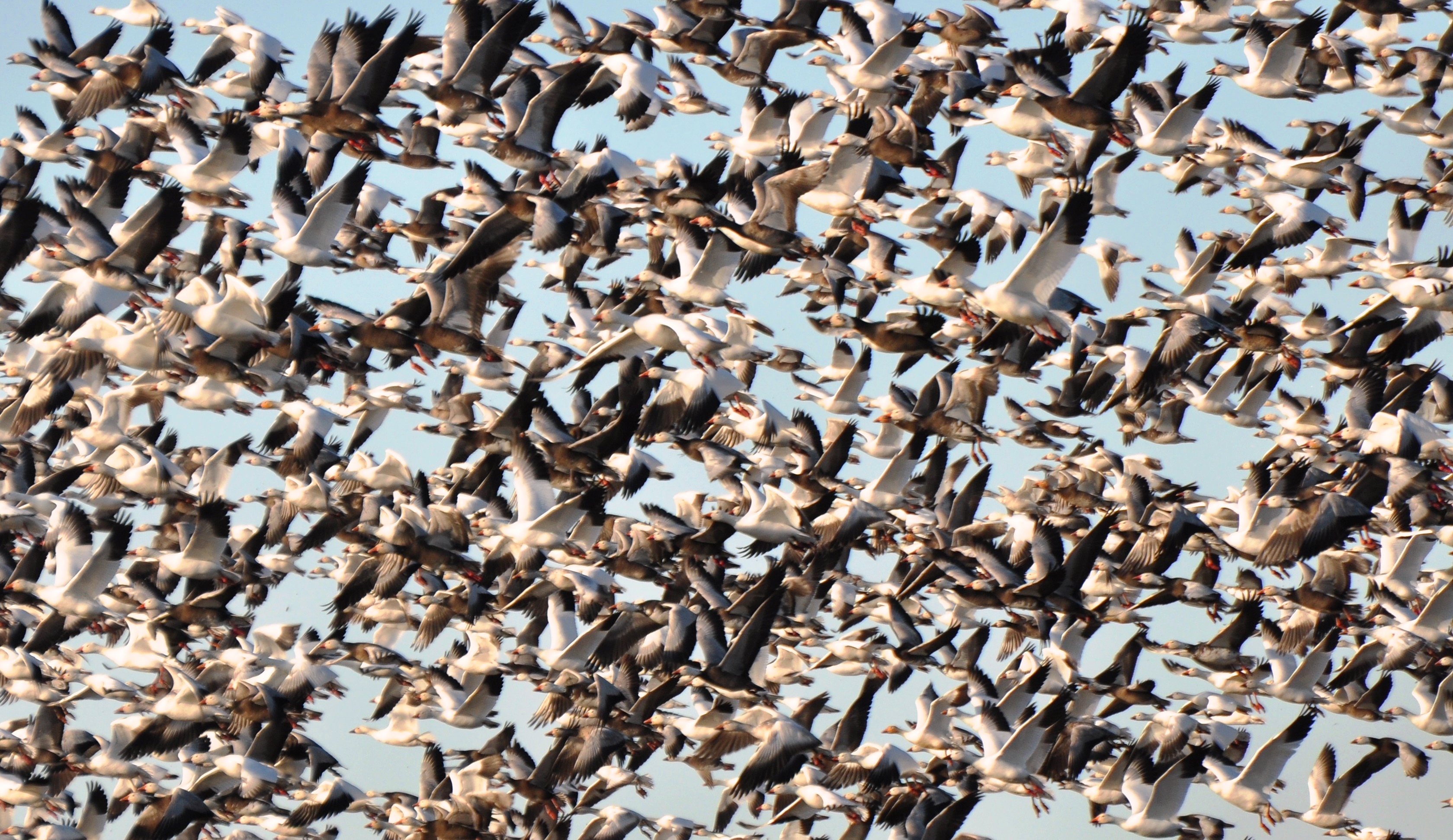
Waterfowl and shorebirds live near water and wetlands. They often gather in large groups during migration. These birds have different shapes and colors.
Some common waterfowl and shorebirds to spot in spring:
- Canada Goose – large, black head and neck
- Wood Duck – colorful with iridescent feathers
- Killdeer – brown shorebird with two black neck bands
- Sandpipers – small, long-legged shorebirds
- Great Blue Heron – tall, blue-gray wading bird
Best Locations For Viewing
Spring bird migration is a special time to see many bird species. Birds travel from warm places to cooler areas to breed.
Watching birds during migration can be exciting. Some places are famous for great birdwatching in spring.
North American Hotspots
North America has many top spots to watch spring birds. These areas attract large groups of migrating birds.
Some of the best places include coasts, wetlands, and forests. These habitats help birds rest and feed during migration.
- Point Pelee National Park, Canada – a key stopover for warblers and shorebirds
- Cape May, New Jersey – known for raptors and songbirds in spring
- High Island, Texas – famous for colorful migrants after crossing the Gulf of Mexico
- Bosque del Apache, New Mexico – great for waterfowl and cranes
- Everglades National Park, Florida – attracts tropical birds and wading birds
European Migration Corridors
Europe has busy migration routes where many birds pass in spring. These corridors connect Africa and northern Europe.
Birdwatchers visit wetlands, river valleys, and coastal areas to see large flocks and rare species.
- The Danube Delta, Romania – a top wetland for herons, storks, and pelicans
- Strait of Gibraltar, Spain – a narrow passage for raptors and storks
- Lefkada Island, Greece – known for honey buzzards and other raptors
- Vistula River Valley, Poland – important for cranes and geese
- The Camargue, France – famous for flamingos and waders
Other Global Destinations
Spring migration happens worldwide. Some places outside North America and Europe are great for birdwatching.
These locations provide unique views of birds from different continents and habitats.
- Lake Nakuru, Kenya – home to flamingos and other African migrants
- Yucatán Peninsula, Mexico – tropical birds stop here during migration
- Hokkaido, Japan – sees many waterfowl and cranes in spring
- Queensland, Australia – hosts migratory shorebirds from Asia
- Patagonia, Argentina – arrival point for some southern hemisphere migrants

Credit: www.assiniboinepark.ca
Tips For Successful Birdwatching
Spring bird migration is a perfect time to watch many bird species. You need the right tools and knowledge to enjoy this activity. This guide shares useful tips for better birdwatching during spring.
Following simple advice can help you see more birds and capture great moments. Prepare well and enjoy the beauty of migrating birds.
Essential Gear And Equipment
Bring the right gear for comfort and success. Dress in layers to adapt to weather changes. Wear neutral colors to avoid scaring birds.
- Binoculars with good zoom
- Notebook and pen for notes
- Field guide or bird identification app
- Comfortable walking shoes
- Hat and sunscreen
- Water bottle and snacks
- Camera with zoom lens
Optimal Times Of Day
Birds are most active during certain times. Early morning is the best time to see many species. Late afternoon can also be good before sunset.
| Time | Activity Level |
| Sunrise to 9 AM | High |
| 9 AM to 3 PM | Low |
| 3 PM to Sunset | Medium |
| Night | Low |
Using Binoculars And Cameras
Learn how to use binoculars and cameras for better birdwatching results. Hold binoculars steady and focus slowly. Avoid sudden movements.
Camera tips:
- Use a tripod for stability
- Choose a fast shutter speed
- Zoom gently to avoid blurry images
- Be patient and wait for the right moment
Conservation And Challenges
Spring bird migration is a vital natural event. Birds travel long distances to reach their breeding grounds.
Conserving migratory birds is important. These birds face many challenges during their journey.
Threats To Migratory Birds
Migratory birds encounter many dangers. Habitat loss and climate change are major threats.
Other dangers include pollution, collisions with buildings, and illegal hunting.
- Loss of forests and wetlands
- Changing weather patterns
- Window and tower collisions
- Use of pesticides
- Hunting and trapping
How To Support Bird Conservation
You can help protect migratory birds by creating safe spaces. Plant native trees and shrubs for food and shelter.
Avoid using chemicals in your garden. Support laws that protect bird habitats and migration paths.
- Create bird-friendly gardens
- Keep cats indoors to protect birds
- Reduce light pollution at night
- Support protected areas and parks
- Participate in local conservation groups
Citizen Science And Bird Monitoring
Citizen science helps track bird migration. People can watch and report bird sightings.
Data from many people helps scientists understand bird populations and threats.
- Join bird counting events like the Christmas Bird Count
- Use apps to record bird sightings
- Share photos and data with local groups
- Learn to identify birds and their calls
- Support projects that protect migratory routes
Credit: iawildlife.org
Frequently Asked Questions
What Is Spring Bird Migration?
Spring bird migration is the seasonal movement of birds from wintering areas to breeding grounds. It happens annually and is driven by temperature and food availability. Birds travel thousands of miles to find suitable habitats for nesting and raising their young.
When Does Spring Bird Migration Start?
Spring bird migration typically begins between February and April. The exact timing depends on the species and geographic location. Birds respond to increasing daylight and warming temperatures, signaling the start of their northward journey.
Why Do Birds Migrate In Spring?
Birds migrate in spring to access abundant food and optimal breeding conditions. Warmer weather supports insect activity and plant growth, essential for raising chicks. Migration ensures survival and successful reproduction in favorable environments.
How Do Birds Navigate During Spring Migration?
Birds use a combination of the sun, stars, magnetic fields, and landmarks to navigate. They have an internal compass and excellent spatial memory. These natural tools help them travel accurately over long distances.
Conclusion
Spring bird migration is an amazing natural event. Many birds travel long distances. They face challenges but continue their journey. Observing these birds can be a rewarding experience. It connects us with nature’s wonders. Protecting their habitats is crucial for their survival.
Every small action can make a difference. Plant trees, reduce pollution, and support conservation. These steps help keep migration routes safe. Watching birds fly across the sky brings joy. It’s a reminder of nature’s beauty and resilience. Celebrate this season and its incredible journeys.
Embrace the wonders of spring bird migration.