

Are you worried about your birds? Knowing Symptoms of Newcastle Disease in Birds helps you protect your flock.
This disease spreads fast. It causes serious harm if you catch it late. Spot the signs early to keep birds safe. Read on to learn the key warning signs. Your birds depend on you. Do not wait until it is too late.
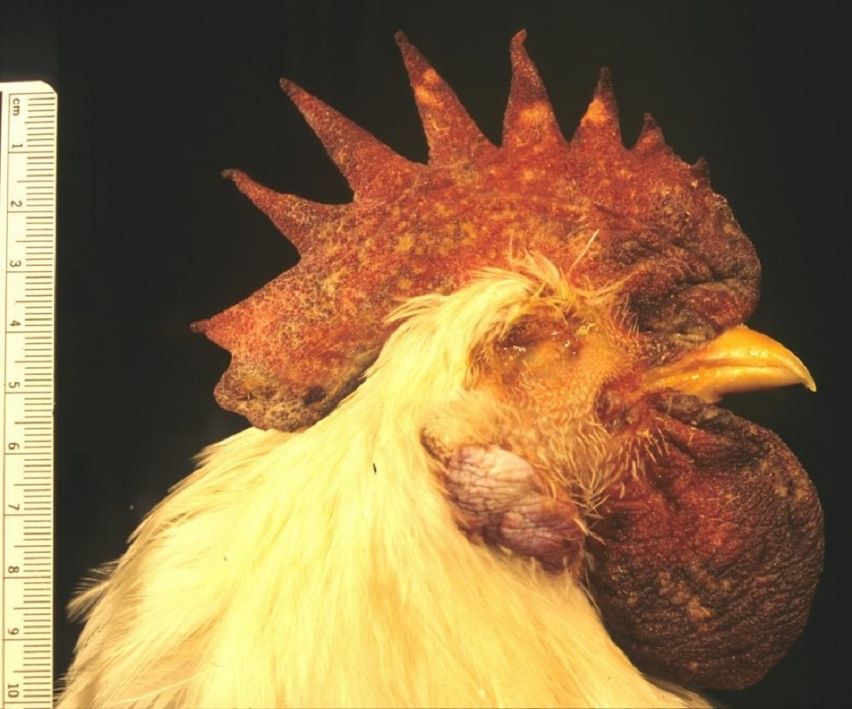
Credit: www.merckvetmanual.com
Common Physical Signs
Newcastle Disease hurts many bird types. It causes clear signs you can see. These signs help you catch it early.
Birds show issues in breathing and digestion. These signs are very important.
Respiratory Distress
Sick birds often struggle to breathe. They may gasp or breathe very fast. Noisy breathing or coughing is common.
Watery eyes often go with these issues. This shows the virus is attacking the lungs.
Rapid or hard breathing.
Constant coughing or sneezing.
Watery or cloudy eyes.
Liquid from the nose.
Swelling And Discoloration
Swelling near the head is a common sign. The face or neck may look puffy. Skin color may change too.
Dark or purple patches may appear. This happens because blood flow is poor.
Swollen eyes or face.
Puffy neck area.
Purple or dark skin patches.
Redness near the beak.
Digestive Issues
Birds may stop eating and look weak. Green or watery diarrhea is common. The droppings may smell very bad.
The virus hurts the bird’s gut. Weight loss happens fast because birds stop feeding. These are classic Symptoms of Newcastle Disease in Birds that indicate an internal infection.
Loss of appetite.
Watery or green diarrhea.
Bad-smelling droppings.
Fast weight loss.

Credit: www.youtube.com
Behavioral Changes
Newcastle Disease changes how a bird acts. Watching these changes helps you find the illness early. Behavioral signs often appear first.
Lethargy And Weakness
Sick birds look very tired. They sit still and move very little.
Slow movement.
Drooping wings.
Difficulty standing up.
General fatigue.
Loss Of Appetite
Infected birds stop eating.23 This causes poor health very quickly.
| Sign | Effect |
| Less food | Fast weight loss. |
| No eating | Weak immune system. |
| Less water | Dehydration. |
Unusual Vocalizations
Birds might make odd noises. Their normal calls change or get weak.
Hoarse or soft squawks.
Repeated sneezing sounds.
Less chirping than usual.
Sounds of distress.
Neurological Symptoms
Newcastle Disease affects the bird’s nervous system. This causes many neurological signs. Birds may show strange movements or behaviors.
These Symptoms of Newcastle Disease in Birds often worsen as the disease progresses.
Tremors And Paralysis
Tremors are shaking movements in the bird’s body. Paralysis means loss of muscle control. Birds may not move some parts of their body.
Tremors start in the legs or wings. Paralysis can be partial or complete. These signs show nerve damage from the virus.
- Shaking wings or legs
- Weakness in limbs
- Loss of movement in one or more limbs
Twisting Of Head And Neck
Birds may twist their head or neck unnaturally. This is called torticollis. It happens because the virus affects brain areas controlling muscles.
This twisting can make it hard for birds to eat or drink. It is a clear sign of neurological damage from Newcastle Disease.
- Head tilts to one side
- Neck bends in a twisted position
- Difficulty holding head up
Balance Problems
Birds may lose balance and fall. They might stagger when walking. This shows the brain is sick. This is a serious sign.
Stumbling or falling.
Trouble standing straight.
Clumsy movements.
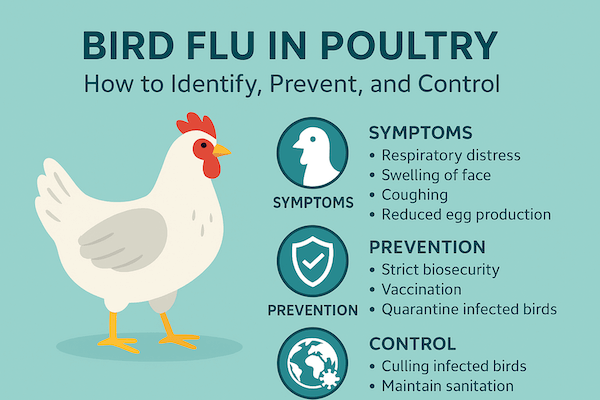
Credit: www.bivatec.com
Early Detection Techniques
Newcastle Disease affects birds quickly and can spread fast. Early detection helps stop the disease. Bird owners must watch their flocks closely for any Symptoms of Newcastle Disease in Birds.
Routine Health Checks
Check each bird every morning. Look for red eyes or breathing issues. Bright eyes show a bird is healthy.
Look for eye discharge.
Check for head swelling.
Listen for coughing.
Watch for eating changes.
Feel for lumps.
Monitoring Flock Behavior
Sick birds act differently.35 They may move slowly or sit alone.
| Behavior | What to Watch For |
| Activity | Less movement than normal. |
| Eating | Refusing all food. |
| Social | Sitting away from others. |
| Vocal | Quiet or odd calls. |
Using Diagnostic Tools
Tests confirm the disease. Use swabs to get samples. Lab tests find the virus fast.
Swab the bird’s throat.
Send samples to a vet lab.
Use rapid test kits.
Record all symptoms for the vet.
Preventive Measures
Newcastle Disease is a serious illness in birds. It spreads fast and causes many problems.
Preventing this disease helps keep birds healthy and farms safe. Use good care and follow rules.
Biosecurity Practices
Keep the bird area clean. Control who visits your birds. Wash your hands well.
Clean feeders and waterers daily.
Limit visitors to the area.
Keep wild birds away.
Wear clean boots and clothes.
Keep new birds separate for two weeks.
Vaccination Protocols
Vaccines help birds build a defense. Follow a set schedule.
| Bird Age | Dose | Frequency |
| 1 day | 0.1 ml | Once. |
| 3 weeks | 0.2 ml | Once. |
| 6 weeks | 0.5 ml | Once. |
| 6 months | Booster | Regularly. |
Isolation Of Infected Birds
Separate sick birds fast. This stops the germs from spreading.
Check birds daily for weakness.
Move sick birds to a breezy spot.
Use different tools for sick birds.
Clean the isolation area often.
Remove dead birds safely and fast.
Frequently Asked Questions
What Are the Early Symptoms Of Newcastle Disease In Birds?
Early symptoms include respiratory distress, sneezing, coughing, and nasal discharge. Birds may also show lethargy and reduced appetite.
How Does Newcastle Disease Affect Bird Behavior?
Infected birds often become weak, restless, and isolate themselves. They may show trembling, paralysis, or sudden death in severe cases.
Can Newcastle Disease Cause Neurological Signs In Birds?
Yes, neurological symptoms like twisted necks, tremors, and paralysis are common in advanced Newcastle Disease stages.
How Quickly Do Symptoms of Newcastle Disease Appear?
Symptoms typically appear 2 to 15 days after infection. Rapid onset often leads to high mortality in unvaccinated flocks.
Conclusion
Spotting Symptoms of Newcastle Disease in Birds early is vital. Look for breathing issues and tremors. Check for green diarrhea. Keep sick birds away from others.
Clean your cages often. Use good hygiene to protect your birds. Talk to a vet for help. Stay alert to keep your flock safe!



