Have you ever wondered which bird rules the skies with unmatched power and size? The largest bird of prey in the world is not just a marvel of nature—it’s a creature that can captivate your imagination and leave you in awe.
Knowing about this giant predator can change the way you see the natural world around you. Keep reading, and you’ll discover fascinating facts that will surprise you and deepen your appreciation for these incredible birds. Ready to meet the king of the skies?
Let’s dive in.
Top Contenders For Largest Bird Of Prey
Birds of prey are known for their strength and sharp vision. Some have huge wingspans and strong builds. These birds hunt other animals for food.
Many birds compete for the title of largest bird of prey. Their size can be measured by wingspan, weight, or body length.
Andean Condor
The Andean Condor has one of the largest wingspans of any bird. It can reach up to 10 feet wide. This bird lives in South America, mainly in the Andes mountains.
It uses its large wings to glide for hours. The Andean Condor feeds mostly on dead animals. It has a strong beak to tear meat.
- Wingspan: up to 10 feet (3 meters)
- Weight: 20 to 33 pounds (9 to 15 kg)
- Habitat: Andes mountains, South America
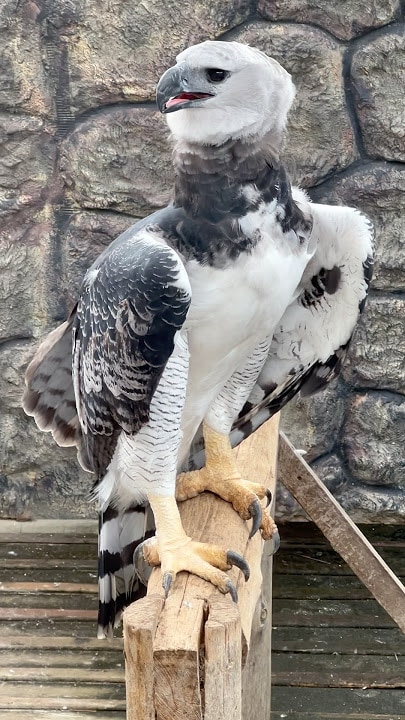
Harpy Eagle
The Harpy Eagle is one of the strongest eagles in the world. It lives in the tropical forests of Central and South America. It has powerful claws to catch large prey.
This eagle’s wingspan is smaller than the Andean Condor’s but it is heavier. The Harpy Eagle hunts monkeys and sloths in the trees.
- Wingspan: about 6 to 7.5 feet (1.8 to 2.3 meters)
- Weight: 13 to 20 pounds (6 to 9 kg)
- Habitat: Tropical forests in Central and South America
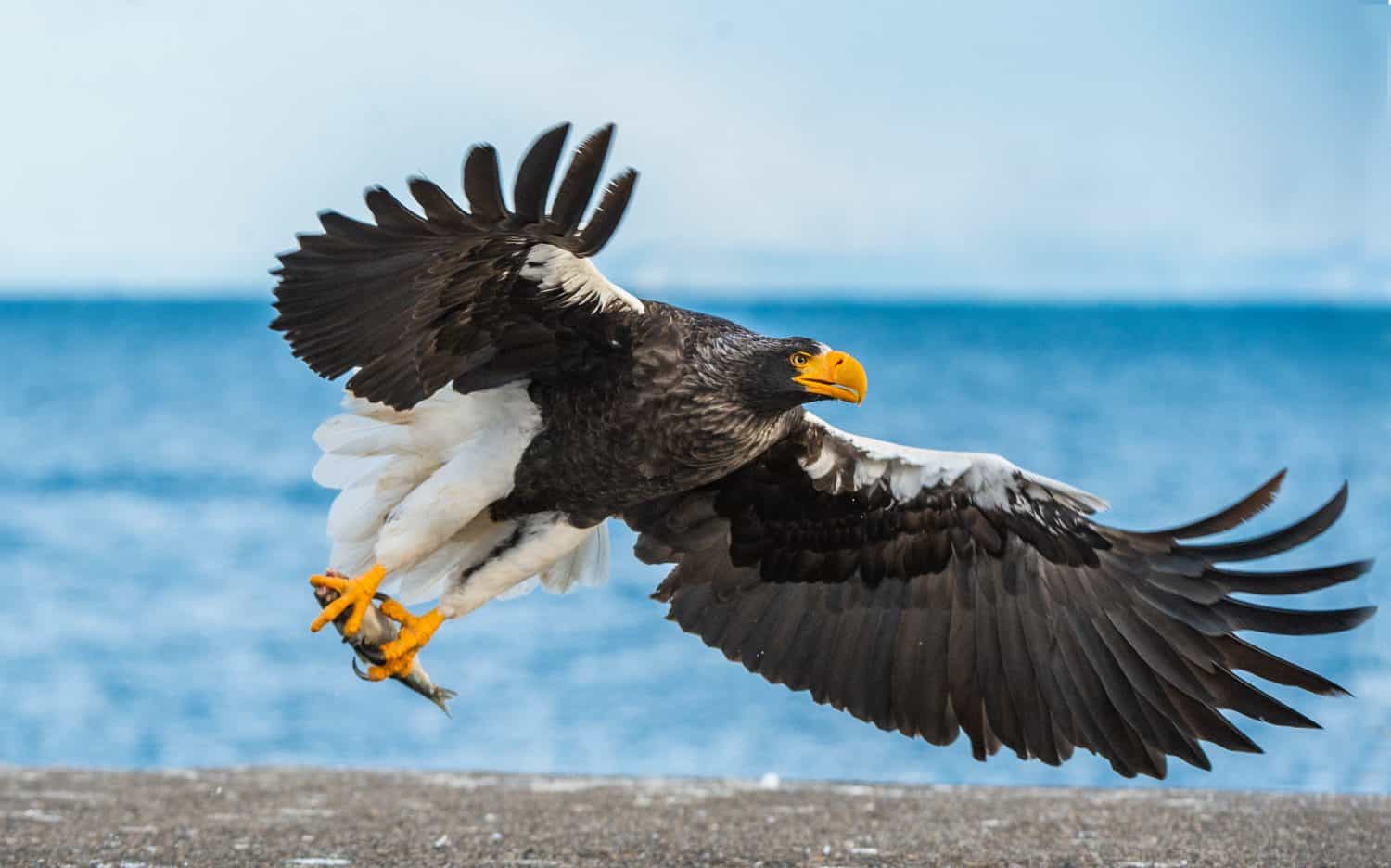
Steller’s Sea Eagle
The Steller’s Sea Eagle is one of the heaviest eagles. It lives near the coasts of Russia and Japan. This bird hunts fish and water birds.
It has a wingspan up to 8 feet and a strong yellow beak. Its large size helps it catch prey in water and on land.
- Wingspan: 6.6 to 8.2 feet (2 to 2.5 meters)
- Weight: 15 to 20 pounds (7 to 9 kg)
- Habitat: Coastal areas of Russia and Japan
Philippine Eagle
The Philippine Eagle is one of the rarest and largest eagles. It lives in the forests of the Philippines. This eagle has long feathers on its head that look like a crown.
It hunts monkeys, birds, and flying lemurs. The wingspan is smaller than some others, but the body is very strong.
- Wingspan: about 6 to 7 feet (1.8 to 2.1 meters)
- Weight: 10 to 18 pounds (4.5 to 8 kg)
- Habitat: Forests of the Philippines
Credit: a-z-animals.com
Physical Features And Adaptations
The largest bird of prey in the world has impressive physical traits. These features help it survive and hunt effectively.
Its size, strong beak, sharp talons, and flight skills make it a top predator in the sky.
Wingspan And Weight
This bird has a wingspan that can reach over 10 feet. Its weight can be up to 33 pounds.
The large wingspan helps it soar high and glide for long distances. Its weight is balanced for strong flight and power.
- Wingspan: 9 to 10.5 feet (2.7 to 3.2 meters)
- Weight: 20 to 33 pounds (9 to 15 kilograms)
Beak And Talons
The bird has a large, hooked beak. This helps it tear meat from its prey.
Its talons are sharp and strong. They allow it to catch and hold animals firmly.
- Beak: Curved and strong for cutting flesh
- Talons: Sharp, curved, and powerful for gripping prey
Flight Capabilities
This bird can fly at great heights and stay in the air for hours. It uses thermal currents to glide without much effort.
Its flight muscles are strong, allowing fast and agile movements. This helps it hunt and avoid danger.
- Soars using thermal air currents
- Can glide for long periods without flapping
- Strong flight muscles for quick turns and dives
Habitat And Distribution
The largest bird of prey in the world lives in various habitats. These habitats provide food, shelter, and nesting places.
This bird can be found in mountains, rainforests, and coastal areas. Each place offers unique conditions for survival.
Mountainous Regions
Mountainous regions offer high cliffs and open skies. These areas help the bird spot prey from far away.
They build large nests on rocky ledges. The cool air and strong winds help them soar with ease.
- High cliffs for nesting
- Wide views for hunting
- Cooler temperatures
- Strong air currents for flying
Rainforests
Rainforests provide dense trees and many animals to hunt. The bird uses tall trees for shelter and nesting.
The thick forest can make hunting harder. The bird relies on sharp eyesight and quick flying to catch prey.
- Dense tree cover for shelter
- Abundant prey like small mammals and birds
- Shady and humid environment
Coastal Areas
Coastal areas offer access to fish and sea birds. The bird often hunts near water and rocky shores.
They nest on cliffs or tall trees close to the coast. The sea breeze helps them glide while searching for food.
- Cliffs and tall trees for nesting
- Rich fishing grounds
- Open space for soaring
- Cool sea breezes
Hunting Techniques And Diet
The largest bird of prey in the world uses strong hunting skills to catch food. It feeds on a variety of animals to survive.
This bird’s hunting techniques and diet help it stay at the top of the food chain. It hunts carefully and eats well.
Prey Selection
This bird chooses prey based on size and availability. It hunts medium to large animals that it can carry.
Common prey includes mammals, birds, and reptiles. It avoids very small or too large animals.
- Rabbits and hares
- Monkeys and small mammals
- Other birds
- Reptiles like snakes
Hunting Strategies
The bird uses sharp eyesight to spot prey from far away. It flies high and dives quickly to catch food.
It can hunt alone or in pairs. Sometimes it waits quietly before attacking fast and strong.
- Soaring to locate prey
- High-speed dives
- Stealthy approach
- Cooperative hunting with mates
Feeding Habits
The bird eats fresh prey soon after catching it. It tears meat with strong beak and sharp talons.
It may store food in a safe place to eat later. Sometimes it feeds on carrion if fresh prey is scarce.
- Feeds immediately after hunting
- Uses beak and talons to tear meat
- Stores extra food
- Eats carrion when needed
Role In Ecosystems
The largest bird of prey in the world plays a key role in its ecosystem. It helps keep nature balanced and clean.
This bird’s actions affect many other animals and plants around it. Its presence supports healthy environments.
Scavenging And Clean-up
These large birds often eat dead animals. This helps remove waste from the environment quickly.
By cleaning up carcasses, they stop diseases from spreading. This keeps other animals and humans safer.
- Consume dead animals before decay
- Prevent spread of harmful bacteria
- Keep ecosystems cleaner and healthier
Population Control
The largest bird of prey helps control animal populations. It hunts weak or sick animals, which limits overpopulation.
This natural control supports the health of prey species. It stops disease and starvation caused by crowding.
- Hunts weak or slow animals
- Reduces risk of disease spread
- Supports balanced animal numbers
Cultural Significance
Many cultures respect the largest bird of prey. It often appears in stories, art, and traditions.
This bird symbolizes strength, freedom, and power. It holds a special place in the hearts of many people.
- Seen as a symbol of power and courage
- Featured in myths and legends
- Used in traditional ceremonies

Credit: www.threads.com
Conservation Status And Efforts
The largest bird of prey in the world faces threats that put its survival at risk. Conservation efforts aim to protect this majestic bird and its habitat. These efforts help keep the population stable and prevent extinction.
Many organizations and governments work together to save this bird. They focus on reducing dangers and improving living conditions for the species.
Threats And Challenges
This bird faces many threats from humans and nature. Habitat loss is a major problem due to farming and building. Pollution affects its food sources. Hunting and trapping also reduce its numbers.
Climate change changes the environment and food availability. These challenges make it hard for the bird to survive and reproduce.
- Habitat destruction from farming and logging
- Pollution of water and soil
- Illegal hunting and trapping
- Climate change affecting food supply
Protective Measures
Many laws protect the largest bird of prey. Protected areas and wildlife reserves provide safe spaces for nesting and hunting. Education programs help people understand the bird’s importance.
Scientists track the bird’s movements to learn more about its needs. Conservation groups work to stop poaching and reduce habitat loss.
- Creating wildlife reserves and protected areas
- Enforcing anti-poaching laws
- Educating local communities
- Monitoring bird populations with technology
Success Stories
Some populations of the largest bird of prey have grown thanks to conservation. Protected areas helped the birds return to old habitats. Local people now join efforts to save the bird.
These success stories show that hard work and care can help endangered animals survive.
- Population growth in protected regions
- Reintroduction programs in former habitats
- Community involvement in conservation
- Reduced illegal hunting cases

Credit: www.forbes.com
Frequently Asked Questions
What Is The Largest Bird Of Prey?
The largest bird of prey is the Andean condor. It has a wingspan of up to 10. 5 feet. This majestic bird is native to South America. It soars high above the Andes mountains. The Andean condor is a symbol of power and freedom.
How Much Does An Andean Condor Weigh?
An Andean condor can weigh between 20 to 33 pounds. This makes it one of the heaviest flying birds in the world. Its large size and weight help it glide effortlessly in the sky. The condor’s strong wings support its massive body during flight.
Where Can You Find The Andean Condor?
The Andean condor is found in South America. It primarily inhabits the Andes mountains. It can also be seen in coastal regions of Peru and Chile. These birds prefer open grasslands and mountainous areas. The Andean condor is often spotted soaring high in the sky.
What Does The Andean Condor Eat?
The Andean condor is a scavenger. It primarily feeds on carrion, which is dead animal remains. Its diet includes large mammals and livestock carcasses. The condor’s excellent eyesight helps it locate food from great heights. This bird plays a crucial role in the ecosystem.
Conclusion
The largest bird of prey shows nature’s power and beauty. Its size and strength amaze many people worldwide. Watching it soar high feels like a rare gift. This bird plays an important role in its ecosystem. Protecting it helps keep balance in the wild.
Learning about such creatures inspires respect for wildlife. Every detail, from wingspan to hunting skill, fascinates us. These birds remind us of nature’s wonder and strength. They deserve our care and attention. The largest bird of prey is truly a remarkable sight.