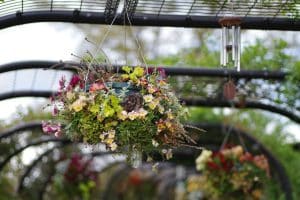
If you want to bring more life and color to your outdoor space, Tray Feeders to Attract Birds are a simple and effective way to draw birds right to your backyard. Imagine watching vibrant feathers flutter as birds gather around your garden, creating a peaceful and lively scene.
But not all feeders work the same, and choosing the right tray feeder can make a huge difference in which birds visit and how often. You’ll discover how tray feeders can turn your yard into a bird haven and learn tips to make sure your feathered friends keep coming back.
Ready to welcome nature’s beauty closer than ever? Keep reading to find out how.

Credit: www.walmart.ca
Choosing The Right Tray Feeder
Tray feeders offer an easy way to attract many bird species. Picking the right feeder helps keep birds safe and happy.
This guide covers important points to consider before buying a tray feeder for your backyard.
Materials And Durability
Tray feeders come in many materials like plastic, metal, and wood. Each type has pros and cons for weather and bird safety.
- Plastic: Lightweight and affordable, but may crack in cold weather.
- Metal: Strong and long-lasting but can heat up in the sun.
- Wood: Natural look and sturdy, but needs regular care to avoid rot.
Size And Capacity
Choose a size that fits your space and the number of birds you want to feed. A larger tray holds more food but takes more room.
| Tray Size | Best For | Food Capacity |
|---|---|---|
| Small | Few birds, small yards | Up to 1 cup |
| Medium | Average bird visits | 1 to 3 cups |
| Large | Many birds, feeding groups | Over 3 cups |
Designs That Attract Birds
Look for tray feeders with features that invite birds to feed safely and comfortably.
- Raised edges to keep seeds from spilling
- Drainage holes to avoid water buildup
- Easy to clean surfaces
- Perches or flat surfaces for birds to stand on
- Clear covers or roofs to protect food from rain
Best Locations For Tray Feeders
Tray feeders attract many birds to your garden. Choosing the right location helps keep birds safe and happy.
Good placement also makes feeding easier for you. Here are key points to consider for the best spots.
Safe Spots From Predators
Place tray feeders where cats and other predators cannot reach them. Keep feeders away from dense bushes where predators hide.
- Mount feeders on poles with baffles to block climbing animals
- Keep feeders at least 5 feet off the ground
- Avoid placing feeders near thick shrubs or low branches
- Choose open areas with good visibility for birds
Visibility For Birds
Birds prefer feeders where they can see their surroundings. Good visibility helps them spot food and watch for danger.
| Visibility Factor | Why It Matters |
| Open Space | Birds feel safe with clear views |
| Nearby Trees | Provide quick escape routes |
| Distance from Windows | Prevents bird collisions |
Accessibility For Cleaning
Clean feeders often to keep birds healthy. Place tray feeders where you can reach them easily.
Tips for easy cleaning:
- Set feeders at a comfortable height
- Keep space around feeders for tools and buckets
- Choose locations near water sources for rinsing
Selecting Food For Different Seasons
Birds need different foods during each season. Choosing the right food helps attract many bird species.
Tray feeders can hold a variety of foods. Changing what you offer keeps birds healthy year-round.
Spring And Summer Favorites
Spring and summer bring many active birds. They enjoy high-energy foods to support nesting and raising young.
- Suet cakes with insects or berries
- Sunflower seeds for energy
- Mealworms to attract insect-eaters
- Fresh fruits like chopped apples or berries
Fall And Winter Options
In colder months, birds need fat and calories to stay warm. Foods with high fat content work best.
| Food Type | Benefits | Examples |
| Seeds | High energy | Black oil sunflower, safflower |
| Suet | Rich in fat | Beef suet, nut suet cakes |
| Nuts | Energy and protein | Peanuts, chopped almonds |
| Dried Fruit | Natural sugars | Raisins, dried cranberries |
Seasonal Food Rotation Tips
Changing food regularly keeps birds coming back. Rotate foods to match their changing needs.
- Start spring with seeds and insects.
- Add fresh fruits in summer.
- Switch to high-fat foods in fall.
- Offer suet and nuts in winter.
- Clean feeders before each change.
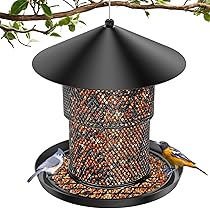
Credit: www.amazon.ca
Attracting Various Bird Species
Tray feeders offer a simple way to welcome birds to your yard. They provide open spaces where many bird types can feed comfortably.
Understanding what different birds like helps you choose the right seeds and feeder setups. This brings a variety of birds to your outdoor space.
Common Backyard Visitors
Many birds visit backyard feeders regularly. These include finches, sparrows, and cardinals. They often prefer sunflower seeds and millet.
- American Goldfinch
- House Sparrow
- Northern Cardinal
- Chickadee
- Mourning Dove
Specialty Birds And Their Preferences
Some birds have unique tastes and need special feed. Hummingbirds enjoy nectar, while woodpeckers like suet. Knowing these helps attract rare visitors.
| Bird Species | Preferred Food |
| Hummingbird | Nectar |
| Woodpecker | Suet |
| Blue Jay | Peanuts |
| Wrens | Mealworms |
| Orioles | Oranges and Jelly |
Encouraging Diversity
To attract many bird types, offer a mix of seeds and foods. Place trays in quiet areas with some tree cover. This creates a safe space for feeding.
- Use a variety of seeds like sunflower, millet, and safflower.
- Keep feeders clean to prevent disease.
- Provide fresh water nearby for drinking and bathing.
- Plant native shrubs and flowers to offer shelter and natural food.
- Change food types seasonally to match bird needs.
Maintaining Tray Feeders
Tray feeders are a great way to attract birds to your garden. Keeping them clean and safe helps birds stay healthy. Regular maintenance also makes feeders last longer.
This guide explains how to clean tray feeders, stop mold and pests, and fix or replace parts as needed.
Cleaning Routines
Clean your tray feeder often to remove old seeds and droppings. This stops disease and keeps birds safe. Use warm water and mild soap for cleaning.
Rinse well and let the feeder dry completely before adding new food. Clean at least once a week or more during wet weather.
- Empty old seeds and debris
- Wash with warm soapy water
- Rinse thoroughly to remove soap
- Dry fully before refilling
- Repeat weekly or as needed
Preventing Mold And Pests
Mold grows quickly on wet seeds and can harm birds. Keep feeders dry by placing them in shaded, airy spots. Remove leftover food daily to avoid mold growth.
Pests like ants and rodents may visit feeders. Use tray designs with barriers or baffles to stop pests. Store seed in sealed containers to keep pests away.
- Place feeders in shaded, dry areas
- Remove leftover food daily
- Use baffles or barriers on feeders
- Keep seed in sealed containers
- Check feeders for signs of pests
Repair And Replacement Tips
Check your tray feeder regularly for cracks or broken parts. Fix small damage with glue or tape designed for outdoor use. Replace parts that cannot be fixed.
If the feeder is old or damaged beyond repair, buy a new one. A sturdy feeder keeps birds safe and food dry.
- Inspect feeder weekly
- Fix small cracks or loose parts
- Use outdoor glue or tape
- Replace broken components
- Buy new feeder if damaged

Credit: www.amazon.ca
Enhancing Your Birdwatching Experience
Tray feeders bring birds closer to your home. They help you watch birds easily and safely.
Using tray feeders can make birdwatching more fun. You can see many types of birds every day.
Using Binoculars And Cameras
Binoculars help you see birds from far away. They make small details clear and sharp.
Cameras let you capture bird photos. Use a zoom lens to get close shots without scaring birds.
- Choose binoculars with good magnification (8x to 10x works well)
- Use a tripod to keep cameras steady
- Practice focusing before birds arrive
- Keep quiet to avoid scaring birds
Setting Up Feeding Stations
Place tray feeders where birds feel safe. Near trees or bushes is a good spot.
Keep feeders clean and filled with fresh seeds. This attracts more birds to visit often.
- Use a stable surface to place the tray feeder
- Check feeders daily for seed levels and cleanliness
- Offer a variety of seeds to attract different birds
- Protect feeders from strong wind and rain
Recording Bird Sightings
Keep a notebook or use an app to note bird types and numbers. This helps track which birds visit.
Write down the date, time, and weather. This information helps you understand bird habits.
- Record bird species names or descriptions
- Note how many birds come to the feeder
- Observe bird behavior and interactions
- Review records to see changes over time
Frequently Asked Questions
What Are Tray Feeders For Birds?
Tray feeders are flat, open platforms that hold bird food. They attract various bird species by offering easy access to seeds and nuts. These feeders provide space for multiple birds to feed simultaneously. They are ideal for backyard birdwatching and support local wildlife.
How Do Tray Feeders Attract More Birds?
Tray feeders attract birds by offering visible, accessible food. Birds spot the open platform easily and feel safe feeding there. Placing feeders near shrubs or trees provides shelter, encouraging visits. Regularly refilling feeders keeps birds coming back for fresh food.
What Types Of Birds Visit Tray Feeders?
Tray feeders attract seed-eaters like sparrows, finches, cardinals, and jays. Ground feeders such as doves also enjoy tray feeders. The variety depends on the food offered and your region. These feeders support both small and medium-sized bird species.
How To Maintain Tray Feeders For Bird Health?
Clean tray feeders regularly to prevent mold and bacteria buildup. Use mild soap and water, rinsing thoroughly before refilling. Remove old, wet food daily to avoid disease. Proper maintenance ensures a safe feeding environment for birds.
Conclusion
Tray feeders offer a simple way to attract birds to your yard. They accommodate various seeds and foods. Birds of all kinds will visit. Enjoy watching them. It’s a peaceful and rewarding hobby. Easy to set up and maintain. Perfect for any bird enthusiast.
You can enjoy nature right at home. Encourage your family to join in. A great way to learn about different bird species. This could become a favorite family activity. Start with a tray feeder today. See the beauty of nature unfold.
Your garden will transform into a vibrant bird sanctuary.