
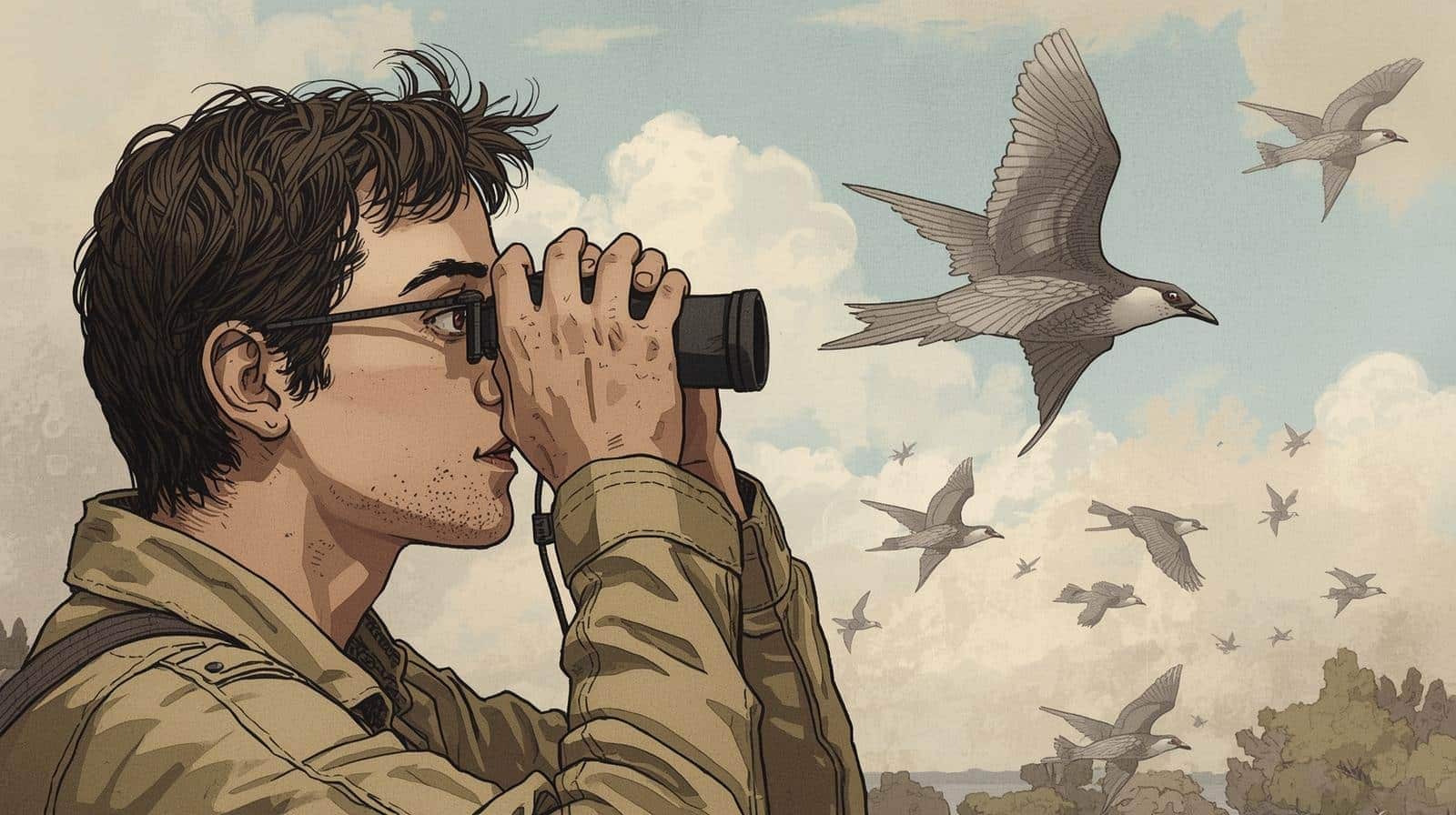
Have you ever spotted a bird in your backyard and wondered what it is or what it’s doing? You’re not alone.
Many people find themselves fascinated by the colorful world of birds. But when curiosity grows and questions arise, Bird Experts Called professionals are the ones who can answer your questions. They dedicate their lives to understanding these fascinating creatures.
But what exactly are these experts called? Knowing the right term not only helps you in conversations but also connects you to a world of knowledge and expertise. Stick around to uncover this intriguing world and discover why Bird Experts Called in the right circles can enrich your understanding of nature itself.
Bird Experts and Their Titles
Many people study birds and learn about their habits. These experts have different titles based on their work. Knowing these titles helps us understand their roles better.
This article explains common titles for bird experts. We focus on ornithologists, avian biologists, and birdwatchers. Each group plays a special part in bird study.
Ornithologists Explained
Ornithologists are scientists who study birds. They learn about bird behavior, anatomy, and migration. Their work helps protect bird species and their habitats. Bird Experts Called ornithologists often work in labs or the field, collecting data to understand bird life better.
“An ornithologist is more than just a bird lover; they are data-driven scientists. While a birdwatcher might enjoy a rare sighting, an ornithologist asks how that sighting fits into broader climate shifts or evolutionary biology. Their authority comes from rigorous peer-reviewed research and a deep understanding of avian physiology and population dynamics.”
Avian Biologists’ Role
Avian biologists focus on birds from a biology point of view. They study how birds live and interact with the environment. Their research helps with conservation efforts.
These experts may study bird diseases, breeding, or ecosystems. They use scientific tools to analyze bird health and populations. Their findings guide wildlife management.
- Study bird habitats and ecology
- Research bird health and diseases
- Help conserve endangered species
“As Avian Biologists, our work often centers on ‘One Health’—the idea that bird health is directly linked to human and environmental health. When we study avian influenza or habitat degradation, we aren’t just protecting birds; we are monitoring the health of the entire planet. This specialized expertise is vital for government policy and environmental protection.”
Birdwatchers And Their Skills
Birdwatchers are people who observe birds for fun or study. They use binoculars and field guides to identify different species.
Bird Experts Called birdwatchers often participate in citizen science projects that support research.
Identify bird species by sight and sound
Record bird sightings and behavior
Participate in citizen science projects
Credit: lafeber.com
Specialized Bird Experts
Bird experts’ study different kinds of birds and focus on specific groups.
Raptor Specialists: Study birds of prey like eagles and hawks.
Waterfowl Experts: Focus on ducks, geese, and swans.
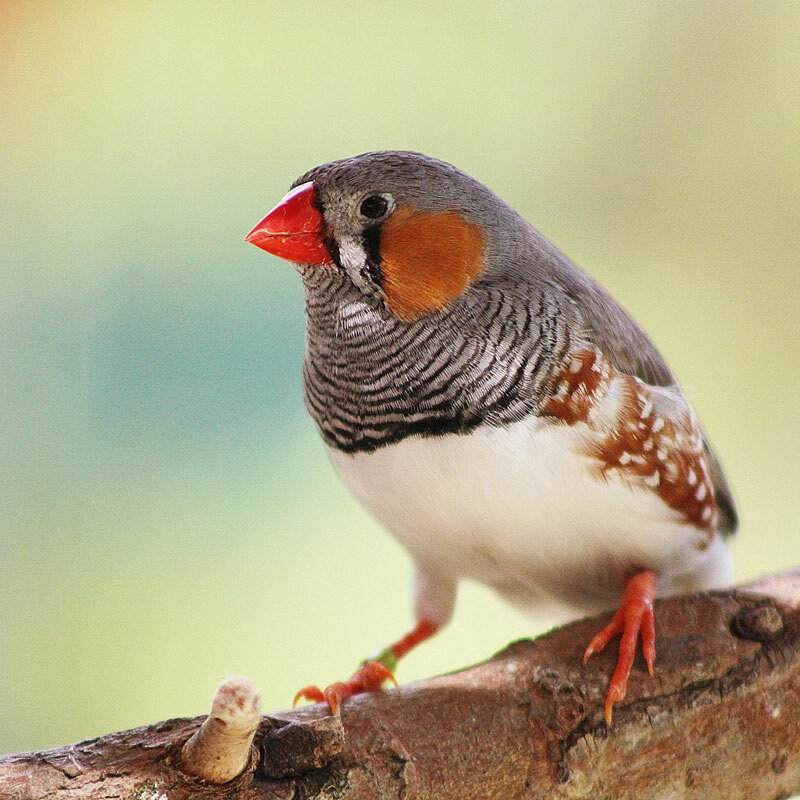
Songbird Researchers: Study small birds known for their songs.
These professionals are Bird Experts Called for their knowledge in specific bird types, providing vital information for research and conservation.
Raptor Specialists
Raptor specialists study birds of prey like eagles and hawks. They watch how these birds hunt and live.
They also help protect these important predators in the wild.
Waterfowl Experts
Waterfowl experts focus on ducks, geese, and swans. They study how these birds use lakes and rivers.
These experts look at migration patterns and breeding habits of water birds.
Songbird Researchers
Songbird researchers study small birds known for their songs. They learn about their communication and life cycles.
They also track how songbirds adapt to different environments.
Training And Education
Bird experts, also called ornithologists, study birds and their behaviors. Proper training and education help them understand bird species well.
Learning about birds involves both classroom study and hands-on experience. This helps experts gain the skills they need.
Academic Pathways
Most bird experts start with a degree in biology or environmental science. Special courses in ornithology help deepen their knowledge.
Advanced studies like a master’s or Ph.D. focus on bird research and conservation. These degrees open doors to careers in science and education.
Academic professionals clarify the distinction: “While a ‘birder’ is a skilled enthusiast, an ornithologist is defined by their methodology. Professional expertise is built on a foundation of statistics, population genetics, and experimental design. To be recognized as an authority in the field, one typically contributes to the collective body of knowledge through peer-reviewed journals, such as The Auk or The Condor, where data is rigorously scrutinized by other global experts.”
Field Experience Importance
Working in nature is key for bird experts. Fieldwork teaches them how to observe and identify birds in real life.
Many experts join research projects or volunteer for bird counts. This hands-on work improves their skills and builds confidence.
- Bird watching and tracking
- Collecting data on bird habits
- Using tools like binoculars and GPS
Certifications And Associations
Certifications can show a bird expert’s skill and knowledge. Some groups offer exams and training for these certificates.
Joining bird or wildlife organizations helps experts meet others. It gives them chances to learn and share research.
- Certified Wildlife Biologist (CWB)
- Membership in the American Ornithological Society
- Participation in local bird clubs
Credit: wildsciencesolutions.com
Tools And Techniques
Bird experts use special tools and techniques to study birds. These tools help them learn about bird behavior and movement.
Each tool has a unique purpose. Experts choose the right tool depending on what they want to find out about the birds.
Bird Banding and Tagging
Bird banding means putting a small ring on a bird’s leg. This ring has a number to identify the bird later.
Tagging can also include other markers like colored bands or tiny trackers. These help track birds’ movements and lifespan.
- Bird banding helps track migration routes.
- Tags record how long birds live.
- Experts learn about bird populations using these tools.
Federal experts explain the data’s power: “The bands placed on birds’ legs are not just markers; they are keys to a global authoritative database. Every time a bird expert ‘calls in’ a band number to the North American Bird Banding Program, it adds to a century of data. This high-trust information is what allows governments to set hunting seasons, protect specific wetlands, and declare species as endangered. It is the gold standard of wildlife evidence.”
Use Of Binoculars and Scopes
Binoculars help experts see birds clearly from far away. They are easy to carry and use in the field.
Scopes give a stronger zoom than binoculars. Experts use scopes to watch birds without disturbing them.
- Binoculars are light and portable.
- Scopes provide detailed views of distant birds.
- Both tools help identify bird species and behavior.
Acoustic Monitoring
Acoustic monitoring uses sound recorders to capture bird calls and songs. This helps study birds that are hard to see.
Experts analyze these sounds to identify bird species and track their activity over time.
- Recorders pick up bird sounds day and night.
- Sound analysis helps find rare or hidden birds.
- It is useful in dense forests or large areas.
Careers In Bird Studies
People who study birds are often called ornithologists. They learn about bird behavior, biology, and habitats. Bird experts work in many jobs that help protect birds and their homes.
Bird studies offer many career paths. These include research, conservation, and ecotourism. Each path helps us understand and care for birds in different ways.
Research Opportunities
Research is a key part of bird studies. Scientists watch birds to learn how they live and survive. They study bird migration, breeding, and feeding habits.
Researchers work in labs, universities, or in the wild. They collect data to help protect bird species and their environments.
Conservation Roles
Conservation workers help save birds and their habitats. They create plans to protect endangered species. They also restore places where birds live.
Many works for government groups or wildlife organizations. Their goal is to keep bird populations healthy and growing.
- Protect habitats from damage
- Monitor bird populations
- Educate the public about birds
Ecotourism And Guiding
Ecotourism involves traveling to see birds in nature. Guides help tourists find and identify bird species. They teach visitors about birds and their roles in nature.
Guides work in parks, reserves, and natural areas. This job supports bird conservation by raising awareness and funds.
- Lead birdwatching tours
- Share knowledge about birds
- Promote bird-friendly practices
Credit: apps.apple.com
Frequently Asked Questions
What Is the Name for Bird Experts?
Bird experts are called ornithologists. They study birds’ behavior, biology, and ecology. Ornithologists contribute to bird conservation and research worldwide.
How Do Ornithologists Study Birds?
Ornithologists observe birds in their natural habitats. They use tools like binoculars, cameras, and tracking devices. They also analyze bird calls and migration patterns.
What Skills Do Bird Experts Need?
Bird experts need knowledge of biology and ecology. They must identify bird species accurately. Skills in data collection and analysis are crucial for research.
Where Do Bird Experts Typically Work?
Bird experts work in universities, research institutions, and wildlife organizations. They also work in conservation agencies and environmental consulting firms.
Conclusion
So, what are bird experts called? Simply put, Bird Experts Called ornithologists. They study birds closely, contribute to research, and help protect their habitats. Understanding these experts shows just how special birds are and highlights the importance of conservation.
Next time you see a bird, remember the professionals behind the scenes—Bird Experts Called to ensure birds thrive in the wild.



