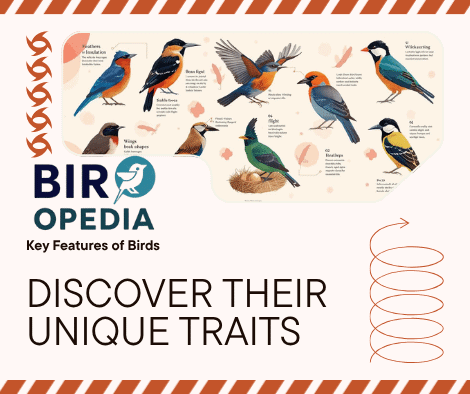
Have you ever watched a bird fly? It makes you wonder why they are so special. Birds are amazing animals. They have features that set them apart.
They have bright feathers and beautiful songs. Everything about a bird helps it live and stay beautiful. What are the Key Features of Birds? We will look at their essential traits now.
You may be a new bird watcher. Or you might just love nature. Learning about birds will help you appreciate them more. Ready to dive into the world of these winged wonders? Keep reading to learn their secrets.
Credit: animal-pedia.org
Physical Traits
Birds have unique physical features. These features help them live everywhere. They have feathers, beaks, wings, and special body shapes.
Each part helps birds survive. It affects how they move and find food. Understanding these features teaches us about bird life.
Feathers and Plumage
Feathers cover birds for warmth. They also keep birds dry. Feathers help birds fly. They show colors to attract mates or to hide.
Birds use different feather types. You have flight feathers and down feathers. Contour feathers shape the body. Each type has a specific job.
Flight feathers help birds fly and glide.
Down feathers trap heat for warmth.
Contour feathers shape the body and add color.
Beak Shapes and Functions
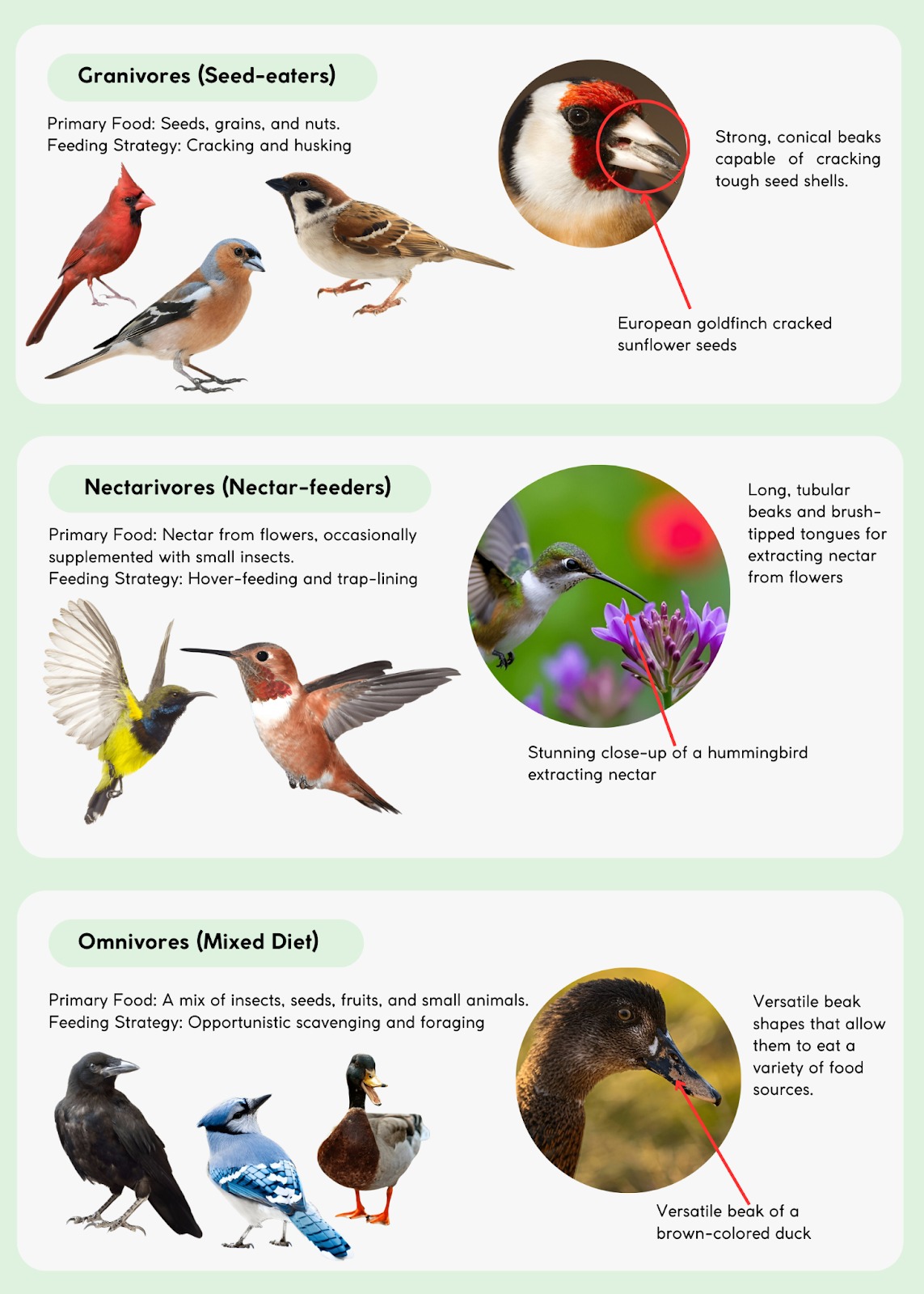
Bird beaks come in many shapes. The shape fits what the bird eats. It also matches how they get food.
Some beaks are strong for cracking seeds. Others are long and thin. They catch bugs or sip flower nectar.
Hawks use hooked beaks to tear meat.
Ducks use flat beaks to filter food from water.
Hummingbirds use long beaks for reaching flowers.
Wing Structure and Flight
Bird wings have bones and muscles. They are built just for flying. The wing’s shape changes how the bird flies.
Some birds have broad wings for soaring. Narrow wings help others fly fast. They make quick, sharp turns.
Broad wings help birds glide far away.
Narrow wings let birds turn fast and sharply.
Strong muscles power the flapping flight.
Body Size and Shape
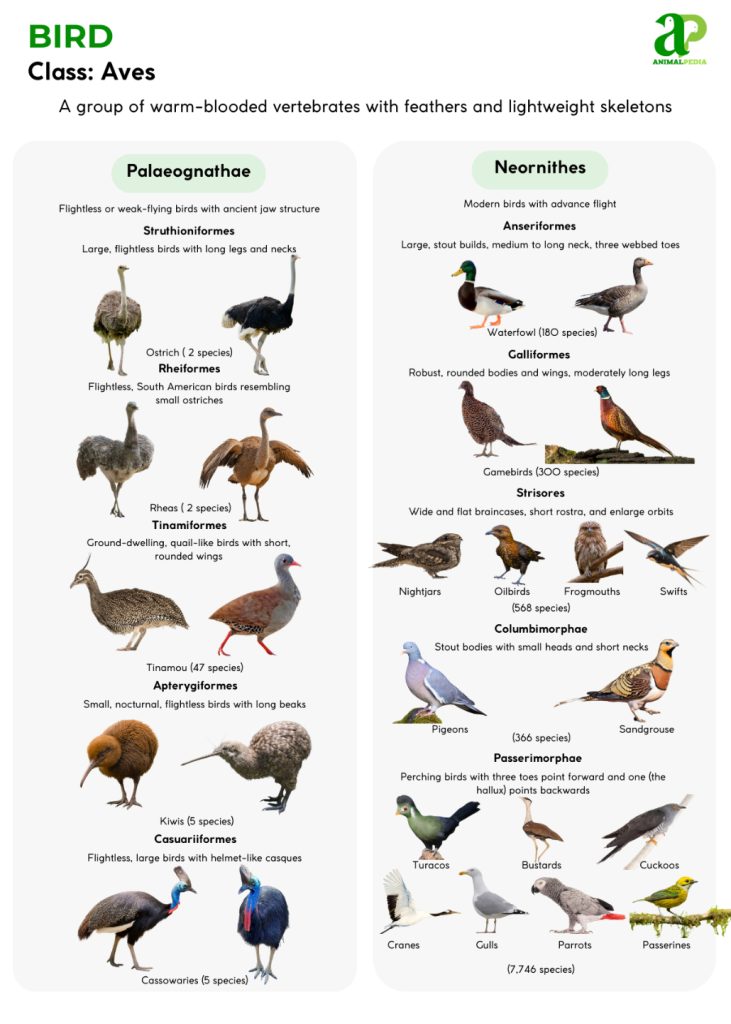
Birds range from tiny hummingbirds to huge ostriches. Their body shape fits their way of life.
Sleek bodies help birds swim or fly fast. Round bodies help them stay warm and steady.
Small bodies help birds move quickly and hide.
Large bodies store energy for long flights.
Body shape matches their habitat and food needs.
Credit: animal-pedia.org
Body Systems (Physiological Traits)
Birds have special body systems. These help them live and fly well. Their systems work together. They support the bird’s high energy use.
Learning about these systems explains bird survival. They help birds live in many kinds of places.
Breathing System
Birds have a super-efficient breathing system. They use special air sacs. These sacs move air through the lungs.
This system keeps fresh air flowing. Air moves when they breathe in and breathe out. This helps birds get more oxygen.
Air sacs move air one way through lungs.
This gives constant oxygen during flight.
It supports their high energy needs.
Blood System (Circulatory)
Birds have a strong system. They have a four-chambered heart. This heart keeps oxygen-rich and poor blood separate.
This system quickly sends oxygen to muscles. It helps birds stay active. They can fly very long distances.
Four chambers keep the blood from mixing.
Fast blood flow supports high energy use.
This also helps control body temperature.
Temperature Control (Thermoregulation)
Birds keep their body temperature steady. They use feathers to trap heat. This helps them stay warm.
Birds also cool down by panting. They spread their wings too. This helps them live in hot or cold places.
Feathers work like a warm blanket.
Panting helps them release extra heat.
Birds move their feathers to control warmth.
Making Babies (Reproductive)
Birds have special parts for making babies. Most birds lay eggs with a hard shell. The shell protects the baby bird inside.
They usually build nests. Nests keep the eggs safe and warm. They wait until the eggs hatch.
Hard shells protect the young eggs.
Nests give a safe place for the eggs.
Parents feed and warm the young after they hatch.
Bird Actions (Behavioral Features)
Birds show many actions. These help them survive and live together. They move, build homes, talk, and hunt.
Knowing their behavior helps us learn their lives. It shows how they adapt to different places.
Moving Long Distances (Migration)
Many birds travel far in certain seasons. This journey is called migration. They fly to warmer spots. They look for food and better living conditions.
Birds use the sun and stars to navigate. They also sense the Earth’s pull. Migration helps them live through bad weather.
Building Nests and Raising Young
Birds build nests to protect their eggs. They use twigs, leaves, mud, or feathers. Each bird builds a unique nest.
Parent birds take care of their young. They feed them and keep them warm. They teach chicks to find food and fly.
Talking (Communication)
Birds use sounds to talk to each other. Singing attracts a mate. It also protects their space. Calls warn of danger or signal food.
Every bird species has its own song. Some birds can even copy sounds from nature.
How They Eat
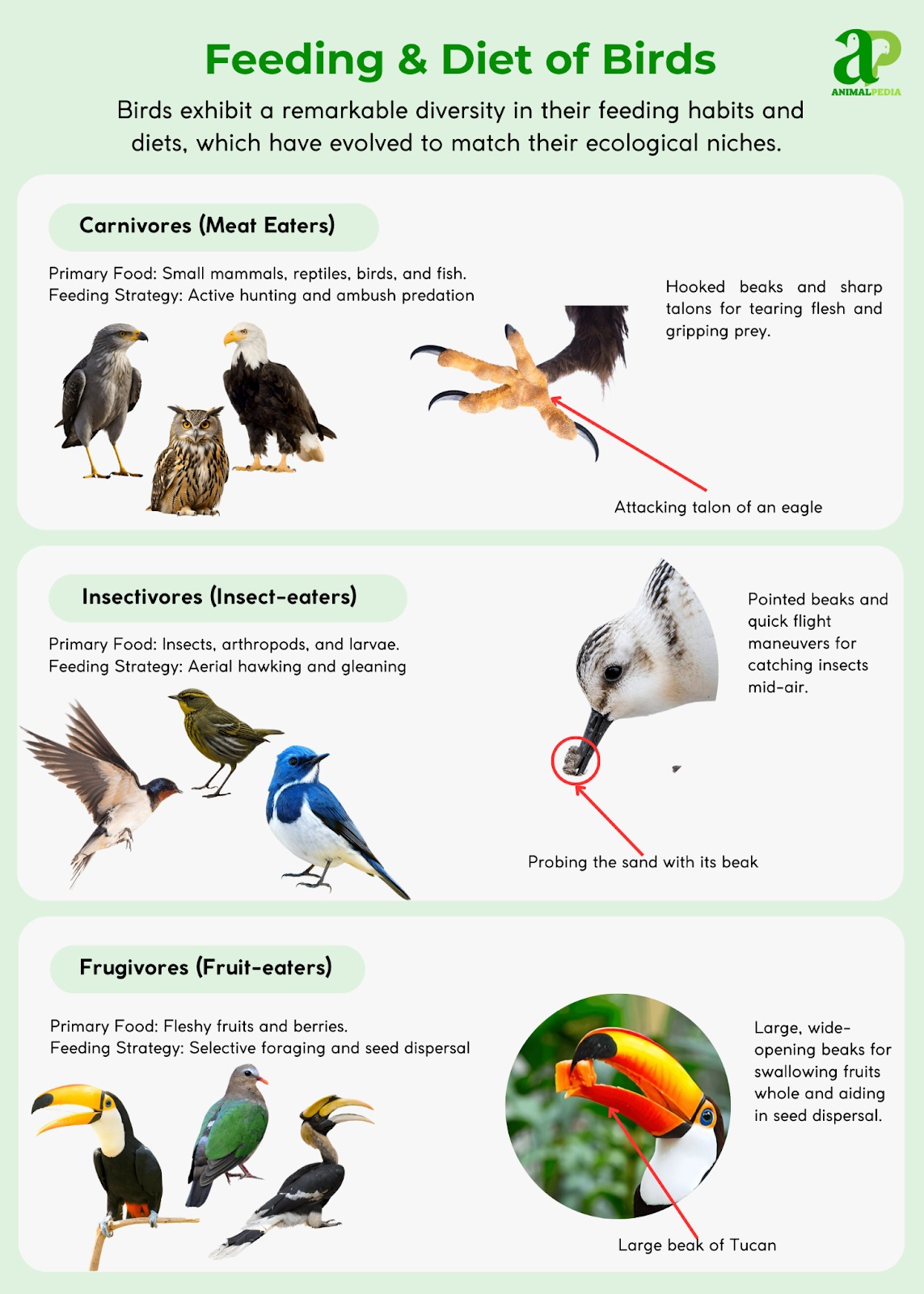
Birds eat many kinds of food. Some eat seeds, bugs, fish, or nectar. Their beak shape helps them get the right meal.
Birds search for food on the ground. They also look in trees or water. Some hunt alone. Others eat in large groups.
Bird Senses (Sensory Abilities)
Birds have strong senses. These help them survive and find food. Their senses are vital for daily life.
These senses help birds see and hear well. They guide birds in different places easily.
Seeing Color (Vision)
Birds see much better than we do. They see sharp details. They spot small things far away.
Birds also see more colors than humans. They see UV light. This helps them find food and mates.
Sharp vision helps them spot food.
They can see UV light and more colors.
Eyes on the side give a wide view.
Hearing
Birds have a strong sense of hearing. They use sound to talk. They also use it to spot danger.
Some birds hear sounds we cannot hear. This helps them find food or avoid danger.
They hear both high and low sounds.
Hearing helps them find mates and rivals.
They detect danger using sound.
Finding the Way (Navigation)
Birds have amazing map skills. They travel long distances when they migrate. They always find their way home.
They use the sun, stars, and landmarks. They also sense the Earth’s pull to guide their flight.
Birds use the sun and stars for direction.
They can feel Earth’s magnetic pull.
They remember the look of the land.
Nature’s Helpers (Ecological Roles)
Birds play many vital roles in nature. They help keep our ecosystems healthy. They keep the natural balance.
They work with plants and animals. This supports life all over the planet.
Helping Plants
Many birds help plants grow. They move pollen from flower to flower. This helps plants create seeds.-
Birds also eat fruit. They carry seeds to new places in their waste. This helps new plants grow far away.
Hummingbirds move pollen while feeding.
Fruit-eating birds spread seeds this way.
Seed dispersal helps plants reach new areas.
Hunting and Being Hunted
Birds are part of food chains. They can be hunters or food for others. This helps control animal groups.
Birds of prey catch bugs and small animals. This keeps those populations from growing too large.
Owls and hawks hunt small bugs and mice.
Smaller birds feed larger animals.
These links keep nature in balance.
Living in Different Places
Birds live in many places. Think of forests, deserts, and wetlands. They change their habits to survive in each spot.
These changes help birds find food. They build nests and avoid threats.
Water birds have webbed feet to swim well.
Birds in cold areas have thick, warm feathers.
Forest birds use color to hide from danger.
Credit: animal-pedia.org
Frequently Asked Questions
What are the main physical parts of a bird?
Birds have feathers, beaks, and wings. Their bones are light. They burn energy fast. This helps them fly and survive.
How do feathers help birds?
Feathers keep them warm and help them fly. They attract mates. They also protect birds from bad weather. Feathers are vital for life.
Why are bird bones light?
Light bones lower the bird’s weight. But they stay strong. This makes flying easier. It saves the bird energy.
Why do bird beaks look so different?
Bird beaks change based on food and habitat. Some are sharp for hunting. Others are flat for straining water. They fit diverse ways of eating.
The Big Picture (Conclusion)
Birds have many special features. Feathers help them fly and stay warm. Strong beaks and sharp eyes help them find food. They build nests to keep eggs safe. Singing and traveling far shows their great intelligence.
Learning these traits helps us enjoy birds more. Nature’s design is simple, yet truly amazing. Watching birds teaches us about life. It shows us nature’s perfect balance. Birds are indeed amazing animals worth studying.