Unsettling Discovery: What are the Tiny Worms in My Bird Bath?
Have you ever looked into your bird bath and noticed tiny worms wriggling around? It can be unsettling to see these little creatures in the water meant for your feathered friends. You might be wondering What are the Tiny Worms in My Bird Bath, if they’re harmful, and how to get rid of them. Understanding these tiny worms is important for keeping your bird bath clean and safe. Keep reading, and you’ll discover exactly what these worms are, why they appear, and simple steps you can take to stop them from coming back. Your birds—and your peace of mind—will thank you.
Common Tiny Worms In Bird Baths
Bird baths often attract tiny worms that live in the water. These worms are usually harmless but can be surprising to see.
Understanding what types of worms appear and how they get there helps keep your bird bath clean and safe for birds.
Types Of Worms Found
Several tiny worm types can live in bird baths. These worms are small and often hard to see clearly.
Common examples include:
- Planaria: Flatworms that move slowly in water
- Nematodes: Small roundworms found in moist places
- Detritus Worms: Worms that feed on decaying matter
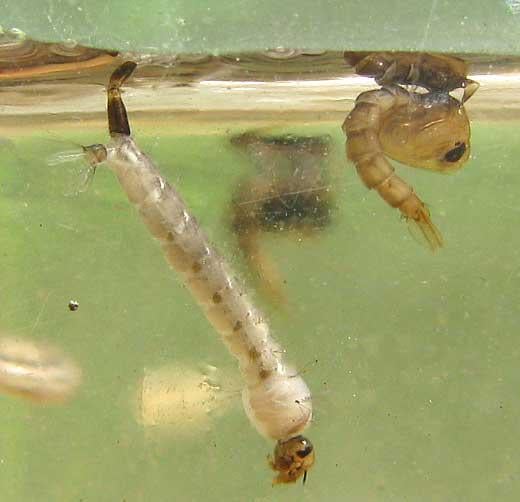
- Bloodworms: Red worms often seen in stagnant water
How They Get There
Tiny Worms in My Bird Bath reach the water through various organic materials. They can arrive in many ways, such as:
Rainwater carrying worm eggs or larvae
Birds bringing worms on their feathers or feet
Wind blowing in organic debris with worm eggs
Nearby soil or plants containing worms
Why Worms Appear In Bird Baths
Tiny worms often show up because of environmental factors. These worms are small and can be hard to see. Understanding why they appear is the first step toward better bird bath maintenance.
Environmental Factors
Worms thrive where there is moisture and organic matter. Bird baths create a wet environment that attracts tiny worms. Leaves, dirt, and dead insects in the water add food for worms.
Nearby plants and soil also affect worm presence. Worm eggs or larvae can enter the water from surrounding areas. Wind and rain help move these tiny creatures into the bath.
- Moist soil around the bird bath
- Fallen leaves and debris in water
- Nearby plants providing organic matter
- Wind or rain carrying worm eggs
Water Conditions
Stagnant water encourages worm growth. Worms prefer still water with low flow. Warm temperatures speed up worm development. Clean water with no food source usually has fewer worms. Worms also grow in water that is not changed often. Old water collects dirt and organic matter, creating a good home for worms in bird water.
Stagnant, still water
Warm water temperature
Water not changed regularly
Presence of dirt and organic waste
Nearby Wildlife Influence
Birds and other animals can bring worms to the bath. Birds may carry worm eggs on their feet or feathers. Small animals and insects also add debris and eggs to the water.
Wildlife activity increases the chance of worms appearing. More animals mean more organic matter and eggs in the bird bath.
- Birds carrying worm eggs
- Insects dropping organic debris
- Small animals disturbing the water
- Increased wildlife activity nearby
Risks Of Worms In Bird Baths
While many are harmless, some mosquito larvae in bird bath water can cause problems for birds. Knowing the risks helps keep birds safe and healthy around your water feature.
Impact On Bird Health
Worms in bird baths can harm birds in several ways. Birds may swallow the worms while drinking or bathing.
- Worms can cause digestive issues in birds.
- Some worms may lead to malnutrition by blocking nutrients.
- Infected birds may lose energy and appear weak.
- Severe infections can cause death in small or young birds.
Potential Spread Of Disease
Worms in bird water can carry germs and spread diseases. Birds sharing the same water can infect each other.
| Disease | Cause | Effect on Birds |
| Avian Malaria | Parasites carried by worms | Weakness, breathing trouble |
| Coccidiosis | Protozoa linked to dirty water | Diarrhea, weight loss |
| Salmonella | Bacteria on contaminated surfaces | Infection, death in severe cases |
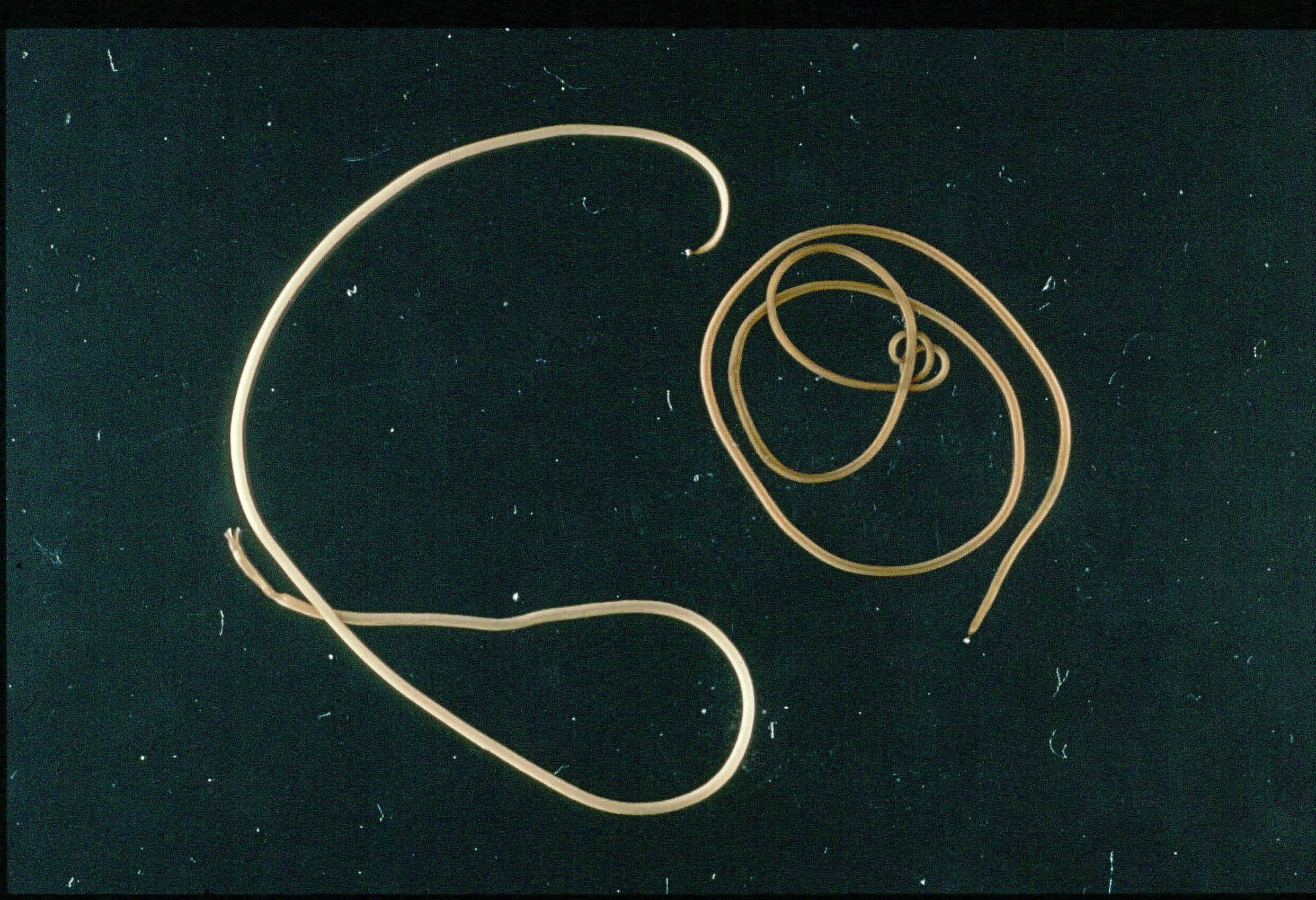
Credit: owlcation.com
Preventing Worm Infestations
Tiny worms in bird baths come from stagnant water and organic debris. These pests can bother birds and affect water quality. Preventing infestations is a core part of bird bath maintenance. Simple actions help stop worms from growing. You can change cleaning habits, treat the water, and adjust the bird bath design.
Regular Cleaning Tips
Cleaning your bird bath often removes eggs and larvae before they grow. Use these tips for regular maintenance.
- Empty the bird bath weekly to prevent water stagnation.
- Scrub the basin with a brush to remove slime and dirt.
- Use mild soap and rinse thoroughly to avoid chemicals harming birds.
- Remove leaves, twigs, and other debris daily.
- Refill with fresh water after cleaning.
Water Treatment Options
Treating water slows worm growth and keeps water fresh. Try these safe treatments for your bird bath.
| Treatment | Effect | Notes |
| Apple cider vinegar | Reduces larvae | Use 1 tablespoon per gallon |
| Hydrogen peroxide | Kills bacteria and larvae | Use dilute solution, rinse well |
| Bleach solution | Disinfects basin | Use very diluted, rinse fully |
| Water agitator | Prevents standing water | Use small fountain or bubbler |
Design Changes To Discourage Worms
Changing the bird bath’s design can stop worms from settling. Here are some ideas to keep water moving and clean.
- Choose bird baths with shallow basins to avoid standing water.
- Install a small fountain or dripper to keep water flowing.
- Use materials that heat quickly to dry water faster.
- Place the bird bath in sunlight to reduce moisture and larvae growth.
- Avoid areas with heavy leaf fall or dirt that can pollute water.
Safe Removal Methods
Tiny worms in your bird bath can be unsettling. These worms are often harmless but need removal to keep water clean. Safe removal keeps birds healthy and prevents worm return.
Use gentle and effective ways to remove these worms. This guide covers manual techniques, natural remedies, and careful use of chemicals.
Manual Removal Techniques
Manual removal is the safest way to clear worms from your bird bath. It avoids chemicals and keeps the environment natural.
Start by emptying the bird bath. Use a fine mesh net or a small scoop to remove the worms. Scrub the basin with a brush to clean any eggs or larvae.
- Empty water completely
- Scoop or net out visible worms
- Scrub basin with a soft brush
- Rinse well with clean water
- Refill with fresh water
Natural Remedies
Natural remedies use safe substances to discourage worms. These options protect birds and the environment.
Adding a small amount of apple cider vinegar to the water can change the pH and reduce worm presence. Adding a few drops of lemon juice works similarly. Regularly changing the water helps stop worms from settling.
- Add 1-2 teaspoons of apple cider vinegar
- Use a few drops of lemon juice
- Change water every 2-3 days
- Keep the bird bath clean and dry when not in use
Chemical Solutions And Precautions
Chemical treatments can remove worms but must be used carefully. Some chemicals harm birds and other wildlife.
If you choose chemicals, select bird-safe products. Follow instructions exactly. Avoid strong pesticides or insecticides in the bird bath water. Rinse the bath thoroughly before refilling with fresh water for birds.
- Choose bird-safe chemical treatments
- Read and follow all product instructions
- Do not use harsh pesticides or insecticides
- Rinse bath well after treatment
- Keep chemicals away from birds during use

Credit: www.reddit.com
Maintaining A Healthy Bird Bath
Bird baths attract many birds to your garden. Tiny worms can appear in the water. These worms usually come from mosquito larvae or other small insects.
Keeping your bird bath clean helps protect birds from disease. It also keeps the water fresh and inviting for your feathered friends.
Routine Maintenance Schedule
Regular cleaning stops tiny worms from growing in your bird bath. Changing the water often is important. Use a brush to scrub the basin weekly. Remove any leaves or dirt.
- Empty old water every 3-4 days
- Scrub the basin with a mild soap solution
- Rinse thoroughly to remove soap
- Refill with fresh, clean water
- Check for cracks or damage
Encouraging Beneficial Insects
Some insects help keep the water clean by eating mosquito larvae. Dragonflies and damselflies are good examples. They control tiny worms naturally. Plant native flowers near your bird bath to attract these insects.
Plants that attract beneficial insects:
- Milkweed
- Lavender
- Marigold
- Yarrow
Seasonal Adjustments
Season changes affect your bird bath care. In summer, water evaporates fast. You need to refill more often. In winter, remove the bath if it freezes. Or use a bird bath heater to keep water liquid.
| Season | Care Tips |
| Spring | Clean and refill weekly |
| Summer | Change water every 2-3 days |
| Fall | Clear leaves and debris often |
| Winter | Use heater or remove bath |
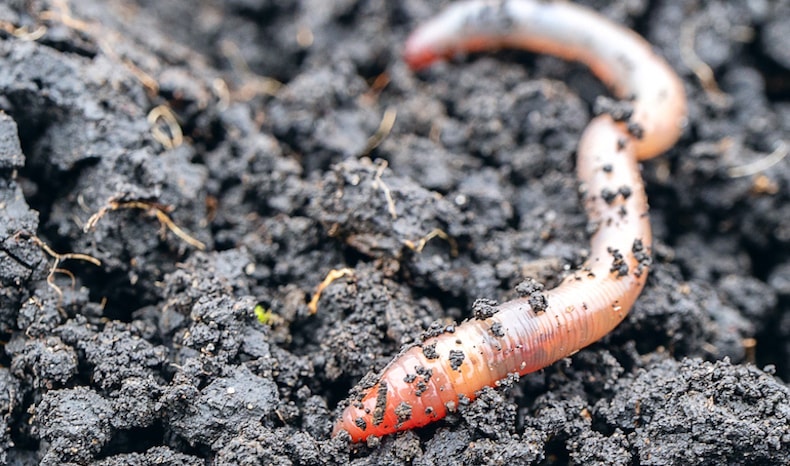
Credit: www.thompson-morgan.com
Frequently Asked Questions
What Are The Tiny Worms In My Bird Bath Water?
The tiny worms are likely mosquito larvae or aquatic worms. They thrive in stagnant water and feed on organic matter. These larvae can hatch into mosquitoes, so cleaning the bird bath regularly helps prevent infestations and keeps the water safe for birds.
Are These Tiny Worms Harmful To Birds?
Generally, these tiny worms are not harmful to birds. Birds often eat mosquito larvae and other small insects as a food source. However, stagnant water breeding mosquitoes can spread diseases, so keeping the bird bath clean is important for bird health.
How Do I Get Rid Of Worms In My Bird Bath?
To remove worms, empty and scrub the bird bath weekly. Use a stiff brush to clean all surfaces and refill with fresh water. Adding a small fountain or dripper helps keep water moving, preventing larvae from developing.
Why Do Worms Appear Only In My Bird Bath?
Worms appear due to standing, untreated water that attracts insects. Warm temperatures and organic debris create ideal breeding conditions. Regular cleaning and water movement reduce worm presence by disrupting their lifecycle and making the environment less hospitable.
Conclusion
Tiny worms in bird baths aren’t a cause for alarm. They often appear due to stagnant water. Cleaning regularly helps prevent their growth. Use a scrub brush to remove any debris. Fresh water is key to keeping your bird bath worm-free.
Birds will appreciate the clean environment. Observing these tiny creatures can be fascinating. But ensure your feathered friends stay safe and healthy. Regular maintenance makes a big difference. Enjoy watching birds splash around. Keep your bird bath inviting for them.
Your efforts will bring nature closer. A clean bird bath ensures happy, healthy birds.