What Bird Fly in Sahara Desert: Surprising Species
Have you ever wondered What Bird Fly in Sahara Desert and survive the harsh, scorching conditions? It might surprise you to learn that despite the extreme heat and endless sand, several remarkable bird species not only live but thrive here.
If you’re curious about these resilient flyers and want to discover how they manage to navigate such a tough environment, keep reading. This article will reveal the fascinating birds of the Sahara and what makes their survival story so incredible—you won’t want to miss it!

Credit: en.wikipedia.org
Birds Adapted To Sahara’s Harsh Climate
The Sahara Desert is one of the hottest and driest places on Earth. Few birds live here because of the tough weather. Some birds have special ways to survive in this harsh land.
These birds have strong bodies and smart habits. They find food and water in places with little resources. Their adaptations help them live in extreme heat and dry air.
Survival Strategies In Extreme Heat
Birds in the Sahara avoid heat by being active in cooler times. They fly early in the morning or at night. They rest in shade during the hottest hours.
Some birds have light-colored feathers. This helps reflect sunlight and keep them cool. Others use fast breathing to release body heat.
- Fly early or late to avoid midday heat
- Rest in shaded areas during hot hours
- Use light feathers to reflect sunlight
- Breath fast to cool down the body
Water Conservation Techniques
Sahara birds save water by eating food with moisture. They get water from plants and insects. Their bodies use water very carefully to avoid loss.
Some birds produce very little urine to keep water inside. Others reduce sweating to save water. These techniques help them survive long dry periods.
- Eat food that contains water
- Produce little urine to save water
- Limit sweating and water loss
- Find water in plants and insects
Common Birds In The Sahara
The Sahara Desert is very dry and hot. Few birds live there because of the tough conditions.
Some birds have adapted well. They can find food and water in the desert.
Desert Lark
The Desert Lark is a small bird with brown feathers. It blends well with the sandy desert.
This bird eats seeds and insects. It can survive with very little water.
Saharan Silver Sparrow
The Saharan Silver Sparrow has gray and white feathers. It lives near oases and small bushes.
This sparrow feeds on seeds and small insects. It is active during cooler parts of the day.
Trumpeter Finch
The Trumpeter Finch has a strong beak and brownish feathers. It lives in rocky and sandy areas.
This finch eats seeds mostly. It can drink very little water and get moisture from food.
Migratory Birds Crossing The Sahara
The Sahara Desert is a vast barrier for many birds during migration. Many species fly across it to reach their breeding or wintering grounds.
These birds face harsh conditions like extreme heat and little water. Despite this, they make the journey every year.
Migration Ecologists confirm the critical fuel: “Birds crossing the Sahara must carry fuel that yields the most metabolic water possible upon oxidation, maximizing energy while minimizing water loss. The single most crucial fuel source is fat. When one gram of fat is oxidized, it yields about 1.1 grams of metabolic water and twice the energy of carbohydrates, making the pre-migratory fattening period in the Sahel region south of the Sahara absolutely critical for their survival flight.”
European Bee-eater
The European Bee-eater is a colorful bird known for its bright feathers. It travels from Europe to Africa during migration.
- Feeds mainly on bees and other flying insects
- Flies in flocks for safety
- Often seen resting on wires or branches
- Crosses the Sahara to reach tropical Africa
Pallid Harrier
The Pallid Harrier is a medium-sized bird of prey. It hunts small mammals and birds while flying low over grasslands.
| Characteristic | Description |
| Wingspan | 90 to 110 cm |
| Diet | Small mammals, birds, and insects |
| Migration | From Europe to Africa across the Sahara |
| Habitat | Open fields and marshes |
Steppe Eagle
The Steppe Eagle is a large bird of prey with broad wings. It soars high above the desert during migration.
Key facts about Steppe Eagle migration:
- They travel thousands of miles each year.
- Use thermal currents to save energy.
- Face threats from habitat loss along routes.
- Often seen in groups during migration.
Unique Birds Exclusive To The Sahara
The Sahara Desert hosts some rare birds found only in this vast area. These birds have special features to live in the hot, dry climate.
Two of the most interesting birds here are the Pharaoh Eagle Owl and the Cream-colored Courser. They show how life adapts to harsh deserts.
Pharaoh Eagle Owl
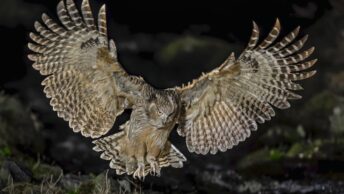
The Pharaoh Eagle Owl is a large bird with bright orange eyes. It hunts at night and hides in rocky places during the day.
- Size: About 60 cm tall
- Color: Mottled brown and cream feathers
- Habitat: Rocky deserts and cliffs
- Diet: Small mammals, birds, and insects
- Behavior: Mostly nocturnal
Cream-colored Courser
The Cream-colored Courser is a slender bird with long legs. It runs fast on sand to catch insects and avoid danger.
| Feature | Description |
| Height | 30-35 cm |
| Color | Light sandy cream |
| Habitat | Open desert and semi-desert |
| Diet | Insects and small invertebrates |
| Behavior | Active during the day |
Birds’ Role In Sahara Ecosystem
Birds in the Sahara Desert play important roles in the ecosystem. They help plants grow and control insect numbers.
Even in harsh desert conditions, birds support life by spreading seeds and eating insects. Their actions keep the environment balanced.
Pollination And Seed Dispersal
Certain birds help pollinate flowers by moving pollen from one plant to another. They also carry seeds to new places by eating fruit.
- Sunbirds transfer pollen while feeding on nectar.
- Weaver birds spread seeds by dropping fruit parts.
- Doves eat seeds and move them across the desert.
Insect Population Control
Birds eat many insects that can harm plants. This helps keep insect populations low and plants healthy.
| Bird Species | Common Prey | Benefit to Ecosystem |
| Desert Lark | Beetles, Ants | Reduces crop pests |
| Sandgrouse | Grasshoppers | Controls insect damage |
| Hoopoe | Termites | Prevents termite overpopulation |
Threats To Sahara Birds
The Sahara Desert hosts many bird species that fly across its vast lands. These birds face many dangers that put their lives at risk. Understanding these threats helps us protect them better.
Two main factors threaten Sahara birds: changes in climate and human actions. Each factor affects their food, water, and safe places to live.
Climate Change Impact
Climate change causes extreme weather in the Sahara. Birds struggle with less water and food. Rising temperatures make it hard for them to survive and breed.
- Longer droughts dry up water sources
- Heat waves cause birds to overheat
- Changing seasons affect migration timing
- Food supply decreases due to habitat loss
Human Activities
Humans affect Sahara birds by changing land and polluting the environment. Hunting and trapping also reduce bird numbers. These activities break the natural balance.
| Human Activity | Effect on Birds |
| Urban Expansion | Loss of nesting areas |
| Pollution | Health problems and death |
| Hunting | Reduced population |
| Off-road Vehicles | Destroy bird habitats |
Conservation Efforts For Sahara Birds
The Sahara Desert is home to many unique bird species. These birds face threats from climate change and habitat loss.
People work hard to protect these birds and their habitats. Conservation efforts help keep bird populations healthy.
Protected Areas
Protected areas in the Sahara provide safe spaces for birds to live and breed. These zones limit human activities that can harm wildlife.
- National parks and reserves cover key bird habitats
- Strict rules prevent hunting and land destruction
- Monitoring programs track bird health and numbers
- Restoration projects improve damaged ecosystems
Community Involvement
Local people join conservation efforts to protect Sahara birds. Their knowledge and support are vital for success.
| Community Role | Activity |
| Farmers | Use bird-friendly farming methods |
| Teachers | Educate children about bird protection |
| Volunteers | Help in bird counting and habitat clean-up |
| Leaders | Promote laws that protect birds |
Credit: www.theguardian.com
Credit: avibirds.com
Frequently Asked Questions
What Birds Are Commonly Found Flying In The Sahara Desert?
Birds like the Desert Lark, Pharaoh Eagle Owl, and Sandgrouse commonly fly in the Sahara Desert. These birds adapt well to harsh desert conditions and can survive extreme heat and scarce water.
How Do Birds Survive Flying In Sahara’s Extreme Heat?
Sahara birds have special adaptations like efficient water retention and heat tolerance. They often fly during cooler parts of the day and rest in shaded areas to avoid overheating.
Which Migratory Birds Pass Through The Sahara Desert?
Many migratory birds, including the European Bee-eater and various raptors, cross the Sahara during seasonal migrations. They use the desert as a flyway between Europe and Africa.
Are There Any Nocturnal Birds Flying In The Sahara Desert?
Yes, nocturnal birds like the Pharaoh Eagle Owl and Nightjar fly in the Sahara. They hunt and navigate in cooler nighttime temperatures, avoiding daytime heat.
Conclusion
Birds in the Sahara showcase nature’s resilience. They adapt to harsh conditions. These birds, like the Desert Lark and Sandgrouse, thrive. Adaptation is key. Their survival is a testament to nature’s wonders. Observing these birds offers insights into desert ecosystems.
Each species has unique survival tactics. Understanding them helps us appreciate biodiversity. The Sahara, a vast desert, supports life. This life is unique and fascinating. Observing birds here enriches our knowledge. It reminds us of nature’s endless adaptability. So, next time you think of the Sahara, remember its vibrant birdlife.
They are the true desert survivors.