Have you ever stopped to listen closely and wondered, “What bird is singing this song?” That simple question can open up a world of discovery right outside your window. Whether you’re in your backyard, hiking in the woods, or just curious about the sounds around you, identifying bird songs adds a new layer of joy to your day.
You’ll learn easy ways to recognize those beautiful melodies and connect with nature like never before. Ready to find out which feathered friend is behind that tune? Keep reading—you’re about to become a bird song detective!
Credit: lauraerickson.substack.com
Common Bird Songs
Bird songs are sounds made by birds to communicate. Each bird has its own unique song. Learning these songs helps identify different birds.
Bird songs vary by species and location. They also change during the year. Listening carefully reveals many interesting patterns.
Popular Bird Calls
Some bird calls are well known. These sounds often signal danger or mark territory. Bird watchers use these calls to find birds.
- The American Robin sings a clear, cheerful whistle.
- The Northern Cardinal has a loud, sharp whistle.
- The Black-capped Chickadee uses a “chick-a-dee” call.
- The Eastern Bluebird sings a soft warbling tune.
Regional Variations
Bird songs change in different regions. The same species may sing a different tune in the north than in the south. This helps birds recognize neighbors.
| Bird Species | Region | Song Description |
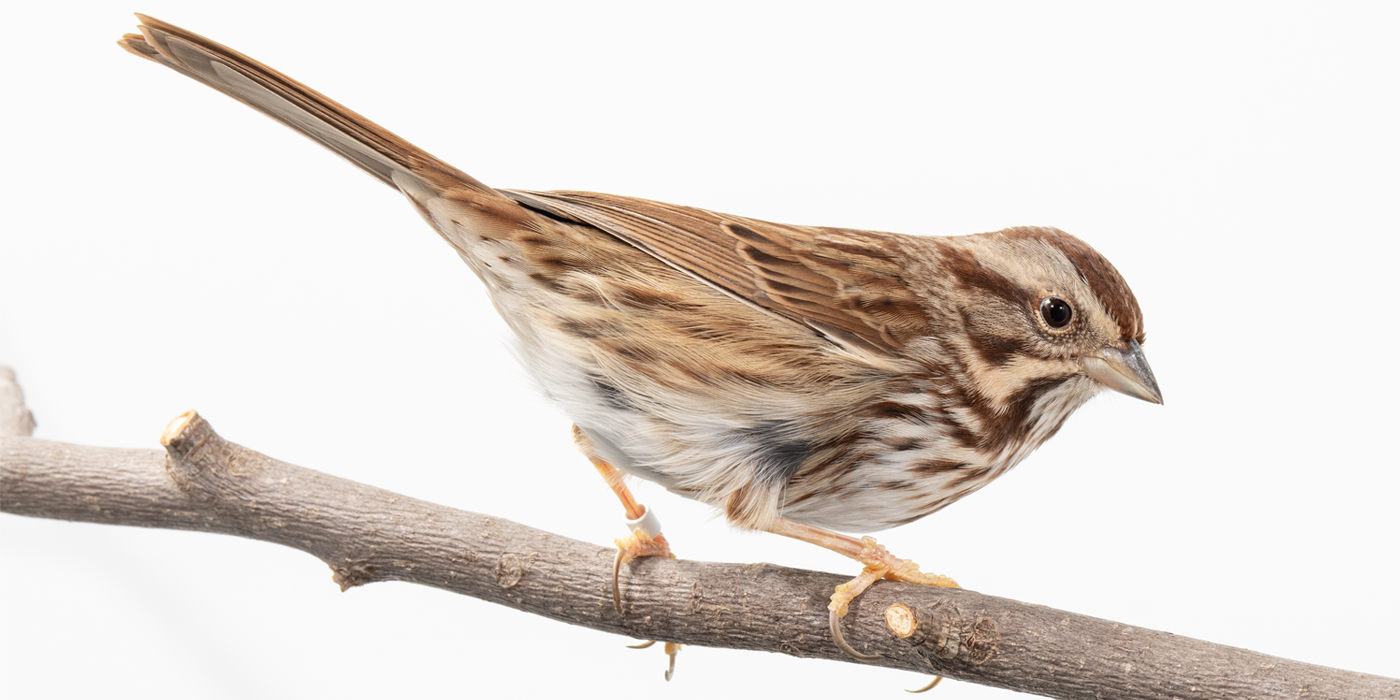
| Song Sparrow | East Coast | Complex, varied series of notes |
| Song Sparrow | West Coast | Simpler, repeated phrases |
| White-throated Sparrow | Canada | Clear whistled notes “Old Sam Peabody” |
| White-throated Sparrow | Southern US | Softer, slower whistle |
Seasonal Changes In Songs
Bird songs change with the seasons. In spring, males sing more to attract mates. In fall and winter, singing slows down or stops.
Example of seasonal singing habits:
- Spring:Loud and frequent singing to claim territory.
- Summer:Songs continue but less often.
- Fall:Few songs, mostly quiet calls.
- Winter:Singing is rare or silent.
Key Features Of Bird Songs
Bird songs are unique sounds that birds use to communicate. These songs help birds find mates and mark their territory.
Listening to bird songs can help identify different bird species. Each bird has a special way of singing.
Pitch And Tone
Pitch is how high or low a bird’s song sounds. Tone is the quality or character of the sound.
Some birds sing high-pitched, clear notes. Others use low, rough sounds to make their songs.
- High pitch sounds are sharp and bright
- Low pitch sounds are deep and soft
- Tone can be smooth, harsh, or musical
Rhythm Patterns
Rhythm is the timing and speed of the bird’s song. Birds may sing fast or slow rhythms.
Some songs have a steady beat, while others change speed or pause between notes.
- Steady rhythm sounds even and regular
- Variable rhythm has changes in speed
- Pauses can add meaning to the song
Repetition And Phrases
Birds often repeat parts of their song. These repeated parts are called phrases.
Repetition helps birds make their song clear and easy to recognize.
- Phrases are groups of notes sung together
- Repeating phrases creates a pattern
- Some birds vary their phrases to show different messages
Tools For Identifying Bird Songs
Bird songs help us know which bird is nearby. Listening closely is fun and educational.
There are many tools to help identify bird songs. These tools make it easier to learn bird sounds.
Mobile Apps
Mobile apps let you record and compare bird songs on the go. They often include sound libraries and ID guides.
- Record bird sounds using your phone
- Compare recordings with app libraries
- Get suggestions based on song patterns
Online Databases
Online databases store many bird songs from different regions. You can search and listen to many examples.
| Database | Features |
| Macaulay Library | Large collection of bird sounds |
| Xeno-canto | User-uploaded bird songs worldwide |
| British Library Sounds | High-quality recordings |
Field Recorders
Field recorders capture clear bird songs in nature. They help you save sounds for later study.
Popular field recorders offer:
- High-quality audio capture
- Long battery life for extended use
- Easy file transfer to computers
Credit: swibirds.org
Techniques To Train Your Ear
Learning to identify bird songs takes practice and patience. Training your ear helps you enjoy nature more deeply.
Use simple techniques to improve your listening skills step by step.
Active Listening
Active listening means focusing completely on the bird sounds around you. Avoid distractions and give your full attention.
Try to hear different parts of the song and notice patterns or repeats.
- Find a quiet place outdoors
- Close your eyes to focus
- Listen for pitch changes and rhythm
- Repeat listening several times
Comparing Recordings
Listening to several bird song recordings helps you spot differences and similarities. Use this to tell birds apart.
Play recordings of different birds and try to match them with what you hear outside.
- Use recordings from trusted sources
- Listen to one recording at a time
- Notice the length and tone of songs
- Repeat to remember unique sounds
Note-taking Methods
Writing down what you hear helps your memory and sharpens your skills. Notes can include words or symbols.
Use simple descriptions of sounds or draw marks to show rhythm and pitch.
- Write the date and location
- Describe the sound in your own words
- Use symbols for pitch changes (e.g., ↑ or ↓)
- Note the length and repetition of songs
Common Mistakes To Avoid
Bird song identification can be tricky. Many people make simple errors that cause confusion.
Knowing what mistakes to avoid helps you listen better and identify birds correctly.
Confusing Similar Species
Many bird species have songs that sound alike. This causes misidentification.
Focus on small differences in pitch, rhythm, and tone to tell them apart.
- Note the length of each note
- Listen for unique patterns or repeats
- Compare songs from different times of day
Ignoring Environmental Sounds
Background noises like wind or traffic can confuse bird song listeners.
Try to separate bird songs from other sounds before identifying.
- Find quiet spots for listening
- Use headphones to focus on the bird calls
- Record sounds and listen later in a calm place
Over-relying On Technology
Apps and devices can help but are not always accurate. Mistakes still happen.
Use technology as a tool, but trust your ears and observations most.
- Double-check app results with bird guides
- Learn to recognize common bird songs yourself
- Practice listening regularly without devices
Birdsong Identification In Different Habitats
Birdsong helps us learn about different bird species. Each habitat has unique bird sounds.
Listening carefully to these songs can tell us which birds live nearby. This guide shows how to identify birds by their songs in various places.
Forests And Woodlands
Forests have many birds with clear and loud songs. Birds use their songs to mark territory and find mates.
Common forest birds like warblers and thrushes sing melodious tunes. Their songs often include whistles and trills.
- Wood thrush: flute-like, clear and ringing
- Black-capped chickadee: simple “chick-a-dee” call
- American robin: cheerful, varied phrases
Wetlands And Marshes
Wetlands have birds with sharp, repeated calls. These sounds help birds communicate over water and tall plants.
Marsh birds like red-winged blackbirds and herons use loud calls to stand out in noisy places.
- Red-winged blackbird: harsh “conk-la-ree” call
- Great blue heron: deep, croaking sound
- Marsh wren: bubbly, complex song
Urban Areas
Urban birds often sing louder to be heard over city noise. Their songs are shorter and more repetitive.
Birds like pigeons and sparrows adapt their calls in cities. Listening closely helps identify them among traffic sounds.
- House sparrow: quick “chirrup” calls
- Pigeon: soft cooing sounds
- European starling: varied whistles and clicks
Benefits Of Recognizing Bird Songs
Bird songs are more than just pleasant sounds. Learning to recognize them can bring many benefits. It helps you enjoy nature in new ways.
Recognizing bird songs also supports wildlife conservation. It builds a deeper connection with the environment around you.
Enhancing Birdwatching Experience
Knowing bird songs makes birdwatching more exciting. You can find birds even when you cannot see them. This skill helps you notice more species.
Listening closely to songs also helps you understand bird behavior. You learn which birds are nearby and what they are doing.
Contributing To Conservation
Recognizing bird songs aids conservation work. Scientists use bird sounds to monitor populations. You can help by reporting what you hear.
Tracking bird songs shows if an area is healthy. It can alert people to problems like habitat loss or pollution.
Connecting With Nature
Bird songs create a peaceful link to the outdoors. Listening deeply helps you feel calm and focused. It also increases your awareness of the environment.
Understanding bird songs makes you part of the natural world. This connection encourages respect and care for wildlife.
Credit: nationalzoo.si.edu
Frequently Asked Questions
How Can I Identify A Bird By Its Song?
Identifying a bird by its song involves listening carefully to the pattern and pitch. Using apps like Merlin Bird ID can help. Observing the bird’s habitat and behavior also aids in identification. Practice regularly to become more familiar with different bird songs.
What Tools Help In Identifying Bird Songs?
Various mobile apps, such as BirdNET and Song Sleuth, can aid in identifying bird songs. These apps analyze recordings and provide potential matches. Additionally, field guides and online databases offer sound clips for comparison. Using these tools can enhance your bird-watching experience.
Why Do Birds Sing In The Morning?
Birds sing in the morning to establish territory and attract mates. This period, known as the dawn chorus, is when birds are most active vocally. The cooler, quieter morning air helps their songs travel further, making it an ideal time for communication.
Can Weather Affect Bird Singing?
Yes, weather can influence bird singing. Birds often sing more during calm, clear weather. Rain and strong winds can suppress their vocal activity. However, some species adapt and still sing under different weather conditions, albeit less frequently or with altered patterns.
Conclusion
Bird songs bring nature’s music right to your ears. Each tune tells a story of the bird singing it. Knowing these sounds helps you enjoy the outdoors more. Next time you hear a bird sing, try to identify it. Practice listening closely and match the song to the right bird.
This simple skill makes walks and hikes more fun. Keep exploring sounds and discover new birds every day. Nature’s melodies are always around, waiting for you to listen.