Fascinating Bird Makes a Knocking Noise: Discover the Mystery Behind the Tap
Have you ever heard a mysterious knocking sound outside your window and wondered which bird could be making it? That sharp, rhythmic tapping can be puzzling, especially if you’re not sure where it’s coming from.
Understanding what Bird Makes a Knocking Noise can help you connect with nature in a new way and even protect your home from potential damage. You’ll discover the most common birds behind those tapping sounds, why they do it, and what you can do if the noise becomes a problem. Keep reading—you’re about to uncover the secret behind that familiar knock.
Common Birds That Knock
Many birds make knocking sounds as a way to communicate or find food. This behavior is common among certain species. It helps them mark territory or attract mates.
We will look at three types of birds that commonly knock: woodpeckers, nuthatches, and sapsuckers. Each bird has unique ways of making these sounds.
Woodpeckers
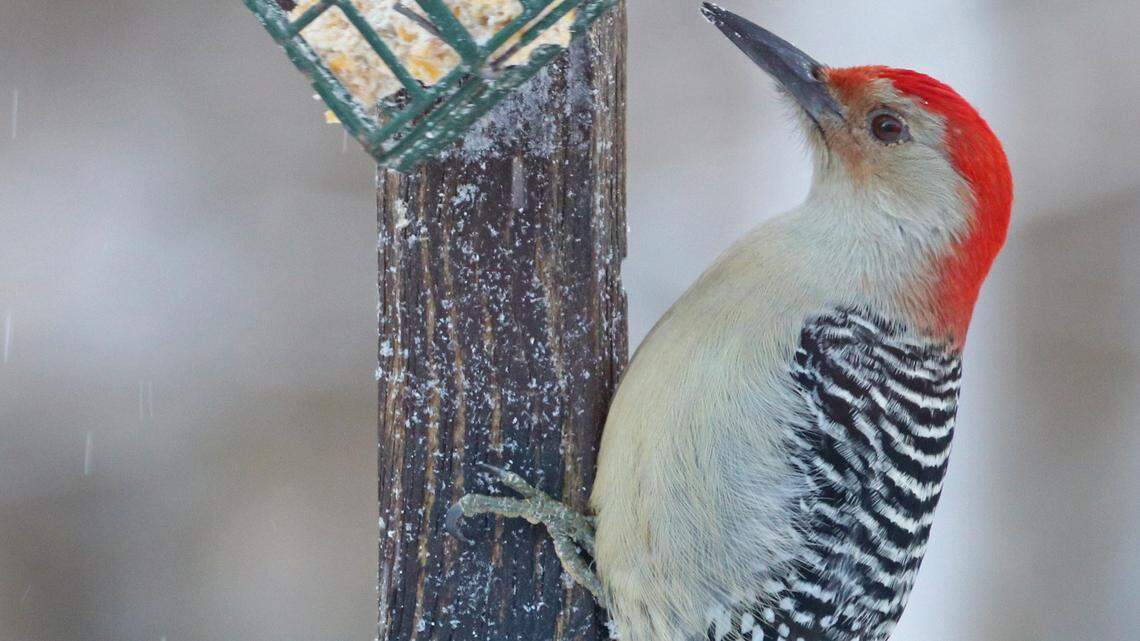
Woodpeckers are famous for being the primary Bird Makes a Knocking Noise on trees. They use their strong beaks to tap on wood to find insects hiding beneath the bark.
-
They drum loudly to mark their territory.
-
Knocking also attracts mates during breeding season.
-
Different species make different knocking patterns.
Bird experts see a big difference between drumming and drilling. You might hear a fast burst on a hollow log or chimney. That sound is drumming. The bird does not want food now. It uses the surface to shout about its home. But a slow thud is different. That sound is drilling. The bird is making a nest or hunting for bugs. If you know the sound, you know the truth. You can tell if the bird is talking or working.
Nuthatches
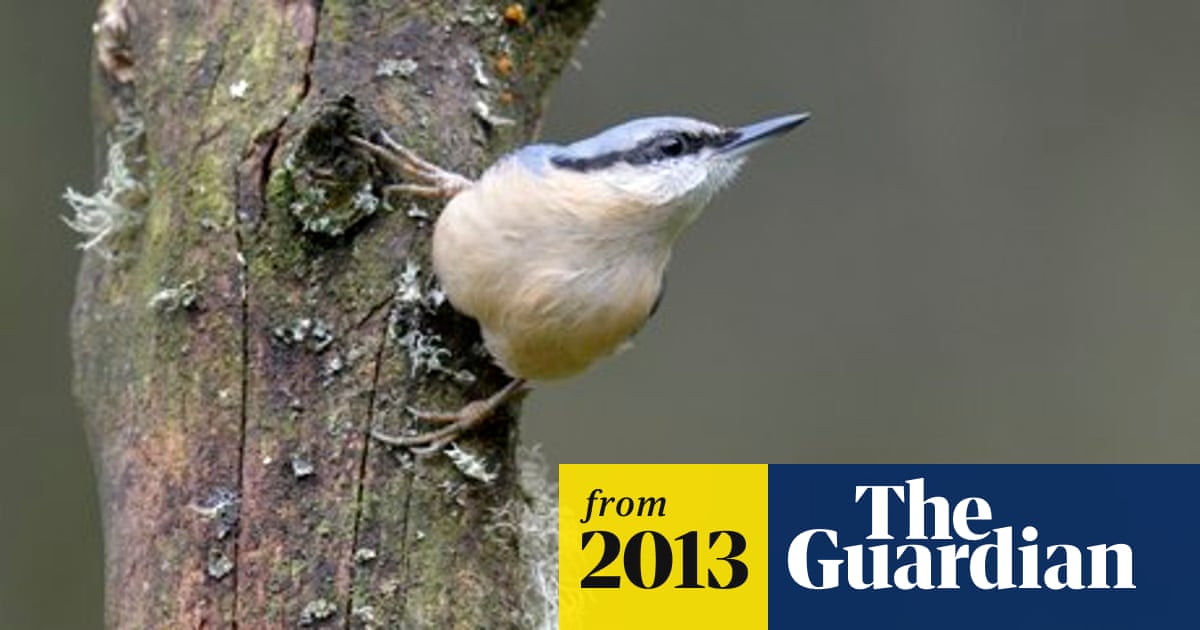
Nuthatches also knock, but their sounds are softer than woodpeckers. They tap on branches or trunks to find insects. They sometimes use knocking to communicate with mates or young ones.
| Nuthatch Species | Knocking Purpose | Sound Type |
|---|---|---|
| White-breasted Nuthatch | Communication and alert | Soft tapping |
| Red-breasted Nuthatch | Territory marking | Quick knocking |
| Brown-headed Nuthatch | Finding food | Light taps |
Sapsuckers
Sapsuckers are a type of woodpecker known for drilling holes in trees. They knock to create wells that let sap flow. This sap is their main food source.
- They make neat rows of holes on tree trunks.
- Knocking also helps them find insects near sap.
- Sapsuckers’ knocking sounds are rhythmic and steady.
Credit: www.theguardian.com
Why Birds Knock
Birds make knocking sounds by tapping on trees or other surfaces to send messages. Knowing why a Bird Makes a Knocking Noise helps us understand their complex behavior.
-
Communication: Sounds show they are nearby or ready to mate, acting as a secret code between birds.
-
Territory Marking: Loud knocks warn other birds to keep their distance and signal ownership of an area.
-
Foraging: Tapping helps birds locate insects or larvae hidden under bark, which they then dig out with their beaks.
Communication Purposes
Birds use knocking to send signals to other birds. The sound can show they are nearby or ready to mate. It helps them stay in contact without flying close.
Some birds use different knocking patterns to share different messages. This is like a secret code between birds.
Territory Marking
Knocking helps birds mark their space. When a bird knocks on a tree, it tells others that this area belongs to it. This stops fights over territory.
Strong, loud knocks warn other birds to stay away. It is a clear sign of ownership in the bird world.
- Knocking signals ownership
- Warns other birds to keep distance
- Helps keep territory safe
Foraging Behavior
Birds knock to find food hidden under bark or wood. The noise helps them locate insects or larvae inside trees. This is a smart way to hunt.
Once the bird finds the food by knocking, it uses its beak to dig it out. This method is common for woodpeckers and similar birds.
Identifying The Knocking Sound
Birds make different sounds to communicate. One common sound is a knocking noise. Recognizing this sound helps to identify which bird is nearby.
Knocking sounds vary in style and meaning. Listening closely to the details can give clues about the bird making the noise.
Rhythm And Pattern
The knocking sound often follows a certain rhythm. Some birds knock in quick bursts, while others use slow, steady beats.
- Woodpeckers tap fast in short bursts.
- Nuthatches make slower, spaced knocks.
- Some birds repeat the pattern several times.
- Others vary their rhythm depending on the message.
Volume And Intensity
Volume helps tell which bird makes the knocking sound. Larger birds tend to produce louder knocks. Smaller birds have softer taps.
| Bird Species | Knocking Volume | Intensity |
| Pileated Woodpecker | Loud | Strong and sharp |
| Downy Woodpecker | Moderate | Quick and light |
| Nuthatch | Soft | Gentle and spaced |
| Flicker | Loud | Rapid and strong |
Location Of The Sound
Where the knocking comes from can help identify the bird. Many woodpeckers knock on tree trunks. Other birds may knock on branches or wooden structures.
- Tree trunks and large branches
- Wooden fence posts
- Wood siding on houses or sheds
- Dead trees or logs

Credit: www.youtube.com
Habitat And Behavior Clues
Birds that make knocking noises often use their habitat and behavior to send signals. Their choice of trees and surfaces helps identify them. Watching when they are active adds more clues.
Seasonal changes affect their knocking patterns. By studying these clues, you can learn which bird is making the sound.
Preferred Trees And Surfaces
Woodpeckers and similar birds like to knock on certain trees. They prefer hard, old trees that echo the sound well. They also tap on wooden poles, fences, and even metal surfaces.
- Oak trees with thick bark
- Dead or dying trees
- Wooden fence posts
- Wooden house siding
- Metal poles or pipes
Pest Control Specialists and Ornithologists warn that tapping on your house isn't always random: "Authority Tip: If a woodpecker is persistently knocking on your cedar siding, don't just blame the bird. They often detect the sound of carpenter bee larvae or ants vibrating inside the wood before you do. In this case, the bird is acting as a natural 'building inspector,' alerting you to an underlying insect infestation that needs your attention."
Time Of Day Activity
Most knocking sounds happen in the morning. Birds drum to mark territory or find mates. Some species also knock at dusk but less often at night.
| Time of Day | Knocking Activity Level |
| Early Morning | High |
| Midday | Medium |
| Evening | Low |
| Night | Rare |
Seasonal Variations
Bird knocking noise changes with the seasons. Spring has the most knocking because of mating. In winter, the sound is less common but still used for communication.
- Spring:Frequent knocking for courtship.
- Summer:Moderate knocking while feeding young.
- Fall:Less knocking during migration.
- Winter:Occasional knocking to keep territory.
Tips For Birdwatchers
Birdwatching can be a fun and peaceful hobby. Knowing which bird makes a knocking noise helps you spot woodpeckers and other birds.
These tips will help you observe birds better and enjoy the sounds they make in nature.
Using Binoculars And Cameras
Binoculars help you see birds from far away without disturbing them. Cameras let you capture photos for later study.
- Use binoculars with at least 8x magnification.
- Practice holding binoculars steady to avoid blurry views.
- Choose a camera with a zoom lens for close-up shots.
- Be patient and move slowly to avoid scaring birds away.
- Check camera settings before heading out to save time.
Recording Sounds
Bird knocking noises are often hard to hear clearly. Recording sounds helps you listen carefully later.
| Equipment | Tips |
|---|---|
| Smartphone | Use a quiet app to record bird sounds outdoors. |
| Handheld Recorder | Keep it close but avoid touching it during recording. |
| Microphone | Use directional microphones to capture specific sounds. |
Patience And Timing
Birds that make knocking noises are often active early or late in the day. Watch during these times for best results.
- Visit bird areas at dawn or dusk.
- Stay quiet and still to avoid scaring birds.
- Watch trees with holes or bark damage for woodpeckers.
- Listen closely for knocking sounds to spot the bird.
- Be ready with your binoculars and camera when you hear a noise.
Credit: www.kansas.com
Frequently Asked Questions
What Bird Makes A Knocking Noise On Trees?
Woodpeckers are the most common birds making knocking sounds on trees. They use this noise to find insects and communicate.
Why Do Woodpeckers Make Knocking Sounds?
Woodpeckers knock to search for food, mark territory, and attract mates. The sound helps them communicate with other birds.
Can Other Birds Make Knocking Noises?
Yes, some nuthatches and flickers also produce knocking sounds, but woodpeckers are the primary birds known for this behavior.
When Is The Knocking Noise Most Common?
Knocking sounds are most common during breeding season when birds establish territory and attract mates through drumming.
Conclusion
Discovering the bird behind the knocking sound is intriguing. Woodpeckers often cause this noise. They peck to find food or create nests. Recognizing their sound enhances nature walks. Hearing this knocking brings curiosity and wonder. Nature is full of surprises.
Birds communicate in fascinating ways. Each sound tells a unique story. Listening carefully enriches our experience outdoors. It opens up a world of learning and appreciation. Birdwatching becomes more engaging with this knowledge. Next time you hear knocking, think of our feathered friends.
They add rhythm to the natural world. Enjoy the melody of nature around you.