Have you ever wondered what color the Mountain Bluebird really is? If you picture a bright blue bird soaring across open skies, you’re on the right track—but there’s much more to discover.
Understanding its true colors can change how you see this beautiful bird in nature and even in your own backyard. Keep reading, and you’ll learn fascinating details that bring the Mountain Bluebird to life in a whole new way. Your next birdwatching experience might never be the same.
Mountain Bluebird Colors
The Mountain Bluebird is known for its bright and beautiful colors. This bird shows different shades depending on its age and gender.
Understanding the colors helps bird watchers and nature lovers identify male, female, and young Mountain Bluebirds easily.
Male Plumage
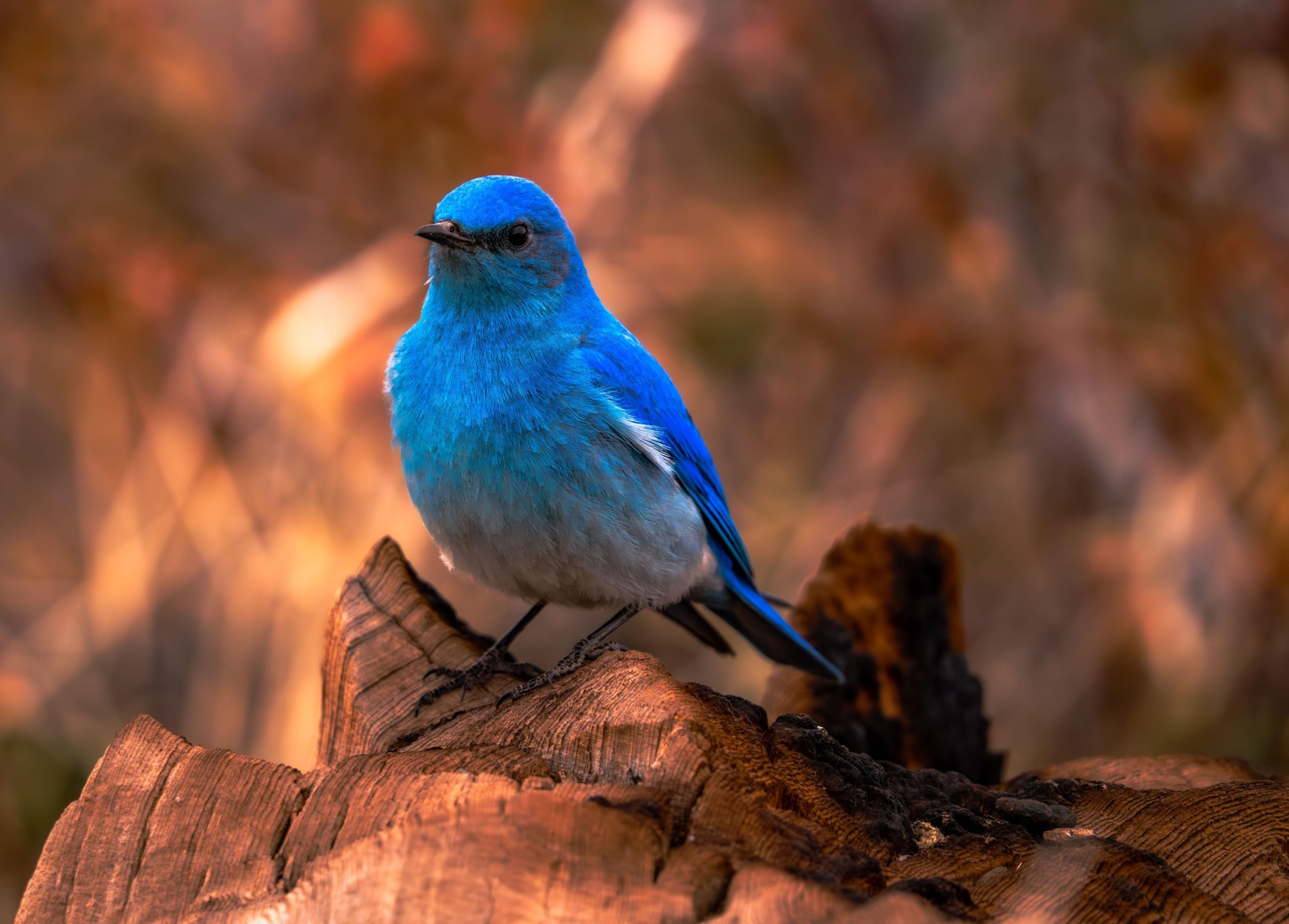
Male Mountain Bluebirds have bright blue feathers that cover most of their body. Their color is vibrant and shiny, making them easy to spot.
The blue of the male is lighter on the chest and darker on the wings and tail. This contrast adds to their striking look.
- Bright sky blue on head and back
- Lighter blue on chest and belly
- Darker blue on wings and tail feathers
Female Shades
Female Mountain Bluebirds have softer colors than males. Their feathers are usually grayish-blue or pale blue.
The female’s color helps her blend with the environment, especially during nesting season.
- Gray-blue head and back
- Light gray or whitish belly
- Less shiny than males
Juvenile Tones
Young Mountain Bluebirds have duller colors than adults. Their feathers look more gray or brownish with some blue hints.
Juveniles show a mix of colors as they grow into their adult plumage.
- Gray or brown body feathers
- Light blue starting on wings and tail
- Less bright than adult birds
Credit: owlcation.com
Color Variations By Season
The Mountain Bluebird shows different colors depending on the season. These changes help the bird blend into its surroundings.
Understanding these color variations helps bird watchers identify the bird all year round.
Spring Brightness
In spring, the Mountain Bluebird displays its brightest colors. The males have a vivid sky-blue shade on their wings and back. Their chest and belly are a soft white or light blue.
- Bright blue wings and back
- Light blue or white chest and belly
- Shiny feathers that reflect sunlight
Winter Hues
During winter, the Mountain Bluebird’s colors become duller. The bright blue turns into a grayish-blue. This helps the bird stay hidden in snowy and bare environments.
| Season | Male Color | Female Color |
| Spring | Bright sky-blue | Light blue-gray |
| Winter | Dull grayish-blue | Darker gray-brown |
Lighting And Color Perception
The mountain bluebird’s color looks different in various lights. Light affects how we see its blue feathers.
Understanding light helps us know why the bird’s color changes during the day.
Sunlight Effects
Sunlight makes the mountain bluebird appear bright blue. The sun’s rays highlight its feathers.
- Morning sun shows a soft blue color.
- Midday sun makes the blue more vivid.
- Evening light adds a warm tone to the blue.
Shade And Shadow Impact
Shadows change how we see the bird’s color. Blue feathers look darker in shade.
| Lighting Condition | Appearance of Bluebird |
| Full Sunlight | Bright and vivid blue |
| Partial Shade | Soft blue with less shine |
| Deep Shadow | Dark blue, almost gray |
Comparing Bluebird Species
Bluebirds are small, bright birds known for their blue feathers. They live in different parts of North America. Three main types are the Mountain Bluebird, the Eastern Bluebird, and the Western Bluebird.
This guide will help you learn how to tell these bluebird species apart by comparing their colors and features.
Mountain Vs Eastern Bluebird
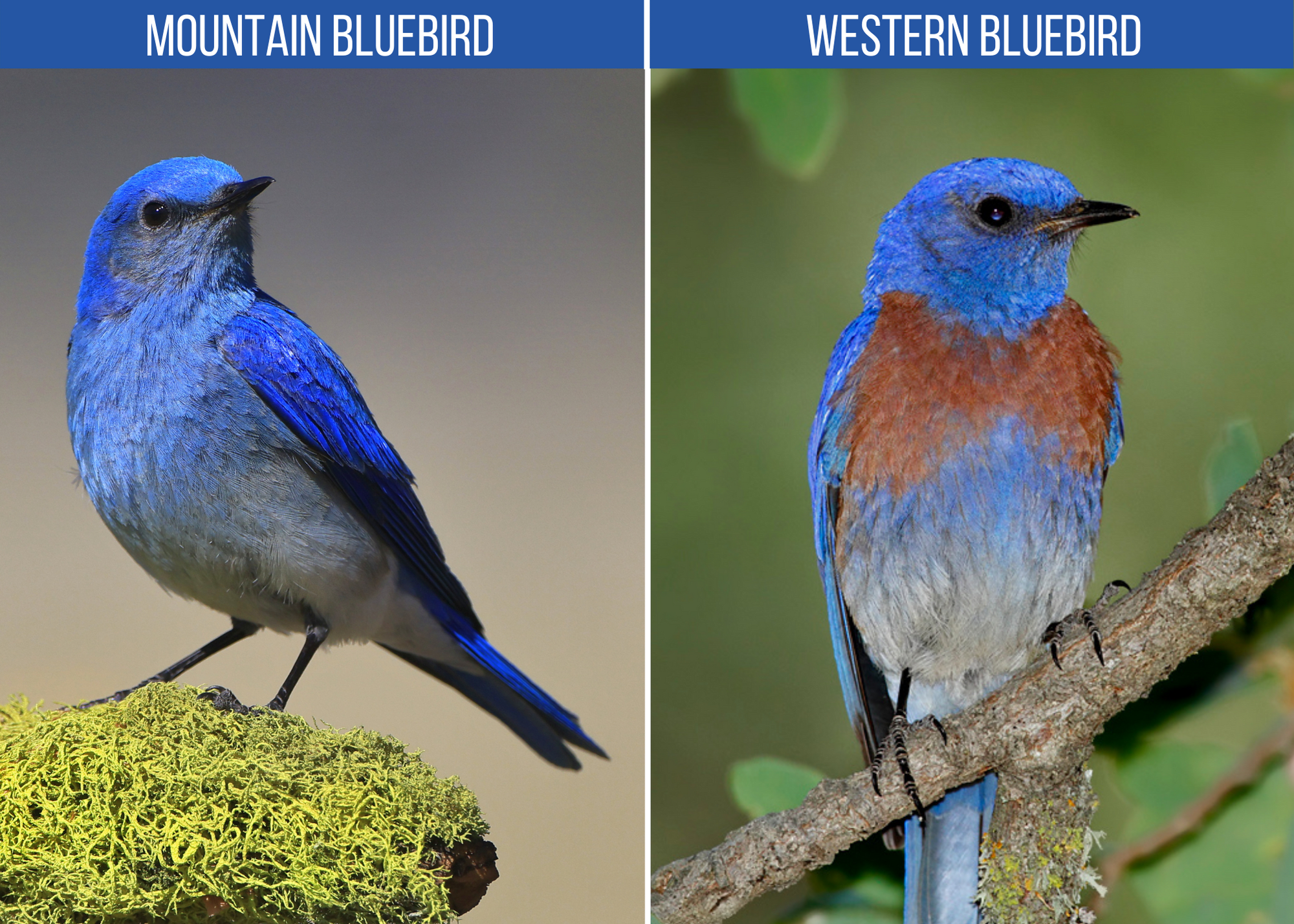
The Mountain Bluebird is a bright sky blue all over. The Eastern Bluebird has blue on its back and a rusty orange chest. Both birds are easy to spot, but their colors help tell them apart.
- Mountain Bluebird:Solid blue color, no orange or red.
- Eastern Bluebird:Blue wings and head with an orange chest.
- Size difference:Eastern Bluebirds are slightly smaller.
Mountain Vs Western Bluebird
The Western Bluebird also shows blue and orange, but its pattern differs from the Eastern Bluebird. The Mountain Bluebird is more plain blue. Below is a table to compare these two closely.
| Feature | Mountain Bluebird | Western Bluebird |
| Overall Color | Bright sky blue | Blue with orange on chest and sides |
| Orange Markings | None | Orange on chest and flanks |
| Blue Shade | Uniform light blue | Darker blue on wings and back |
| Habitat | Mountain areas and open fields | Woodlands and open forests |
Color’s Role In Behavior
The mountain bluebird is known for its bright blue color. This color plays a big role in how it acts and survives.
Birds use colors for many reasons, like finding mates and staying safe from predators.
Attracting Mates
The mountain bluebird’s bright blue feathers help attract mates. Males show off their color to females during breeding.
Brighter blue colors often mean a healthier bird. Females choose mates with the best colors for strong offspring.
Camouflage And Safety
The blue color also helps mountain bluebirds blend with the sky. This makes it harder for predators to see them.
When the birds perch on branches, their color matches the open sky. This natural camouflage keeps them safe.

Credit: www.reddit.com
Photographing Mountain Bluebirds
Mountain Bluebirds are known for their bright blue color. They live in open fields and mountains. Photographing them can be very rewarding.
Capturing their true color in photos needs some care. Light and background affect how the blue shows up.
Capturing True Colors
Mountain Bluebirds have a bright sky-blue color on their bodies. The lighting affects how vibrant the blue looks in photos.
Shoot in natural light for the best color. Avoid harsh midday sun that can wash out colors. Overcast days help show true colors well.
- Use soft morning or evening light
- Avoid direct midday sun
- Choose a simple background to highlight the bird
- Use a fast shutter speed to capture sharp details
Best Times For Photos
The best time to photograph Mountain Bluebirds is early morning or late afternoon. Light is softer and warmer then.
During these times, the blue color looks richer. Birds are also more active and easier to find.
- Early morning after sunrise
- Late afternoon before sunset
- On clear or lightly cloudy days
- During the breeding season when birds are more visible

Credit: www.onthewingphotography.com
Frequently Asked Questions
What Color Is The Mountain Bluebird?
The Mountain Bluebird is bright sky blue in males and pale blue-gray in females. Its vibrant color helps it stand out in open habitats.
Why Is The Mountain Bluebird Blue?
The blue color comes from light scattering in the bird’s feathers, not pigments. This structural coloration creates its vivid blue appearance.
Where Can I See Mountain Bluebirds?
Mountain Bluebirds live in open mountain areas, meadows, and grasslands across western North America. Spring and summer are best for spotting them.
Do Mountain Bluebirds Change Color Seasonally?
No, Mountain Bluebirds maintain their blue color year-round. Males stay bright blue, while females remain paler, ensuring consistent identification.
Conclusion
The Mountain Bluebird captivates with its striking blue hue. Its vibrant feathers catch the eye. These birds often stand out against the green landscape. Observing them brings joy and wonder. Their beauty reminds us of nature's wonders. Learning about their color enriches our appreciation.
Nature's palette is diverse and awe-inspiring. Next time you see one, you'll know. The Mountain Bluebird's blue is nature's masterpiece. Enjoy spotting these beautiful creatures. They bring a splash of color to our world. Always a delight to behold.