Have you ever wondered what eats a bird in the desert? It’s a harsh place where survival is a daily challenge.
You might think birds are safe up high, but many creatures are always watching. Understanding who hunts these birds can change how you see the desert’s hidden battles. Keep reading to discover the surprising predators and the secrets of desert life that most people don’t know.
This knowledge will make you appreciate the desert’s delicate balance in a whole new way.
Credit: nationalzoo.si.edu
Desert Bird Species
Deserts are tough places for animals. Birds living here have special skills. They find food and water in dry lands.
Many birds survive the heat and lack of water. They have unique bodies and habits. These help them live in the desert.
Common Birds In Arid Regions
Several bird species live in deserts. They include the roadrunner, cactus wren, and burrowing owl. These birds eat insects, seeds, and small animals.
- Roadrunner: fast runner that catches lizards and insects.
- Cactus Wren: nests in cactus plants and eats insects.
- Burrowing Owl: lives in underground burrows and hunts at night.
- Gila Woodpecker: drills holes in trees for food and shelter.
- Verdin: small bird that builds nests from twigs and spider webs.
Adaptations To Desert Life
Desert birds have body parts and habits to survive heat and dryness. They save water and stay cool in many ways.
| Adaptation | Description |
| Water Conservation | Birds get water from food and produce little waste. |
| Heat Management | Light feathers reflect sunlight; some are active at night. |
| Efficient Feeding | Strong beaks to eat tough seeds or catch prey. |
| Nesting Habits | Nests built in shade or underground to avoid heat. |
| Flight Patterns | Fly early morning or late evening to avoid hot midday. |

Credit: www.allaboutbirds.org
Predatory Mammals
Birds living in the desert face many dangers. Predatory mammals hunt them for food. These mammals have adapted to the harsh desert environment.
They use their speed, stealth, and keen senses to catch birds. Let’s look at some common desert predators that eat birds.
Coyotes
Coyotes are very common in desert areas. They hunt birds mainly at dawn and dusk. Coyotes are fast runners and good at chasing prey.
- They use their sharp teeth to catch and kill birds.
- Coyotes often hunt alone but sometimes work in pairs.
- They eat small birds and bird eggs.
- Coyotes also eat other small animals and plants.
Bobcats
Bobcats are stealthy hunters found in many desert regions. They are excellent climbers and can catch birds in trees or on the ground. Bobcats rely on surprise to catch their prey.
| Hunting Method | Preferred Prey |
| Stalking quietly | Small birds, rodents |
| Ambushing | Ground-nesting birds |
| Climbing trees | Birds roosting at night |
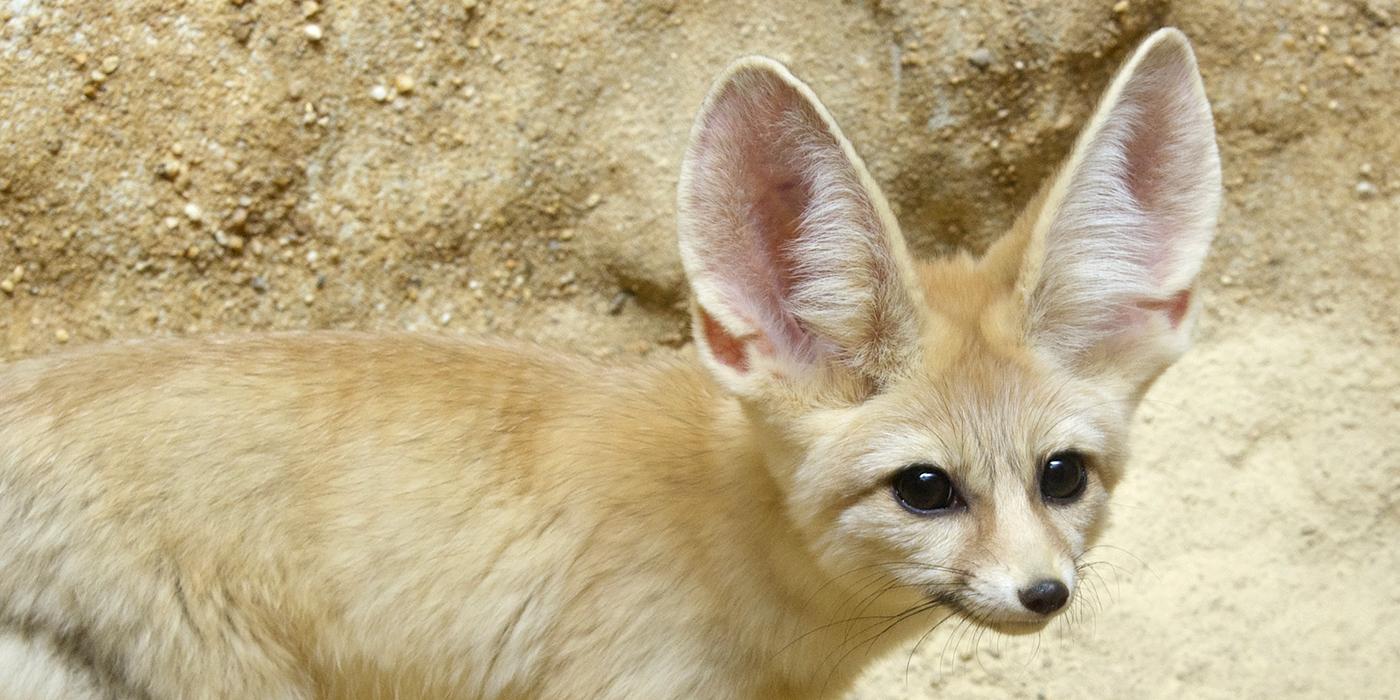
Foxes
Foxes are clever hunters that use their sharp senses to find birds. They hunt mostly at night or early morning. Foxes can dig to reach bird nests underground.
- Listening carefully for bird sounds
- Using their sense of smell to find nests
- Quietly sneaking to avoid scaring birds
- Digging to reach hidden eggs or chicks
Birds Of Prey
Birds of prey are hunters that live in the desert. They eat smaller birds and animals to survive.
These birds have sharp eyes and strong claws. They catch desert birds for food.
Hawks
Hawks are fast and smart hunters. They use their sharp talons to catch birds in the desert.
They often hunt during the day. Hawks can spot small birds from far away.
Eagles
Eagles are large birds with strong beaks and claws. They can carry bigger prey than hawks.
They soar high and dive quickly to catch birds in the desert. Eagles are very powerful hunters.
Owls
Owls hunt mostly at night. Their silent flight helps them catch birds without being seen.
They have sharp talons and strong beaks. Owls use their excellent hearing to find prey in the dark.
Reptilian Threats
Birds living in the desert face many dangers. Reptiles are some of their most common predators. These cold-blooded hunters use their speed and stealth to catch birds.
Understanding which reptiles threaten desert birds helps us learn more about their survival. Two main reptilian threats are snakes and lizards.
Snakes
Snakes are skilled hunters that can sneak up on birds. They often wait near nests or perches. Some use venom to quickly kill their prey.
- Rattlesnakes can strike fast and inject venom.
- Coachwhip snakes chase birds on the ground.
- King snakes can enter nests to eat eggs and chicks.
Lizards
Lizards in the desert also hunt birds, especially small or young ones. They use their speed and sharp teeth to catch prey. Some lizards eat eggs too.
| Lizard Species | Hunting Method | Target |
| Chuckwalla | Ambush | Bird eggs |
| Gila Monster | Active hunting | Small birds |
| Collared Lizard | Chasing | Baby birds |
Insect Predators
Birds in the desert face many threats from insect predators. These predators hunt birds or their young. They play a key role in the desert food chain.
Insect predators include large spiders and various predatory insects. Each uses unique methods to catch birds or bird eggs.
Large Spiders
Large spiders can catch small birds or bird chicks. They wait patiently in their webs or hide in desert plants. Their strong webs trap birds that fly too close.
| Spider Species | Hunting Method | Prey Size |
|---|---|---|
| Desert Tarantula | Ambush on ground | Small birds, insects |
| Golden Orb Weaver | Web trapping | Small birds, large insects |
| Wolf Spider | Chase and pounce | Insects, bird chicks |
Predatory Insects
Some insects hunt birds by attacking nests or young birds. They use sharp mouthparts or strong jaws to catch their prey.
- Praying mantises grab birds with their strong front legs.
- Giant water bugs attack small birds near water.
- Ants raid nests to eat eggs and chicks.
- Dragonfly larvae catch young birds near water edges.

Credit: www.youtube.com
Survival Strategies Of Desert Birds
Desert birds face harsh conditions like heat and little water. They use special ways to survive and avoid danger.
These birds have skills that help them find food, stay safe, and raise their young in tough places.
Camouflage And Stealth
Many desert birds blend into their environment. Their colors look like sand or rocks. This helps hide them from predators.
- Feathers in shades of brown, gray, and tan
- Staying still to avoid being seen
- Using shadows and natural cover to stay hidden
Flight And Escape Tactics
Desert birds use fast and smart flying to escape threats. They can change direction quickly and fly low to the ground.
| Tactic | Description |
| Fast flight | Quick bursts of speed to outrun predators |
| Zigzag flying | Unpredictable paths to confuse attackers |
| Low flying | Flying close to the ground to avoid detection |
Nesting Habits
Desert birds build nests that protect their eggs and chicks from heat and predators.
- Using shaded spots under rocks or bushes
- Building nests with materials that keep eggs cool
- Choosing hidden or hard-to-reach places
Impact Of Predation On Desert Ecosystems
In desert ecosystems, many animals eat birds. Predators include snakes, larger birds, and mammals. These predators help control bird populations.
Predation affects the balance of all desert life. It shapes how species live and interact with each other in harsh desert conditions.
Balance Of Species
Predators keep bird numbers from growing too large. This stops birds from using all the food and water. It helps plants and other animals survive.
Without predators, some bird species might overpopulate. This can harm the desert environment. Predators help keep nature balanced.
- Bird predators include hawks, owls, and foxes
- Predation limits bird overpopulation
- Balanced bird numbers support desert plants and animals
Predator-prey Dynamics
Predators hunt birds for food. Birds use speed and hiding to escape. This ongoing struggle shapes both groups.
When bird numbers go down, predators find less food. They may hunt other animals or move to new areas. This cycle keeps desert life changing and adapting.
- Predators rely on birds for food
- Birds develop ways to avoid predators
- Both adapt through natural selection
Frequently Asked Questions
What Animals Prey On Birds In The Desert?
Desert birds face predators like snakes, hawks, and coyotes. These animals hunt birds for food, adapting to the harsh desert environment. Birds must stay alert and use camouflage to survive.
How Do Desert Snakes Catch Birds?
Desert snakes use stealth and patience to catch birds. They often ambush birds near nests or water sources. Their quick strikes and camouflage help them succeed in the desert’s harsh conditions.
Why Are Birds Vulnerable In Desert Habitats?
Birds are vulnerable due to scarce food and water. Predators take advantage of this scarcity. Extreme temperatures and limited shelter also increase bird vulnerability in deserts.
Do Desert Predators Eat Bird Eggs Too?
Yes, many desert predators eat bird eggs. Snakes, lizards, and small mammals raid nests. This impacts bird populations and forces birds to protect their nests carefully.
Conclusion
Desert birds face many predators in their harsh environment. Snakes, lizards, and foxes hunt them. Birds of prey also pose a threat. Each predator uses unique tactics to catch their prey. Birds adapt to survive, but challenges remain constant. Understanding these dynamics helps us appreciate desert ecosystems.
It's a delicate balance of survival. Predators and prey coexist, shaping the desert's life cycle. The beauty of this interaction is profound. Survival strategies evolve, showcasing nature's resilience. Observing these interactions offers insights into wildlife behavior. The desert's harshness teaches valuable lessons in adaptation and coexistence.