Ever wondered about the fascinating birdlife that calls the Bolsa Chica Wetlands home? Imagine standing amidst a serene landscape where the air is alive with the calls of unique and vibrant birds.
This captivating environment offers you a chance to discover species that you might have only seen in pictures. Whether you’re a birdwatcher, a nature enthusiast, or someone with a curious mind, exploring the birds of the Bolsa Chica Wetlands can be a deeply rewarding experience.
Dive into this article to uncover the secrets of the avian residents in one of California’s most treasured ecological spots. You might find yourself compelled to visit and witness these feathered wonders firsthand.
Credit: ebird.org
Iconic Birds Of Bolsa Chica
Bolsa Chica Wetlands is home to many unique bird species. The wetlands provide food, shelter, and nesting areas for these birds.
Bird watchers visit Bolsa Chica to see some of the most iconic birds found here. These birds add beauty and life to the wetland environment.
Snowy Egret
The Snowy Egret is a small white heron with black legs and yellow feet. It is known for its graceful movements and striking color contrast.
This bird feeds on fish and small insects in shallow water. It often stands still to catch prey with quick strikes of its sharp beak.
Black-necked Stilt
The Black-necked Stilt has long, thin pink legs and a black and white body. It is easy to spot because of its height and bright legs.
These birds wade through water to find small crustaceans and insects. They live in shallow ponds and mudflats at Bolsa Chica.
Ridgway’s Rail
Ridgway’s Rail is a secretive bird that lives in dense marsh plants. It has brown feathers and a long, slightly curved bill.
This bird stays hidden in the reeds but can be heard calling at dawn. It feeds on small fish, crabs, and insects.
American Avocet
The American Avocet has a long, thin, upturned bill and long blue-gray legs. Its body is white with black and rusty orange colors in breeding season.
It sweeps its bill side to side in shallow water to catch small animals. These birds nest on the ground near water.
Great Blue Heron
The Great Blue Heron is a large bird with blue-gray feathers and a long neck. It stands very still to hunt fish in the wetlands.
This heron uses patience to catch its prey. It can be seen standing in the water or flying slowly over the marsh.
Habitat And Environment
The Bolsa Chica Wetlands is a vital home for many bird species. It offers a mix of water, plants, and land. These elements create a perfect place for birds to live and find food.
This wetland supports birds by providing safe nesting spots and plenty of insects and fish to eat. Understanding its habitat helps protect these birds and their environment.
Wetlands Ecosystem
The wetlands ecosystem includes fresh and saltwater areas, mudflats, and coastal plants. Birds use each part for different needs like feeding and resting.
- Marshes with tall grasses for nesting
- Shallow waters rich in small fish and insects
- Mudflats where birds find worms and crustaceans
- Nearby shrubs that offer shelter from predators
Seasonal Changes
The environment changes with the seasons. Birds adjust their habits to these changes to survive and thrive.
| Season | Water Level | Bird Activity |
| Spring | Rising | Nesting and feeding young |
| Summer | Stable | Raising chicks and foraging |
| Fall | Lowering | Migrating and gathering food |
| Winter | Low | Resting and less active |
The Signature Bird Species
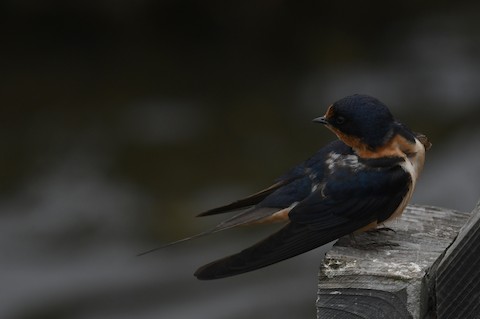
The Bolsa Chica Wetlands host many bird species. One bird stands out as a symbol of this habitat.
This bird is known for its distinct look and special behaviors. It plays an important role in the wetland ecosystem.
Appearance And Features
The signature bird has unique colors and shapes. It is medium-sized and easy to spot near water.
- Feathers are mostly dark with white patches.
- It has a long, sharp beak for fishing.
- Bright yellow eyes stand out on its head.
- Legs are slender and greenish in color.
Behavior And Habits
This bird feeds mainly on fish and small amphibians. It hunts quietly along the water’s edge.
| Behavior | Description |
| Feeding | Stands still and waits to catch prey |
| Nesting | Builds nests in dense reeds |
| Flight | Flies low over water with slow wing beats |
| Calls | Has a sharp, repeated “kek-kek” sound |
Credit: ebird.org
Bird Watching Tips
Bird watching at Bolsa Chica Wetlands is a peaceful way to enjoy nature. The wetlands host many bird species, making it a great spot for beginners and experts.
To have a good experience, you need to know the best times to visit and what gear to bring. These tips will help you see more birds and stay comfortable.
Best Times To Visit
Bird activity changes throughout the day and year. Knowing when to visit can improve your chances of seeing rare and interesting birds.
- Early morning is the best time to see many birds feeding.
- Late afternoon offers good light for photography.
- Winter months bring migratory birds to the wetlands.
- Spring is great for spotting nesting and young birds.
- Avoid midday when birds rest and are less active.
Essential Gear
Having the right gear makes bird watching easier and more enjoyable. Some items help you see better, while others keep you safe and comfortable.
| Gear | Purpose |
| Binoculars | To see birds clearly from a distance |
| Field Guide | To identify bird species |
| Comfortable Shoes | For walking on wet or uneven trails |
| Sun Protection | Hat, sunglasses, and sunscreen for outdoor safety |
| Water Bottle | To stay hydrated during your visit |
| Notebook and Pen | To record your sightings and notes |
Conservation Efforts
The Bolsa Chica Wetlands are home to many bird species. Protecting these birds is important for nature and people.
Conservation efforts help keep the wetlands healthy. These efforts focus on saving the birds and their habitats.
Protecting The Species
Many birds in Bolsa Chica Wetlands face dangers like pollution and habitat loss. Conservation groups work to stop these threats.
They protect nesting areas and clean the wetlands to keep the environment safe. This helps birds find food and shelter.
- Monitor bird populations regularly
- Restore damaged wetlands
- Control invasive plants
- Reduce pollution from nearby areas
Community Involvement
People in the community join in to help protect the birds. They learn about the wetlands and take part in clean-up events.
Volunteers help with planting native plants and watching bird nests. Schools also organize trips to teach students about nature.
- Volunteer for habitat restoration
- Attend educational programs
- Participate in bird watching groups
- Support local conservation projects
Credit: ebird.org
Frequently Asked Questions
What Bird Species Are Commonly Found In Bolsa Chica Wetlands?
Bolsa Chica Wetlands hosts various bird species, including herons, egrets, and pelicans. It is a vital habitat for migratory and resident birds, offering feeding and nesting grounds.
Why Is Bolsa Chica Wetlands Important For Birds?
Bolsa Chica Wetlands provides critical habitat for many bird species. It supports biodiversity, protects endangered birds, and offers a safe environment for breeding and migration.
When Is The Best Time To See Birds At Bolsa Chica?
The best time to observe birds at Bolsa Chica is during the migratory seasons—spring and fall. Early mornings offer the most active bird-watching opportunities.
How Does Bolsa Chica Wetlands Support Endangered Birds?
The wetlands offer safe nesting sites and abundant food sources. Conservation efforts here help protect endangered species like the California least tern and light-footed clapper rail.
Conclusion
The Bolsa Chica Wetlands host many unique birds. You can see herons, egrets, and ducks there. These birds play a big role in the ecosystem. Visiting the wetlands offers a chance to enjoy nature’s beauty. Protecting this area helps keep these birds safe.
Watching birds here can be peaceful and fun. It shows how important wetlands are for wildlife. Take time to explore and learn about these birds. Nature is closer than you think.