Have you ever wondered, what sound does the parrot make? If you’re curious about these colorful birds and their unique voices, you’re in the right place.
Parrots don’t just squawk—they have a range of sounds that can surprise and delight you. Understanding these sounds can help you connect better with parrots, whether you have one as a pet or just want to know more about them.
Keep reading, and you’ll discover the fascinating world of parrot sounds and what they really mean to these smart birds.

Credit: www.youtube.com
Parrot Sounds Basics
Parrots are known for their loud and clear sounds. They use these sounds to communicate with others.
Understanding parrot sounds helps us learn how they express feelings and needs.
Common Parrot Calls
Parrots make different calls for many reasons. They can be happy, scared, or alerting others.
Some common calls include squawks, whistles, and chatters. Each sound has a special meaning.
- Squawks: Loud calls to show excitement or warning
- Whistles: Used to get attention or show happiness
- Chatters: Soft sounds for calm or friendly talk
- Mimicry: Copying sounds from their environment
How Parrots Produce Sound
Parrots create sounds using a special voice box called the syrinx. It is different from human vocal cords.
The syrinx can change shape to make many sounds. Parrots control it with muscles and airflow from their lungs.
- Air passes through the syrinx to make noise
- Muscles adjust the syrinx to change pitch and tone
- Parrots can produce two sounds at once
- Their tongue and beak help shape sounds
Credit: lafeber.com
Types Of Parrot Vocalizations
Parrots are known for their wide range of sounds. They use different calls to express feelings and communicate.
Understanding these sounds helps us learn more about their behavior and needs.
Squawks And Screeches
Squawks and screeches are loud, sharp sounds parrots make. These noises often show alarm or excitement.
They use these calls to warn other birds or get attention from their flock.
- Warning of danger
- Calling for help
- Marking territory
Chirps And Whistles
Chirps and whistles are softer and more musical sounds. Parrots use these to show happiness or calmness.
These sounds help parrots bond with each other and express comfort.
- Greeting other birds
- Expressing contentment
- Communicating during play
Mimicking Human Speech
Many parrots can copy human words and sounds. This skill helps them interact with people.
Mimicking shows their intelligence and helps them join social groups.
- Repeating words they hear often
- Using sounds to get attention
- Learning sounds from their environment
Purpose Of Parrot Sounds
Parrots use sounds to interact with their environment. These sounds help them survive and live well.
Each sound has a special meaning. Parrots use calls to share information with others.
Communication With Flock
Parrots make sounds to talk to their group. They share where they are and what they see.
These sounds keep the flock together and safe. They help parrots know each other’s location.
- Contact calls keep the flock connected
- Group calls warn about food or danger
- Sounds show the parrot’s mood
Warning Signals
Parrots use loud sounds to warn about danger. These calls alert others to stay safe or hide.
Different sounds tell what kind of danger is near. This helps the flock react fast and smart.
- Sharp squawks mean a predator is close
- Rapid calls warn of a sudden threat
- Silent alarm calls can signal quiet danger
Attracting Mates
Male parrots use sounds to attract females. These calls show strength and health to potential mates.
Females listen to these sounds to choose partners. The best calls help parrots find mates and raise young.
- Clear and loud calls show fitness
- Varied sounds display creativity
- Repeated calls keep attention

Credit: www.youtube.com
Parrot Sound Variations By Species
Parrots make many sounds. These sounds help them talk and show feelings. Different parrot species have unique vocal traits.
Understanding their sounds helps us know what they want or feel. This guide explains sounds of three popular species.
Macaw Vocal Traits
Macaws have loud and clear calls. Their sounds carry far in the wild. They use these calls to talk to each other.
Macaws often make screeches and squawks. These noises warn others or show excitement. They can also mimic human speech well.
- Loud screeches for warnings
- Squawks to communicate with flock
- Mimic human words and sounds
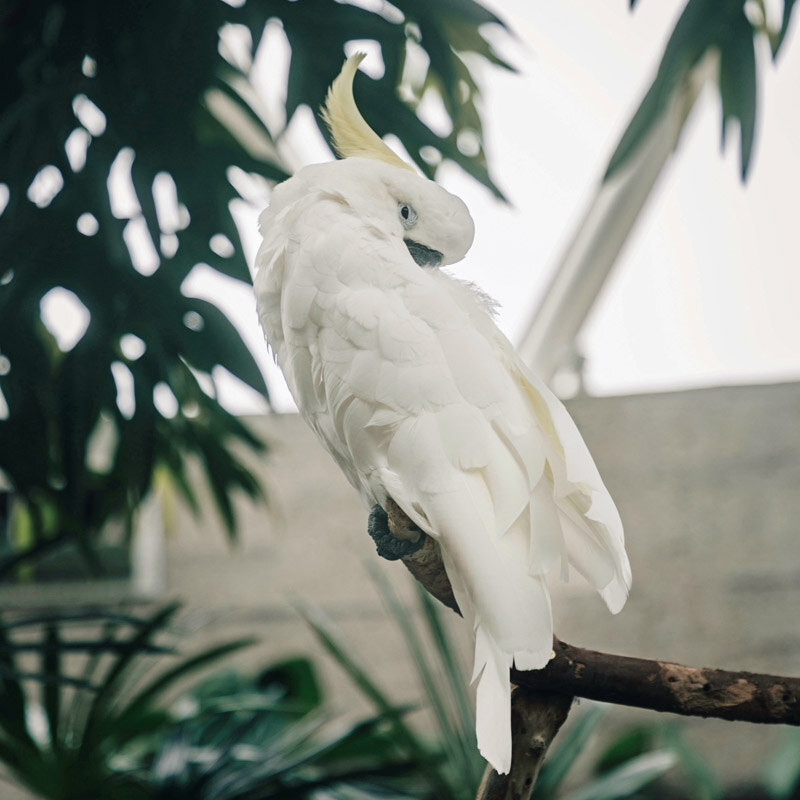
Cockatoo Noises
Cockatoos are known for their creaky calls. Their sounds can be sharp and loud. These noises help them stay connected.
They use whistles and squawks to express joy or alert danger. Cockatoos also copy sounds from their environment.
- Creaky calls to signal presence
- Whistles to show happiness
- Squawks when feeling threatened
- Imitate environmental sounds
Budgerigar Chatter
Budgerigars, or budgies, are small parrots with soft chirps. They produce quick, high-pitched sounds. Budgies love to chatter all day.
They use chirps to greet others and show excitement. Budgerigars can also copy simple words and tunes.
- Soft chirps to communicate
- High-pitched sounds for attention
- Chatter to show happiness
- Simple mimicry of words and tunes
Training Parrots To Talk
Parrots are known for their ability to mimic human speech. Training them to talk takes patience and consistency. It is a fun way to bond with your pet.
Not all parrots will talk, but many can learn words and phrases. The process can be simple if you use the right techniques.
Techniques For Teaching Speech
Start by repeating words clearly and often. Use a calm voice and short phrases. Parrots learn best with daily practice sessions.
Reward your parrot with treats or praise when it tries to mimic sounds. Consistent repetition helps the bird connect words with actions.
- Speak slowly and clearly
- Repeat words several times each day
- Use positive rewards like treats
- Practice in a quiet environment
- Be patient and consistent
Commonly Learned Words
Parrots often learn simple words first. These include greetings and names. They also mimic sounds they hear a lot.
- Hello
- Bye-bye
- Good bird
- Yes and no
- Names of family members
- Simple commands like “come”
They may also copy household sounds like phone rings or doorbells. Repeating favorite words helps them remember better.
Challenges In Parrot Training
Not all parrots talk easily. Some may take longer to learn or never speak. Age, species, and personality affect training success.
Parrots may also get distracted or lose interest. Training needs to be fun and short to keep their attention. Avoid forcing the bird to speak.
- Some species talk better than others
- Young parrots learn faster
- Birds need regular practice
- Distractions can slow progress
- Patience is key to success
Interpreting Parrot Sounds
Parrots use sounds to communicate their feelings and needs. Understanding these sounds helps you know what your parrot wants.
Each sound can show different emotions or behaviors. Learning to interpret these sounds improves your bond with your parrot.
Recognizing Emotions
Parrots make different sounds to show how they feel. Happy parrots often chirp softly or mimic friendly tones.
Angry or scared parrots may scream loudly or make sharp, quick calls. Calm parrots use gentle whistles or quiet chatter.
- Soft chirps mean contentment
- Loud squawks can signal anger or alarm
- Whistles often show happiness
- Rapid calls may indicate fear or excitement
Behavioral Signals
Parrot sounds often link to their behavior. A parrot that repeats sounds may want attention or company.
Squawking during play shows excitement. Quiet periods with soft sounds usually mean relaxation.
- Repeating sounds means seeking attention
- Squawking during activity shows excitement
- Soft talking or humming signals calmness
- Sudden silence might mean the parrot is resting
When To Be Concerned
Some parrot sounds warn of problems. Constant loud screaming can mean stress or pain.
If your parrot suddenly stops making sounds or seems weak, it may need a vet check.
- Nonstop loud squawking might show stress
- Unusual silence could mean illness
- High-pitched screams can signal discomfort
- Changes in sound patterns need attention
Frequently Asked Questions
What Sound Does A Parrot Typically Make?
Parrots usually make squawking, chattering, and mimicking sounds. Their vocal range includes whistles, clicks, and human-like speech. These sounds vary by species and individual.
Can Parrots Mimic Human Speech Clearly?
Yes, many parrots can mimic human speech clearly. They learn words and phrases by listening repeatedly. Some species are better mimics than others.
Why Do Parrots Repeat Sounds They Hear?
Parrots repeat sounds to communicate and socialize. Mimicking helps them bond with humans or other birds. It’s also a natural behavior to attract attention.
Do All Parrots Make The Same Sounds?
No, parrot sounds differ by species and environment. Some are louder and more vocal, while others are quieter. Each species has unique calls and tones.
Conclusion
Parrots make many sounds, from squawks to mimicry. Their calls help them talk and express feelings. Each parrot species has its own unique sounds. Listening closely reveals how smart these birds are. Understanding parrot sounds can improve your bond with them.
Next time you hear a parrot, try to guess its message. Sounds show their mood and needs clearly. Parrots bring joy with their lively chatter and songs. Keep learning about these fascinating sounds every day.