
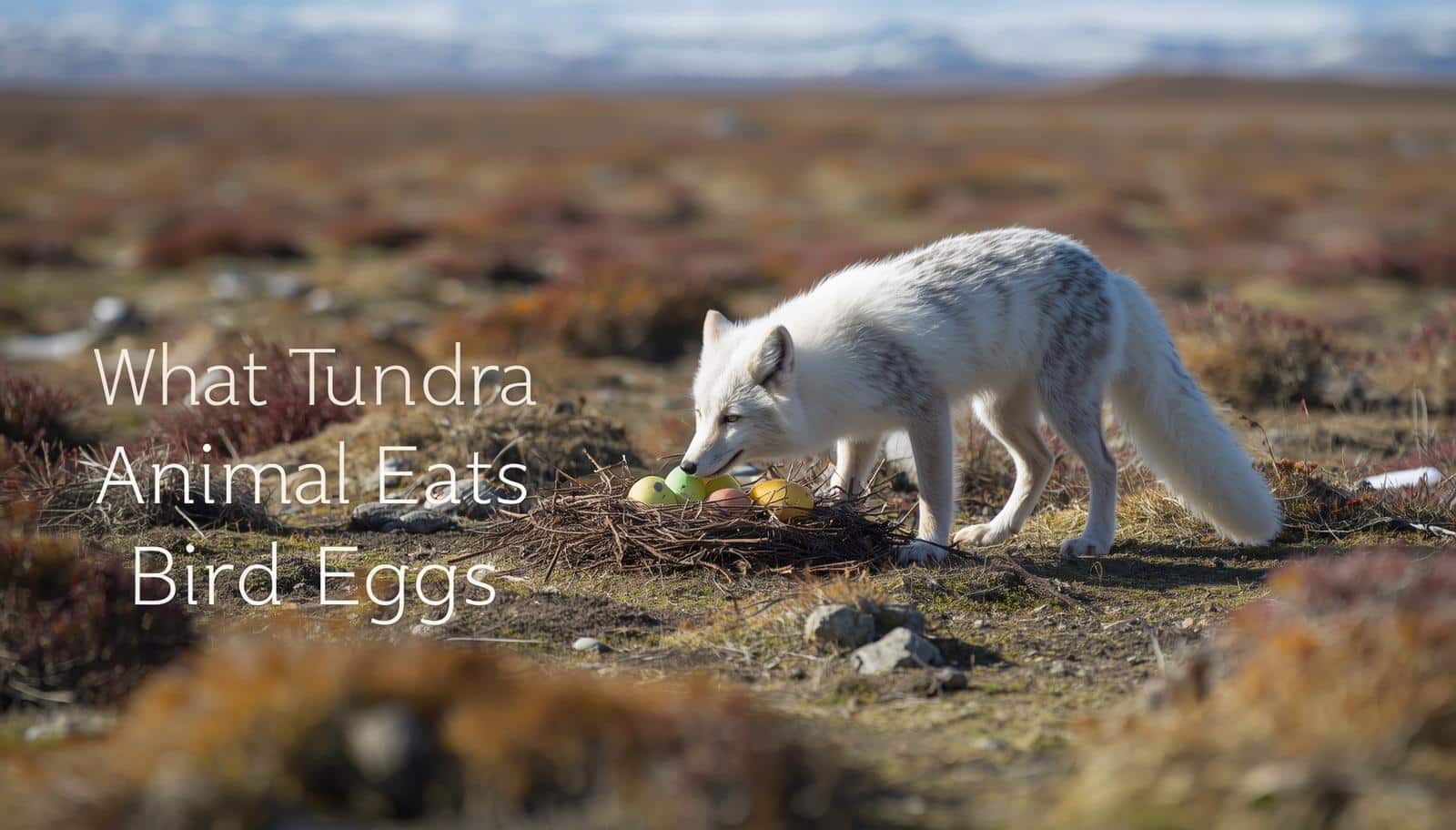
Have you ever wondered What Tundra Animal Eats Bird Eggs and which creatures in the tundra sneakily snack on them? If you’re curious about the hidden players in this icy world, you’re in the right place.
Understanding What Tundra Animal Eats Bird Eggs reveals surprising survival strategies and the delicate balance of this harsh environment. Keep reading to discover the clever creatures that rely on these eggs for food—and why it matters to the entire ecosystem.
Your curiosity is about to be rewarded with some fascinating answers.

Credit: www.youtube.com
Tundra Ecosystem And Its Wildlife
The tundra is a cold and dry biome found in the Arctic and high mountains. It has short summers and long winters with frozen ground called permafrost.
Many animals live in the tundra. Some eat plants, and others eat meat. Some tundra animals eat bird eggs as part of their diet.
Characteristics Of The Tundra
The tundra has very low temperatures and little rainfall. The ground stays frozen most of the year. Only small plants like mosses and lichens grow here.
Because of the harsh climate, animals have special ways to survive. Many have thick fur or fat layers. They also have behaviors to keep warm and find food.
Common Animal Species
Many animals live in the tundra. Some common animals are Arctic foxes, snowy owls, and lemmings. Some of these animals eat bird eggs to get extra food.
Predators like Arctic foxes and ravens often eat eggs from bird nests. This helps them survive when other food is scarce.
- Arctic foxes: Known to raid bird nests for eggs.
- Ravens: Intelligent birds that steal eggs from nests.
- Brown bears: Occasionally eat bird eggs during summer.
- Glaucous gulls: Feed on eggs and young birds.
Bird Species In The Tundra
The tundra is home to many bird species. These birds have special ways to survive the cold. They build nests and lay eggs in this harsh land.
Some tundra birds face many dangers to their eggs. Predators often eat these eggs for food. Understanding bird nesting and egg risks is important.
Nesting Habits
Tundra birds choose places to build nests carefully. They use grass, moss, and feathers to keep eggs warm. Most nests are low to the ground.
- Some birds nest in small groups for protection.
- Others hide nests under rocks or plants.
- Many birds return to the same nesting spot each year.
- Birds lay eggs during the short summer season.
Egg Vulnerability
Eggs in the tundra face many threats. Animals like foxes, gulls, and jaegers eat bird eggs. Weather also makes eggs weak or cold.
| Predator | Type | Impact on Eggs |
| Arctic Fox | Mammal | Steals eggs from nests |
| Glaucous Gull | Bird | Eats eggs and young chicks |
| Long-tailed Jaeger | Bird | Chases birds to drop eggs |
Predators Of Bird Eggs In The Tundra
The tundra is a cold and harsh environment where animals must find food carefully. Bird eggs are a vital food source for many tundra animals. Many predators look for these eggs to survive.
Different types of animals, including mammals, birds, and reptiles, eat bird eggs in the tundra. Each group has unique hunting methods and preferred eggs.
Mammalian Predators
Mammals in the tundra often raid bird nests to find eggs. These predators use their keen sense of smell and sharp claws to access the eggs.
- Arctic foxes dig into nests to steal eggs.
- Weasels climb low shrubs to reach bird nests.
- Brown bears may also eat eggs when other food is scarce.
- Wolves sometimes take eggs during their travels.
Avian Predators
Birds in the tundra also prey on eggs. They are quick and can fly to many nests during the breeding season.
| Bird Species | Eggs They Eat |
| Jaegers | Small shorebird eggs |
| Gulls | Larger bird eggs including waterfowl |
| Ravens | Various ground-nesting bird eggs |
Reptilian And Other Predators
Few reptiles live in the tundra, but some other predators also eat bird eggs. These include insects and small rodents.
- Arctic ground squirrels may eat eggs when food is low.
- Certain beetles feed on eggs or hatchlings.
- Occasionally, snakes found in southern tundra areas take eggs.
Arctic Fox As A Primary Predator
The tundra is home to many animals, but the Arctic fox stands out as a key predator of bird eggs. This small fox lives in cold places and hunts to survive. Bird eggs are an important part of its diet.
Arctic foxes find bird nests hidden in the tundra. They carefully search for eggs to eat. This helps them get food during harsh winters when other prey is scarce.
Diet And Hunting Behavior
Arctic foxes eat many types of food, but bird eggs are a favorite. They hunt by sniffing out nests under snow or plants. These foxes use their sharp senses to find eggs without making much noise.
They often raid the nests of ground-nesting birds. The foxes are quick and careful hunters. Eating eggs helps them get enough nutrients when other animals are not available.
- Bird eggs provide protein and fat
- Foxes use smell and sight to locate nests
- They hunt mostly in spring and summer
- Egg hunting supports survival in harsh climates
Impact On Bird Populations
Arctic foxes can reduce bird numbers by eating many eggs. This affects bird populations, especially for species that nest on the ground. Some birds may have fewer chicks each year.
Birds try to protect their nests by hiding them well or staying close. Still, foxes can find many eggs. This natural predator-prey relationship keeps the tundra ecosystem balanced.
- Egg predation lowers bird breeding success
- Ground-nesting birds are most affected
- Birds develop strategies to guard eggs
- Fox predation helps control bird population size
Other Notable Egg Predators
Many animals in the tundra eat bird eggs to survive. These predators play an important role in the ecosystem. They help control bird populations and recycle nutrients.
Below are some notable tundra animals that prey on bird eggs. They use different hunting strategies to find and eat the eggs.
Jaegers And Skuas
Jaegers and skuas are fierce birds known for stealing eggs and chicks. They often attack smaller birds to get their eggs. These birds are very fast and clever hunters.
- They chase other birds to make them drop eggs.
- They search nests carefully during breeding season.
- They eat eggs and young chicks as a food source.
- They live in coastal and tundra areas.
Brown Bears And Wolverines
Brown bears and wolverines are large mammals that raid bird nests. They use their strong sense of smell to find eggs hidden under plants. Both animals are powerful and can break tough eggshells.
| Animal | Hunting Method | Egg Types Eaten |
| Brown Bear | Smelling nests, digging | Large bird eggs |
| Wolverine | Searching nests, breaking shells | Medium to large eggs |

Credit: nomenugget.com
Adaptations Of Birds To Protect Their Eggs
Birds that live in the tundra face many threats to their eggs. Predators like foxes, ravens, and skuas often try to eat these eggs. To keep their eggs safe, birds have developed special ways to protect them.
These adaptations help birds hide their eggs or scare off attackers. They use clever tricks and strong defenses to make sure their eggs survive until they hatch.
Camouflage And Nesting Strategies
Many tundra birds use camouflage to hide their eggs. Their nests blend into the surroundings, making it hard for predators to find them. Some birds build nests in hidden places like tall grass, rocks, or small holes.
- Use colors that match the ground or plants
- Build nests low to the ground or inside natural covers
- Lay eggs with colors and spots that blend in
- Change nest location if predators are near
Aggressive Defense Mechanisms
Some tundra birds protect their eggs by acting tough. They chase away predators or use loud calls to warn others. Birds like skuas are known to attack animals that come too close to their nests.
| Bird Species | Defense Behavior |
| Skuas | Attack intruders and dive-bomb |
| Arctic Terns | Give loud alarm calls and swoop |
| Snowy Owls | Stay close and glare at threats |
Environmental Factors Influencing Predation
Tundra animals often eat bird eggs to survive. The number of eggs they find changes with the environment.
Predation on bird eggs depends on weather, food availability, and human actions in the tundra.
Seasonal Changes
Winter in the tundra is long and cold, making food scarce for animals. Some predators look for bird eggs in spring and summer.
When snow melts, many birds lay eggs. Predators like foxes and ravens find more eggs to eat during these months.
- Eggs are more available in spring and early summer
- Predators increase hunting activity during warmer months
- Snow cover limits egg access in winter
Human Impact
Humans change the tundra by building roads and settlements. This affects where animals can find bird eggs.
Human presence can attract predators to new areas. They may find more bird eggs near human sites.
- Roads make it easier for predators to travel
- Waste from humans can feed some predators
- Disturbances may reduce bird nesting sites

Credit: www.akwildlife.org
Frequently Asked Questions
Which Tundra Animals Eat Bird Eggs Frequently?
Arctic foxes and polar bears are common tundra animals that eat bird eggs. They rely on eggs as a vital food source during scarce times. These animals are skilled at locating nests and consuming eggs to survive harsh conditions.
How Do Tundra Animals Find Bird Eggs To Eat?
Tundra animals use keen senses like smell and sight to locate bird nests. They often patrol nesting areas and dig into snow or soil to reach eggs. This behavior helps them find food in the sparse tundra environment.
Why Do Tundra Animals Eat Bird Eggs?
Bird eggs provide high protein and fat, essential for tundra animals’ energy needs. Eating eggs helps these animals survive during food shortages in harsh climates. Eggs are easier to find than other prey during certain seasons.
Do All Tundra Predators Eat Bird Eggs?
Not all tundra predators eat bird eggs, but many opportunistic feeders do. Species like Arctic foxes commonly include eggs in their diet. Larger predators may focus more on mammals but will eat eggs if available.
Conclusion
Tundra animals like foxes and ravens often eat bird eggs. These eggs provide important food in harsh environments. Many birds protect their nests carefully. Still, predators find ways to reach the eggs. This natural cycle helps keep the tundra balanced.
Understanding these animals shows how life survives in cold places. It reminds us how nature works together every day.



