When Is the Right Time to Take Down Bird Feeders?
You love seeing colorful birds visit your yard. We all do! Feeding birds means more than just filling a feeder. Knowing When Should You Take down Bird Feeders matters greatly. Removing feeders at the right moment affects bird health, impacts migration patterns, and changes your garden's ecosystem.
Understanding the perfect timing keeps your feathered friends safe and healthy all year. Let's find the best ways to care for your bird feeders so you can keep enjoying birds safely.
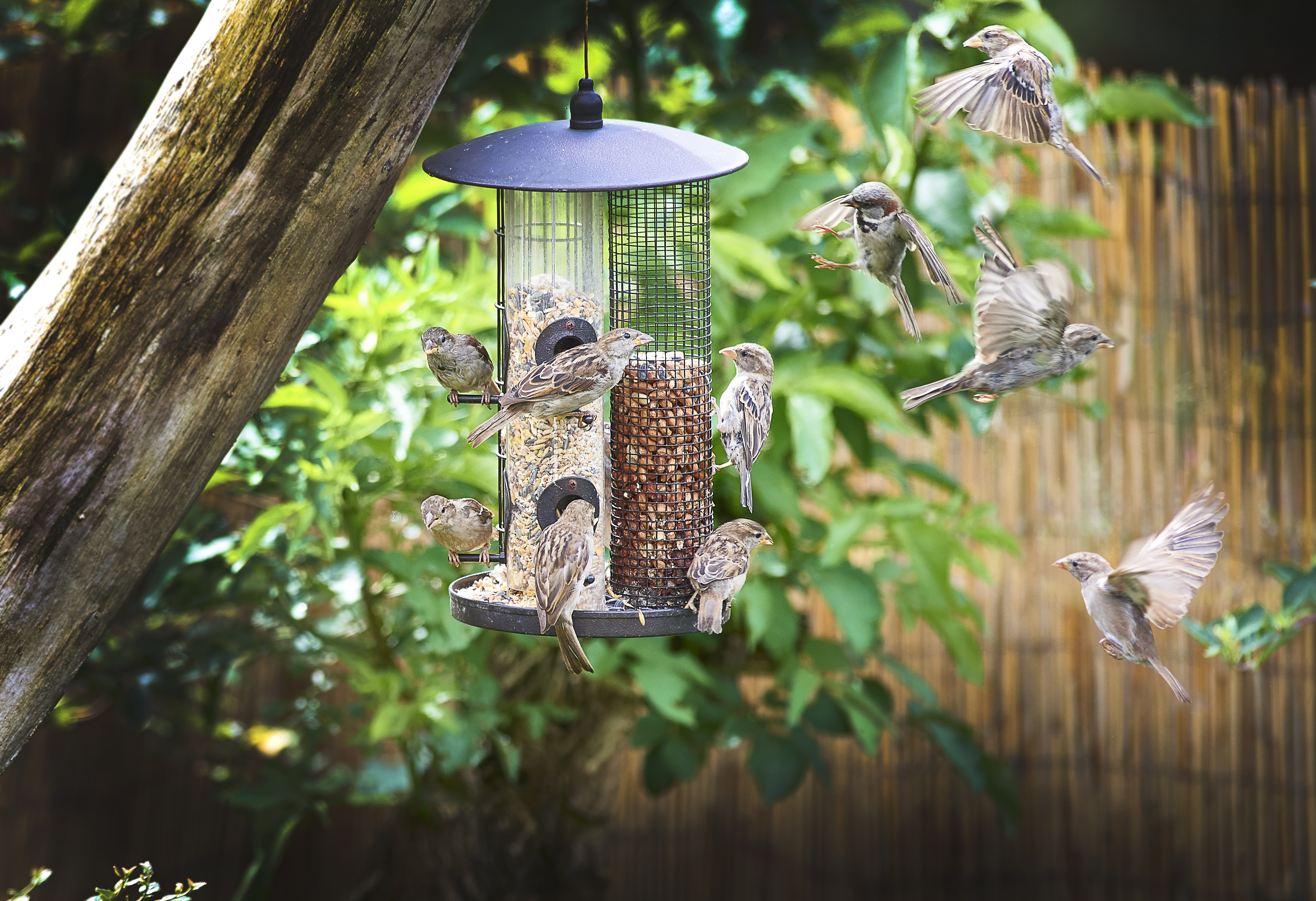
Credit: dengarden.com
Timing for Feeder Removal
Feeders bring joy and food to many birds. Knowing when to take them down is key. It matters for bird health and safety. Removing feeders on time prevents disease. It supports birds during seasonal changes.
- The National Audubon Society advises that the two critical times for removing feeders are late spring and summer. The organization states, "Taking feeders down in late April or May encourages birds to rely on natural foraging during nesting season, which is essential for a balanced diet. More importantly, warmer weather rapidly increases the risk of disease transmission (like Salmonellosis) at crowded feeders, making sanitation breaks mandatory."
Signs to Take Down Feeders
Watch for changes in bird activity near feeders. Fewer visits mean it is time to remove them. Look for spoiled seeds or mold build-up. Watch for droppings near the feeder. These things harm birds. They signal feeder removal is needed.
-
Birds stop visiting the feeder often.
-
Seeds become wet or grow mold.
-
Many droppings gather near the feeder.
-
Unwanted pests gather around the feeder.
Seasonal Use Changes
Seasons change bird feeding habits. Feeders are most useful in winter and early spring. Natural food grows in summer. Birds visit feeders less then. Removing feeders then keeps birds safe.
-
Winter: Feeders give needed food in the cold.
-
Spring: Feeders help birds during breeding season.
-
Summer: Natural food is common; feeders can come down.
-
Fall: Feeders help during migration; check bird activity.

Credit: www.aol.com
Spring and Summer Care
Feeders attract birds and bring joy. Spring and summer need special care. Taking down feeders on time helps birds. It also keeps your yard safe.
Avoiding Nesting Problems
Many birds build nests near feeders in spring. Keeping feeders up can disturb them. Removing feeders stops activity. This noise might scare nesting birds.
-
Check for nests before cleaning feeders.
-
Take down feeders if nests are very close.
-
Put feeders back after baby birds leave.
Preventing Pest Issues
Warm weather brings pests to feeders. Ants, rodents, and squirrels arrive. These pests spread diseases. Removing feeders in warm months lowers pests. This keeps birds healthy.
-
Clean feeders often to remove old seeds.
-
Store seeds in sealed, safe containers.
-
Use squirrel-proof feeders to cut down rodents.
-
Take feeders down if pests become a problem.
Fall and Winter Feeding
Feeding birds in fall and winter helps them survive. They need energy from food to stay warm. You can support them with safe feeding.
Helping Migratory Birds
Migratory birds travel long distances. They do this in spring and fall. Feeders help them rest and refuel. Keep feeders up until most migrants leave your area. This usually means late fall removal.
-
Offer high-energy food like suet.
-
Keep fresh water sources open.
-
Remove feeders once birds have migrated.
Dealing with Cold Weather
Snow and ice cover water and food sources. Feeders give critical help then. Clear ice and snow daily from feeders. Add fresh seed often. Check water sources to keep birds healthy.
-
Use heated bird baths.
-
Place feeders where birds find shelter.
-
Feed consistently to help birds build energy.
Feeder Maintenance All Year
Bird feeders need regular care. This keeps birds happy and healthy. Care all year prevents disease. It also attracts more birds. Knowing when to clean is key. Knowing what food to use helps, too. This guide shows simple steps to follow.
Cleaning and Sanitizing
Clean feeders every two weeks. This stops mold and bacteria growth. Wash all parts with warm water and mild soap. Rinse feeders well after washing. Dry them completely before refilling. This keeps seed fresh.
-
Remove old seed before cleaning.
-
Use a brush for hard-to-reach spots.
-
Disinfect with a bleach and water mix.
-
Rinse well to avoid harming birds.
Choosing the Right Feed
Different seasons need different bird foods. Choose seeds that match local bird needs. Offer high-energy food in winter. Give fresh seeds in spring. This helps birds stay healthy all year.
-
Winter: Use sunflower seeds, suet for energy.
-
Spring: Offer nyjer and millet for small songbirds.
-
Summer: Give mixed seeds and fresh fruit.
-
Fall: Add cracked corn to prepare birds for travel.
Regional Timing Differences
When you take down feeders depends on your location. Different regions have different weather. Bird behavior varies by area. This affects how long feeders stay up. Cold winters mean feeders help birds survive. Warmer places mean birds find food all year. Know these differences to decide.
- A leading expert from the Cornell Lab of Ornithology's Project FeederWatch program emphasizes regional flexibility: "There is no single date for all areas. The best time to stop feeding in spring is when natural food sources become widely available—when tree buds swell, insects emerge, and flowers bloom. In cooler northern regions, this might be June, but in the South, it could be March. Watch your local habitat, not the calendar."
Adjusting for Climate
Climate changes how long birds need feeders. Colder climates mean birds rely on feeders in winter. Keep feeders up until natural food returns in spring. Birds find food all year in warmer regions. Feeders may only be needed during dry times. Pay attention to local weather.
-
Cold regions: Keep feeders through winter; remove in spring.
-
Mild climates: Feeders can stay or be seasonal.
-
Dry areas: Use feeders during migration or drought.
Local Bird Patterns
Bird species and habits change by region. Some birds fly south in winter. Others stay all year. These resident birds need feeders longer. Watching local birds helps you know when to remove feeders. Remove them if fewer birds visit. Keep them up if many birds still rely on them.
-
Migration times vary by species.
-
Resident birds need feeders during tough seasons.
-
Local groups offer good timing advice.
Feeder Use and Bird Health
Feeders bring birds close. They help people enjoy watching. But feeders can cause bird problems if used wrong. Knowing when to take down feeders protects bird health. It still lets you enjoy safe feeding.
Stopping Disease Spread
Feeders can spread diseases if dirty. Birds gather close and share food. This helps germs spread easily. Take down feeders in wet seasons to stop disease. Clean feeders with hot, soapy water. Dry them before putting them back.
-
Remove feeders if you see sick birds.
-
Clean feeders every two weeks.
-
Dry feeders completely after washing.
-
Space feeders out to avoid crowding.
Promoting Natural Foraging
Birds must find food alone for a healthy diet. They also need exercise. Leaving feeders up all year makes birds dependent. Take down feeders in spring and summer. This helps birds find natural food. They find seeds and insects. This supports strong, wild bird populations.
-
Remove feeders before breeding season.
-
Keep your yard bird-friendly with native plants.
-
Offer birdbaths for water.
-
Let natural food sources grow in your yard.
Frequently Asked Questions
When is the best time to take down bird feeders?
The best time is late spring or early summer. This prevents dependency. It also lowers disease risk during breeding.
Should I remove feeders during bird migration?
Remove feeders after migration seasons. This encourages natural foraging. It helps maintain healthy migration patterns.
How does weather affect when to remove feeders?
Extreme weather signals when to remove them. Hot summers or harsh winters mean temporary removal. This protects birds and seed quality.
Can keeping feeders year-round harm birds?
Yes, constant feeders cause dependency. They also spread disease. Seasonal removal helps birds keep natural feeding habits.
Conclusion
Taking down feeders at the right time helps your birds. It also protects your garden. Avoid leaving feeders out during hot months. Do this when disease risks are higher. Watch for signs birds are not visiting much. Clean feeders often to keep birds healthy.
Keep feeders up in cold months for food. Timing is important to keep birds safe. Caring for feeders shows you respect nature. Enjoy watching birds. But know when to pause the feeding. Your efforts help local birds all year.