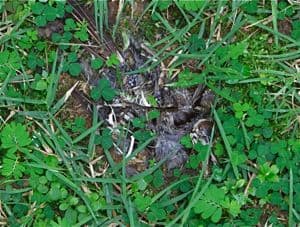
Have you ever spotted a bird lifelessly lying on the ground? It’s not a common sight, is it?
This intriguing mystery of where birds go to die captures the curiosity of many. You might find yourself pondering this question during a peaceful stroll in the park or while observing birds from your window. This article delves into the enigmatic journey of birds during their final moments.
Understanding this aspect of their lives can enrich your appreciation for these feathered friends. Stick around, and you might just uncover a surprising answer to this age-old question.

Credit: medium.com
Birds’ Final Destinations
Birds have different places where they go when they die. These places depend on many things.
Understanding where birds end up helps us learn about their habits and nature.
Common Places Birds Choose
Birds often die in quiet and safe spots. These places protect their bodies from danger.
Many birds die near water, trees, or hidden areas. These spots help keep them hidden from animals.
- Under thick tree branches
- Near ponds, lakes, or rivers
- Inside dense bushes or shrubs
- On high cliffs or rocky ledges
- In tall grass or fields
Factors Influencing Location Choice
Birds’ final resting places depend on their health and environment. Some die during flight or while searching for food.
Weather, predators, and injuries also affect where birds end their lives. Strong winds or storms can push them off course.
- Bird species and size
- Nearby predators or threats
- Weather conditions at the time
- Availability of shelter or cover
- Cause of death, like injury or illness
Natural Behaviors Before Death
Birds show certain behaviors before they die. These actions help them find comfort and safety. Understanding these signs helps us learn about their natural life cycle.
These behaviors include changes in movement, finding shelter, and resting. Birds often hide to protect themselves from danger in their final days.
Signs Of Decline In Birds
Sick or dying birds move less and look weak. They may stop eating or drinking. Their feathers can appear ruffled or dirty.
Birds might lose balance or have trouble flying. They become quiet and avoid other birds. These signs show their health is failing.
- Less movement and weak posture
- Loss of appetite and thirst
- Ruffled or unkempt feathers
- Difficulty flying or standing
- Isolation from other birds
Seeking Shelter And Safety
Birds look for safe places to rest when they feel weak. They hide in bushes, trees, or high places. This helps protect them from predators.
Finding shelter also gives birds a quiet spot to rest. They stay hidden until their body can no longer hold on. This behavior is a natural part of their final moments.
- Hiding in dense bushes or trees
- Choosing high or secluded spots
- Staying still and quiet
- Avoiding other animals and birds
Nature’s Role In Bird Decomposition
When birds die, nature begins a process to break down their bodies. This process helps return nutrients to the earth. It is a natural cycle that supports life.
Different parts of nature work together to decompose birds. Scavengers and decomposers play key roles in this process. Their work helps keep the environment healthy.
Scavengers And Decomposers
Scavengers are animals that eat dead birds. They help break down the body quickly. Common scavengers include crows, vultures, and foxes.
Decomposers are tiny organisms like bacteria and fungi. They finish the job by breaking down the bird’s tissues. This process turns the body into nutrients.
- Crows and vultures remove large pieces of the bird.
- Foxes and other mammals help by tearing the body apart.
- Bacteria and fungi break down soft tissues and bones.
Environmental Impact
Bird decomposition returns nutrients to the soil. These nutrients help plants grow strong and healthy. The cycle supports the whole ecosystem.
Decomposition also prevents the spread of disease. Scavengers and decomposers remove dead matter quickly. This keeps the environment clean and safe.
- Nutrients from birds enrich the soil.
- Plants grow better with these nutrients.
- Quick removal of dead birds stops disease.
- The ecosystem stays balanced and healthy.
Human Impact On Bird Mortality Sites
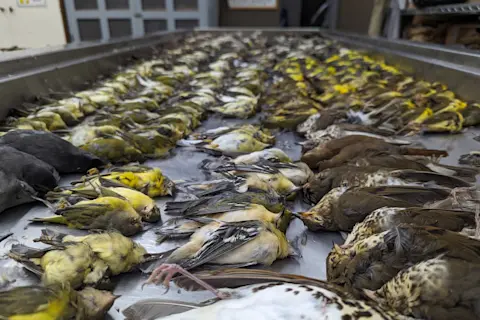
Birds often die in specific places called mortality sites. These sites can be natural or affected by humans. Human actions have changed where birds go to die.
Understanding these changes helps us protect birds and their habitats better. Human impact on these sites is important to study for bird conservation.
Urban Vs. Rural Differences
Bird mortality sites in cities differ from those in rural areas. Cities have more buildings and traffic, which cause different risks for birds.
Rural areas have fewer man-made dangers but face risks like farming machines and predators. These differences affect where birds die and are found.
- Urban sites see more window collisions and car strikes
- Rural sites have risks from pesticides and farm equipment
- Predators are more common in rural bird mortality areas
- Urban areas may lack safe places for birds to rest
Conservation And Protection Efforts
Many groups work to protect bird mortality sites. They focus on reducing human harm and improving bird safety in these areas.
Actions include creating safe zones, reducing hazards, and raising public awareness. These efforts help lower bird deaths caused by humans.
- Installing bird-friendly glass to prevent collisions
- Setting up protected habitats away from dangers
- Using signs to alert drivers in bird crossing areas
- Educating people about birds and their risks
Research Methods In Studying Bird Deaths
Scientists use many ways to learn where birds go to die. They study bird deaths to understand threats to their lives.
Research helps protect birds and their habitats. Careful tracking and monitoring are key parts of this work.
Tracking And Monitoring Techniques
Researchers use technology to follow birds and find where they die. GPS trackers and radio tags are common tools.
Scientists also watch birds from afar using cameras and drones. These tools help see bird behavior without disturbing them.
- GPS trackers show exact bird locations
- Radio tags send signals to locate birds
- Cameras record bird activity in natural places
- Drones provide aerial views of bird habitats
Challenges Faced By Scientists
Studying bird deaths is hard because birds move fast and far. It is not easy to find dead birds in the wild.
Weather and rough terrain make tracking difficult. Sometimes, bird signals stop working or batteries die.
- Birds travel long distances quickly
- Dead birds often hide in dense areas
- Equipment can fail due to weather
- Finding exact death spots is tough
Credit: www.discovermagazine.com

Credit: www.reddit.com
Frequently Asked Questions
Where Do Birds Usually Go To Die?
Birds often die in hidden, quiet places like dense shrubs or tall trees. This keeps them safe from predators and harsh weather.
Why Do Birds Choose Remote Spots To Die?
Remote spots provide safety from predators and reduce the risk of disease spread. Birds instinctively seek solitude during their final moments.
Do Birds Migrate Before They Die?
Birds do not migrate specifically to die. Migration is for survival and breeding, not related to their death locations.
What Happens To Birds After They Die?
Dead birds decompose naturally or become food for scavengers. This process helps recycle nutrients in the ecosystem.
Conclusion
Birds usually find quiet, safe places to rest when they die. Many choose hidden spots like trees or tall grass. Some die near water or in secluded areas. Their bodies help nature by feeding other animals and plants. Understanding where birds go to die teaches us about life and nature’s cycle.
It reminds us that every creature has a role, even in the end. Nature takes care of them gently and quietly. This knowledge helps us appreciate birds and the world they live in.