
Have you ever wondered which bird can fly the longest without stopping? Imagine soaring through the sky for days straight, covering thousands of miles without taking a break.
This incredible feat might surprise you and change the way you see the natural world. If you’re curious about the ultimate endurance champion of the bird kingdom, keep reading—what you’ll discover will amaze you and maybe even inspire your next adventure.
Credit: www.birdfy.com
Record-breaking Nonstop Flights
Some birds fly incredible distances without stopping. Their nonstop flights break records for endurance and speed. These journeys show nature’s power and the birds’ amazing skills.
Scientists study these flights to learn how birds survive long trips. They look at which birds fly the farthest without rest.
Longest Known Migration
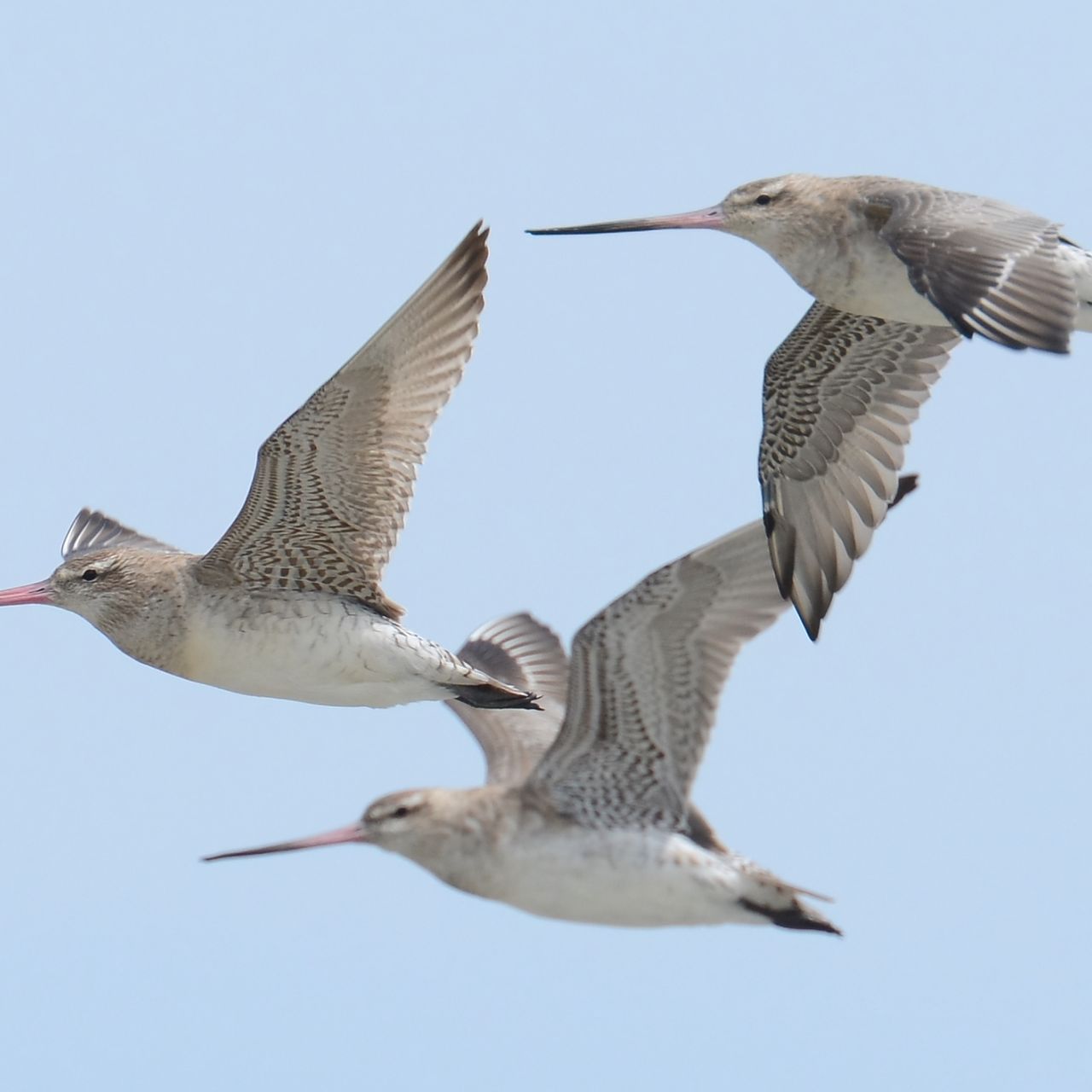
The bird with the longest nonstop migration is the bar-tailed godwit. It flies over 7,000 miles without stopping. This trip can last up to 11 days straight.
It travels from Alaska to New Zealand in one nonstop flight. This is the longest known nonstop flight by any bird.
Factors Behind Extended Flights
Birds that fly nonstop have special features. They store fat to use as fuel during long flights. Their bodies also save energy by reducing weight before the trip.
Good wind conditions help birds fly farther. They use air currents to glide and save energy. Strong muscles and efficient breathing also support long flights.
- Fat storage for energy
- Light body weight
- Using wind currents
- Strong flight muscles
- Efficient breathing
Comparison Of Top Migratory Birds
Several birds make long nonstop migrations. Here is a comparison of some top migratory birds and their nonstop flight distances.
| Bird | Nonstop Flight Distance | Route |
|---|---|---|
| Bar-tailed Godwit | 7,000+ miles | Alaska to New Zealand |
| Great Snipe | 4,000 miles | Europe to Africa |
| Common Swift | 2,200 miles | Europe to Africa |
| Grey-headed Albatross | 2,000 miles | South Atlantic Ocean |
Credit: timesofindia.indiatimes.com
Bar-tailed Godwit’s Epic Journey
The Bar-Tailed Godwit is a bird known for its incredible nonstop migration. It flies thousands of miles without stopping. This journey is one of the longest nonstop flights in the bird world.
Scientists study these birds to learn how they travel such long distances. Their journey shows amazing endurance and skill.
Flight Distance And Duration
Bar-Tailed Godwits can fly over 7,000 miles without stopping. They travel from Alaska to New Zealand in one continuous flight. This trip can take about 8 to 11 days nonstop.
This distance is the longest known nonstop flight for any bird. It means these birds can stay in the air for a very long time without resting.
Navigation And Energy Strategies
The Bar-Tailed Godwit uses the sun, stars, and Earth’s magnetic field to find its way. It knows the route without stopping to check landmarks.
Before the flight, the bird eats a lot to build up fat. This fat acts as fuel for the long trip. It also reduces its body weight by shrinking organs to save energy.
- Uses sun and stars for direction
- Detects Earth’s magnetic field
- Eats to build fat reserves
- Reduces body weight for efficiency
Scientific Tracking Methods
Scientists use tiny GPS trackers to follow the godwits’ flights. These devices record the bird’s location and flight path. This data helps understand their migration patterns.
Tracking shows the exact route and flight time. It also helps learn how weather affects their journey. This technology gives new insights into bird migration.
Other Notable Long-distance Migrants
Many birds travel thousands of miles during migration. These journeys help them find food and better climates. Here are some famous long-distance migrant birds.
Each bird uses special routes and skills to complete its trip. Their travels show the power of nature and survival.
Arctic Tern’s Polar Routes
The Arctic Tern flies from the North Pole to the South Pole each year. It covers about 25,000 miles in total. This bird sees two summers every year.
- Breeds in the Arctic during summer
- Flies to Antarctica for the southern summer
- Uses wind currents to save energy
- Can live up to 30 years, making many trips
Sooty Shearwater’s Ocean Crossings
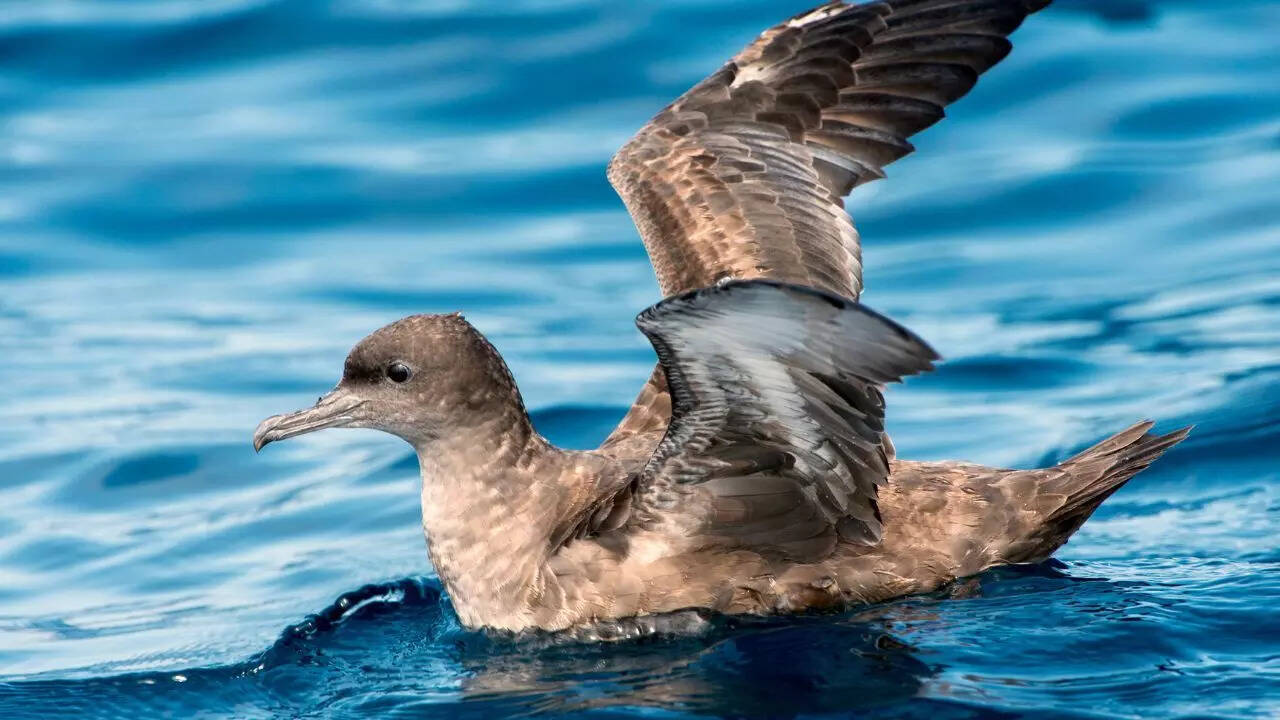
Sooty Shearwaters travel across the oceans from New Zealand to the North Pacific. They fly over 40,000 miles yearly. Their trip is one of the longest continuous ocean flights.
| Migration Stage | Distance (miles) | Region |
|---|---|---|
| New Zealand to North Pacific | 20,000 | Pacific Ocean |
| North Pacific to New Zealand | 20,000 | Pacific Ocean |
| Total Annual Flight | 40,000 | Global Ocean |
Swallow’s Seasonal Travels
Swallows migrate between Europe and Africa. They travel to warmer places during winter. Their flight includes many stops to rest and eat.
Swallow Migration Facts:
- Fly up to 4,000 miles each way
- Use landmarks like rivers and mountains
- Gather in large groups before migration
- Feed on flying insects during flight

Credit: timesofindia.indiatimes.com
Physiology Supporting Nonstop Flights
Some birds can fly for days without stopping. Their bodies have special features that help them do this. These features support long nonstop flights during migration.
Understanding these features explains how birds manage to travel such great distances without rest.
Muscle And Fat Adaptations
Birds build strong muscles for long flights. Their flight muscles have many mitochondria. These mitochondria produce energy efficiently. Birds also store extra fat before migration. Fat gives them energy that lasts a long time.
- High muscle density for endurance
- Large stores of fat as fuel
- Fat burns more energy than carbohydrates
- Muscles adapt to use fat efficiently
Respiratory Efficiency
Birds have lungs and air sacs that work well together. This system lets fresh air flow through lungs in one direction. It means more oxygen reaches the blood. Oxygen is key for muscle work during flight.
| Feature | Benefit |
| Air sacs | Keep air moving through lungs |
| One-way airflow | More oxygen absorbed |
| Thin lung walls | Faster oxygen transfer |
Metabolic Changes During Migration
Birds change how their body uses energy during migration. They slow down some body functions to save energy. Their metabolism shifts to burn fat instead of sugar. This keeps their energy steady over long flights.
Key metabolic changes include:
- Increased fat burning
- Reduced protein use
- Lowered energy spent on non-flight activities
- Improved efficiency in muscle energy use
Environmental Challenges Faced
Birds that migrate nonstop for long distances face many challenges. These challenges affect their survival and success during migration. Understanding these helps us appreciate their strength and endurance.
This article covers the main environmental challenges such as weather, predators, and habitat changes that impact their nonstop journeys.
Weather And Wind Patterns
Weather plays a big role in nonstop migration. Birds rely on wind patterns to save energy. Strong headwinds can slow them down and use more energy. Storms can force birds off course or delay their trip.
- Tailwinds help birds fly faster and save energy.
- Headwinds make flying harder and take more time.
- Storms can cause exhaustion or injury.
- Temperature changes affect their body heat and energy use.
Predator Avoidance
During migration, birds face many predators. These include larger birds, mammals, and even humans. Birds must stay alert and choose safe routes to avoid attacks. Flying nonstop helps reduce stops where predators wait.
| Predator Type | Threat Level | Common Avoidance Method |
| Birds of Prey | High | Fly at high altitudes |
| Mammals | Medium | Limit resting on ground |
| Humans | Variable | Avoid populated areas |
Habitat Changes Impact
Changes in habitats affect where birds can rest and find food if they stop. Loss of wetlands and forests reduces safe spots. Climate change also shifts habitats, making migration routes harder to predict.
Key habitat changes include:
- Deforestation reduces shelter and food supply.
- Wetland drainage removes resting sites.
- Urban growth creates barriers and dangers.
- Climate shifts alter timing and availability of resources.
Technological Advances In Migration Research
Scientists study bird migration to learn how far and fast birds travel. New technology helps track birds better than before.
This helps us understand which bird flies nonstop the longest and how they do it.
Satellite Tracking Innovations
Satellite tracking uses signals from space to find birds’ exact locations. This lets researchers follow birds over long distances.
Satellites send data about birds’ routes and resting stops. This helps map their nonstop flights clearly.
- Tracks birds across oceans and continents
- Provides real-time movement data
- Works even in remote areas
Miniaturized Gps Devices
Small GPS devices are light enough to attach to birds without harm. These devices record precise travel paths.
Mini GPS trackers help study small birds that travel long nonstop distances. They give detailed data on speed and altitude.
- Weigh only a few grams
- Store data for later download
- Help track smaller bird species
Data Analysis Techniques
Scientists use computers to analyze migration data from tracking devices. This shows patterns and flight behaviors.
Advanced software helps predict migration routes and nonstop flight lengths. It also compares different bird species.
- Uses maps and graphs for clear results
- Detects rest stops and flight speed changes
- Helps understand energy use during flight
Frequently Asked Questions
Which Bird Migrates Nonstop The Longest Distance?
The bar-tailed godwit holds the record for the longest nonstop migration. It flies over 12,000 kilometers without stopping. This remarkable journey spans from Alaska to New Zealand. Its endurance is unmatched in the bird world.
How Long Does The Longest Nonstop Bird Flight Last?
The bar-tailed godwit’s longest nonstop flight can last up to 11 days. It flies continuously without landing. This incredible feat showcases its stamina and navigational skills during migration.
Why Do Some Birds Migrate Nonstop For Long Distances?
Nonstop migration helps birds conserve energy by avoiding stopovers. It reduces exposure to predators and harsh weather. Birds like the bar-tailed godwit rely on stored fat for fuel. This strategy ensures faster and safer travel.
What Adaptations Help Birds Fly Nonstop Long Distances?
Birds have efficient respiratory systems and strong muscles. They store large fat reserves for energy. Aerodynamic body shapes reduce air resistance. These adaptations enable species like the bar-tailed godwit to endure nonstop flights.
Conclusion
The bar-tailed godwit holds the record for the longest nonstop migration. Its journey amazes scientists and bird lovers alike. Flying from Alaska to New Zealand, it covers 7,000 miles. This remarkable feat shows nature’s wonders and the resilience of wildlife.
Understanding bird migrations enriches our knowledge of the natural world. It reminds us of the interconnectedness of ecosystems. Let’s appreciate these incredible journeys and protect their habitats. Every migration tells a story. A story of endurance, strength, and survival. Birds inspire us with their incredible journeys across the skies.



