

Have you ever looked up at the sky and wondered which birds are traveling thousands of miles to reach Europe? Every year, millions of birds make incredible journeys, crossing continents and oceans to find the perfect place to live and breed.
If you’re curious about these amazing travelers and want to know Which Birds Migrate to Europe, you’re in the right place. By understanding which birds migrate to Europe, you’ll not only impress your friends with fascinating facts but also deepen your connection with nature.
Keep reading to discover the most remarkable bird migrants and why their journeys matter to you.
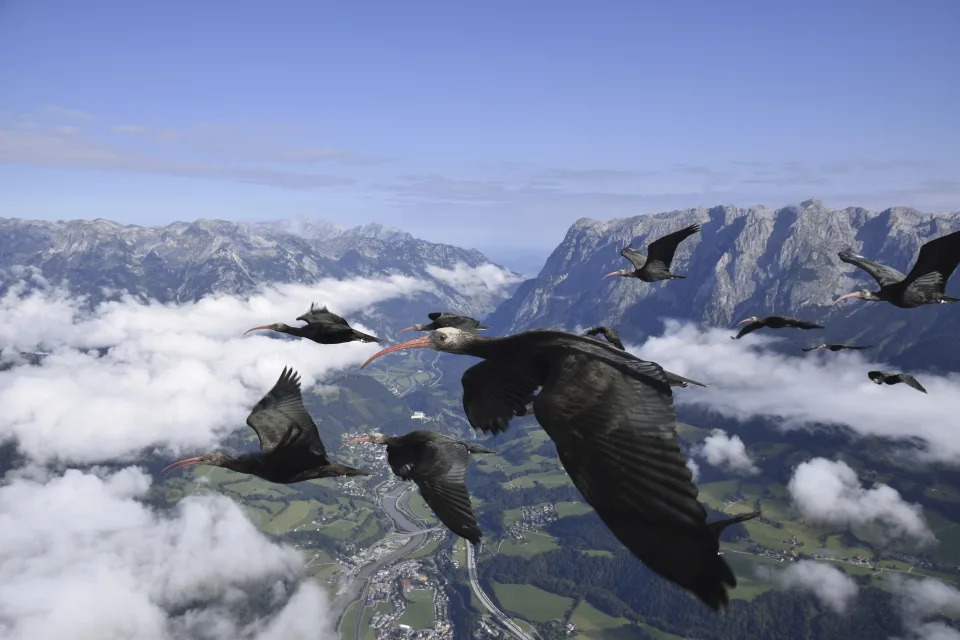
Credit: www.yahoo.com
Common Migratory Birds In Europe
Many birds travel long distances to reach Europe during migration. These birds come from different regions and climates. They find food and safe places to rest here.
Bird migration is a natural event that happens each year. It helps birds survive by moving to better environments.
Swallows And Martins
Swallows and martins are small birds that migrate to Europe in spring. They catch insects while flying and build nests in open areas. These birds return to Africa in autumn.
- Barn Swallow
- House Martin
- Sand Martin
Warblers
Warblers are tiny songbirds that come to Europe to breed. They prefer bushes and trees. Warblers eat insects and berries. Many species migrate from Africa and Asia.
| Species | Winter Location |
| Willow Warbler | Sub-Saharan Africa |
| Chiffchaff | Southern Europe, North Africa |
| Blackcap | Western Africa |
Raptors
Raptors are birds of prey that migrate to Europe. They hunt small animals and birds. These strong flyers travel thousands of kilometers to find food and warm weather.
Common migratory raptors include:
- Osprey
- Common Buzzard
- Red Kite
- Honey Buzzard
Waterfowl
Waterfowl such as ducks, geese, and swans migrate to Europe for breeding. They prefer wetlands, lakes, and rivers. These birds often travel in large groups during migration.
- Common Teal
- Greylag Goose
- Whooper Swan
- Gadwall
Researchers explain the efficiency of flocking: "When large waterfowl like Geese and Swans migrate in a 'V' formation, it isn't just for organization. It is a complex aerodynamic strategy called vortex surfing. By flying in the updraft created by the bird in front, each follower can reduce their heart rate and energy expenditure by up to 15%, which is critical for surviving the thousands of kilometers journey across Europe."
Key Migration Routes To Europe
Many bird species migrate to Europe each year. They follow certain paths called flyways. These routes help them find food and safe places to rest.
Understanding these key migration routes helps us know where birds come from and how they travel. The main flyways to Europe are the Western Flyway, Eastern Flyway, and Mediterranean Flyway.
Western Flyway
The Western Flyway runs along the Atlantic coast. Birds use this route from northern Europe down to West Africa. It is popular for species like storks, swallows, and many waterfowl.
- Starts in northern Europe
- Follows the Atlantic coast
- Crosses Spain and Portugal
- Ends in West Africa
- Used by storks and swallows
Eastern Flyway
The Eastern Flyway goes through eastern Europe and western Asia. Birds flying this path reach Africa or South Asia for winter. Many raptors and cranes use this route.
| Flyway Section | Main Birds | Winter Area |
| Eastern Europe | Raptors, Cranes | East Africa |
| Western Asia | Storks, Geese | South Asia |
Mediterranean Flyway
The Mediterranean Flyway crosses southern Europe. It passes over the Mediterranean Sea to reach North Africa. Many songbirds and birds of prey use this route.
Key features of the Mediterranean Flyway:
- Starts from southern Europe
- Crosses Mediterranean Sea
- Ends in North Africa
- Used by songbirds and birds of prey
- Important stopover sites along coastlines
Seasonal Patterns Of Migration
Many birds travel to Europe during certain seasons. This movement is called migration. Birds move to find food and better weather.
Migration follows a clear seasonal pattern. Birds arrive in spring and leave in autumn. This helps them survive and raise their young.
Spring Arrivals
In spring, many birds fly to Europe from warmer places. They come to breed and find food. The days get longer and warmer, which helps plants and insects grow.
Some common spring arrivals include swallows, storks, and warblers. These birds travel thousands of miles to reach Europe in time for spring.
- Swallows return from Africa to nest in Europe.
- White storks arrive to build large nests.
- Warblers come to find insects for food.
Autumn Departures
In autumn, birds leave Europe to avoid cold weather. They fly to warmer regions in Africa and southern Asia. This helps them find food during winter.
Birds like geese, cranes, and swifts begin their journey south. They travel in groups to stay safe and save energy.
- Geese fly south to find open water and food.
- Cranes travel in large flocks to wintering grounds.
- Swifts leave Europe before cold weather starts.
Habitat Preferences During Migration
Many birds migrate to Europe each year. They choose habitats that meet their needs during travel.
These habitats provide food, shelter, and rest. Different birds prefer different types of places.
Wetlands And Lakes
Wetlands and lakes offer rich food sources. Migrating waterfowl and waders often stop here to feed and rest.
- Ducks and geese feed on aquatic plants and small fish.
- Herons and egrets hunt frogs and insects.
- Sandpipers and plovers search for invertebrates in mudflats.
Forests And Woodlands
Forests provide shelter and food for many songbirds and raptors during migration. These areas protect birds from bad weather.
| Bird Type | Food Source | Reason for Habitat |
| Thrushes | Insects and berries | Cover and food |
| Woodpeckers | Insects in tree bark | Food and nesting sites |
| Hawks | Small mammals and birds | Good hunting grounds |
Grasslands And Fields
Open grasslands and fields attract ground-feeding birds. They find seeds, insects, and shelter in these areas.
Common birds in grasslands during migration include:
- Larks searching for seeds
- Skylarks singing in open fields
- Wagtails hunting insects
Challenges Faced By Migratory Birds
Migratory birds travel thousands of miles each year. They face many dangers along the way. These dangers affect their survival and ability to reach their destinations.
We will look at three main challenges: climate change effects, habitat loss, and human interference. Each of these threats makes migration harder for birds.
Climate Change Effects
Climate change changes weather patterns and temperatures. These changes can confuse birds about when to start migrating. It can also affect the food they find along the way.
- Shifts in migration timing
- Loss of food sources
- Increased storms and harsh weather
Habitat Loss
Birds need safe places to rest and feed during migration. Many wetlands and forests are disappearing. This loss leaves birds with fewer stops to recover energy.
| Habitat Type | Cause of Loss |
| Wetlands | Drainage and farming |
| Forests | Logging and urban growth |
| Grasslands | Development and agriculture |
Human Interference
Humans affect migratory birds in many ways. Hunting, pollution, and buildings cause injuries and deaths. Lights from cities can confuse birds at night.
Key human threats to migratory birds include:
- Hunting and trapping
- Collisions with windows and towers
- Pollution of air and water
- Light pollution disturbing night flights
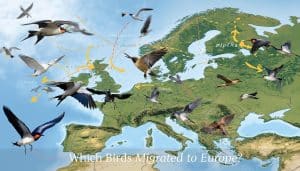
Credit: www.livingwithbirds.com
How To Spot Migratory Birds In Europe
Many birds travel long distances to Europe each year. These birds move to find food and better weather.
Spotting these birds can be fun and rewarding. Knowing where and when to look helps a lot.
Best Birdwatching Locations
Europe has many great spots for seeing migratory birds. Look for wetlands, forests, and coasts.
- The Camargue in France is great for flamingos and herons.
- Doñana National Park in Spain hosts many ducks and storks.
- The Danube Delta in Romania is rich with waterfowl.
- The British Isles attract many songbirds and raptors.
- Lake Kerkini in Greece is a good place for pelicans and cranes.
Timing Your Visits
Bird migration happens mostly in spring and autumn. Birds travel north in spring and south in autumn.
Early mornings and late afternoons are best times to see birds. Watch for changes in weather too.
- Spring migration: March to May
- Autumn migration: August to October
- Early morning and late afternoon for active birds
Essential Birdwatching Gear
Bring simple gear to improve your birdwatching experience. Good tools help you see and identify birds.
- Binoculars with clear lenses
- A field guide or bird ID app
- Comfortable clothing and shoes
- Notebook to record your sightings
- Camera for photos, if you like

Credit: awesomewildlifeco.co.uk
Frequently Asked Questions
Which Birds Commonly Migrate To Europe Annually?
Many birds migrate to Europe yearly, including swallows, storks, and warblers. These species travel to breed or find food during warmer seasons.
When Do Most Birds Migrate To Europe?
Most bird migrations to Europe occur in spring and autumn. Birds return north in spring to breed and head south in autumn for warmer climates.
Why Do Birds Migrate To Europe?
Birds migrate to Europe mainly for breeding and feeding. The continent offers abundant food and suitable nesting sites during warmer months.
How Far Do Birds Migrate To Reach Europe?
Bird migration distances vary widely, from a few hundred to thousands of kilometers. Some species travel from Africa or Asia to Europe for breeding.
Conclusion
Bird migration to Europe is a fascinating journey. Many birds travel long distances. They seek warmer climates and better food sources. Europe attracts diverse bird species each year. These migrations are vital for bird survival. Observing these birds offers unique learning experiences.
It helps us understand nature's cycles. Birdwatchers eagerly await these seasonal visitors. Their presence enriches Europe’s ecosystems. Migration showcases birds' resilience and adaptability. Protecting their habitats is crucial. It ensures their safe return every year. So, next spring, watch the skies.
Witness this incredible natural event. Learn from the birds' impressive journeys. They remind us of nature's wonders.


