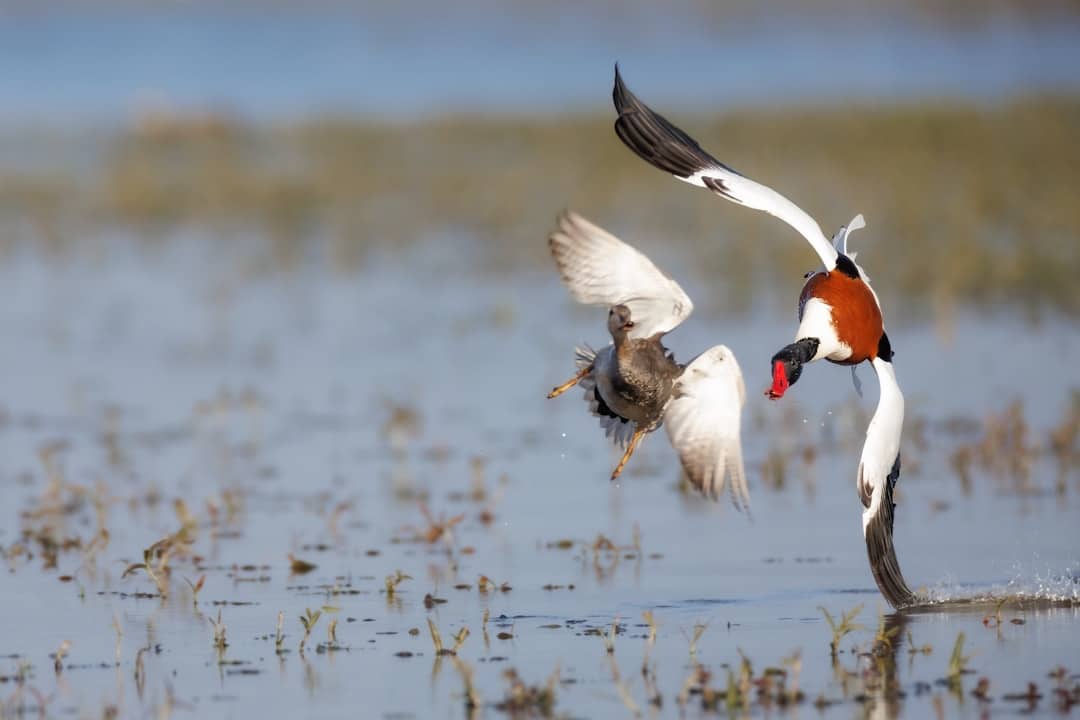
Have you ever wondered why so many birds flock to wetlands? These unique places are more than just water and mud—they are vital homes for countless bird species.
If you care about birds and nature, understanding why wetlands matter is key. You’ll discover how wetlands support birds’ survival, help them thrive, and keep our environment healthy. Keep reading to find out why protecting these special habitats is crucial for the birds you love.

Credit: www.numberanalytics.com
Role Of Wetlands For Birds
Wetlands are areas where water covers the soil or is near the surface. They provide many benefits to birds. These habitats support birds at different life stages.
Birds rely on wetlands for food, shelter, and safe places to raise their young. Protecting wetlands helps bird populations stay healthy and highlights the Wetlands Important to Bird Species.
Strengthen Expertise by citing USGS data: Wetlands support breeding, feeding, and shelter for species like grebes, which depend entirely on them. Replace vague “many benefits” with “Wetlands host 50% of North America’s migratory birds per U.S. Fish & Wildlife Service.”
Breeding Grounds
Wetlands offer safe spaces for birds to breed. The water and plants help protect nests from predators. Birds choose wetlands to lay eggs and raise chicks.
Many bird species need wetland conditions to breed successfully. The environment provides clean water and food for growing chicks.
Nesting Sites
Wetlands have many plants and trees that birds use for nesting. Birds build nests in reeds, bushes, or on floating vegetation. These sites keep nests hidden and safe.
Some birds make nests on the ground near water. Others nest in trees or shrubs near wet areas. Wetlands offer diverse nesting options for different species.
Feeding Areas
Wetlands are rich in food sources like fish, insects, and plants. Birds visit wetlands to find food easily. Wetlands support birds throughout the year.
Birds feed on small animals and plants found in wetland water and soil. The abundant food helps birds stay strong and healthy, proving the importance of wetlands for birds.
- Fish and amphibians for fish-eating birds
- Insects and larvae for insect-eating birds
- Seeds and plants for seed-eating birds
Types Of Wetlands Supporting Birds
Wetlands are special places where water meets land. They provide homes for many bird species.
Different types of wetlands support different birds. Each type offers food, shelter, and nesting spots.
Marshes
Marshes are wetlands filled with grasses and reeds. They often have shallow water and soft soil.
Many birds like marshes because they find insects and small fish there. Marshes also offer good nesting areas, making them valuable marshes for birds.
- Ducks and geese feed on plants and small animals
- Herons hunt fish in shallow water
- Songbirds use reeds for shelter and nests
Swamps
Swamps are wetlands with trees and standing water. They can have fresh or salty water.
Birds like swamps for food and protection. Trees give places to build nests and hide from predators.
- Woodpeckers live in swamp trees
- Owls use large trees for nesting
- Waterfowl swim and feed in swamp waters
Bogs And Fens
Bogs and fens are wetlands with peat soil. Bogs have acidic water and few nutrients.
Fens have more minerals and support more plants. Both provide homes for special bird species.
- Some songbirds nest in bog shrubs
- Raptors hunt small animals in fens
- Water birds use these wetlands for feeding
Bird Species Dependent On Wetlands
Wetlands provide homes and food for many bird species. These areas are crucial for birds to survive and thrive.
Birds depend on wetlands for nesting, feeding, and shelter. Different types of birds use wetlands in unique ways, especially waterfowl in wetlands.
Waterfowl
Waterfowl include ducks, geese, and swans. They spend most of their time in or near water.
Wetlands provide waterfowl with food like plants and small animals. These birds also use wetlands to nest and raise their young.
- Ducks eat aquatic plants and insects
- Geese graze on wetland grasses
- Swans build nests near water edges
Wading Birds
Wading birds include herons, egrets, and ibises. They have long legs for walking in shallow water.
These birds hunt fish, frogs, and small crustaceans in wetlands. They also use wetland plants for nesting and hiding from predators.
- Herons stand still to catch fish
- Egrets use their sharp beaks to hunt
- Ibises probe mud for food
Migratory Birds
Migratory birds travel long distances each year. Wetlands serve as important stopover sites for rest and food.
Without wetlands, many migratory birds would struggle to complete their journeys, showing the value of wetlands for migratory birds.
- Shorebirds feed on wetland invertebrates
- Songbirds rest in wetland trees and shrubs
- Raptors hunt in and around wetlands

Credit: www.mdpi.com
Wetlands And Bird Migration
Wetlands are natural areas with water and plants. They play a big role in bird migration. Birds travel long distances and need safe places to stop.
These wetlands provide food, shelter, and rest for many bird species. Without wetlands, birds would struggle to complete their journeys.
Stopover Habitats
Wetlands serve as stopover habitats for migrating birds. Birds rest here between long flights. These spots offer safety from predators and bad weather.
Birds find food and water in wetlands. This helps them regain strength before continuing their trip.
Resting And Refueling
Birds need energy to fly thousands of miles. Wetlands provide many insects, fish, and plants for food. Birds eat and store energy here.
Resting in wetlands helps birds recover from tiredness. They can sleep safely and prepare for the next flight, reinforcing the importance of wetlands for birds.
- Food-rich environment
- Safe resting places
- Fresh water availability
Navigation Aids
Wetlands act as landmarks for migrating birds. Birds use these areas to find their way. Wetlands help birds stay on the right path.
Birds remember wetland locations from past trips. These places guide them during migration seasons.
Threats To Wetlands And Birds
Wetlands are home to many bird species. They provide food, shelter, and nesting areas. Threats to wetlands also harm these birds.
Understanding these threats helps us protect wetlands and the birds that depend on them, especially those relying on wetlands for migratory birds.
Pollution
Pollution harms wetland water and soil. Chemicals and trash make it hard for birds to live and find food.
Oil spills, pesticides, and waste poison birds and damage their habitats.
- Water pollution reduces insect and fish populations.
- Toxic substances cause sickness in birds.
- Trash can trap or choke wildlife.
Habitat Loss
Wetlands often get drained for farms, homes, and roads. This destroys places where birds live and raise young.
Loss of habitat means fewer safe spaces for birds to feed and breed.
- Urban growth reduces wetland areas.
- Farming can change natural water flow.
- Building near wetlands disturbs bird life.
Climate Change
Climate change affects water levels and weather in wetlands. Birds may lose their homes or food sources.
Rising temperatures and storms change wetland conditions quickly, stressing bird populations and threatening Wetlands Important to Bird Species.
- Floods can wash away nests and young birds.
- Droughts reduce water and food supply.
- Changing seasons affect bird migration and breeding.
Conservation Efforts For Wetlands
Wetlands provide homes and food for many bird species. Protecting these areas helps keep birds safe. Conservation efforts focus on saving wetlands from damage and loss.
These efforts include setting protected areas, restoring damaged wetlands, and involving local communities in care and monitoring. Each action plays a key role in bird preservation and supports marshes for birds.
Protected Areas
Governments and organizations create protected areas to keep wetlands safe. These zones limit human activities that harm birds and their habitats. Protected wetlands offer a secure place for nesting and feeding.
Restoration Projects
Many wetlands have been damaged by pollution and development. Restoration projects work to fix these areas. They bring back plants, clean water, and natural land shapes to support birds again.
- Remove invasive plants
- Replant native vegetation
- Clean polluted water sources
- Rebuild natural water flow
Community Involvement
Local people help protect wetlands by taking part in care programs. They watch bird populations and report problems. Education helps communities understand why wetlands matter.
| Community Action | Benefit to Wetlands |
|---|---|
| Volunteer clean-up events | Remove trash and pollution |
| Bird watching groups | Monitor bird health and numbers |
| Educational workshops | Raise awareness about wetland value |
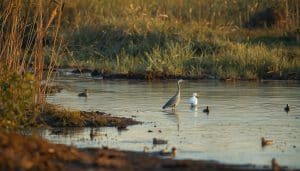
Credit: www.tehrantimes.com
Frequently Asked Questions
Why Are Wetlands Crucial For Bird Habitats?
Wetlands provide birds with food, shelter, and breeding grounds. These areas support diverse bird species by offering rich vegetation and abundant water resources.
How Do Wetlands Support Bird Migration?
Wetlands act as resting and feeding stops during bird migrations. They supply essential nutrients and safe spaces for birds to refuel and continue their journeys.
What Bird Species Rely On Wetlands Most?
Many waterfowl, shorebirds, and wading birds depend on wetlands. Species like herons, ducks, and sandpipers use wetlands for nesting and feeding.
Can Wetland Loss Affect Bird Populations?
Yes, wetland destruction reduces habitat availability, harming bird populations. Loss of wetlands leads to decreased food sources and breeding areas, threatening bird survival.
Conclusion
Wetlands are vital for birds. They provide food, shelter, and breeding. Birds depend on these habitats for survival. Wetlands support diverse bird species. Loss of wetlands threatens bird populations. Protecting wetlands helps maintain biodiversity. Healthy ecosystems benefit both birds and humans.
Preserving these areas is essential. Future generations depend on our actions today. Conserve wetlands to ensure birds thrive. Together, we can make a difference. Every effort counts in protecting these critical habitats. Let’s cherish and sustain our natural world.