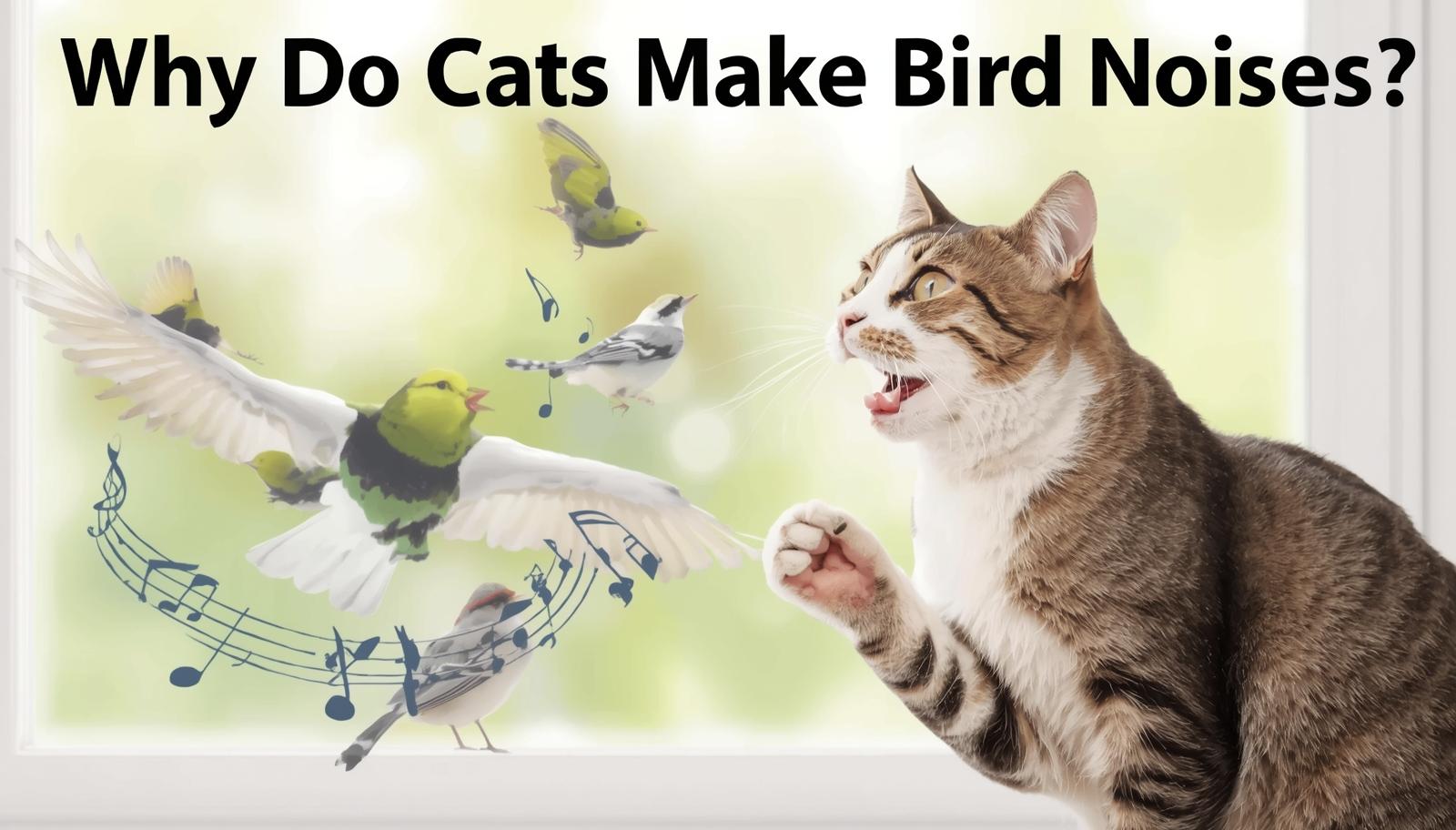
Have you ever heard your cat making strange chirping or chattering sounds that almost mimic a bird? It’s a curious behavior that can leave you wondering, “Why do cats make bird noises?” If you’ve caught your furry friend making these unusual sounds, you’re not alone—and understanding why they do it can give you a deeper insight into your cat’s natural instincts.
Keep reading, because uncovering the reasons behind this quirky habit will change the way you see your cat forever.
:strip_icc()/bombay-cat-black-cat-584192512-5808f21c3df78c2c730fe3c1.jpg)
Credit: www.thesprucepets.com
Cat Sounds That Mimic Birds
Cats often make sounds that sound like bird calls. These noises can surprise cat owners. They are part of how cats communicate and hunt.
Understanding these sounds helps us learn more about cat behavior. It also shows how cats connect with their environment.
Common Birdlike Noises Cats Make
Cats produce several sounds that resemble birds. These include chirps, chatters, and trills. Each sound has a different meaning or purpose.
- Chirping: A short, sharp sound that sounds like a bird call.
- Chattering: A rapid clicking noise made when a cat is excited or focused on prey.
- Trilling: A mix between a purr and a meow, often used to greet or get attention.
How Cats Produce These Sounds
Cats use their voice box and mouth to create these birdlike sounds. Their jaw and tongue movements help shape the noises.
| Sound Type | How It Is Made | Purpose |
| Chirping | Quick mouth and throat movement | Attract attention or mimic prey |
| Chattering | Jaw vibration with teeth clicking | Express excitement or frustration |
| Trilling | Combination of purr and meow | Communicate friendliness or greeting |
- Neurobiologists explain the jaw motion: "The chattering motion is hypothesized to be linked to the activation of the cat's Flehmen response or a chemical scenting mechanism. When deeply focused on prey, the cat is not just trying to vocalize; it's opening its mouth slightly to draw in volatile scent compounds (pheromones or stress hormones from the prey) through its vomeronasal organ (or Jacobson's organ) in the roof of its mouth to better process the hunting situation."
Reasons Behind Birdlike Noises
Cats sometimes make noises that sound like birds. These sounds can be surprising to cat owners. Understanding why cats make these noises helps us learn about their behavior.
Birdlike noises come from natural instincts and ways cats communicate. These sounds can mean different things in different situations.
Hunting Instincts And Mimicry
Cats use birdlike noises during hunting. This helps them get closer to birds or small animals. The noises can trick prey or attract attention.
- Mimic bird calls to lure prey
- Make chirps to signal excitement
- Use sounds to stay quiet while hunting
- Experts draw a key distinction: "While we often call it 'mimicry,' in domestic cats, it is far more likely to be an elicited behavior—a species-specific sound triggered by the presence of prey—rather than true vocal mimicry. The sounds (chirps, trills) are typically drawn from the cat's own infant vocal repertoire (sounds used to signal mothering) and are not an attempt to copy the bird's song to deceive it."
Communication With Other Cats
Cats also use birdlike sounds to talk to other cats. These sounds can show interest or warn others. It helps them share information without loud meows.
| Sound Type | Meaning |
| Chirping | Attention or curiosity |
| Trilling | Friendly greeting |
| Chattering | Frustration or focus |
Expressing Excitement Or Frustration
Cats make birdlike noises when excited or frustrated. These sounds show feelings they cannot express with normal meows. It helps them release energy.
Signs of excitement or frustration in cats:
- Watching birds or squirrels intently
- Making rapid chirping noises
- Chattering teeth or twitching whiskers
Behavioral Contexts Of Bird Noises
Cats often make bird-like sounds that puzzle many pet owners. These noises are not random but tied to specific behaviors and situations.
Understanding why cats make these sounds helps explain their instincts and how they interact with their surroundings.
When Cats Spot Birds
When cats see birds outside, they often make chattering or chirping sounds. This noise shows their excitement and hunting instincts.
The sounds may mimic bird calls to confuse prey or express frustration at not being able to catch the bird.
During Play And Interaction
Cats sometimes use bird noises during playtime, especially when hunting toys. These sounds add fun and mimic real hunting behavior.
- Chirping while stalking a toy
- Chattering when excited
- Meowing softly to invite play
- Mimicking prey sounds to increase interest
Response To Environmental Stimuli
| Stimulus | Cat's Bird Noise Purpose |
|---|---|
| Birds flying nearby | Excitement and hunting alert |
| Sounds of small animals | Attention and curiosity |
| Movement in bushes or trees | Stalking behavior signal |
| Other cats making noises | Communication and social cues |
Scientific Insights Into Feline Vocalizations
Cats make many sounds to communicate with each other and with humans. Some sounds can be surprising, like when cats mimic bird noises. Scientists study these sounds to understand why cats behave this way.
Learning about cat vocalizations helps us know more about their instincts and how they interact with their environment. It shows how cats use sounds to express feelings and needs.
Studies On Cat Communication
Researchers have recorded many types of cat sounds. They found that cats use chirps, trills, and chattering noises to signal excitement or hunting interest. Bird-like sounds are part of this range.
- Chirping sounds often happen when cats watch birds or small animals.
- Chattering is a quick, repetitive noise made when cats feel frustrated or excited.
- Trills can be friendly calls to get attention from their owners or other cats.
Evolutionary Perspective
Cats evolved as hunters, and their sounds helped improve their hunting skills. Making bird noises might confuse prey or mimic birds to get closer. This behavior shows how cats use sound to survive.
| Vocalization | Purpose |
| Chirping | Attracts attention of prey or signals excitement |
| Chattering | Expresses frustration or eagerness during hunting |
| Bird-like Noises | Mimics prey sounds to lure or confuse birds |
How To Respond To Your Cat’s Bird Noises
Cats sometimes make bird-like noises that can surprise their owners. These sounds often show their natural hunting instincts.
Knowing how to respond helps keep your cat happy and healthy. It also strengthens the bond between you and your pet.
Observing Without Disturbing
Watch your cat closely when it makes bird noises. Try not to interrupt or scare your cat during these moments.
- Note the frequency and duration of the sounds.
- Observe your cat’s body language for signs of stress or excitement.
- Check the environment for triggers like birds outside the window.
Encouraging Healthy Expression
Allow your cat to express these natural behaviors safely. Provide toys and playtime that mimic hunting.
- Use feather toys to simulate birds.
- Engage in short, frequent play sessions.
- Offer treats after active play to reward your cat.
When To Consult A Veterinarian
Some bird noises may signal health issues. If your cat makes these sounds often and shows other symptoms, talk to a vet.
| Sign | Possible Cause |
| Excessive vocalization | Stress or anxiety |
| Loss of appetite | Illness |
| Changes in behavior | Neurological issues |
:strip_icc()/GettyImages-540568739-56a112b03df78cafdaa92729.jpg)
Credit: www.thesprucepets.com

Credit: ashevillecatweirdos.org
Frequently Asked Questions
Why Do Cats Mimic Bird Sounds Sometimes?
Cats mimic bird sounds to lure prey or express curiosity. This behavior helps them attract birds or small animals. It reflects their hunting instincts and sharp observation skills. Mimicking sounds is a natural, instinctive way to interact with their environment.
What Does It Mean When A Cat Chirps Like A Bird?
When cats chirp like birds, they signal excitement or focus. It often happens when they spot prey or feel playful. This chirping is a mix of communication and hunting instinct. It shows their alertness and engagement with surrounding wildlife.
Can Bird Noises From Cats Indicate Hunting Behavior?
Yes, bird noises from cats often indicate hunting behavior. Cats use chirps and trills to mimic prey sounds and lure birds. This vocalization is a survival skill inherited from their wild ancestors. It enhances their chances of a successful hunt.
Are Bird-like Sounds From Cats Normal Or A Health Concern?
Bird-like sounds from cats are normal and healthy behavior. It usually reflects natural instincts or communication, not illness. However, if unusual sounds persist or are accompanied by distress, consult a vet. Generally, chirping is a sign of a happy, alert cat.
Conclusion
Cats make bird noises to express excitement or hunting instincts. This sound helps them focus on their target. It also shows their natural curiosity and playfulness. Understanding this behavior helps owners connect with their pets better. Cats communicate in unique ways, and these noises are part of it.
Next time you hear your cat chirp, remember it’s part of their wild nature. It’s a charming glimpse into their world and instincts. Watching and listening deepens the bond between you and your feline friend.