Have you ever wondered why some birds stay put while others fly thousands of miles to warmer places? It might seem natural that all birds migrate to escape the cold, but that’s not always the case.
Why Do Some Birds Not Migrate is a question that can change how you see the world around you. You’ll discover surprising reasons behind this behavior and learn what it means for the birds and the environment. Keep reading—you’ll be amazed at what you find out.
/https://tf-cmsv2-smithsonianmag-media.s3.amazonaws.com/filer_public/89/81/8981188b-5583-45ce-ae9b-6b9f01e79638/american_redstart_setophaga_ruticilla_17192242094.jpg)
Credit: www.smithsonianmag.com
Bird Migration Basics
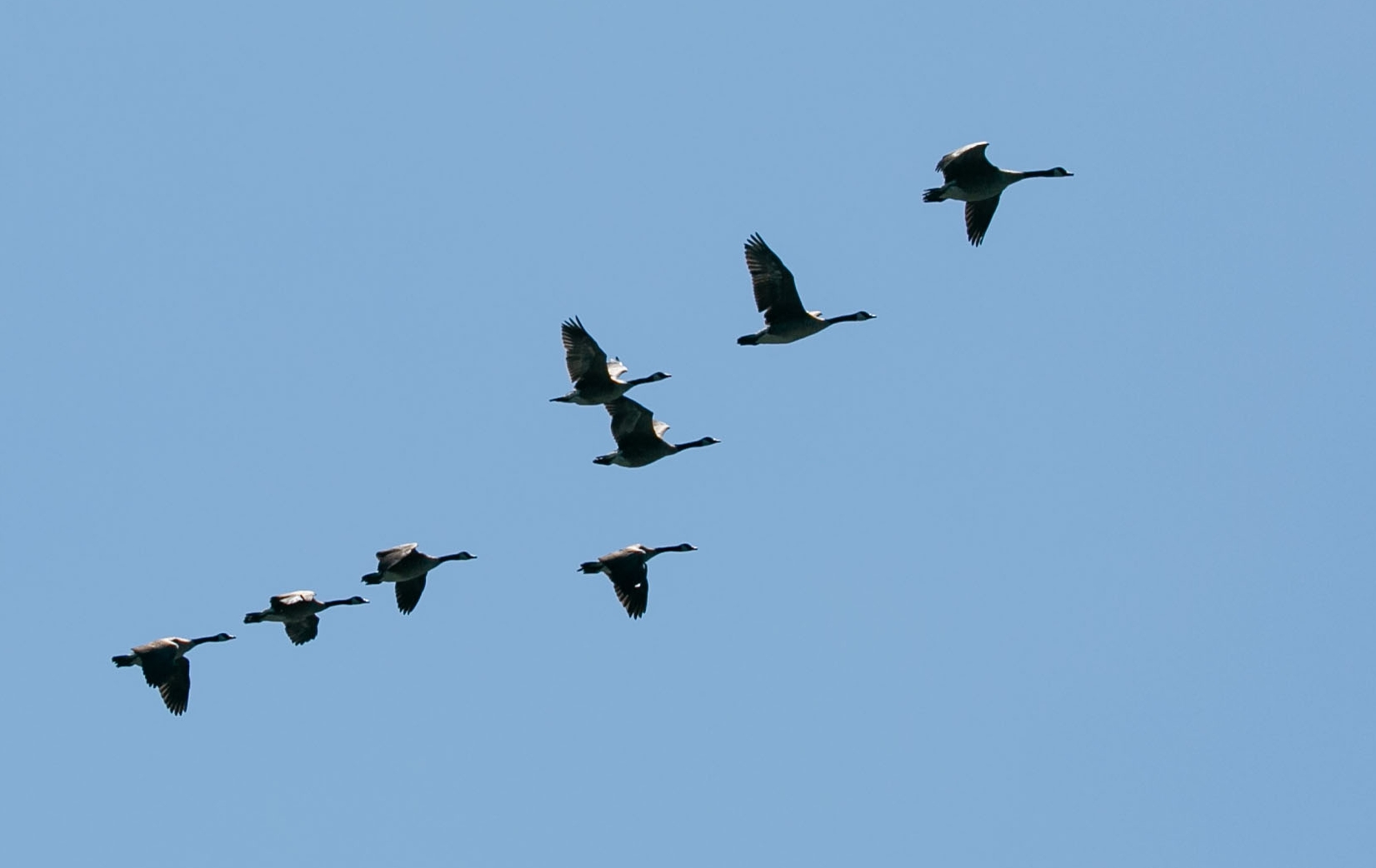
Many birds fly long distances to find better places to live. This is called migration. It helps birds find food and safe spots to raise young.
Not all birds migrate. Some stay in one place all year. This depends on the bird’s needs and environment.
Common Migration Patterns
Birds often travel between breeding and wintering areas. They follow routes that give them food and shelter along the way.
Some birds fly north in spring to breed. Then they move south in fall to avoid cold weather.
- North to south travel in temperate zones
- East to west travel in some mountain regions
- Short trips to nearby warmer areas
- Bird Banding Specialists note the fine line: “It is often inaccurate to label a bird as a strict ‘non-migrant.’ Many species considered ‘resident’ actually engage in altitudinal migration or short-distance migration. For example, the Dark-eyed Junco might spend the summer breeding in the high Appalachian forests but migrate only a few thousand feet downhill to spend the winter in the valleys or lower suburbs. This movement is driven by snow cover and food access, not temperature, and is a key survival strategy that allows them to avoid the major risks of long-haul migration.”
Factors Driving Migration
Birds migrate mainly to find food and safe places. Cold weather and less food push birds to move.
Some birds do not migrate because their homes provide enough food all year. They also avoid dangers from long flights.
- Food availability changes with seasons
- Temperature and weather conditions
- Predators and safety during travel
- Energy needed for long flights
Non-migratory Bird Species
Some birds do not migrate because they find enough food and shelter all year. These birds live in places where the weather stays mild. They do not need to travel to survive.
Staying in one place helps them save energy. They adapt to changes in seasons by changing their behavior or diet.
Examples Of Resident Birds
Many birds stay in the same area all year long. Some common examples include birds you see in cities and forests. These birds find food and build nests nearby.
- American Robin
- Blue Jay
- House Sparrow
- Downy Woodpecker
- Northern Cardinal
- Field Ornithologists use plumage as a cue: “When trying to identify a true year-round resident like the Northern Cardinal or Blue Jay, their vibrant red or blue plumage remains constant through the winter. This is a visual confirmation that they can afford the high energy cost required to maintain those colorful feathers year-round. Conversely, many migratory birds dull their breeding plumage in winter (like the American Goldfinch turning a drab yellow/brown) because they are conserving every bit of energy for their long journey.”
Habitats That Support Year-round Living
Birds that do not migrate live in habitats with steady food and shelter. These areas have mild climates and safe places to hide. Water sources and trees are important for their survival.
Examples of these habitats include forests, wetlands, and urban areas. These places support birds by offering insects, seeds, and fruits all year.
- Temperate forests with evergreen trees
- Wetlands with constant water supply
- Urban parks and gardens with food sources
- Suburban areas with bird feeders
Food Availability And Diet
Some birds do not migrate because they find enough food throughout the year. Food availability affects their choice to stay in one place. Birds that eat foods found all seasons can survive without moving.
Diet also plays a big role. Birds with special eating habits may have adapted to find food in their home area. These adaptations help them avoid the energy cost of migration.
Stable Food Sources
Birds that do not migrate often live where food is stable year-round. These places may have mild weather or consistent plant and insect life. Such stable food sources reduce the need to move.
- Seeds and nuts that last through winter
- Fruits that ripen in different seasons
- Insects that stay active in cool weather
- Plants that grow all year
Specialized Diets And Adaptations
Some birds eat very specific foods and have special ways to find them. These adaptations help them stay in one area. They can handle food that others cannot use.
| Bird Type | Diet | Adaptation |
| Woodpecker | Insects in tree bark | Strong beak for drilling |
| Hummingbird | Nectar from flowers | Long tongue for sipping |
| Grouse | Leaves and buds | Digestive system for tough plants |
| Seagull | Fish and scraps | Sharp eyesight and strong beak |
Credit: www.opb.org
Climate And Environmental Stability
Some birds do not migrate because their environment remains stable throughout the year. Climate and food availability play big roles in their decision to stay.
When winters are mild and conditions favorable, birds can find enough food and shelter nearby. This reduces their need to travel long distances.
Mild Winters And Favorable Conditions
Birds that live in regions with mild winters often stay year-round. These areas offer enough warmth and food during the cold months.
- Temperate climates with little snow
- Plenty of insects and plants available
- Safe nesting sites that do not freeze
- Stable water sources
Impact Of Climate Change On Migration
Climate change changes temperatures and weather patterns. This affects bird migration habits in many ways.
| Effect | Description |
|---|---|
| Warmer Winters | More birds may stay as winters become less harsh. |
| Food Availability | Changes in insect and plant cycles can alter feeding habits. |
| Migration Timing | Birds may migrate earlier or later than usual. |
| Habitat Loss | Rising temperatures may reduce suitable living areas. |
Energy Conservation And Survival
Some birds do not migrate because staying in one place saves energy. Migration takes a lot of effort and uses up energy.
Birds that stay put can focus on finding food and staying safe. This helps them survive through tough seasons.
Energy Costs Of Migration
Migration uses a huge amount of energy. Birds must fly long distances without stopping. This burns their fat reserves fast.
Some birds may not have enough fat to finish their trip. Flying also increases the risk of exhaustion and injury.
- Long flights need lots of energy.
- Fat stores run out quickly.
- Risk of getting hurt or lost is high.
- Weather can make flying harder.
Benefits Of Staying Put
Birds that stay in one place save energy for other needs. They do not risk injury or getting lost during migration.
These birds can adapt to local food and weather. They find shelter and build nests in familiar places.
- Energy saved by not flying far.
- Lower risk of injury or death.
- Familiar food sources nearby.
- Safe places to rest and nest.
Territorial Behavior And Breeding
Some birds do not migrate because they stay in their territory all year. They defend their space to keep food and shelter. This behavior helps them survive through different seasons.
Breeding also plays a big role. Birds often choose a special place to lay eggs and raise chicks. They return to this place every year to keep their family safe.
Territory Defense Year-round
Birds that do not migrate protect their territory all year. They chase away other birds to keep their space safe. This helps them have enough food and a good place to live.
By defending their territory, birds avoid fights during the breeding season. They keep their home ready for nesting and raising young birds. This makes staying in one place better than moving.
- Protect food sources
- Keep safe nesting spots
- Avoid competition during breeding
Breeding Site Fidelity
Many birds return to the same place to breed every year. This is called breeding site fidelity. They trust the site has good food and shelter for their chicks.
Birds that stay in one spot can care for their young better. They know where to find food and avoid dangers. This helps their babies grow strong and healthy.
Human Influence And Urban Adaptation
Some birds do not migrate because they live in places where humans have changed the environment. Cities and towns give birds new homes and food sources. These changes help birds stay in one place all year.
Birds that adapt to cities find food and shelter easily. Human actions shape where birds live and how they behave. This helps some birds avoid long migrations.
Urban Environments As Habitats
Cities offer many places for birds to live. Buildings, parks, and gardens create new habitats. Birds use trees, rooftops, and green spaces to build nests and hide from predators.
Urban areas often stay warmer than the countryside. This warmth helps birds survive cold seasons without moving far. The city lights can also confuse birds but some learn to live with them.
Feeding By Humans And Its Effects
People feed birds in parks and backyards. This food is easy to find and helps birds stay healthy. Some birds rely on human food instead of searching for natural food.
Feeding by humans can change bird behavior. Birds may stay in one place all year because food is always available. This reduces their need to migrate to find food.
- Bird feeders provide seeds and grains
- Leftover food attracts birds to urban areas
- Constant food supply supports year-round living
- Less need to fly long distances in search of food
Credit: www.discovermagazine.com
Frequently Asked Questions
Why Do Some Birds Stay In Cold Climates Year-round?
Some birds tolerate cold due to thick feathers and fat layers. They find food easily and avoid migration risks. Staying put saves energy and helps maintain territories during winter months.
What Factors Influence A Bird’s Decision Not To Migrate?
Food availability, suitable habitat, and climate stability affect migration. Birds with reliable food sources and mild climates often stay. Evolutionary adaptations also play a key role in this behavior.
How Do Non-migratory Birds Survive Harsh Winters?
Non-migratory birds adapt by changing diets and behaviors. They fluff feathers for warmth and seek shelter in dense vegetation. Some cache food to survive when resources are scarce.
- Avian Physiologists define the metabolic strategy: “To survive freezing temperatures and long nights without migrating, many non-migratory species, such as chickadees and nuthatches, employ a strategy known as facultative hypothermia (or BMR reduction). They voluntarily reduce their Basal Metabolic Rate (BMR) and drop their body temperature slightly during the night, effectively entering a brief, shallow state of controlled hypothermia. This conserves vital caloric reserves, making the difference between life and death when food is scarce.”
Are Non-migratory Birds Less Common Than Migratory Species?
Yes, fewer bird species avoid migration. Most migrate to exploit seasonal resources and breeding sites. Non-migratory birds thrive in stable environments with year-round food and shelter.
Conclusion
Some birds choose not to migrate. They find food and shelter nearby. Their bodies adapt to changing weather. Staying put saves them energy. Migration can be risky. They avoid long journeys. Some birds have strong survival skills. They thrive in one place.
Local habitats meet their needs. They prefer familiar surroundings. This choice helps them survive. Their instincts guide them well. Each bird has its own reasons. Nature’s diversity shines through. Non-migrating birds are fascinating. They remind us of nature’s balance. Understanding them enriches our knowledge.
Birds teach us about adaptation. Their choices are intriguing. Nature always inspires curiosity.