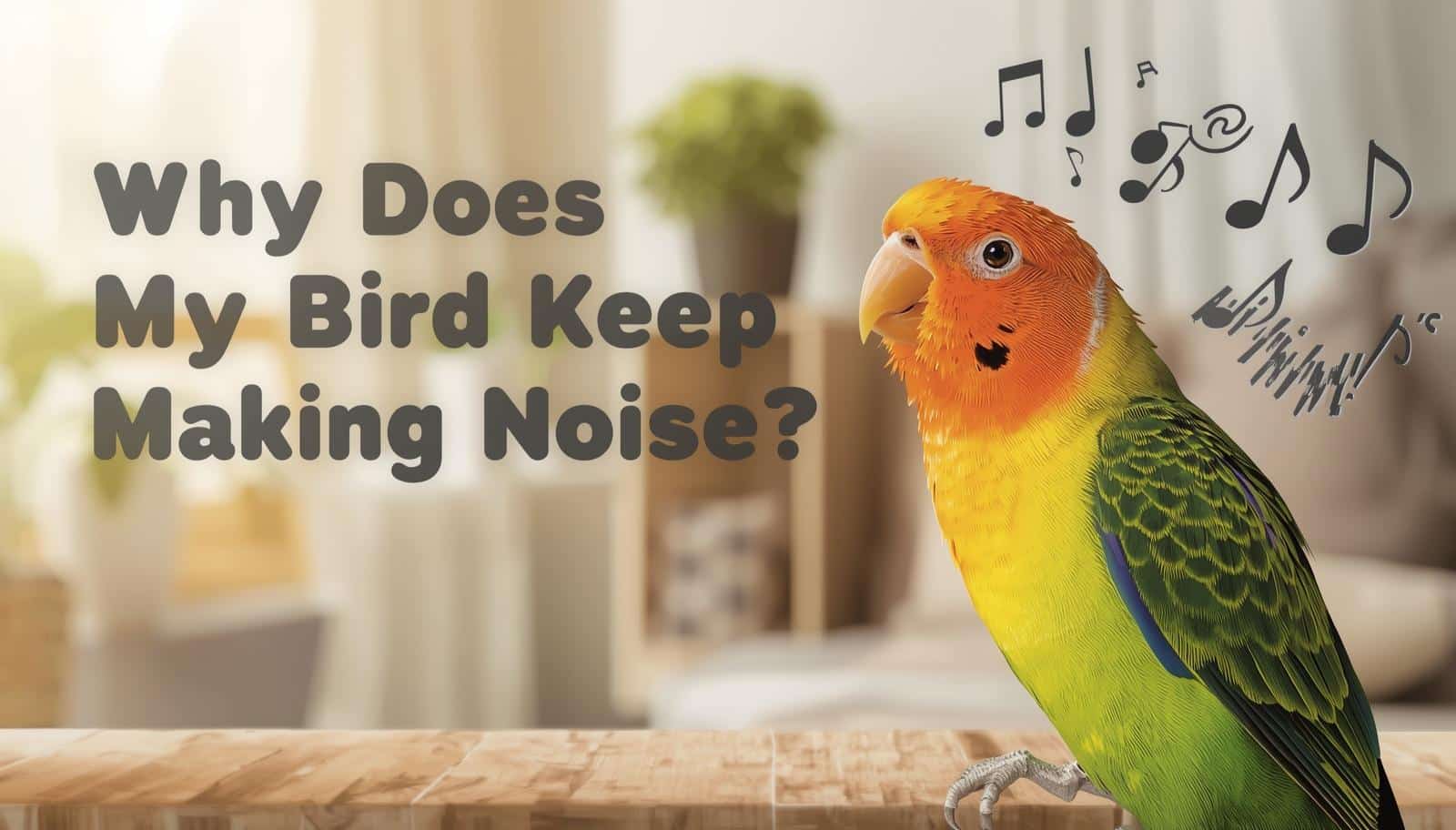
Why Does My Bird Keep Making Noise? Understanding and Managing Bird Vocalization
Have you ever wondered, Why Does My Bird Keep Making Noise, sometimes louder and more often than you expect? If your feathered friend’s constant chirping, squawking, or singing is starting to wear on your nerves, you’re not alone.
Birds use sound to communicate but understanding what they’re trying to tell you can be tricky. You’ll discover the surprising reasons behind your bird’s noisy behavior and learn simple ways to create a calmer, happier environment for both of you.
Keep reading—you’ll find answers that can transform your daily life with your bird.
Have you ever wondered why Bird Keep Making Noise, sometimes louder and more often than you expect? Understanding why Bird Keep Making Noise helps you respond better to their needs.
Credit: m.youtube.com
Common Bird Sounds
Birds make many different sounds each day. These sounds help them talk to others and show how they feel.
Understanding these sounds can help you know if your bird is happy, scared, or wants attention.
Types Of Noises Birds Make
Birds use sounds like chirps, whistles, and squawks to communicate. Each noise has a meaning.
- Chirping: Short, soft sounds usually for greeting or showing contentment.
- Whistling: Clear notes often used to attract attention or show happiness.
- Squawking: Loud and harsh calls that can mean alarm or discomfort.
- Singing: Complex melodies mostly from male birds to mark territory or attract mates.
- Clicking: Soft, rapid sounds sometimes used for bonding or curiosity.
Normal Vs Excessive Noise
Birds make noise daily, but some sounds are normal while others show a problem.
| Noise Type | Normal Behavior | Signs of Excessive Noise |
| Chirping | Regular short sounds when active | Constant and loud without breaks |
| Squawking | Short bursts when startled | Long, loud, and frequent calls |
| Whistling | Used during play or attention | Non-stop whistling even when alone |
| Silence | Quiet during rest or night | Too quiet may show illness or stress |
Credit: lafeber.com
Reasons For Vocalization
Birds make noise to express their feelings and needs. Vocal sounds help them share messages with others. Understanding why your bird is noisy can improve your care.
Birds use different calls for many reasons. Some noises show happiness or stress. Others ask for attention or warn of danger. One major reason Bird Keep Making Noise is their strong need for communication.
Communication Needs
Birds vocalize to communicate with their family or flock. These sounds help them stay connected. In the wild, calls keep birds safe and close.
- Call mates or family members
- Signal danger or threats
- Mark their territory
- Express emotions like joy or fear
- Behaviorists link screaming to evolution: “The sudden, loud, often frantic squawking is a deep-seated instinct known as the ‘flock call’ or ‘contact call.’ In the wild, birds separated from their group will scream at the top of their lungs to locate the flock and avoid being alone. When your pet bird screams, it’s often a desperate, non-negotiable attempt to re-establish contact with you, their flock, when you leave the room or house.”
Attention Seeking
Your bird may make noise to get your attention. Birds are social and enjoy interaction. They might want food, play, or company. Many owners notice Bird Keep Making Noise more when they want attention
| Signs of Attention Seeking | Possible Causes |
|---|---|
| Loud squawking | Wanting to play or interact |
| Repeated calls | Asking for food or treats |
| Flapping wings or hopping | Trying to get noticed |
Boredom And Loneliness
Birds can get bored or lonely when left alone too long. Noise helps them relieve stress. They may call out for company or fun.
- Repeating sounds or phrases
- Making loud noises for hours
- Chewing or destroying items
- Restlessness and pacing
Environmental Triggers
Birds use sounds to communicate and react to their environment. Some noises come from things around them. These triggers can make birds vocalize more.
Understanding these triggers helps you know why your bird is noisy. It also helps to create a calm space for your pet. Changes at home can explain why Bird Keep Making Noise suddenly increases.
Changes In Surroundings
Birds feel stress when their surroundings change suddenly. New furniture, smells, or lighting can cause noise. They may call out to check for safety.
Keep changes slow and predictable. This helps birds feel safe and reduces noisy behavior.
Noise Sensitivity
Birds hear sounds humans might not notice. Loud or strange noises can scare or excite them. This makes birds chirp, scream, or call out.
Some noises that affect birds:
- Vacuum cleaners or loud appliances
- Music or TV sounds
- People talking loudly or shouting
- Outside noises like traffic or sirens
Presence Of Other Pets
Birds notice other pets in the house. Dogs or cats moving nearby can make birds alert or nervous. They may respond with noise to show their presence.
Sometimes birds want to play or warn other pets. This causes more vocal sounds.
Health And Discomfort
Birds make noise to communicate many things. Sometimes, loud or constant noise shows they feel unwell or uncomfortable.
Understanding the reasons behind your bird’s noise helps you keep it healthy and happy. Sometimes Bird Keep Making Noise is a sign of discomfort or health issues.
Illness Or Injury
Birds often make noise if they feel pain or are sick. Noise can signal an injury or illness that needs care.
Watch for other signs like swelling, changes in eating, or unusual behavior. These can confirm your bird needs help.
- Look for limping or favoring one foot
- Check for ruffled or dull feathers
- Notice if your bird is less active than usual
- Observe any changes in droppings
Hunger Or Thirst
Your bird may make noise to tell you it is hungry or thirsty. Birds need fresh food and water every day.
If their food or water bowl is empty, they will call out loudly. Feeding on time keeps them calm and healthy.
- Check if food dishes are empty
- Make sure water is clean and fresh
- Feed your bird at regular times
- Offer a balanced diet for energy
Stress And Anxiety
Birds feel stress from loud noises, new places, or being alone. Stress can cause them to make more noise.
Try to keep their environment calm and familiar. Giving toys and company helps reduce stress and noisy behavior.
- Keep your bird’s cage in a quiet spot
- Provide toys for mental stimulation
- Spend time talking or playing with your bird
- Introduce changes slowly to avoid anxiety
- Veterinarians mandate specific sleep requirements: “To prevent chronic stress and hormonally driven noise problems, owners must provide a guaranteed ‘Quiet Zone’ for a minimum of 10 to 12 consecutive hours of uninterrupted darkness every single night. The Authority rule is: if you can read a book by the light in the bird’s area, it’s not dark enough. Chronic sleep deprivation is the number one cause of persistent screaming and aggressive behavior.”
Behavioral Factors
Birds make noise for many reasons related to their behavior. These sounds help them communicate with others. Understanding why your bird is noisy helps you care for it better.
Some noises come from natural actions like marking territory or finding a mate. Other sounds might be habits your bird has learned over time.
Territorial Calls
Birds use loud calls to protect their space. These calls warn other birds to stay away. This behavior keeps their home safe.
Territorial calls can be frequent during the breeding season. Your bird may become more vocal if it feels its area is threatened.
Mating Behavior
Birds make specific noises to attract mates. These sounds show their strength and health. Mating calls are often loud and repeated.
During mating time, your bird might sing or chatter more. These noises help birds find partners and start families.
Habit Formation
Birds can develop habits of making noise at certain times. They might call when they want attention or food. These habits grow stronger with repetition.
If you respond to your bird’s noise, it may keep making sounds. Changing how you react can help reduce unwanted noise.

Credit: www.reddit.com
Managing Bird Noise
Birds make noise to communicate and express their needs. Sometimes, the noise can be too loud or frequent for their owners.
Managing bird noise helps keep your home peaceful and your bird happy. Understanding why birds call out is key. When Bird Keep Making Noise repeatedly, it often means their environment needs better balance, stimulation, or routine.
Creating A Stimulating Environment
Birds get noisy when they feel bored or lonely. A good environment keeps their minds busy and bodies active.
- Provide toys that encourage chewing and playing.
- Rotate toys regularly to keep interest high.
- Offer safe perches in different spots.
- Give your bird time outside the cage daily.
- Play soft music or nature sounds for company.
Training And Positive Reinforcement
Training your bird to use quiet signals can reduce noise. Positive reinforcement helps birds learn faster.
- Notice when your bird is quiet and reward with treats.
- Use a calm voice to encourage quiet behavior.
- Avoid shouting or punishing noisy calls.
- Teach simple commands like “quiet” or “stop.”
- Be patient and consistent with training.
Expert trainers use a “quiet arrival” protocol: “The number one mistake owners make is rushing in or yelling when the bird screams, which reinforces the noise. The correct protocol for training a bird to be quiet is to only enter the room (or approach the cage) during a moment of silence, however brief. By doing this, you are rewarding the absence of noise. If the bird starts screaming as you approach, you must stop, turn your back, and wait for silence before continuing.”
Consulting An Avian Vet
Sometimes noise signals health or stress problems. A vet can check if your bird needs medical care.
| Reason for Noise | Possible Vet Action |
|---|---|
| Excessive screeching | Check for pain or illness |
| Sudden increase in noise | Assess stress or environmental changes |
| Persistent calls | Evaluate diet and nutrition |
| Nighttime noise | Look for sleep disturbances |
Frequently Asked Questions
Why Does My Bird Keep Making Noise Constantly?
Birds make noise to communicate, express emotions, or seek attention. Constant noise often indicates boredom, hunger, or stress. Ensuring mental stimulation and proper care can reduce excessive noise.
How Can I Stop My Bird From Being Noisy?
Provide toys, social interaction, and a consistent routine. Address your bird’s needs like hunger or health issues. Training with positive reinforcement helps control noisy behavior effectively.
Is My Bird Noisy Because It’s Lonely?
Yes, birds are social animals and may become noisy when lonely. Regular interaction and companionship can reduce noise caused by loneliness and boredom.
Does A Noisy Bird Mean It Is Unhealthy?
Not always, but sudden or unusual noise changes can signal illness. Monitor behavior and consult a vet if noise patterns shift or if the bird shows other symptoms.
Conclusion
Understanding your bird’s noises helps strengthen your bond. Birds communicate through various sounds. Each noise has a different meaning. Pay attention to your bird’s behavior. This helps identify its needs. Sometimes, birds make noise out of boredom. Ensure they have enough toys.
Social interaction is also important. Regular playtime keeps them happy. A healthy bird is often a noisy bird. But excessive noise can signal stress. Always watch for changes in behavior. Consult a vet if concerned. Listening and responding to your bird builds trust. Learning why Bird Keep Making Noise helps create a calmer and happier home.
A little patience goes a long way. Your bird will thank you.