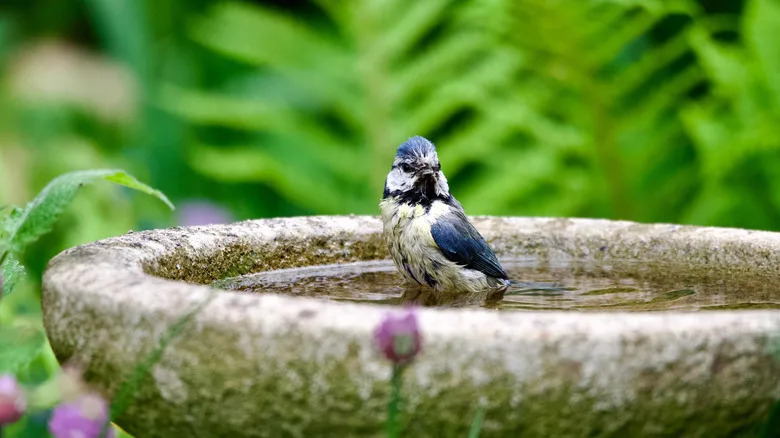
Have you ever wondered what happens to bird poop when it lands in your garden? You might be surprised to learn that worms could play a key role in breaking it down.
If you’re curious about whether worms will actually eat bird poop and how this affects your soil, you’re in the right place. Understanding this natural process can help you improve your garden’s health and reduce waste. Keep reading to discover the truth about worms and bird poop—and how this simple interaction could benefit your outdoor space.
Credit: roadsendnaturalist.com
Worms And Their Diet
Worms are small creatures that live in soil. They help break down dead plants and other material.
Understanding what worms eat helps us care for them and keep soil healthy.
Common Foods For Worms
Worms eat many types of organic matter. They like soft, moist foods that break down easily.
Some common foods for worms include fruits, vegetables, and dead leaves. They also eat small bits of paper and cardboard.
- Fruit scraps like apple and banana peels
- Vegetable peels and scraps
- Dead leaves and grass clippings
- Small pieces of paper and cardboard
- Some types of bird droppings, but not all
Nutritional Needs Of Worms
Worms need food rich in nitrogen, carbon, and moisture. These help them grow and stay active.
Too much of one nutrient can harm worms. They need a balanced mix of materials to stay healthy.
- Nitrogen from green plant parts and food scraps
- Carbon from dry leaves and paper
- Moisture to help digestion and movement
Composition Of Bird Poop
Bird poop looks different from other animal droppings. It has both solid and liquid parts.
Understanding what makes up bird poop helps us know if worms will eat it.
What Makes Up Bird Droppings
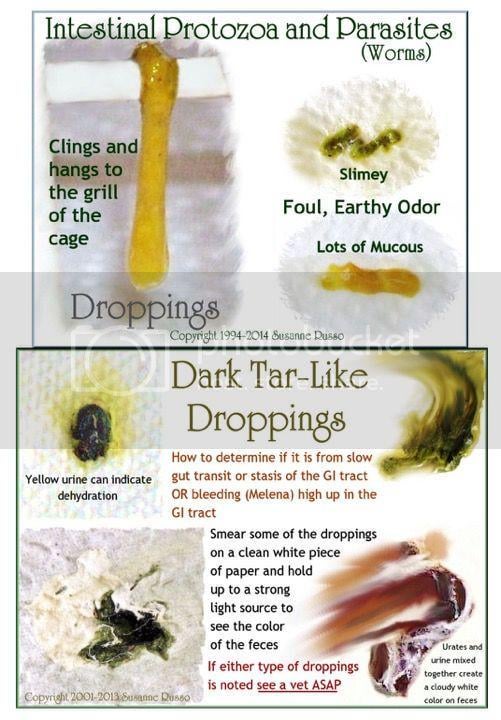
Bird droppings contain three main parts: feces, urine, and urates. The feces are the solid waste. Urine is the liquid waste. Urates are a white paste made of nitrogen waste.
- Feces:leftover undigested food and bacteria
- Urine:watery liquid to remove body waste
- Urates:white paste with nitrogen compounds
Nutrients In Bird Feces
Bird feces have nutrients that can help plants grow. These nutrients come from the food birds eat and their body waste.
| Nutrient | Role |
| Nitrogen | Helps build plant leaves and stems |
| Phosphorus | Supports root and flower growth |
| Potassium | Strengthens plants and helps water use |
| Calcium | Builds strong cell walls in plants |
Worms Eating Bird Poop
Bird poop often falls to the ground in gardens and yards. People wonder if worms eat this bird droppings. Worms play a big role in breaking down organic waste.
This article explains if worms consume bird poop and what benefits they get from it. Understanding this helps us learn more about soil health.
Do Worms Consume Bird Droppings?
Worms do eat bird droppings but not always directly. They mainly consume the organic matter that forms as bird poop breaks down. Worms like soft, decomposed material better than fresh droppings.
Bird poop adds nutrients to the soil. Worms help mix these nutrients with soil while eating. This process improves soil quality.
Benefits For Worms From Bird Poop
Bird poop provides food and nutrients for worms. It contains nitrogen and other minerals worms need. These nutrients support worm growth and reproduction.
- Bird poop adds nitrogen, vital for worm health
- It breaks down into soft material worms easily digest
- Provides minerals that improve worm activity
- Helps worms produce richer castings for soil

Credit: larrylambert269.medium.com
Impact On Soil And Garden
Worms play a big role in keeping soil healthy. Bird poop also affects soil and plants.
This article looks at whether worms eat bird poop and how both help the garden.
How Worms Improve Soil Fertility
Worms eat dead leaves and other waste in soil. They turn this waste into rich soil called castings.
These castings have many nutrients plants need. Worms also make tunnels that help air and water reach roots.
- Break down organic matter
- Add nutrients to the soil
- Improve soil structure and aeration
- Help water reach plant roots
Role Of Bird Poop In Soil Health
Bird poop is a natural fertilizer. It contains nitrogen, phosphorus, and other minerals plants need.
When bird poop lands on soil, it slowly breaks down. This adds nutrients and helps plants grow strong.
- Supplies essential nutrients to soil
- Supports beneficial microbes
- Improves soil fertility naturally
- Helps plants grow healthy
Precautions When Using Bird Poop
Bird poop can be useful in gardening and composting. It has nutrients that help plants grow. Still, using bird droppings needs care to keep worms safe.
Worms are important for healthy compost. They break down waste into rich soil. But bird poop can sometimes harm these helpful creatures.
Potential Risks For Worms
Bird droppings may carry risks that affect worm health. Some problems include harmful bacteria and strong acids. These can hurt or kill worms in compost.
- High ammonia levels can irritate worms' skin.
- Bacteria like Salmonella may cause disease.
- Strong acids in fresh droppings can lower soil pH.
- Too much bird poop can create bad smells.
- Raw droppings may attract unwanted pests.
Safe Use Of Bird Droppings In Compost
Use bird droppings carefully to protect worms. Composting bird poop properly removes most risks. Follow these tips to keep your compost safe and healthy.
- Collect bird droppings from clean areas only.
- Mix droppings well with other compost materials.
- Allow compost to heat up to kill bacteria.
- Turn compost regularly for even decomposition.
- Check moisture and pH levels often.
- Wait until compost looks dark and crumbly before use.
| Action | Reason |
| Mix with leaves or straw | Dilutes ammonia and acids |
| Heat compost to 140°F (60°C) | Kills harmful bacteria |
| Turn compost every week | Improves air and breaks down waste |
| Test pH regularly | Prevents harmful acidity for worms |
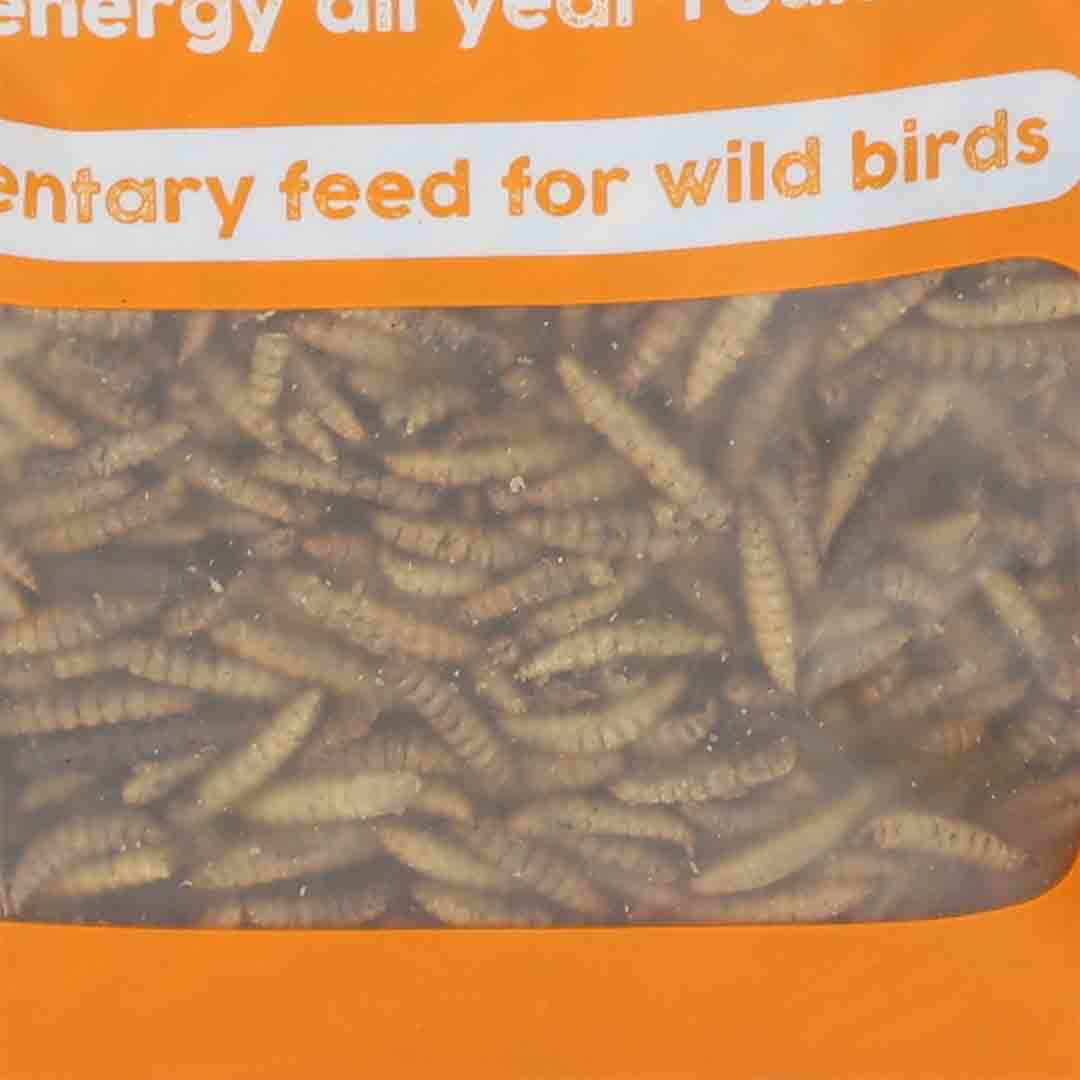
Credit: www.jollyes.co.uk
Tips For Encouraging Worm Activity
Worms help improve soil by breaking down waste and adding nutrients. Encouraging worm activity makes your garden healthier. You can create a good space for worms and feed them the right foods.
Here are easy ways to help worms thrive and work better in your soil.
Creating A Worm-friendly Environment
Worms need a moist, dark, and cool place to live. Avoid harsh chemicals and keep the soil loose. Worms like soil that has plenty of organic matter to burrow and breathe.
- Keep soil temperature between 55°F and 77°F (13°C to 25°C).
- Maintain soil moisture but avoid waterlogging.
- Add organic mulch like leaves or straw to keep soil covered.
- Turn the soil gently to allow air flow.
- Remove harmful chemicals and pesticides.
Feeding Worms For Optimal Soil Benefits
Worms eat organic waste and turn it into rich compost. Feeding worms the right food helps them produce healthy soil faster. Avoid feeding them meat or dairy, which can cause odors and pests.
| Food Type | Good for Worms? |
| Fruit scraps | Yes |
| Vegetable peels | Yes |
| Eggshells | Yes |
| Meat and dairy | No |
| Processed foods | No |
| Paper and cardboard | Yes, in small amounts |
Frequently Asked Questions
Will Worms Consume Bird Poop In Compost?
Yes, worms can consume bird poop in compost. Bird droppings are rich in nitrogen, which worms break down. However, high concentrations may harm worms, so mixing bird poop with other organic material is best for effective composting.
Is Bird Poop Safe For Worm Bins?
Bird poop is generally safe for worm bins when used in moderation. It provides essential nutrients but can be too acidic or salty if excessive. Mixing it with balanced organic waste helps maintain a healthy worm environment.
How Does Bird Poop Benefit Worms?
Bird poop benefits worms by supplying nitrogen and organic matter. These nutrients enhance worm activity and compost quality. Properly aged bird droppings improve soil fertility when processed through worm digestion.
Can Worms Digest Fresh Bird Droppings?
Worms prefer decomposed bird droppings over fresh ones. Fresh droppings can be too harsh due to ammonia content. Allowing droppings to age reduces toxicity and makes them suitable for worm consumption.
Conclusion
Worms can indeed eat bird poop. They break it down into soil. This process enriches the earth with nutrients. Worms play a crucial role in recycling waste. They turn bird droppings into valuable compost. This helps plants grow healthier and stronger.
Knowing this can help in gardening and farming. So, worms are tiny but mighty helpers. They support a cleaner and greener environment. Understanding their role highlights nature's amazing cycle. Next time you see a worm, appreciate its hard work. They silently contribute to our planet's health.