What Type of Beak Would a Worm Eating Bird Have? Best Guide
Have you ever wondered how birds catch their slippery, wriggling meals underground? If you’re curious about what kind of beak a worm-eating bird would have, you’re about to discover some fascinating facts.
Your everyday garden bird might look simple, but its beak is a perfect tool designed by nature to dig, probe, and grab worms with ease. Keep reading, and you’ll learn exactly how these birds are built for their unique diet—and why their beaks are so important for their survival.
This knowledge might even change the way you watch birds in your own backyard!
Beak Shapes And Functions
Birds have different beak shapes that help them eat certain foods. The shape of a beak fits the bird's diet and feeding style.
A worm-eating bird needs a special beak to catch and eat worms easily. Its beak must be strong and precise for digging or probing soil.
Common Beak Types
Birds have many beak types. Each type suits a specific food source. Some common types include:
- Chisel-shaped: Good for pecking wood and insects.
- Hooked: Used to tear meat from prey.
- Long and slender: Perfect for catching insects or probing for worms.
- Short and strong: Ideal for cracking seeds.
Adaptations For Feeding
A worm-eating bird has a beak adapted to find worms underground. The beak is usually long, thin, and pointed. This shape helps the bird probe soil or leaf litter easily.
Some birds also have sensitive tips on their beaks. These help detect worms by touch. Strong muscles control the beak to pull out worms safely.
- Long, pointed beak to reach deep into soil
- Sensitive nerve endings at the tip for detecting prey
- Strong muscles for pulling worms out
- Beak shape that reduces soil damage when digging
Characteristics Of Worm Eating Birds
Worm eating birds have special features to catch their prey. They mainly eat worms and small insects found in soil.
These birds live in places where worms are easy to find. Their bodies and senses help them find and eat worms quickly.
Beak Structure
The beak of a worm eating bird is thin and pointed. It helps them dig into the soil to catch worms.
The beak is also flexible and strong. This allows birds to pull worms out without breaking their beak.
- Long and narrow shape for reaching deep soil
- Sharp tip to pierce the ground
- Strong muscles to pull out worms
Sensory Adaptations
Worm eating birds have good senses to find worms underground. Their beak can sense small movements and vibrations.
These birds use touch more than sight. Their beak tips have special nerve endings to detect worms in the soil.
- Highly sensitive beak tips to feel vibrations
- Ability to detect worm movements in soil
- Sharp eyesight for spotting worm trails on the ground
Examples Of Worm Eating Birds
Birds that eat worms have special beaks to help them find and catch their food. These beaks are usually slender and pointed. They can dig into soil or leaf litter to find worms.
Here are some examples of birds that eat worms and how their beaks help them survive in their environment.
American Robin
The American Robin has a long, thin beak. It helps the bird pull worms from the ground. The beak is strong but delicate enough to avoid breaking the soft worms.
Woodcock
Woodcocks have long, straight beaks that are very sensitive. This helps them detect worms underground by touch. Their beaks can open slightly at the tip to grab prey without pulling too much soil.
- Long and straight beak
- Tip can open slightly
- Sensitive to touch
- Used to probe soft soil
Thrush Species
| Thrush Species | Beak Shape | Function |
|---|---|---|
| Wood Thrush | Slender and pointed | Pick worms from soil and leaf litter |
| Hermit Thrush | Slightly curved and narrow | Probe ground for worms and insects |
| Swainson's Thrush | Thin and straight | Catch worms and small invertebrates |
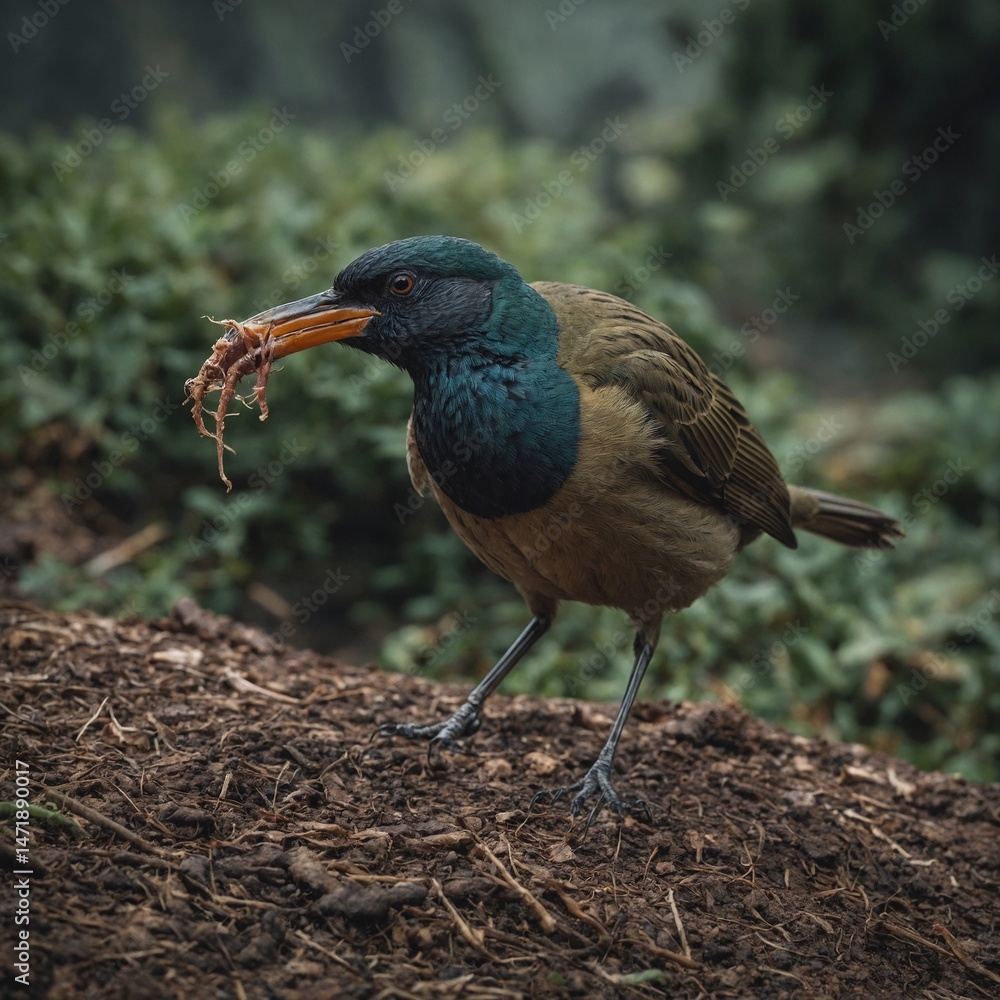
Credit: stock.adobe.com
How Beak Design Aids Worm Hunting
Birds that eat worms have special beaks shaped for finding and catching their prey.
The design of their beaks helps them reach worms hidden in the soil or under leaves.
Probing Techniques
Birds use long, thin beaks to probe deep into soft soil and narrow spaces.
- Thin beaks allow birds to feel worms below the ground.
- Pointed tips help pierce soil without much effort.
- Some birds have sensitive nerve endings on their beaks to detect movement.
Soil And Leaf Litter Foraging
Beaks are also shaped to move soil and leaf litter aside to find hidden worms.
| Beak Feature | Function |
| Curved Shape | Helps scoop leaf litter |
| Strong Base | Pushes soil aside |
| Sharp Edges | Cut through debris |
Evolutionary Benefits Of Specialized Beaks
Birds that eat worms often have special beaks. These beaks help them find and catch worms easily. Over time, their beaks changed to fit their food needs.
Specialized beaks give birds an advantage. They can survive better and get food faster. This helps them live longer and have more chicks.
Survival And Efficiency
A worm-eating bird’s beak is thin and pointed. This shape helps it dig into soft soil to find worms. The bird wastes less time searching for food.
Efficient feeding means the bird uses less energy. It can catch many worms quickly. This saves strength for other activities like flying and protecting its young.
- Thin, pointed beak to reach worms underground
- Strong enough to dig in soft soil
- Shape reduces energy used during feeding
Niche Specialization
Birds with worm-eating beaks fill a special role in nature. They help control worm populations. Their beak shape fits their food source perfectly.
This specialization reduces competition with other birds. Each bird species has its own food type and beak design. This balance helps ecosystems stay healthy.
- Beak shape matches worm diet
- Less competition with other birds
- Supports ecosystem balance

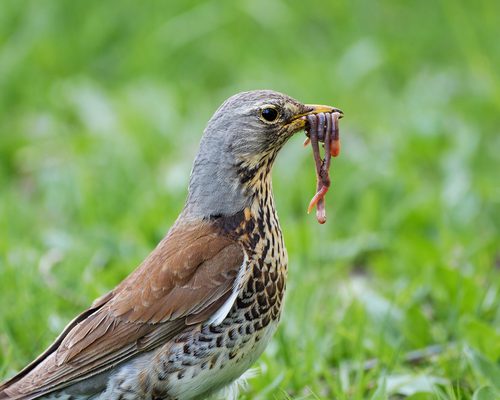
Credit: www.britannica.com
Comparisons With Other Insectivorous Birds
Birds that eat worms often have unique beak shapes. These shapes help them catch and eat their food. Comparing their beaks with other insect-eating birds shows clear differences.
Insectivorous birds use their beaks in different ways. Their feeding style affects the shape and size of their beaks.
Differences In Beak Shape
Worm-eating birds usually have long, thin, and slightly curved beaks. This shape helps them dig into the soil or leaf litter to find worms. Other insect-eating birds may have shorter or stronger beaks.
For example, flycatchers have wide, flat beaks to catch flying insects. Woodpeckers have strong, chisel-like beaks to break tree bark. These shapes are very different from worm-eaters.
- Worm-eaters: Long, thin, and curved beaks
- Flycatchers: Wide, flat beaks
- Woodpeckers: Strong, chisel-like beaks
- Warblers: Thin, pointed beaks for picking insects
Feeding Strategies
Worm-eating birds use their beaks to probe soil or leaf litter. They feel for worms before pulling them out. Other insectivores catch insects in flight or pick them from leaves.
Some birds use quick pecks to get insects from bark. Worm-eaters spend more time searching in dirt. Their beak shape supports this slower, probing style.
- Worm-eaters: Probe soil and leaf litter for worms
- Flycatchers: Catch insects while flying
- Woodpeckers: Peck bark to find insects
- Warblers: Pick insects from leaves and branches

Credit: www.shutterstock.com
Frequently Asked Questions
What Kind of Beak Do Worm-eating Birds Have?
Worm-eating birds have long, slender, and pointed beaks. This shape helps them probe soft soil and leaf litter to find worms easily.
Why Are Slender Beaks Ideal for Eating Worms?
Slender beaks can reach deep into narrow spaces. This lets birds extract worms without much effort or damage to the prey.
How Does Beak Shape Help Worm-eating Birds Survive?
Beak shape matches their feeding habits. It allows efficient worm capture, ensuring they get enough nutrition to survive and thrive.
Do All Worm-eating Birds Have Similar Beaks?
Most worm-eating birds share slender, pointed beaks. However, slight variations exist depending on their habitat and specific worm types eaten.
Conclusion
Birds that eat worms have special beaks. These beaks are long and thin. Perfect for digging in the soil. They help birds reach worms underground. Such beaks are also flexible. This flexibility aids in grabbing slippery worms. Nature designs these beaks for efficiency.
They make worm hunting easy. Observing these birds offers insights. Their beaks show evolution's wisdom. Understanding this helps us appreciate nature. Next time, notice the beak of a bird. It tells a fascinating story. A story of adaptation and survival.