Have you ever wanted to capture the beautiful sounds of birds singing around you? Recording bird songs can bring you closer to nature and help you appreciate the little wonders of the outdoors.
But how do you get clear, crisp recordings without expensive gear or complicated setups? In this guide, you’ll discover simple tips and tricks to help you record bird songs like a pro. Whether you’re a beginner or just looking to improve your skills, this article will give you everything you need to start capturing those magical melodies today.
Keep reading, and soon you’ll be able to enjoy your own collection of bird songs anytime you want.

Credit: www.youtube.com
Choosing The Right Equipment
Recording bird songs needs good tools. The right equipment helps capture clear sounds.
Picking the right microphone, recorder, and accessories improves your audio quality.
Best Microphones For Bird Songs
Microphones pick up bird sounds in different ways. Choose one that fits your needs.
Shotgun and parabolic mics are good for outdoor bird recording. They catch distant sounds well.
- Shotgun Microphones:Focus on sounds in one direction. Good for clear bird calls.
- Parabolic Microphones:Use a dish to gather sounds from far away. Great for quiet birds.
- Condenser Microphones:Sensitive and detailed. Works well in calm places.
Essential Recording Devices
Recorders save the bird songs your microphone collects. Choose one with good sound quality.
Look for recorders with low noise and easy controls. Battery life matters for long sessions.
- Digital recorders with high sample rates capture clear sounds.
- Devices with built-in microphones can be handy for quick recordings.
- Use recorders with external mic inputs for better microphone options.
Accessories To Enhance Audio Quality
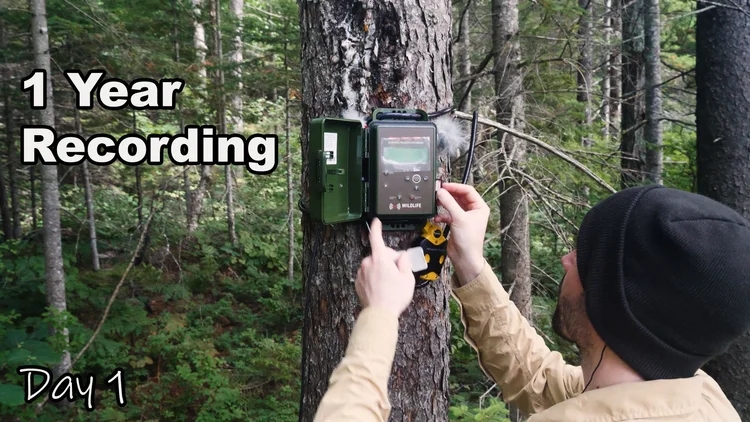
Accessories help reduce noise and improve sound clarity. They protect your equipment too.
Windshields and shock mounts are important for outdoor bird recording. They keep sounds clean.
- Windshields:Foam or furry covers block wind noise on microphones.
- Shock Mounts:Reduce vibrations that cause unwanted sounds.
- Tripods or Boom Poles:Hold microphones steady and allow better positioning.
- Headphones:Let you hear sounds clearly while recording.
Credit: acousticnature.com
Selecting The Ideal Location
Recording bird songs requires choosing the right place. The location affects sound quality and bird activity.
Finding a quiet spot with many birds helps capture clear and rich sounds. Let's explore how to pick the best place.
Finding Active Bird Habitats
Look for areas where birds gather often. Parks, forests, and wetlands usually have more bird sounds.
- Check places with trees and bushes.
- Visit near water sources like lakes or streams.
- Observe early morning bird activity.
- Ask local bird watchers for advice.
Minimizing Background Noise
Background sounds can spoil your recordings. Choose spots away from roads and busy areas.
| Noise Source | Distance to Avoid |
| Road Traffic | At least 100 meters |
| Construction Sites | 200 meters or more |
| Human Crowds | Quiet parks or nature reserves |
| Waterfalls or Streams | Close, if gentle sounds |
Timing Your Recording Sessions
Birds sing more at certain times. Plan your recording when birds are most active.
- Record early in the morning, just after sunrise.
- Try late afternoon before sunset.
- Avoid windy or rainy weather.
- Spend at least 30 minutes at one spot.
Setting Up For Clear Audio
Recording bird songs needs clear sound capture. Setting up your equipment right is key.
Good setup reduces noise and brings out the birds' true voices.
Positioning Your Microphone
Place the microphone close to the bird but avoid touching branches. Aim it towards the bird's singing spot.
- Keep the microphone steady and avoid movement
- Face the microphone in the direction of the sound source
- Stay quiet to prevent background noise
- Use a tripod or stand for stability
Adjusting Recording Levels
Set your recorder’s input levels to avoid distortion and noise. Levels that are too high cause clipping. Too low levels make sounds faint.
| Level Setting | Description |
| Low | Quiet sounds but may add background noise |
| Medium | Clear sound with minimal noise |
| High | Risk of distortion or clipping |
Using Windshields And Shock Mounts
Wind noise can ruin bird song recordings. Use a windshield to block wind sounds. A shock mount stops shakes and bumps.
- Choose foam or furry windshields for outdoor use
- Attach shock mounts to isolate mic from vibrations
- Test equipment before recording to ensure clear sound
Recording Techniques
Recording bird songs takes patience and the right approach. Good techniques help capture clear sounds.
Using proper tools and settings improves the quality of your bird recordings. Learning how to handle different situations is key.
Capturing Different Bird Calls
Birds have many types of calls. Some are short chirps, others are long songs. Listen carefully to catch them all.
Use a directional microphone to focus on a single bird. Move slowly to avoid scaring birds away.
- Set your recorder to a high sensitivity
- Record during early morning for more bird activity
- Stay quiet and still while recording
Handling Sudden Noises
Sudden sounds like wind or human noise can spoil your recordings. Be ready to pause or adjust quickly.
Use a windscreen on your microphone to reduce wind noise. Find a quiet spot away from roads or crowds.
- Stop recording if loud noise starts
- Wait for quiet moments before resuming
- Use noise reduction tools in editing software
Maximizing Sound Clarity
Clear sound helps identify bird species. Keep your microphone steady and close to the bird.
Check your settings before recording. Use a low gain to avoid distortion and keep file quality high.
- Use a tripod or stand for stability
- Choose a quiet time of day
- Record in lossless formats like WAV
Post-recording Tips
Recording bird songs is just the first step. After recording, you need to improve and organize your audio. Good post-recording work makes your bird songs clear and enjoyable.
This guide covers three important tips: editing for crispness, removing background noise, and storing and sharing your recordings.
Editing For Crispness
Edit your recordings to make bird songs sound clear and sharp. Cut out long silences and parts that do not have any bird sounds.
Use audio tools to adjust the volume and equalize the sound. Boosting the mid and high frequencies can help bird calls stand out.
- Trim extra silence at the start and end
- Adjust volume levels for consistency
- Use equalizer to enhance bird song frequencies
Removing Background Noise
Background noise can make it hard to hear birds clearly. Use noise reduction tools to reduce wind, traffic, and other sounds.
Be careful not to remove too much sound. Removing too much noise can make the recording sound unnatural or thin.
- Use noise reduction plugins or software
- Apply noise gate to cut sounds below a volume level
- Check the recording after noise removal for quality
Storing And Sharing Recordings
Save your edited bird songs in high-quality audio formats like WAV or FLAC. These keep the sound clear for later use.
Organize your files with clear names and dates. Share your recordings on birdwatching forums or social media to connect with others.
- Use descriptive file names (species, date, location)
- Keep backup copies in cloud storage or external drives
- Share files in common formats like MP3 for easy listening

Credit: academy.allaboutbirds.org
Ethical Considerations
Recording bird songs can be rewarding. It helps us learn about birds and nature. We must record responsibly to protect birds and their homes.
Ethical recording means thinking about how our actions affect birds. This guide explains key points to keep in mind.
Respecting Wildlife
Birds are wild animals with their own space. Respect means keeping a safe distance and not touching nests or eggs.
Observe quietly and avoid sudden moves. This helps birds feel safe and act naturally while you record.
Avoiding Disturbance
Disturbing birds can cause stress or make them leave their area. Avoid loud noises and bright lights near nests.
- Turn off sounds or calls that may confuse birds
- Use headphones to keep your equipment quiet
- Limit your time near sensitive spots
- Do not chase or corner birds
Legal Guidelines For Recording
Many places have laws to protect birds. Learn the rules before recording. Some species need special permits.
Follow local and national laws. Respect private property and protected areas. This keeps you safe and protects wildlife.
Frequently Asked Questions
What Equipment Is Best For Recording Bird Songs?
A good microphone and a portable recorder are essential. Use a shotgun mic or a parabolic reflector for clarity. Choose devices with low noise and high sensitivity for quality sound capture outdoors.
When Is The Best Time To Record Bird Songs?
Early morning is ideal as birds are most active then. Dawn chorus offers diverse and frequent singing. Avoid windy or rainy days for clearer recordings.
How Can I Reduce Background Noise In Recordings?
Use windshields on microphones to block wind noise. Record in quiet areas away from traffic and human activity. Editing software can also help remove unwanted sounds.
What Settings Should I Use On My Recording Device?
Set your recorder to a high sample rate, like 44. 1 kHz or higher. Use a low gain setting to avoid distortion. Monitor audio levels to prevent clipping.
Conclusion
Recording bird songs is a rewarding experience. It connects you to nature. With the right tools, capturing these melodies becomes simple. Practice patience. Birds sing at different times and places. Quiet surroundings help. Be respectful of their habitat. Share your recordings with others who love birds.
This hobby enriches your understanding of nature's beauty. Happy bird song recording!