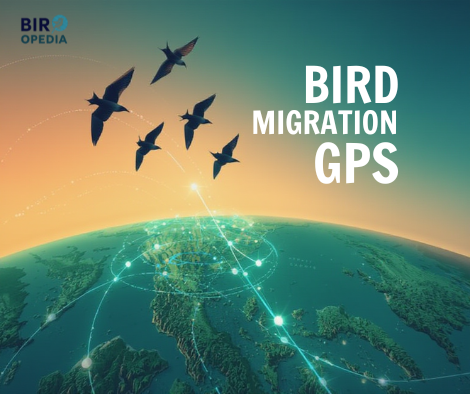
Amazing: How Do Baby Birds Learn Migration Routes
Have you ever wondered how tiny baby birds, with their fragile wings and innocent eyes, manage to find their way across vast continents during migration? It's a mesmerizing mystery that captivates bird watchers and nature lovers alike.
You might think these little creatures need a GPS, but nature has equipped them with something even more fascinating. Understanding how baby birds learn their migration routes is like unlocking a secret code of nature. This knowledge not only deepens your appreciation for these feathered travelers but also enhances your connection to the natural world around you.
Dive into this captivating topic and discover the incredible instincts and lessons that guide these young adventurers on their epic journeys. You won’t want to miss the insights that could change the way you view the avian world forever.
Credit: www.howitworksdaily.com
Innate Vs Learned Migration
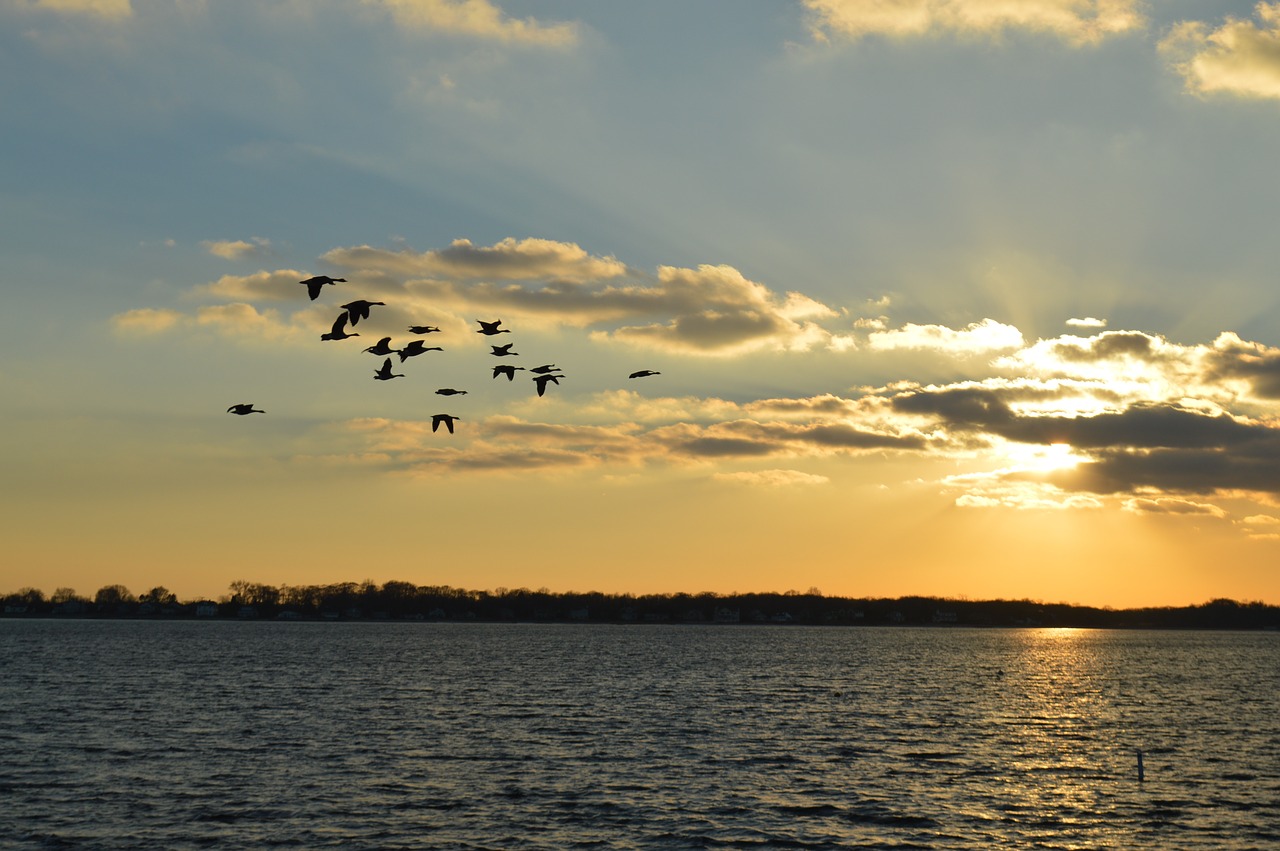
Bird migration is a fascinating journey many species take every year. Baby birds must learn where to go and how to get there. Scientists study if birds know their routes from birth or if they learn from their parents and environment.
Genetic Programming In Birds
Many birds have built-in knowledge to guide their migration. This is called genetic programming. They use natural cues like the sun, stars, and Earth's magnetic field to find their way.
- Birds can sense the Earth’s magnetic field
- They use the sun and stars for direction
- Some birds follow inherited flight paths
Role Of Parental Guidance
Parents help baby birds learn migration routes by leading them during their first trips. Young birds watch and follow their parents to remember the way for future migrations.
- Parents teach safe stopover spots
- Young birds learn when to start migration
- Following parents helps avoid dangers
Credit: sunrisewildlife.org
Navigation Techniques
Baby birds learn to migrate using several natural navigation methods. These skills help them travel long distances safely. They rely on environmental cues and inherited instincts to find their way during migration.
Using The Sun And Stars
Young birds watch the sun during the day and the stars at night. This helps them keep a steady direction.
- During daylight, they use the sun’s position.
- At night, they follow star patterns.
- They adjust their path as the sun or stars move.
Magnetic Field Detection
Birds can sense the Earth's magnetic field. This acts like a natural compass for their journey.
| Type of Sense | How It Works |
| Magnetoreception | Detects Earth's magnetic field to find direction |
| Light Sensitivity | Uses light to enhance magnetic sensing |
| Internal Compass | Helps maintain course over long distances |
Landmark Recognition
Baby birds remember landmarks to guide their path. These include rivers, mountains, and coastlines.
- Large bodies of water
- Mountain ranges
- Urban areas and roads
- Forests and open fields
Role Of Environmental Cues
Baby birds learn migration routes by using signs from their surroundings. These signs help them know when and where to travel. Environmental cues guide young birds during their first migration trips. They follow patterns in nature to find their way.
Seasonal Changes
Birds notice changes in the seasons to start migration. They see shifts in daylight and temperature as signals. Longer or shorter days tell birds when to leave or return. Cooler or warmer weather also helps them decide the time to move.
- Day length changes
- Temperature drops or rises
- Plant growth and decay
Weather Patterns
Young birds watch the weather to learn the best times to fly. Wind direction and storms affect their travel plans. Birds may wait for clear skies and favorable winds. Bad weather makes flying harder and more dangerous for them.
- Wind direction helps with flight path
- Storms signal to delay travel
- Clear skies encourage migration
Geographical Features
Landmarks like mountains, rivers, and coastlines help baby birds find their way. These features serve as natural guides. Birds follow these features to stay on track during migration. They learn to recognize key places on their route.
- Rivers act as navigation lines
- Mountains mark turning points
- Coastlines provide clear routes
Social Learning In Migration
Baby birds learn migration routes through social learning. They watch and follow other birds to find the way. This learning helps young birds survive during long journeys to warmer places or better food sources.
Flocking Behavior
Flocking helps baby birds learn migration routes by traveling in groups. Young birds join flocks to stay safe and learn the path.
- Flocks provide protection from predators.
- Young birds watch the movements of others.
- Birds communicate using calls to keep the group together.
- Flying together saves energy for long trips.
Following Experienced Birds
Baby birds often follow older, experienced birds during migration. This helps them learn the right routes and stop points.
| Role | How It Helps Baby Birds |
| Experienced Leaders | Guide the flock along safe routes |
| Older Siblings | Show resting and feeding spots |
| Parents | Teach navigation skills through example |
| Other Adults | Help correct mistakes in direction |
Challenges Young Birds Face
Young birds must learn many skills to survive their first migration. The journey is long and full of dangers. They face threats from predators, must navigate correctly, and manage their energy well to reach their destination.
Predators And Risks
Young birds are vulnerable to many predators during migration. They risk attacks from hawks, falcons, and other animals.
- Hawks and falcons hunt birds in flight.
- Snakes and mammals may attack resting birds.
- Bad weather increases risk of exposure and exhaustion.
- Human-made obstacles like buildings and power lines pose dangers.
Navigational Errors
Young birds can get lost during migration. They must learn to use the sun, stars, and Earth’s magnetic field.
| Navigation Method | How It Helps |
| Sun Position | Shows direction during the day |
| Stars | Guide birds at night |
| Magnetic Field | Provides a compass sense |
| Landmarks | Help recognize familiar routes |
Energy Management
Young birds must save energy to complete their journey. They learn when to rest and eat.
- Stopping at safe places to rest
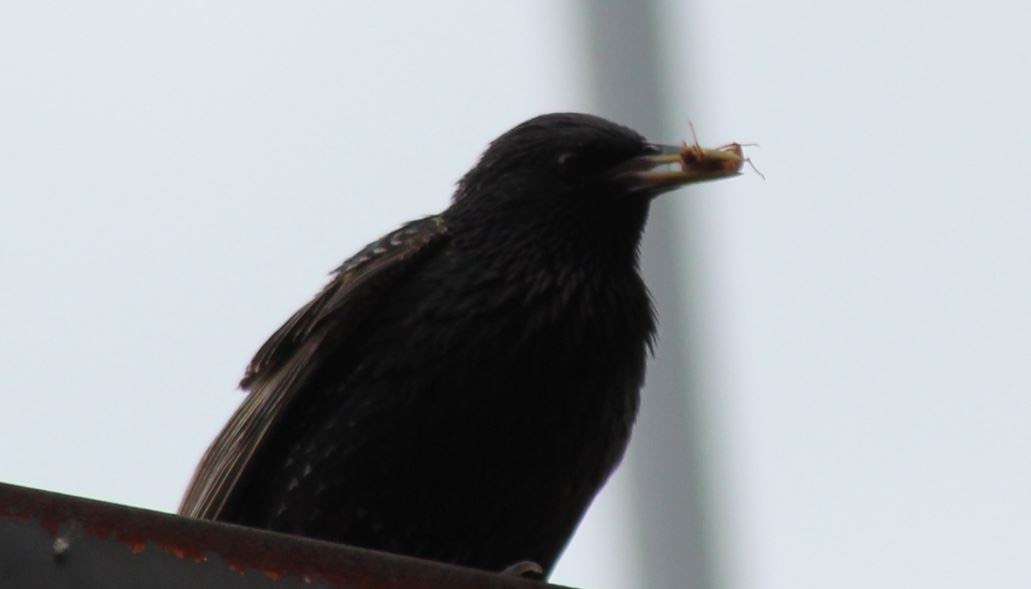
- Eating high-energy foods like insects and seeds
- Flying in groups to reduce wind resistance
- Adjusting flight speed and height to save energy
Credit: www.skedaddlewildlife.com
Research Methods And Discoveries
Scientists study how baby birds learn their migration routes using many methods. These help us understand the journey birds take each year. Research shows birds use natural cues and learn from experience. Different tools and studies reveal new details about their travel skills.
Tracking Technologies
Tracking tools help follow baby birds during migration. Tiny GPS devices and radio tags give data on their paths and timing.
- GPS trackers record exact locations.
- Radio tags send signals to researchers.
- Geolocators track light to estimate position.
- Satellite tracking works for long distances.
Field Observations
Scientists watch baby birds in nature to see how they learn. They note behaviors, flight patterns, and interactions with older birds.
| Observation Method | What It Shows |
|---|---|
| Direct watching | How babies follow adults |
| Nest monitoring | Timing of first flights |
| Banding | Tracking return visits |
| Audio recording | Communication during learning |
Experimental Studies
Researchers run tests to understand bird learning. They change conditions to see how birds react and remember routes.
- Releasing young birds in new places to observe navigation.
- Using artificial cues like lights or sounds to test learning.
- Studying brain changes after migration practice.
Frequently Asked Questions
How Do Baby Birds Learn Migration Routes Naturally?
Baby birds learn migration routes by following their parents during their first migration. They observe landmarks and use innate navigation skills combined with environmental cues like the sun and stars.
Do Baby Birds Use Instincts For Migration?
Yes, baby birds have an inherited instinct that guides their migration direction and timing. This instinct helps them navigate even without prior experience.
Can Baby Birds Remember Migration Paths?
Baby birds develop memory of migration routes through repeated journeys. Experience strengthens their navigation skills and improves route accuracy in future migrations.
How Important Is Parental Guidance In Bird Migration?
Parental guidance is crucial for many species. Parents lead young birds on initial migrations, teaching safe routes and necessary stopover sites.
Conclusion
Baby birds learn migration routes through a mix of instinct and experience. Parents guide them at first, showing safe paths to follow. Over time, young birds remember landmarks and directions on their own. This learning helps them survive long journeys each year.
Nature’s way of teaching is simple but powerful. Migration is a great example of how animals adapt and pass knowledge. Understanding this process helps us appreciate the wonder of bird life. Watching their travels reminds us of the beauty in nature’s design.