
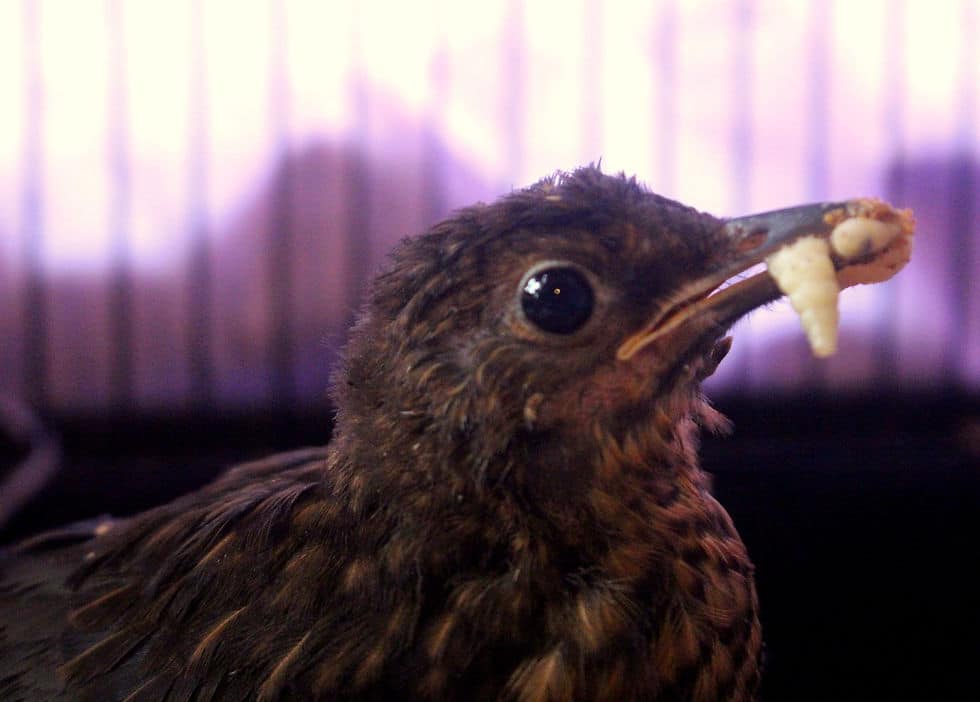
Have you ever wondered how tiny baby birds, called fledglings, make it through their first days outside the nest? Their survival is a delicate balance between nature’s challenges and their own growing strength.
Understanding what helps these young birds thrive can give you a new appreciation for their struggle and success. You’ll discover key factors that influence fledgling survival and simple ways you can support these vulnerable creatures. Keep reading to unlock the secrets behind their incredible journey to independence.

Credit: www.reddit.com
Bird Fledgling Challenges
Young birds face many dangers after leaving the nest. Their survival depends on avoiding threats and learning quickly.
Understanding these challenges helps us protect fledglings and support bird populations.
Common Threats To Young Birds
Fledglings are vulnerable to many dangers. These include predators, weather, and human activities.
- Starvation due to lack of food
- Injury from falls or accidents
- Exposure to harsh weather
- Disturbance by humans or pets
- Parasites and diseases
Natural Predators
Many animals hunt young birds. These predators can catch fledglings on the ground or near the nest.
- Snakes that climb trees to find nests
- Hawks and owls that spot birds from the sky
- Foxes and cats searching near nesting areas
- Larger birds like crows or jays
Environmental Hazards
Weather and human-made dangers affect fledgling survival. Some hazards are sudden, others last longer.
| Hazard | Effect on Fledglings |
| Heavy Rain | Chills and weakness |
| Strong Winds | Falls from trees |
| Heatwaves | Dehydration |
| Pollution | Health problems |
| Traffic | Injury or death |
Nesting And Habitat Tips
Helping young birds survive starts with good nesting and habitat care. Safe nests and friendly environments give fledglings a better chance to grow strong.
Understanding how to choose nest sites, create bird-friendly spaces, and protect nests can support bird populations in your area.
Choosing Safe Nest Sites
Birds need quiet, hidden places to build their nests. Choose spots away from predators and human activity. Trees, shrubs, and dense plants work well.
Avoid areas with strong winds or heavy rain exposure. Higher places can keep nests safe from ground predators.
- Pick thick bushes or tree branches for cover
- Look for spots sheltered from wind and rain
- Avoid open or busy areas with many people or pets
- Choose places away from predators like cats or snakes
Creating Bird-friendly Environments
Make your yard or garden welcoming for birds. Plant native trees and shrubs that offer food and shelter. Provide water sources like birdbaths or small ponds.
Use natural materials and avoid chemicals. This creates a safe space where birds can live and raise their young.
- Plant native flowers, shrubs, and trees
- Provide fresh water in birdbaths or ponds
- Leave leaf litter and dead wood for insects and shelter
- Avoid pesticides and herbicides
Protecting Nests From Disturbance
Keep nests safe by limiting noise and movement near them. Do not touch or move nests. Keep pets and children away during breeding season.
Mark nesting areas if possible. Watch from a distance to avoid stressing the birds.
- Stay quiet near nesting sites
- Keep pets, especially cats, indoors or away
- Do not touch or move nests or eggs
- Observe birds from a safe distance
- Mark nesting areas to remind others to keep away
Feeding Young Birds
Feeding young birds is vital for their survival and growth. Their diet needs to meet special nutritional needs.
Knowing what to feed and how often helps fledglings grow strong and healthy.
Nutritional Needs Of Fledglings
Young birds need protein, fats, and vitamins for energy and development. Protein helps build muscles and feathers.
Fats supply energy, and vitamins support immune health. Water is also important to keep fledglings hydrated.
Best Food Sources
- Insects like caterpillars, worms, and beetles provide protein.
- Soft fruits such as berries offer vitamins and minerals.
- Small seeds give energy and help with digestion.
- Specialized bird food can supplement natural diets if needed.
Feeding Frequency And Techniques
| Age of Fledgling | Feeding Times Per Hour | Feeding Tips |
| 1-3 days old | 8-12 | Feed small amounts often; be gentle. |
| 4-7 days old | 6-8 | Offer larger portions; keep food soft. |
| 8-14 days old | 4-6 | Encourage self-feeding; watch for swallowing. |
| 2+ weeks old | 3-4 | Introduce solid foods; reduce feeding frequency. |

Credit: www.reddit.com
Monitoring Growth And Health
Watching young birds closely helps ensure they grow strong and stay healthy. Careful observation lets you see changes in their size and behavior.
By checking their health often, you can spot problems early. This helps give the best chance for survival.
Signs Of Healthy Development
A healthy fledgling grows steadily and shows active behavior. Their feathers should look clean and smooth.
They eat well and respond to sounds and movement around them. Bright eyes and steady breathing are good signs.
- Steady weight gain
- Strong, clean feathers
- Alert and active behavior
- Clear eyes and normal breathing
- Good appetite
Identifying Illness Or Injury
Sick or hurt fledglings may act weak or stay very still. They might have ruffled feathers or swollen parts on their body.
Watch for signs like labored breathing, discharge from eyes or nose, and lack of eating. These can show illness or injury.
- Fluffed up feathers and lethargy
- Swelling or wounds on the body
- Difficulty breathing or wheezing
- Discharge from eyes or nose
- Refusal to eat or drink
When To Intervene
Intervene if the fledgling is weak, injured, or not eating. Early help can save its life.
Contact a wildlife expert for advice before handling. Only step in if the bird is in clear danger or sick.
- Fledgling falls from nest and cannot fly
- Visible injury or bleeding
- Bird is cold and unresponsive
- Not eating for long periods
- Signs of severe illness
Supporting Flight Skills
Young birds need help to develop strong flight skills. This support helps them survive outside the nest.
Helping fledglings learn to fly boosts their confidence and strength. Careful steps lead to success.
Encouraging Wing Strength
Wing muscles grow stronger with regular exercise. Gentle flapping and short flights build power.
Parents can create safe moments for fledglings to flap their wings often. This improves their endurance.
- Offer perches at different heights
- Encourage short flights between branches
- Limit time on the ground to increase wing use
Safe Practice Areas
Choose quiet, protected places for fledglings to practice flying. Avoid areas with many predators.
Clear spaces with soft landing spots help prevent injuries. Safety helps fledglings try new flights.
- Use dense bushes or trees for cover
- Keep away from busy roads or open fields
- Ensure soft ground or leaf litter for landing
Gradual Independence
Let fledglings fly short distances at first. Increase their flying time as they gain confidence.
Parents should watch closely but allow young birds to explore alone. This builds survival skills.
- Start with short flights near the nest
- Encourage longer flights as strength improves
- Reduce parental support slowly over time

Credit: www.green-feathers.co.uk
Human Interaction Guidelines
Bird fledglings are young birds learning to survive outside the nest. Human care can help or harm them. It is important to follow clear guidelines.
Proper interaction supports their survival and reduces risks. Knowing when and how to help is key.
Minimizing Stress
Fledglings get stressed easily. Too much noise or sudden movements can scare them. Keep your voice soft and move slowly.
Limit the time you spend near the bird. Stress weakens their chance to grow strong and healthy.
- Approach quietly and calmly
- Keep pets away
- Do not crowd or block escape routes
- Limit handling time
Handling Protocols
Only handle fledglings if necessary. Use clean hands or gloves to avoid infections. Support their body gently but firmly.
Do not try to feed or give water unless trained. Keep the bird warm and safe until help arrives.
- Wash hands before and after handling
- Hold the bird securely but gently
- Keep them in a small, ventilated container
- Avoid loud noises or sudden moves
When To Seek Professional Help
If the fledgling is injured or cold, contact a wildlife expert. Professionals know how to treat and care for young birds.
Do not try to raise the bird yourself. Experts have the right tools and knowledge to give the best care.
- The bird has visible injuries or bleeding
- It is weak, cold, or not moving
- The parents are not nearby for a long time
- You are unsure about the bird’s condition
Seasonal Considerations
Bird fledgling survival changes with the seasons. Different times of the year bring new challenges. Understanding these helps care for young birds better.
Seasonal changes affect food availability, weather, and safety. Adjusting care to these changes increases the chance that fledglings grow strong and healthy.
Timing Of Fledging
Fledging usually happens in spring or early summer. This timing matches when food is easy to find. Parents teach fledglings how to fly and find food during this period.
- Spring offers mild weather and plenty of insects.
- Early summer has more daylight hours for practice flights.
- Late fledging can risk colder weather and less food.
Weather Impacts
Weather plays a big role in fledgling survival. Heavy rain, cold, or strong winds can cause harm. Fledglings are weak and need shelter from bad weather.
| Weather Condition | Impact on Fledglings |
| Heavy Rain | Can cause hypothermia and exhaustion |
| Cold Temperatures | Reduce body heat and slow growth |
| Strong Winds | Make flying difficult and dangerous |
| Hot Weather | Risk of dehydration and overheating |
Adapting Care Throughout The Year
Care for fledglings changes by season. Knowing what each season needs helps keep birds safe and well-fed. Here are key tips for each time of year.
- Spring:Provide extra food and shelter from rain.
- Summer:Offer fresh water and shade to prevent heat stress.
- Fall:Help fledglings prepare for colder weather with more food.
- Winter:Offer warm shelters and consistent food supply.
Frequently Asked Questions
What Factors Affect Bird Fledgling Survival Rates?
Bird fledgling survival depends on food availability, predator presence, weather conditions, and parental care quality. Safe nesting sites also improve survival chances significantly.
How Do Parents Protect Fledglings From Predators?
Bird parents use camouflage, distraction displays, and vocal alarms to deter predators. They often lead fledglings away from danger to ensure safety.
When Do Fledglings Typically Leave The Nest?
Most fledglings leave the nest between 10 to 30 days after hatching. Timing varies by species and environmental conditions.
Why Is Fledgling Survival Important For Bird Populations?
High fledgling survival ensures stable bird populations and ecosystem balance. It supports species continuity and biodiversity.
Conclusion
Fledgling birds face many challenges in their early days. Survival depends on their strength and environmental factors. Parents play a crucial role in feeding and protection. Observing fledglings helps us understand their behavior and needs. Simple actions can support their survival.
Providing safe spaces and food is essential. Everyone can contribute to helping fledglings thrive. Each small effort counts in preserving bird populations. So, next time you see a fledgling, remember they rely on us. Let’s protect and cherish these young birds for a brighter future.
Our actions today shape their tomorrow.



