Colonial Nesting Birds: How Group Living Protects, Feeds, and Sustains Bird Communities
Have you ever wondered why some birds choose to live so close together when raising their young? Colonial nesting birds have a fascinating way of building their homes side by side, creating vibrant communities full of life and activity.
Understanding how these birds work together can change the way you see nature and the world around you. You’ll discover the secrets behind their teamwork, the benefits of nesting in groups, and why these bird colonies are so important to our environment.
Keep reading, and you’ll never look at a bird colony the same way again.
What Is Colonial Nesting
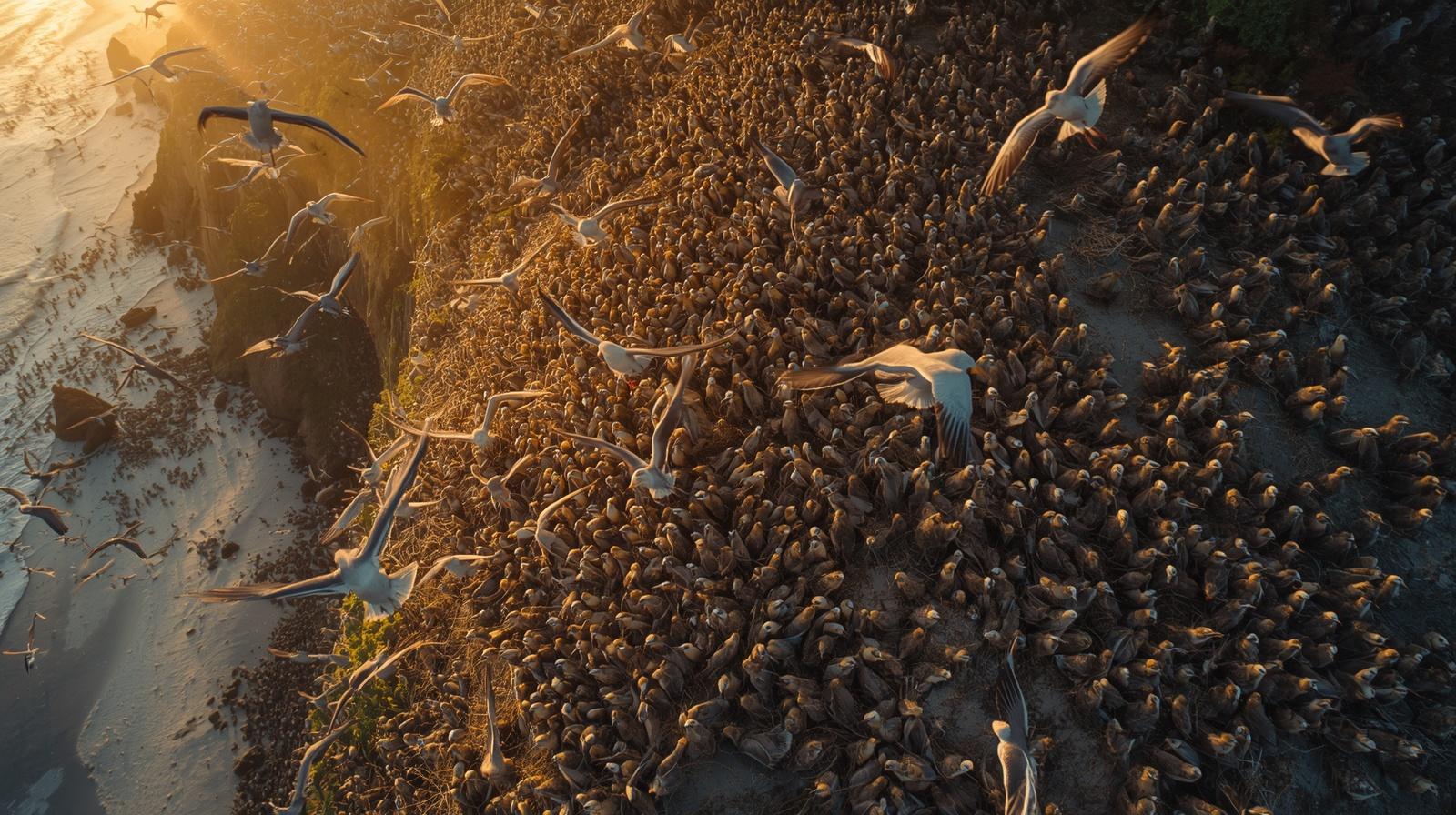
Colonial nesting happens when many birds build nests close together. These birds live and raise their young in groups.
This behavior helps birds protect their eggs and chicks from predators. It also helps them find food and shelter easily.
Benefits Of Colonial Nesting
Birds that nest in colonies get safety in numbers. Predators find it hard to attack many birds at once.
Birds also share information about food sources. This helps them find food faster and feed their young well.
- Protection from predators
- Better chances to find food
- Help with caring for chicks
Common Birds That Nest In Colonies
Many bird species use colonial nesting. Some build nests in trees, others on cliffs or the ground.
- Seagulls
- Herons
- Penguins
- Swallows
- Cormorants
How Birds Build Colonial Nests
Birds gather materials like twigs, leaves, and mud to build nests. They place nests close to each other.
Each bird or pair builds its own nest but stays near others. This helps them watch for danger together.
- Collect twigs and leaves
- Build nests close together
- Share space for safety
Challenges Of Colonial Nesting
Living close can spread diseases quickly among birds. It can also cause fights for space or food.
Birds must balance the benefits of safety with the risks of crowding. They often choose good spots carefully.
- Disease spreads faster
- Competition for food and space
- Noise and disturbance from neighbors
Benefits Of Group Living
Colonial nesting birds live together in large groups. This way of living helps them survive better. They share many benefits by staying close to each other.
Living in groups helps birds protect themselves, find food, and find mates more easily. These benefits make group living very important for their survival.
Protection From Predators
Birds in colonies keep watch for danger. Many eyes can see predators early. This helps the birds warn each other quickly.
- More birds mean more guards
- Birds can mob predators together
- Safety in numbers reduces attacks
Efficient Foraging
Group living helps birds find food faster. They watch where others find food. This saves time and energy.
| Foraging Benefit | Description |
| Spotting Food | Birds see where food is found by others |
| Sharing Information | Birds follow each other to good feeding spots |
| Less Energy Used | Birds spend less time searching alone |
Enhanced Mating Opportunities
Living in groups helps birds find mates. Many birds gather in one place. This makes it easy to meet and choose partners.
Group living also helps young birds learn social skills. They watch and copy others during courtship.
- More mates to choose from
- Better chances to find strong partners
- Learning from others’ mating behaviors
Common Colonial Nesting Species
Colonial nesting birds gather in large groups to build nests close to each other. This behavior helps protect them from predators. Many types of birds form colonies near water or open spaces.
These colonies include a wide variety of species. Some live by the sea, some in wetlands, and others in forests. Each group has unique nesting habits and preferred locations.
Seabirds
Seabirds often nest on cliffs or rocky islands. They rely on fish and marine life for food. Common seabird species include gulls, terns, and cormorants.
- Gulls: Large groups nest near shorelines. They build nests with grass and seaweed.
- Terns: Small, sharp-beaked birds. They lay eggs on sandy beaches or flat rocks.
- Cormorants: Dark birds that nest in trees or on cliffs. They fish by diving underwater.
Waterfowl
Waterfowl live near lakes, rivers, and marshes. They build nests in reeds or on floating vegetation. Ducks, geese, and swans are common waterfowl species.
| Species | Nesting Location | Colony Size |
| Ducks | Reeds and grasses near water | Small to medium groups |
| Geese | Ground near lakes or rivers | Medium to large colonies |
| Swans | Floating nests or shores | Small groups |
Songbirds
Some songbirds form colonies in trees or shrubs. They use twigs and leaves to build nests. Species like purple martins and cliff swallows are known for colonial nesting.
Examples of colonial songbirds:
- Purple Martins: Live in large groups, often in birdhouses or natural cavities.
- Cliff Swallows: Build mud nests on cliffs, bridges, or buildings.
- Violet-green Swallows: Nest in tree holes in small colonies.
Nesting Site Selection
Colonial nesting birds choose sites carefully to protect their young. The right spot helps them stay safe and find food. Environmental factors also shape where they build nests.
Understanding how birds pick nesting sites helps us learn about their behavior. It also shows how they survive in nature.
Safety Factors
Birds look for places that keep predators away. High trees or isolated islands are common choices. They also avoid areas with much human activity.
- Elevated locations to prevent predator access
- Dense foliage to hide nests
- Distance from human settlements
- Groups provide extra protection
Proximity To Food
Nesting sites near food sources save energy. Birds prefer areas close to water or fields rich in insects. This helps them feed their chicks quickly.
| Food Source | Common Nesting Distance |
| Fish-rich waters | Within 1 mile |
| Insect fields | Within 0.5 mile |
| Fruit trees | Within 0.3 mile |
Environmental Conditions
Birds choose sites with good climate and shelter. They avoid places prone to flooding or strong winds. Sun exposure helps keep eggs warm.
- Stable temperature for egg development
- Protection from heavy rain and storms
- Availability of shade during hot days
- Good ventilation to avoid mold
Communication Within Colonies
Colonial nesting birds live close together in large groups. They use many ways to talk and share information. This helps them stay safe and find food.
Birds rely on sounds, sights, and teamwork to communicate inside their colonies. Each method plays a special role in their daily lives.
Vocal Signals
Birds use different calls to send messages. These sounds warn of danger, attract mates, or keep the group together. Each call has a unique tone and pattern.
- Alarm calls alert others to predators.
- Contact calls help birds find each other.
- Song calls attract mates and mark territory.
- Begging calls from chicks signal hunger.
Visual Displays
Birds use body movements and colors to send messages without sound. These displays show strength, warn rivals, or invite mates. Visual signals are clear and fast.
| Type of Display | Purpose |
|---|---|
| Wing spreading | Show dominance or scare threats |
| Feather fluffing | Attract mates by looking larger |
| Head bobbing | Signal readiness to mate |
| Beak pointing | Warn others to keep distance |
Coordinated Defense
Birds work together to protect their colony from predators. They use loud calls and group movements to drive threats away. Teamwork keeps the colony safe.
- Spot the predator early and alert others.
- Gather in a group to appear bigger.
- Chase the predator by flying close and making noise.
- Return quickly once the threat leaves.
Parental Roles And Cooperation
Colonial nesting birds live and raise their young in groups. This way, parents share many tasks. Cooperation helps protect and feed their chicks well.
Both mother and father take part in caring for eggs and chicks. They work together to keep their young safe and strong.
Shared Incubation Duties
Parents take turns sitting on the eggs to keep them warm. This sharing lets one parent rest while the other stays on the nest.
Usually, one bird stays on the nest while the other finds food. This way, the eggs stay safe and warm all the time.
- Parents switch incubation regularly
- One incubates, the other forages
- Eggs stay warm and protected
Feeding Strategies
Both parents feed the chicks with food they bring from outside. They bring insects, fish, or seeds depending on the bird species.
Parents share the work of finding food. This helps feed the chicks faster and keeps them growing well.
- Parents gather food separately
- Feed chicks often to help growth
- Use different food based on species
Protecting The Young
Parents work as a team to guard their chicks. They watch for predators and warn other birds in the colony.
They may mob or chase away threats together. This teamwork keeps the young birds safe while they grow.
- Parents keep watch for dangers
- Warn colony with loud calls
- Chase away predators as a group
Challenges Faced By Colonial Nesters
Colonial nesting birds live close together in large groups. This way of life helps protect them from predators.
Living in big colonies also brings many challenges that affect their survival and health.
Disease Spread
When birds nest close, diseases can move quickly from one bird to another. This can cause many birds to get sick fast.
Parasites and bacteria spread easily in crowded nests, making it hard for birds to stay healthy.
Competition For Resources
Birds in large colonies need a lot of food and space. They often compete with each other to get what they need.
This competition can make it difficult for some birds to find enough food or a good place to build their nest.
- Fighting over food sources
- Struggling for nesting spots
- Less food available for weaker birds
Human Disturbance
Humans can disturb colonial nesting birds by getting too close to their nesting areas. This causes stress and can scare birds away.
Construction, noise, and pollution near colonies also affect the birds’ ability to raise their young safely.
Adaptations For Survival
Colonial nesting birds live closely in groups. This helps them stay safe and find food easier.
They have special ways to build nests, choose breeding times, and live together. These help them survive.
Nest Construction Techniques
Colonial birds build nests near each other to protect against predators. They use local materials like sticks and grass.
Some species create strong nests that last for many years. Others build simple nests quickly to lay eggs fast.
- Use sticks, leaves, mud, or seaweed
- Build nests tightly packed for safety
- Place nests in hard-to-reach spots
Timing Of Breeding
Colonial birds breed when food is most available. This ensures chicks get enough to eat.
Breeding at the same time helps birds protect their young together. It also improves chances of finding mates.
- Breed during seasons with plenty of food
- Synchronize breeding with colony members
- Adjust timing if weather changes
Social Behaviors
Living in colonies helps birds warn each other about danger. They use calls and body signals.
Birds share tasks like guarding nests and finding food. This teamwork helps many survive harsh conditions.
- Communicate with sounds and movements
- Work together to defend against predators
- Help care for each other’s chicks
Conservation Efforts
Colonial nesting birds live and breed in groups. Their survival depends on safe habitats.
Conservation efforts help protect these birds and their nesting areas. This work is vital to keep their populations strong.
Protecting Nesting Sites
Many bird colonies face threats from habitat loss and human disturbance. Protecting nesting sites helps birds raise their young safely.
- Set up protected areas around nesting colonies
- Limit human access during breeding season
- Remove invasive plants that damage nesting habitats
- Restore damaged wetlands and shorelines
Monitoring Populations
Scientists track bird numbers to see if populations grow or shrink. Monitoring helps find problems early.
| Year | Number of Nesting Pairs | Notes |
| 2021 | 350 | Stable population |
| 2022 | 320 | Some habitat loss |
| 2023 | 400 | New protected area added |
Community Involvement
Local people play a big role in conservation. They can help watch nests and share information.
How communities can help:
- Report illegal hunting or egg collecting
- Join bird counts and surveys
- Educate others about bird protection
- Support habitat restoration projects

Frequently Asked Questions
What Are Colonial Nesting Birds?
Colonial nesting birds live and breed in large groups. They build nests close together to protect against predators. This behavior helps improve survival and increases mating opportunities. Examples include gulls, herons, and penguins.
Why Do Birds Nest In Colonies?
Birds nest in colonies for safety and social benefits. Group nesting deters predators and allows sharing of resources. It also improves communication and mating success. This strategy enhances overall survival rates for the species.
Which Birds Are Common Colonial Nesters?
Common colonial nesters include gulls, terns, herons, and pelicans. These birds often choose coastal or wetland areas. Their colonies can range from a few nests to thousands. Such locations provide abundant food and protection.
How Do Colonial Nesting Birds Protect Their Young?
Colonial nesting birds protect their young by group vigilance. Many adults watch for predators and warn others. They may mob threats or use alarm calls. Nesting close together increases defense efficiency and chick survival.
Conclusion
Colonial nesting birds show nature’s teamwork beautifully. These birds gather in large groups. They share resources and protect each other. Watching them reveals social interactions and survival tactics. Their nesting habits help maintain ecological balance. They play a crucial role in their ecosystems.
Observing them offers insights into bird behavior and environmental health. Their presence highlights the importance of conservation efforts. Protecting their habitats ensures they thrive. Learning about these birds enriches our understanding of the natural world. Let’s appreciate and support their existence.
Together, we can safeguard their future for generations.