Have you ever wondered how tiny, fragile baby birds learn to take their very first flight? It’s not just instinct that gets them off the ground—it’s a careful, fascinating process led by their parents.
Understanding how birds teach hatchlings to fly can give you a fresh appreciation for nature’s incredible lessons in patience, trust, and courage. Keep reading, and you’ll discover the surprising ways these feathered teachers guide their young to soar into the sky.
Credit: www.lemon8-app.com
Nest Preparation And Safety
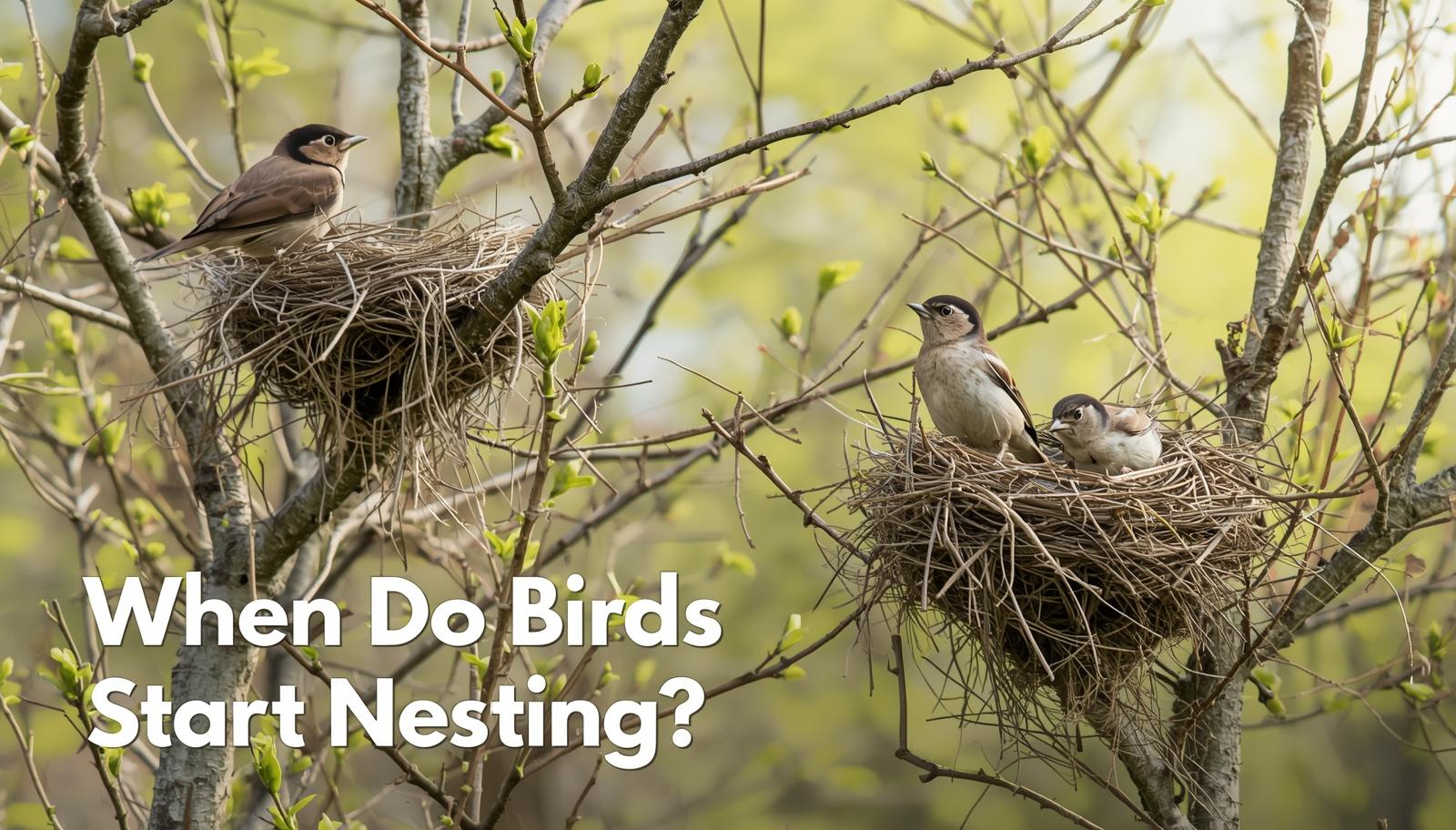
Birds teach their hatchlings to fly by first creating a safe and comfortable nest. A good nest gives the young birds a secure place to grow strong wings.
The nest must protect the hatchlings from weather and predators. This helps the baby birds feel safe as they learn to fly.
Choosing The Right Location
Birds pick quiet, hidden spots for their nests. These places keep hatchlings safe from danger and loud noises.
Good locations often have good cover, like thick branches or tall grass. They also stay dry and shielded from wind.
- High in trees or bushes to avoid ground predators
- Near food sources so parents can feed hatchlings easily
- Protected from strong winds and heavy rain
- Far from busy human areas and loud sounds
Building A Secure Nest
Birds use soft materials like leaves, grass, and feathers to build nests. These materials keep hatchlings warm and comfortable.
The nest shape holds the hatchlings safely inside. Birds build strong walls to stop the babies from falling out as they grow.
- Use of sticky mud or saliva to hold materials together
- Layering soft lining inside for warmth
- Creating a cup shape to hold hatchlings securely
- Ensuring the nest is stable and does not sway much

Credit: www.youtube.com
Early Life Stages Of Hatchlings
Birds teach their hatchlings to fly through several early life stages. These stages help young birds grow strong and learn important skills.
Parents guide their chicks carefully as they develop physically and change their behavior. These changes prepare hatchlings to leave the nest.
Physical Development
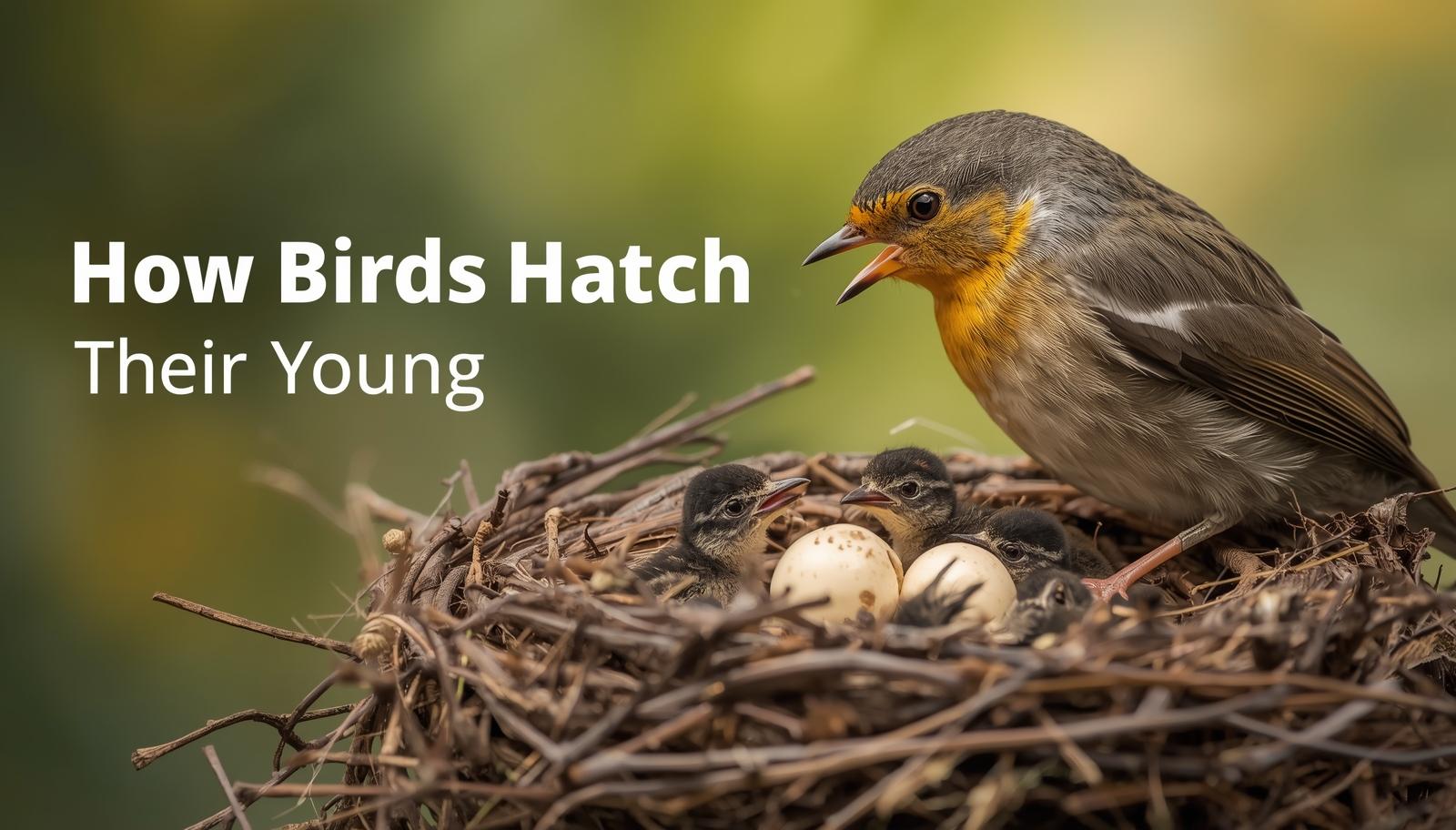
Hatchlings start with soft, downy feathers. Their wing muscles are weak at first. Parents feed them well to build strength.
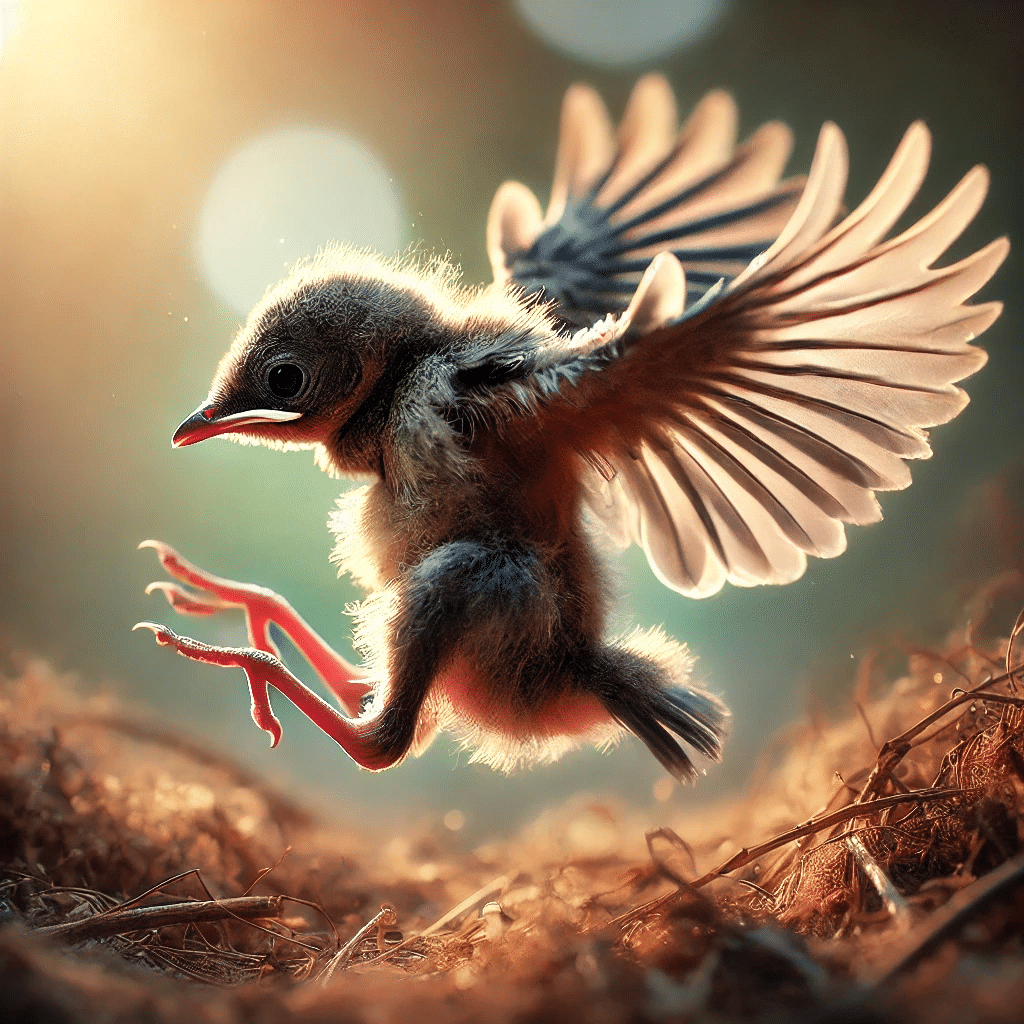
Feathers grow thicker and stronger. Wing muscles get stronger as chicks flap their wings. This helps them prepare to fly.
- Down feathers keep hatchlings warm
- Flight feathers grow over time
- Wing muscle strength improves with exercise
- Body weight increases for flight readiness
Behavioral Changes
Hatchlings start by staying in the nest and relying on parents. They learn to move their wings and balance on branches.
Parents encourage flight practice by leading chicks to short flights. The young birds gain confidence and improve coordination.
- Begging for food signals hunger
- Wing flapping increases daily
- Short flights build muscle and skill
- Following parents teaches safe flying routes
Parental Encouragement Techniques
Bird parents play a big role in teaching their babies to fly. They use special ways to encourage hatchlings to move their wings and try flying.
These techniques help young birds gain strength and confidence. Parents guide hatchlings step by step toward their first flights.
Stimulating Wing Movement
Bird parents often gently flap their wings near the young birds. This action shows the hatchlings how to move their own wings.
Parents also nudge the hatchlings to stretch and flap. This builds muscle strength needed for flying.
- Parents spread their wings wide to attract attention
- Soft wing flaps encourage hatchlings to imitate
- Light nudges help hatchlings stretch their wings
- Repeated movements build muscle control
Motivating First Flights
Bird parents often call to their young with soft sounds. These sounds motivate hatchlings to leave the nest and try flying.
Parents may also fly short distances nearby. This shows hatchlings that flying is safe and useful.
- Parents use gentle calls to encourage movement
- Short flights by parents inspire hatchlings
- Food rewards motivate hatchlings to fly
- Supportive presence reduces fear in young birds
Flight Practice Sessions
Bird parents spend a lot of time helping their hatchlings learn to fly. This training happens in stages. Each stage builds the young bird’s strength and skill.
The practice sessions start with small movements and grow into longer flights. These lessons also teach balance and how to use their wings well.
Short Hops To Extended Flights
Young birds begin by making short hops from branch to branch. These hops help them get used to flapping wings and landing safely. As they get stronger, parents encourage longer flights.
- Start with hopping on nearby branches.
- Practice flapping wings while standing.
- Try flying short distances to low branches.
- Increase flying distance to higher branches.
- Attempt longer flights across open spaces.
Balancing And Coordination
Balance and coordination are key to safe flying. Parent birds help hatchlings learn how to control their bodies in the air and on landing.
| Skill | How Parents Help | Hatchling Practice |
| Wing Flapping | Encourage repeated flapping while perched | Flap wings to build strength |
| Body Balance | Guide movements on unstable branches | Adjust body to stay steady |
| Landing Control | Show how to slow down before landing | Practice soft landings on branches |
Teaching Survival Skills
Bird parents teach their hatchlings how to survive in the wild. Flying is a key skill for young birds. It helps them find food and stay safe.
Besides flying, birds learn important lessons about their environment. These lessons help them live longer and grow strong.
Navigating The Environment
Bird parents guide their young to recognize safe places and food sources. They show them how to move through trees and open spaces. This helps hatchlings understand where to fly and land.
Young birds watch their parents closely as they fly. They learn to judge distances and spot good resting spots. Parents often fly with their hatchlings until they feel confident.
- Identify food locations
- Learn to find shelter
- Practice flying between branches
- Understand landmarks for navigation
Avoiding Predators
Bird parents teach hatchlings to spot danger. They warn them about predators like hawks and snakes. Hatchlings learn to hide or fly away quickly.
Sometimes, parents use loud calls to signal threats. Hatchlings learn these sounds and react fast. This training helps them stay safe in the wild.
- Recognize predator shapes and sounds
- Hide in bushes or trees
- Fly away when alarm calls happen
- Stay close to parents for protection
Role Of Social Learning
Young birds learn to fly not just by practice but by watching others. Social learning plays a big part in how hatchlings gain this skill.
By observing family and group members, hatchlings pick up important flying techniques. This helps them fly safely and confidently.
Watching Siblings And Parents
Hatchlings watch their parents and siblings closely. They learn how to flap wings, balance, and land properly.
- Parents show how to take off from the nest
- Siblings encourage each other to try flying
- Young birds copy the wing movements of adults
- Parents give gentle nudges to boost confidence
- Observation helps hatchlings understand timing and speed
Group Flight Dynamics
Flying in groups teaches hatchlings about teamwork and safety. They learn how to keep pace and follow the leader.
| Group Flight Behavior | What Hatchlings Learn |
| Formation Flying | How to save energy by flying in patterns |
| Following Leader | How to match speed and direction |
| Communication | Signs to stay together and avoid danger |
| Landing Together | How to land safely near others |
Challenges Hatchlings Face
Young birds face many challenges as they learn to fly. Their first attempts are often filled with mistakes.
Parents guide hatchlings through these tough moments to help them become strong fliers.
Common Flight Mistakes
Hatchlings often flap too fast or too slow. They may lose balance or miss catching air currents.
- Flapping wings unevenly
- Not lifting off fully from the ground
- Landing awkwardly or falling
- Struggling to control direction
Overcoming Fear And Fatigue
Fear keeps hatchlings close to the nest. Fatigue makes them stop trying to fly.
| Challenge | How Parents Help |
| Fear of falling | Encouraging short flights near the nest |
| Muscle tiredness | Rest breaks and gentle wing exercises |
| Low confidence | Positive calls and presence nearby |
Variations Among Bird Species
Birds teach their hatchlings to fly in many different ways. Each species has unique habits to help their young learn flight.
These differences depend on the bird’s environment, size, and flying style. Understanding these variations shows how birds adapt to their needs.
Different Teaching Styles
Some birds use gentle encouragement to help their hatchlings try flying. They may hop alongside or flutter their wings to show the way.
Other birds push their young out of the nest, making them learn fast. Some parents fly just above the ground, calling to the hatchlings.
- Parental calls encourage hatchlings to follow
- Wing-flapping demonstrations teach movement
- Chasing or hopping motivates flight attempts
- Gradual distance increase builds strength
Unique Flight Adaptations
Bird species have special features that help their young learn to fly. Some hatchlings have strong legs to jump or run before flying.
Others have wing shapes that allow quick bursts of speed or slow, steady gliding. These adaptations affect how parents teach flight skills.
- Strong legs for running start in ground birds
- Short, rounded wings for quick flapping
- Long wings for soaring and gliding
- Flexible feathers for better control
Scientific Insights And Studies
Birds teach their hatchlings to fly through natural behaviors and instincts. Scientists study these actions to understand how young birds learn flight skills.
Research in this field helps us know more about animal learning and survival strategies in the wild.
Observational Research
Scientists watch birds in their natural habitats to see how parents help their young learn to fly. They note behaviors like wing flapping and jumping from branches.
Parents often encourage hatchlings by calling them or showing flight movements. Young birds try to copy these actions until they succeed.
- Parents flutter wings to show how to fly
- Hatchlings practice flapping before actual flight
- Birds often start with short hops and glides
- Encouragement from parents increases hatchlings’ confidence
Technological Advances In Study
New tools help scientists study bird flight learning more closely. High-speed cameras capture fast wing movements that are hard to see with the naked eye.
Tracking devices record the flight paths of young birds. This data shows how their flying skills improve over time and how parents support them.
- High-speed video reveals wing flapping details
- GPS trackers follow flight routes and distances
- Motion sensors measure wing beat frequency
- Data helps compare different bird species’ learning

Credit: www.youtube.com
Frequently Asked Questions
How Do Birds Encourage Hatchlings To Fly?
Birds encourage hatchlings by calling them from safe perches. They flap their wings to demonstrate flying. Parents also bring food mid-flight, motivating hatchlings to follow and practice flying skills.
At What Age Do Hatchlings Start To Fly?
Most hatchlings begin to fly between 2 to 3 weeks old. This varies by species but generally occurs once they develop strong feathers and muscles. Parents assess readiness before encouraging flight.
Do Birds Teach Hatchlings Flying Techniques?
Yes, parent birds teach flying techniques by example. They show wing-flapping and controlled landings. Hatchlings learn through observation and gradual practice under parental guidance.
How Long Does It Take Hatchlings To Master Flying?
Hatchlings usually take a few weeks to master flying. Initial flights are short and clumsy. With parental support, flying skills improve steadily for survival and independence.
Conclusion
Birds guide their young with patience and care. They teach flying through example and encouragement. Each flap of wings is a step toward independence. Nature's way ensures survival and growth. Hatchlings learn by watching and trying. Mistakes happen, but they learn resilience.
Parents offer support and motivation. This natural process strengthens family bonds. Observing birds inspires wonder and appreciation. Their lessons highlight nature's wisdom. Flying is more than a skill; it's freedom. Through practice, young birds find their path. The cycle of life continues, one flight at a time.