Have you ever wondered What is a Bird Roosting Box and where birds rest safely at night or take shelter during bad weather? A bird roosting box might be the simple answer you're looking for.
This small, cozy home offers birds a secure place to stay, and it can bring nature closer to your own backyard. If you want to learn how a bird roosting box can help protect your feathered friends and even attract more birds to your garden, keep reading.
You’ll discover everything you need to know to make a difference for birds in your area.
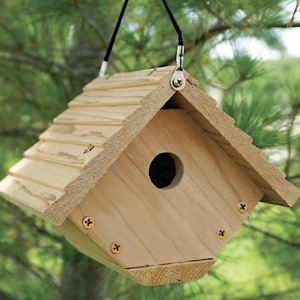
Credit: www.birdwatchersgeneralstore.com
Bird Roosting Box Basics
A bird roosting box is a small shelter made for birds to rest in. It helps birds stay safe during the night or cold weather.
These boxes are placed outside in gardens, parks, or forests. They give birds a cozy place to sleep and hide from predators.
Purpose Of Roosting Boxes
Roosting boxes provide birds a warm and safe place to rest. They protect birds from bad weather like rain, wind, and cold.
These boxes also keep birds safe from animals that might try to catch them at night. They help birds feel secure and comfortable.
Common Bird Species Using Boxes
Many bird species use roosting boxes. Small birds often choose these boxes to stay safe and warm during the night.
- Wrens
- Chickadees
- Nuthatches
- Bluebirds
- Tree Swallows
Design Features
A bird roosting box offers birds a safe place to rest and stay overnight. Its design must meet their needs for comfort and protection.
Good design helps attract birds and keeps them safe from weather and predators.
Experts differentiate the function: "The primary difference between a roosting box and a nesting box is the placement of the entrance hole. Nesting boxes require the hole to be near the top to protect the eggs and chicks from predators. However, a roosting box functions best with the entrance hole located near the bottom. This design traps the warm air produced by the bird's body heat at the top of the box, where the bird needs it most for survival during cold nights, providing superior thermal efficiency."
Materials For Construction
Wood is the most common material for bird roosting boxes. It insulates well and lasts long if treated properly. Avoid using metal or plastic that get too hot or cold. Use non-toxic paint or stains to protect the wood without harming birds.
Size And Shape Considerations
- Choose a size that fits the bird species you want to attract.
- Small boxes suit small birds, while larger boxes fit bigger birds.
- A sloped roof helps rainwater run off easily.
- Round or oval entrances reduce predator access.
- Flat back panels make mounting easier.
Ventilation And Drainage
| Feature | Purpose |
| Ventilation holes near the top | Keep air fresh and prevent overheating |
| Drainage holes at the bottom | Allow water to escape and keep the inside dry |
| Overhanging roof | Protects the entrance from rain |
Placement Tips
Placing a bird roosting box correctly helps birds feel safe and comfortable. Good placement increases the chances that birds will use it.
Think about where birds like to rest and what keeps them protected. Follow these tips to place your bird roosting box well.
Ideal Locations
Choose quiet places with little foot traffic. Birds prefer spots near trees or bushes for cover. Avoid busy or noisy areas.
- Near natural bird habitats like woods or gardens
- Close to food sources like berry bushes or feeders
- Protected from strong winds and rain
- Away from bright lights at night
Height And Orientation
Mount the roosting box at a safe height, usually 6 to 10 feet above ground. This keeps birds safe and easy to find.
Face the box entrance away from prevailing winds and harsh sun. East or southeast directions often work best to catch morning sun.
- Place 6–10 feet high for safety
- Avoid direct wind and rain on the entrance
- Face entrance east or southeast
- Keep entrance clear of branches or obstacles
Safety From Predators
Protect birds by placing the box where predators cannot reach easily. Avoid spots near fences or low branches.
Use predator guards or baffles on poles or trees to stop climbing animals. Clear the area below to prevent cats or snakes from hiding.
- Keep boxes away from low branches or fences
- Install metal or plastic guards on mounting poles
- Clear brush or debris under the box
- Check regularly for signs of predators
Credit: guelph.wbu.com
Building A Roosting Box
A bird roosting box gives birds a safe place to rest at night. It helps them stay warm and protected from weather.
Building a roosting box is simple and fun. You can make one with basic tools and wood.
Essential Tools And Supplies
Gather all tools and materials before starting. This saves time and keeps the project smooth.
- Wooden boards (cedar or pine are good)
- Measuring tape
- Pencil for marking
- Hand saw or power saw
- Hammer and nails or screwdriver and screws
- Drill with small bit
- Sandpaper
- Non-toxic paint or wood stain
Step-by-step Assembly
Follow these steps to build the box. Take your time and check measurements carefully.
- Cut the wood to size: front, back, sides, bottom, and roof pieces.
- Drill small ventilation holes near the top of the sides.
- Sand all pieces to smooth rough edges.
- Assemble the sides and bottom first, using nails or screws.
- Attach the front panel, leaving a small entrance hole near the top.
- Fix the roof on top, slightly sloped to let rain run off.
- Check the box for stability and seal any gaps.
Painting And Finishing
Use non-toxic paint or stain to protect the wood. Avoid bright colors that scare birds.
Apply paint or stain in thin layers. Let each coat dry before adding another.
- Choose natural or earth tones like green, brown, or gray.
- Paint outside only; leave inside bare for safety.
- Seal edges and corners to prevent water damage.
- Allow the box to dry completely before placing it outside.
Maintenance And Cleaning
Keeping a bird roosting box clean helps birds stay healthy and safe. Regular care extends the life of the box.
Cleaning removes parasites and old materials that can harm birds. It also keeps the box ready for new occupants.
Seasonal Care
Check the roosting box after each season. Look for damage from weather or animals.
Fix any cracks or loose parts to keep the box safe. Weatherproof it if needed to protect against rain and wind.
- Inspect in late fall and early spring
- Repair cracks, holes, or loose panels
- Apply non-toxic sealant for protection
Removing Old Nesting Material
Take out old nests after birds leave for the season. Old material can hold parasites and mold.
Use gloves and a brush to clean inside the box. Dispose of old nests far from the box.
- Wear gloves to protect yourself
- Remove all nesting debris
- Brush walls and floor to remove dirt
- Clean with mild soap and water if needed
Monitoring Occupancy
Watch the box to see if birds use it. Note the species and number of birds inside.
Keep a log of when birds arrive and leave. This helps you know the best times for cleaning and repairs.
- Check weekly during bird seasons
- Record bird visits and nesting activity
- Adjust maintenance based on occupancy
Benefits For Birds And Garden
A bird roosting box is a small shelter made for birds to rest and stay safe. It helps birds find a cozy place to sleep or hide from weather.
Installing roosting boxes in your garden supports birds and adds life to your outdoor space. It creates a friendly environment for nature.
Providing Shelter And Warmth
Bird roosting boxes give birds a safe place to stay during cold nights and bad weather. They protect birds from wind, rain, and predators.
- Keeps birds warm in winter
- Offers protection from rain and snow
- Safe space from predators like cats and hawks
- Helps young birds learn to roost safely
Encouraging Birdwatching
Bird boxes attract many types of birds. This makes your garden a great spot for watching birds and learning about their habits.
Watching birds can be relaxing and fun. It helps people connect with nature and notice the different bird species around them.
Supporting Local Ecosystems
Bird roosting boxes help keep local bird populations healthy. Birds control pests and help pollinate plants, which benefits the whole garden.
| Benefit | How It Helps |
| Pest Control | Birds eat insects that harm plants |
| Pollination | Birds spread pollen to help plants grow |
| Seed Dispersal | Birds spread seeds, making new plants grow |

Credit: www.amazon.com
Frequently Asked Questions
What Is A Bird Roosting Box Used For?
A bird roosting box provides shelter and safety for birds during cold nights. It mimics natural cavities, offering protection from predators and harsh weather. These boxes support local bird populations and encourage wildlife in your garden or backyard.
How Do Bird Roosting Boxes Benefit Birds?
Roosting boxes offer birds a warm, secure place to rest. They reduce energy loss in cold weather and protect birds from predators. This increases bird survival rates during winter and harsh seasons, promoting healthy bird communities.
Where Should I Place A Bird Roosting Box?
Place roosting boxes in quiet, sheltered areas away from strong winds. Mount them 6-10 feet high on trees or poles. Ensure the entrance faces away from prevailing winds to maximize bird comfort and safety.
What Materials Are Best For Bird Roosting Boxes?
Use untreated wood like cedar or pine for durability and natural insulation. Avoid metal or plastic, as they can overheat or provide poor insulation. Proper materials ensure the box remains safe and comfortable for birds.
Conclusion
Bird roosting boxes offer shelter for birds during harsh weather. These boxes provide a safe space for rest and protection. They help birds conserve energy and stay warm. Building or buying one supports local bird populations. It's a simple way to enjoy nature and help wildlife.
Installing a roosting box can attract beautiful birds to your garden. Enjoy watching them settle into their new home. It's rewarding to see birds thrive in your backyard. So, consider adding a roosting box today. Your garden will become a haven for feathered friends.