Have you ever watched a baby bird in a nest and wondered, “How long before fledglings can fly?” It’s a natural question that sparks curiosity and amazement. You might be eager to know when these tiny creatures will take their first brave flight into the world.
Understanding this moment can deepen your connection with nature and make your outdoor experiences even more special. Keep reading, and you’ll discover exactly how long it takes for fledglings to spread their wings and soar.
Fledgling Stage Basics
The fledgling stage is an important part of a bird's life. It is the time when young birds leave the nest but cannot fly well yet.
During this stage, fledglings learn to fly and become more independent. This process takes time and varies by species.
What Is A Fledgling
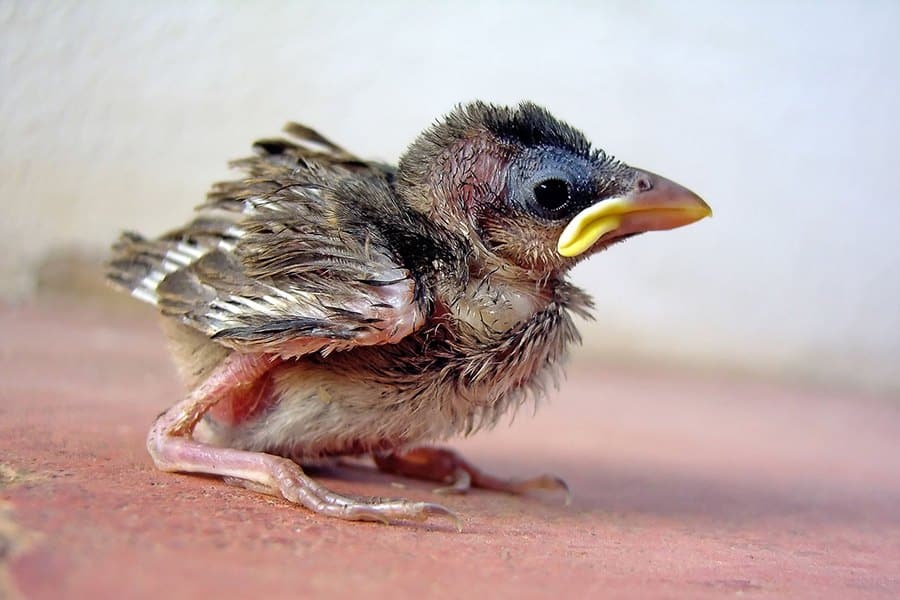
A fledgling is a young bird that has left the nest. It still depends on its parents for food and care.
Fledglings have feathers but their flying skills are weak. They practice flying and build strength during this stage.
Key Development Milestones
Fledglings go through several important changes before they can fly well. These changes help them survive outside the nest.
- Feather growth: Feathers become strong enough to support flight.
- Wing exercise: Fledglings flap wings to build muscle strength.
- Short flights: They try small flights from low places.
- Feeding independence: They start finding their own food.
- Improved balance: They learn to land and perch safely.

Credit: www.greenwichwildlifenetwork.org
Timeline To First Flight
Fledglings are young birds that are learning to fly. Their first flight is a big step in life. This timeline shows when most fledglings can fly.
Knowing when a fledgling can fly helps us understand their growth. It also tells us how much care they need.
Typical Age Range
Most fledglings take their first flight between two to three weeks old. This depends on the bird species. Some small birds fly earlier, while bigger birds take more time.
During this time, fledglings grow feathers and build muscle strength. These changes prepare them to leave the nest and fly.
- Small songbirds: usually 10 to 15 days old
- Medium-sized birds: about 15 to 20 days old
- Larger birds: can take 3 to 6 weeks before flying
Factors Influencing Flight Readiness
Several things affect when a fledgling can fly. These include food availability, weather, and health. Each factor changes how fast the bird grows.
Parents also play a role. They teach fledglings how to fly and keep them safe. The environment around the nest is important too.
- Food supply:More food helps faster growth
- Weather:Warm weather encourages earlier flights
- Health:Strong, healthy birds fly sooner
- Parental care:Teaching and protection improve flight skills
- Predators:Presence may delay or speed up flight
Physical Changes Before Flying
Young birds must go through important physical changes before they can fly. These changes help them gain strength and coordination.
Two main areas develop a lot: their feathers and muscles. Both are needed for safe and successful flight.
Feather Growth And Strength
Feathers grow thicker and stronger as fledglings get ready to fly. Flight feathers on the wings and tail must be fully formed.
- Primary feathers lengthen to support wing movement.
- Secondary feathers fill in gaps for better lift.
- Feathers become less fluffy and more firm.
- Oil from glands helps feathers stay flexible and waterproof.
Muscle Development
Strong muscles are key to flying. The chest muscles that move the wings grow larger and more powerful.
| Muscle Group | Purpose | Development Stage |
| Pectoral Muscles | Wing downstroke power | Increase in size and strength |
| Supracoracoideus Muscles | Wing upstroke control | More endurance and control |
| Leg Muscles | Takeoff support | Better strength for launching |

Credit: www.reddit.com
Behavioral Signs Of Flight Preparation
Fledglings show clear signs before they start flying. These behaviors help them build strength and skills.
Watching these signs helps understand when a young bird is ready to leave the nest.
Wing Flapping Practice
Young birds flap their wings often before their first flight. This helps strengthen their muscles.
They start with small flaps and increase the speed and height over time.
- Flapping while perched on a branch
- Stretching wings to improve flexibility
- Flapping in short bursts to build stamina
Exploratory Movements
Fledglings move around the nest or nearby branches to test balance. This helps them learn coordination.
They hop, climb, and sometimes make short glides to prepare for full flight.
- Hopping between nearby branches
- Stretching and balancing on edges
- Making short jumps or glides
Parental Role In Flight Training
Bird parents play a big part in teaching their young how to fly. They support fledglings as they learn to use their wings.
Parents help with feeding, encouragement, and keeping their young safe. These actions help fledglings gain strength and confidence.
Feeding And Encouragement
Parents feed fledglings often to keep their energy up. Strong muscles need good food to grow and work well.
Parents also cheer on their young by calling and fluttering near them. This support helps fledglings try flying.
- Feed small, frequent meals
- Use soft food for easy eating
- Encourage with gentle sounds and movements
Protection During Learning
Parents keep fledglings safe from predators while they learn to fly. They stay close and watch carefully.
They also help fledglings avoid dangers like bad weather and rough landings. This care gives young birds a better chance to succeed.
- Guard the nest area
- Stay near fledglings during practice flights
- Help fledglings find safe places to rest
Species Variations In Flight Timing
Birds learn to fly at different ages depending on their species. Flight timing changes based on size, habitat, and behavior.
Understanding these variations helps us know more about bird growth and survival skills.
Small Songbirds
Small songbirds usually start flying between 10 and 20 days old. They grow fast and leave the nest soon after learning to fly.
These birds practice short flights close to the nest at first. Parents still feed them while they improve their flying skills.
- Examples: sparrows, finches, warblers
- Flight begins 10-20 days after hatching
- Short flights near the nest initially
Birds Of Prey
Birds of prey take longer to fly, often 6 to 12 weeks. They need strong wings and good hunting skills before leaving the nest.
Young hawks and eagles practice flying daily. Parents teach them to hunt once they can fly well.
- Examples: hawks, eagles, owls
- Flight starts 6-12 weeks after hatching
- Learn to hunt after flight skills improve
Waterfowl
Waterfowl such as ducks and geese fly between 5 and 10 weeks old. They stay with parents and learn to swim and fly together.
These birds need strong feathers to handle water and air. Flying helps them follow parents during migration.
- Examples: ducks, geese, swans
- Flight begins 5-10 weeks after hatching
- Practice swimming and flying with parents
Common Challenges Fledglings Face
Fledglings are young birds learning to live outside the nest. They face many dangers before they can fly well.
Surviving these challenges is key for them to grow strong and independent. Let’s look at two big issues they face.
Predation Risks
Many animals see fledglings as easy prey. Without strong flying skills, fledglings stay close to the ground and are vulnerable.
- Snakes often hunt nests and nearby areas.
- Domestic cats catch young birds on the ground.
- Birds of prey can spot and swoop down on fledglings.
- Raccoons and squirrels may attack nests or chase fledglings.
- Fledglings rely on their parents for protection and warning calls.
Weather Impacts
Bad weather can slow down fledglings’ growth and flight practice. Rain, wind, and cold are especially tough.
| Weather | Effects on Fledglings |
| Heavy Rain | Wet feathers reduce warmth and flying ability |
| Strong Wind | Hard to fly and stay balanced |
| Cold Temperatures | Can cause hypothermia and energy loss |
| Heat | Risk of dehydration and overheating |

Credit: www.reddit.com
Supporting Fledglings In The Wild
Fledglings are young birds learning to fly and survive outside the nest. They need time and care before they can fly well.
People often find fledglings on the ground and want to help. It is important to know when and how to support them safely.
When To Intervene
Most fledglings do not need help. Their parents are nearby and watch over them. Intervene only if the bird is hurt or in danger.
Look for signs like bleeding, broken wings, or if the bird is in a busy road. If the bird is cold or weak, it may also need help.
- Bird is injured or bleeding
- Bird is in immediate danger
- Bird is cold, weak, or lethargic
- Parents are not around for hours
Safe Practices For Helping
Handle fledglings gently and only when necessary. Use gloves or a soft cloth to pick them up. Keep the bird warm and quiet.
Do not try to feed the bird yourself. Place it in a safe, sheltered spot near where you found it. Contact a wildlife expert for advice.
- Wear gloves or use a soft cloth
- Keep the bird warm and calm
- Do not feed or give water
- Place the bird back near its home
- Call a wildlife rehabilitator if needed
Frequently Asked Questions
How Long Do Fledglings Take To Start Flying?
Fledglings usually begin flying 10 to 14 days after leaving the nest. This period varies by species and environmental factors. They practice wing flapping and short flights before fully mastering flight skills.
What Factors Affect Fledgling Flight Readiness?
Flight readiness depends on species, age, health, and weather conditions. Proper feather development and muscle strength are crucial. Parental care and safe surroundings also influence when fledglings can fly confidently.
How Do Parents Help Fledglings Learn To Fly?
Parents encourage fledglings by feeding and guiding them during practice flights. They demonstrate flying techniques and protect fledglings from predators. This support boosts fledglings’ confidence and flight skills.
When Do Fledglings Leave The Nest Permanently?
Fledglings leave the nest permanently about 2 to 3 weeks after their first flight. They gradually gain independence while still receiving some parental care during this transition.
Conclusion
Fledglings take time to master flying skills. Patience is key for bird watchers. Observing their progress is both rewarding and educational. Each species has its own timeline for flight readiness. Knowing these can enhance your understanding of birds. Watching them grow and learn is a special experience.
It connects us to nature's wonders. Always remember, practice makes perfect for these young birds. Their journey to flight can teach us valuable lessons. Patience, perseverance, and gentle support. Essential for all creatures learning new skills. Embrace this journey with them.
Nature's beauty unfolds before your eyes.