A Bird Sanctuary in the Desert Region: Rare Habitats, Adaptations, and Conservation Efforts
Imagine a place where vibrant birds fill the sky, right in the heart of a dry, sandy desert. It might sound surprising, but a bird sanctuary can thrive in such an unlikely spot.
The desert region is home to a remarkable A Bird Sanctuary in the Desert Region that showcases avian life in an unexpected environment.
If you love nature and want to discover something truly unique, this hidden desert oasis is waiting for you. You’ll learn how these amazing birds survive the harsh conditions and why this sanctuary is a must-see for anyone curious about wildlife.
At A Bird Sanctuary in the Desert Region, you will find birds that have adapted to thrive where few would expect them to survive.
Ready to uncover the secrets of a bird paradise in the desert? Keep reading—you won’t want to miss this!
Visiting this A Bird Sanctuary in the Desert Region is a great opportunity to witness unique wildlife.
Desert Landscapes And Wildlife
The A Bird Sanctuary in the Desert Region is a vital part of preserving these natural habitats.
Desert regions have unique landscapes with sand, rocks, and little water. These areas host special plants and animals that survive tough conditions.
In the heart of the A Bird Sanctuary in the Desert Region, you can discover the intricate relationships between wildlife and their environment.
Birds in the desert face many challenges. They have special ways to live and find food in this dry place.
Unique Challenges Of Desert Habitats
The struggles faced by birds in the A Bird Sanctuary in the Desert Region are a testament to their resilience.
Desert habitats have very hot days and cold nights. Water is scarce, and food can be hard to find. Birds must cope with these changes every day.
-
- Extreme temperature changes between day and night
Birds in the A Bird Sanctuary in the Desert Region must adapt to extreme temperature changes.
- Limited water sources available
- Scarce vegetation and food supply
- Strong winds and sandstorms
- High exposure to predators in open spaces
Adaptations Of Desert Birds
Desert birds have special body parts and behaviors. These help them stay cool and find food and water.
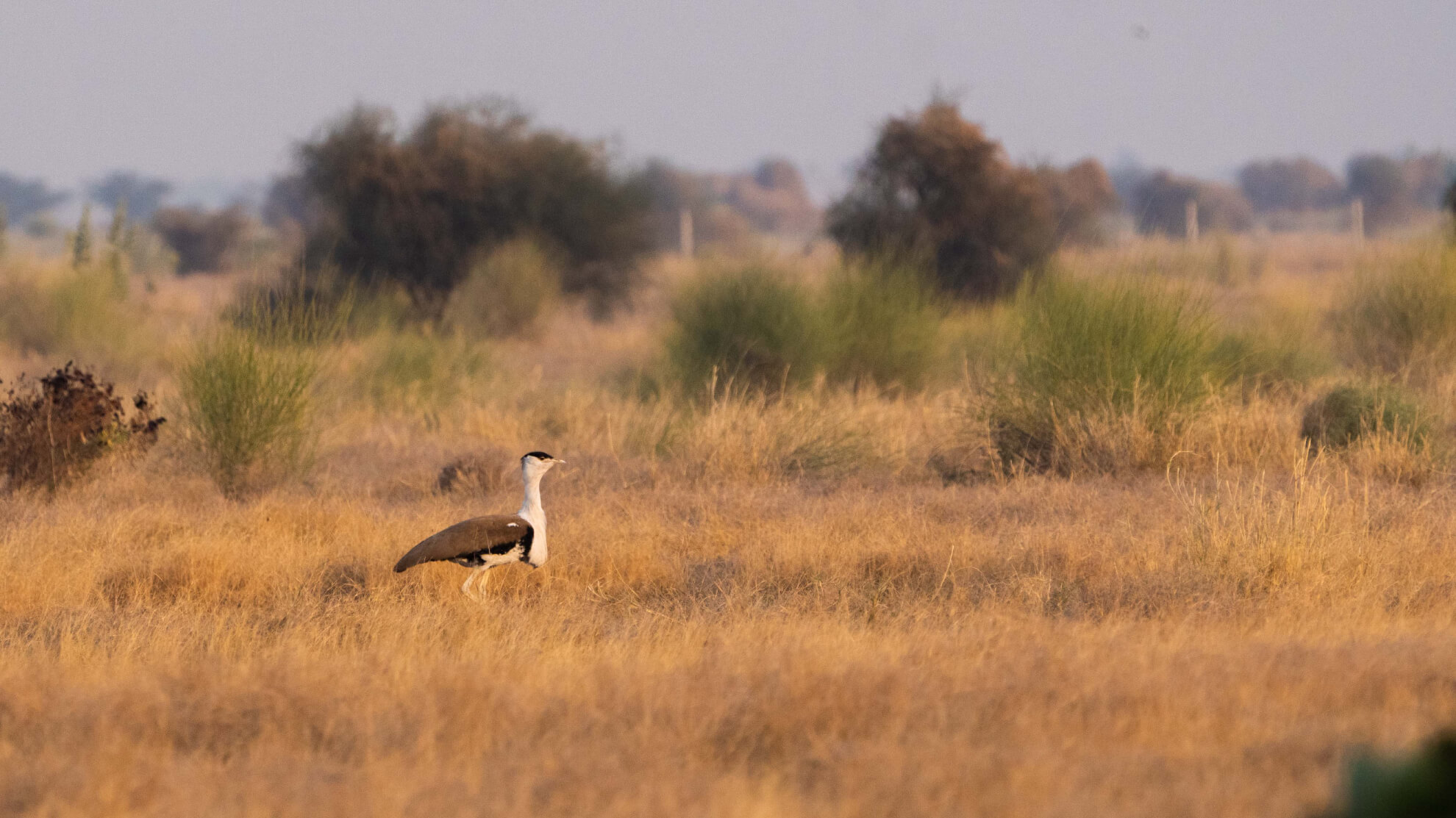
The A Bird Sanctuary in the Desert Region is a perfect example of conservation efforts yielding positive results.In the A Bird Sanctuary in the Desert Region, light-colored feathers are one adaptation helping birds survive.Nocturnal birds in the A Bird Sanctuary in the Desert Region take advantage of cooler nighttime temperatures.
| Adaptation | Purpose | Example |
| Light-colored feathers | Reflect sunlight to stay cool | Greater Roadrunner |
| Long legs | Keep body away from hot ground | Cactus Wren |
| Efficient kidneys | Reduce water loss in urine | Gila Woodpecker |
| Nocturnal activity | Avoid heat by being active at night | Elf Owl |
Credit: musasdesertnest.com
Formation Of The Sanctuary
The bird sanctuary in the desert region was created to protect rare bird species. It grew from local efforts to save habitats that were disappearing. This area now offers a safe home for many birds that live in dry climates.
The mission of the A Bird Sanctuary in the Desert Region encompasses conservation education and community involvement.
The sanctuary’s formation involved careful planning and cooperation among communities and scientists. Its goal is to balance nature and human activity in the desert.
History And Location
The sanctuary lies near the edge of a vast desert. It was once a small water source where birds gathered. Over time, the area became recognized for its unique wildlife.
- Founded in the early 1990s after a drought threatened bird habitats
- Located beside a seasonal river that flows only during rains
- Expanded through land donations and government support
- Managed by a local wildlife conservation group
Environmental Importance
The sanctuary helps keep the desert ecosystem healthy. It supports many species that rely on water and shelter in harsh conditions. Protecting this area benefits plants, animals, and even people nearby.
Maintaining the A Bird Sanctuary in the Desert Region promotes ecological balance and biodiversity.
| Benefit | Description |
| Water Source | Provides a rare wetland in the desert for birds and animals |
| Biodiversity | Supports over 150 bird species, including migratory birds |
| Climate Buffer | Helps regulate local temperatures and humidity |
| Education | Offers opportunities for learning about desert wildlife and conservation |
Bird Species In The Sanctuary
The desert bird sanctuary is home to many unique bird species. These birds have adapted to live in dry and hot conditions.
The variety of residents in the A Bird Sanctuary in the Desert Region highlights the importance of habitat preservation.
The sanctuary attracts both birds that live there all year and those that visit during certain seasons.
Resident Birds
Resident birds stay in the sanctuary throughout the year. They find food and shelter in the desert environment.
Some common resident birds include doves, sparrows, and roadrunners. These birds have strong survival skills for the desert.
- Desert Sparrow
- Greater Roadrunner
- Gambel’s Quail
- White-winged Dove
- Cactus Wren
Migratory Visitors
Migratory birds come to the sanctuary during certain times of the year. They use it as a resting place on long journeys.
These visitors add diversity to the bird life in the desert. They often arrive in spring and fall seasons.
Migratory birds visiting the A Bird Sanctuary in the Desert Region enrich the local ecosystem yearly.
- Swainson’s Hawk
- Yellow Warbler
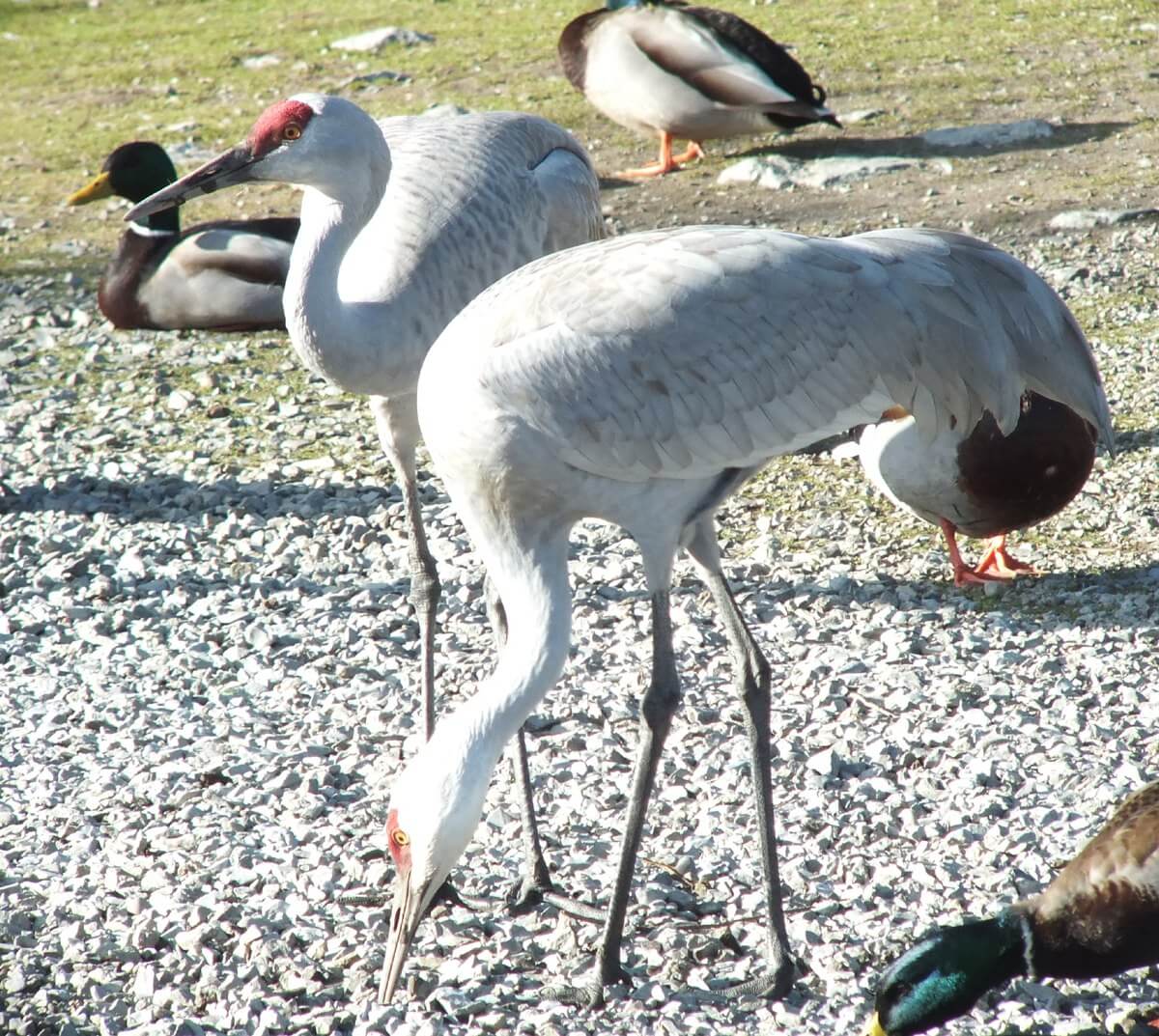
- Sandhill Crane
- Black-necked Stilt
- Western Sandpiper
Endangered Species Protection
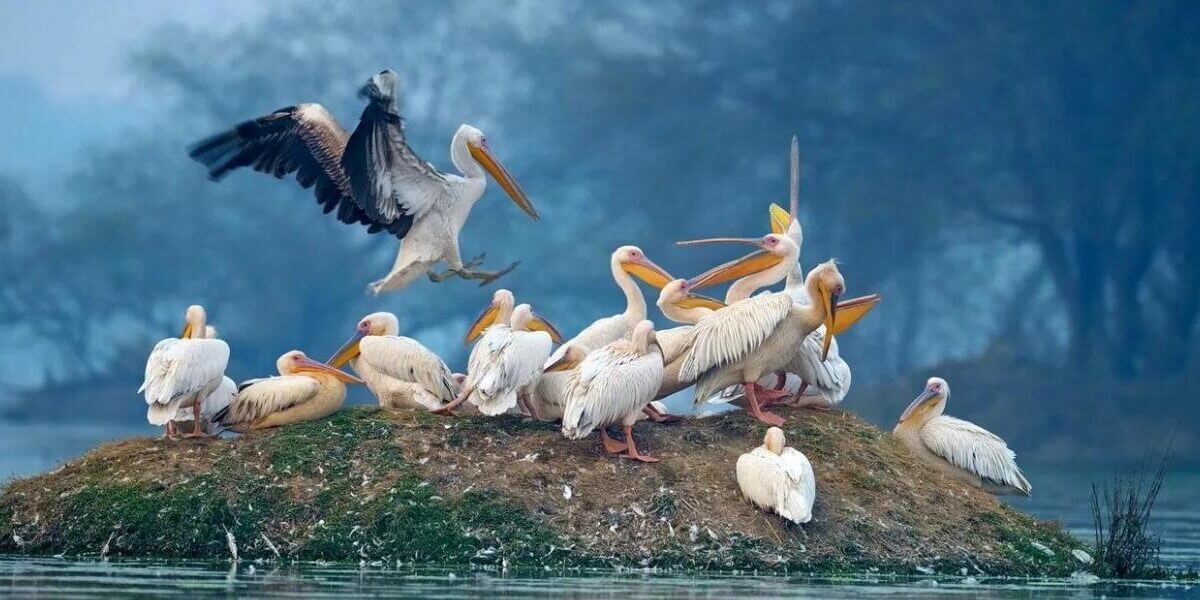
The sanctuary helps protect endangered bird species. It provides safe habitats and food sources for these birds.
Efforts to protect endangered birds in the A Bird Sanctuary in the Desert Region are crucial for their survival.
Special care is given to species at risk of disappearing. Efforts include habitat restoration and monitoring.
- California Condor
- Yuma Clapper Rail
- Southwestern Willow Flycatcher
- Desert Tortoise (important for some bird species)
Credit: aanganresortranthambore.com
Flora Supporting The Sanctuary
The flora surrounding the A Bird Sanctuary in the Desert Region supports various bird species.
The desert bird sanctuary depends on many plants to thrive. These plants provide food and shelter to birds.
The desert plants are tough and survive with little water. They create a safe home for many bird species.
Native Desert Plants
Native desert plants are specially adapted to dry conditions. They store water and protect birds from the sun.
Some common plants include cacti, creosote bush, and mesquite trees. These plants offer food like seeds and nectar.
- Cacti provide shelter and water for birds
- Creosote bushes offer seeds and cover
- Mesquite trees give shade and nesting sites
Vegetation And Bird Habitats
The vegetation in the A Bird Sanctuary in the Desert Region is vital for providing resources for birds.
Vegetation shapes the bird habitats in the desert sanctuary. Birds use plants for food, nests, and protection.
Tall shrubs and trees create safe places to hide. Ground plants help small birds stay hidden from predators.
- Trees offer high nests safe from animals
- Shrubs give cover and places to rest
- Ground plants hide eggs and baby birds
Water Sources And Oasis Effect
Bird sanctuaries in desert regions depend on scarce water sources. These water spots create vital habitats for many bird species.
The oasis effect helps support life by providing cooler temperatures and greenery around water. This attracts birds and other wildlife.
The oasis effect created by water sources in the A Bird Sanctuary in the Desert Region supports countless species.
Natural Water Bodies
Natural water bodies like springs and seasonal ponds form the main water sources in deserts. They fill after rare rains and hold water for weeks or months.
- Springs: Groundwater reaches the surface, creating small pools.
- Seasonal ponds: Fill with rainwater and support temporary bird habitats.
- Salt lakes: Provide water but with high salt content, limiting some species.
- Dunes with hidden water: Some desert dunes hold moisture below the surface.
Artificial Water Management
Humans help maintain water in bird sanctuaries by creating water points. These improve survival chances for birds during dry times.
Water management techniques at the A Bird Sanctuary in the Desert Region are essential for bird survival.
| Method | Description | Benefit |
| Water tanks | Store and release water slowly | Provides steady water supply |
| Drip irrigation | Delivers water to plants near the sanctuary | Supports vegetation growth |
| Artificial ponds | Man-made ponds filled by pumps or rain catchment | Creates permanent water habitat |
| Rainwater harvesting | Collects rainwater for later use | Increases water availability |
Conservation Efforts
The bird sanctuary in the desert region protects many rare species. It helps keep the natural balance in a harsh environment.
The conservation strategies employed at the A Bird Sanctuary in the Desert Region help maintain biodiversity.
Conservation work includes caring for birds and their habitats. It also involves local people and scientific study.
Community Involvement
Local communities join hands to protect the sanctuary. Their support is key to the success of conservation.
Community involvement plays a significant role in the success of the A Bird Sanctuary in the Desert Region.
- Volunteer for habitat cleanups
- Attend educational workshops
- Help monitor bird populations
- Spread awareness about desert birds
Research And Monitoring
Scientists watch bird numbers and health closely. They collect data to guide protection plans.
| Research Area | Focus | Frequency |
| Bird Counts | Population size | Monthly |
| Nesting Studies | Breeding success | Seasonal |
| Food Sources | Diet and availability | Quarterly |
| Climate Effects | Impact on habitats | Annual |
Eco-tourism Opportunities
Visiting the A Bird Sanctuary in the Desert Region offers valuable insights into the importance of conservation.
The bird sanctuary in the desert offers unique eco-tourism experiences. Visitors can enjoy nature while learning about desert wildlife.
This area provides a safe home for many bird species. It helps raise awareness about protecting fragile desert ecosystems.
Guided Tours
Guided tours help visitors explore the sanctuary safely. Expert guides explain the plants, animals, and ecosystem.
Tours follow set paths to reduce damage to the habitat. Guides answer questions and point out rare birds and plants.
- Small groups for a quiet experience
- Scheduled walks during cooler parts of the day
- Information on desert survival and bird habits
Bird Watching
Bird watchers can see many desert species at the sanctuary. The quiet environment helps birds stay active and visible.
Visitors should bring binoculars and stay on trails. Early morning is the best time to spot birds feeding and singing.
- Spotting rare desert birds like sandgrouse and larks
- Photographing birds without disturbing them
- Using bird guides to identify species
Sustainable Tourism Practices
The sanctuary uses sustainable tourism to protect nature. Visitors follow rules to keep the area clean and safe.
Practices include limiting visitor numbers and avoiding plastic waste. The sanctuary also promotes local culture and crafts.
- Carry out all trash and use reusable containers
- Respect wildlife by keeping a safe distance
- Support local guides and vendors
- Stay on marked trails to avoid habitat damage
Challenges Facing The Sanctuary
Addressing the challenges facing the A Bird Sanctuary in the Desert Region is critical for its future.
The bird sanctuary in the desert region faces many problems. These problems affect the birds and their homes. Protecting the sanctuary is hard because of these issues.
This article looks at two main challenges: climate change impact and human activities. Both cause stress to the sanctuary’s environment.
Climate Change Impact
Climate change causes temperature rise and less rainfall. These changes make water sources dry up. Birds lose food and safe places to live.
- Higher temperatures stress birds and plants
- Less water limits drinking and breeding sites
- Unpredictable weather harms bird migration patterns
- Plants that provide food may die off
Human Activities And Threats
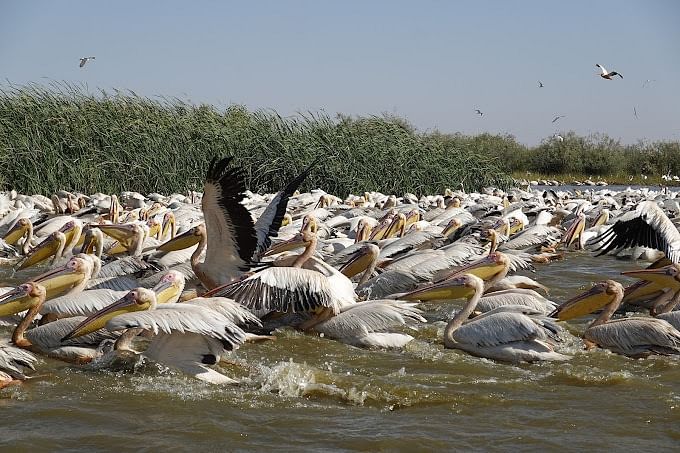
Human actions also threaten the sanctuary. Some activities damage habitats and disturb the birds. It is important to control these threats.
Human activities threaten the delicate balance within the A Bird Sanctuary in the Desert Region, necessitating strict regulations.
| Human Activity | Effect on Sanctuary |
| Illegal hunting | Reduces bird populations |
| Land development | Destroys natural habitats |
| Littering and pollution | Harms birds and water quality |
| Off-road vehicles | Disturbs nesting areas |
Credit: wanderon.in
Frequently Asked Questions
What Makes A Bird Sanctuary In Desert Unique?
A bird sanctuary in the desert offers rare habitats and water sources. The A Bird Sanctuary in the Desert Region supports diverse bird species adapted to harsh, arid conditions. This contrast attracts bird watchers and researchers interested in desert ecology and migratory patterns.
Which Birds Are Commonly Found In Desert Sanctuaries?
Common birds include sandgrouse, desert larks, and various raptors. Migratory species like flamingos also visit during certain seasons. These birds have special adaptations to survive extreme heat and scarce water.
How Do Desert Bird Sanctuaries Support Conservation?
They protect critical habitats and provide safe breeding grounds. Sanctuaries help maintain biodiversity and monitor endangered species. Conservation efforts here mitigate threats from climate change and human activities.
When Is The Best Time To Visit A Desert Bird Sanctuary?
The best time is during migratory seasons, usually spring and autumn. Temperatures are milder, and bird activity peaks. Early mornings offer the best chances for birdwatching and photography.
Conclusion
A visit to the A Bird Sanctuary in the Desert Region offers unique experiences. Witness diverse bird species in their natural habitat. Enjoy the serene environment and escape the city’s hustle. The sanctuary provides a peaceful retreat for nature lovers. Perfect for a day trip or weekend getaway.
This hidden gem showcases nature’s resilience and beauty. Remember to bring your camera for stunning photos. Appreciate the harmony of wildlife and desert landscapes. Protecting these areas ensures future generations can enjoy them too. Plan a visit soon to the A Bird Sanctuary in the Desert Region and connect with nature’s wonders.
The desert sanctuary awaits your exploration.