Bird Migration and Weather Patterns 2026 Guide Explained
Have you ever wondered why birds suddenly take flight and disappear for a season? The secret lies in the powerful connection between Bird Migration And Weather Patterns.
Understanding this link can change the way you see the skies and nature around you. You’ll discover how shifting weather influences where birds go, when they travel, and why their journeys are so vital. Get ready to unlock the fascinating story behind these incredible travelers and the forces guiding them.

Credit: www.allaboutbirds.org
Bird Migration Routes
Birds travel long distances during migration to find food and better weather. They follow specific bird migration routes to reach their destinations. These routes help birds save energy and avoid dangers during their journey across continents.
Major Flyways Across Continents
Bird flyways are main paths birds use to migrate between breeding and wintering areas. Different continents have important flyways that guide millions of birds every year across many countries and habitats.
- Atlantic Flyway: Runs along the east coast of North America.
- Mississippi Flyway: Follows the Mississippi River in the U.S.
- Pacific Flyway: Stretches along the west coast of the Americas.
- East Asian-Australasian Flyway: Covers East Asia to Australia.
- West African Flyway: Links Europe to West Africa.
- Central Asian Flyway: Crosses Central Asia and South Asia.
Factors Influencing Route Selection
Birds choose migration routes based on food availability, weather, and safety. These factors help them survive the trip.
They also use landmarks, wind patterns, and temperature to guide their path.
- Food sources: Birds follow areas rich in insects or plants.
- Weather: Favorable winds and mild temperatures ease travel.
- Geography: Mountains, rivers, and coasts act as natural guides.
- Predators: Birds avoid dangerous areas with many predators.
- Rest stops: Safe places to rest and refuel are important.

Credit: wildlife.org
Weather’s Impact on Migration
Bird Migration And Weather Patterns are closely linked. Birds use weather clues to decide when and where to fly, and changes in the environment can help or stop birds during their long trips. Understanding how weather affects bird migration helps us learn about these journeys better.
Role Of Wind Patterns
Wind helps birds save energy during migration. Tailwinds push birds forward, making flying easier.
Strong headwinds slow birds down and can make their journey harder. Birds often wait for good winds before flying.
- Tailwinds reduce energy use
- Headwinds increase travel time
- Crosswinds can change flight direction
- Birds use wind to plan routes
Temperature Changes And Timing
Birds watch temperature to know when to start migrating. Warmer weather signals it is time to move.
Cold snaps can delay migration or cause birds to stop and rest. Timing is important for finding food and safe places.
- Warm temperatures trigger migration start
- Sudden cold slows down migration
- Temperature affects food availability
- Birds adjust timing to survive
Storms And Migration Delays
Storms can stop birds from flying. Heavy rain and strong winds make it unsafe to migrate.
Birds may wait for storms to pass before continuing. Storm delays can change migration routes and timing.
- Storms reduce visibility
- Strong winds cause dangerous flying
- Birds rest to avoid storms
- Migration may take longer after storms
Navigation Techniques In Birds
Birds travel long distances during migration. They use special ways to find their paths.
These navigation techniques help birds reach their destinations safely and on time.
Use Of Magnetic Fields
Birds sense Earth’s magnetic field to guide their flight. This helps them know direction.
Special cells in birds’ bodies detect magnetic signals. This acts like a natural compass.
- Magnetoreceptors help birds sense magnetic fields
- They use this sense especially on cloudy days
- Magnetic navigation works even at night
Sun And Star Positioning
Birds watch the sun to find their way during the day. They use the sun’s position.
At night, many birds look at stars. They use star patterns to stay on course.
- Sun helps birds judge time and direction
- Star maps guide birds in the dark
- Birds adjust their path as sun moves
Landmarks And Environmental Cues
Birds use rivers, mountains, and coasts as landmarks. These help them know where they are.
They also listen to sounds and smell scents. These cues guide them through familiar routes.
- Large rivers guide birds during flight
- Mountain ranges act as natural signs
- Birds remember smells and sounds from places
Climate Change Effects
Bird migration is changing because of climate shifts. These changes affect when and where birds travel.
Weather patterns influence bird routes and survival. Climate change makes these patterns less stable.
Shifts In Migration Schedules
Birds now start their migrations earlier or later than usual. This shift can cause them to miss food and nesting times.
- Some birds arrive before plants bloom, reducing food supply.
- Others delay migration and face harsher weather.
- Timing changes disrupt mating and raising young.
Altered Habitat Availability
Rising temperatures change habitats along migration routes. Wetlands dry up and forests shift, reducing safe stops.
| Habitat Type | Effect of Climate Change |
| Wetlands | Drying up, less water available |
| Forests | Tree species move, less food |
| Grasslands | More fires, loss of cover |
Challenges To Survival
Birds face more risks due to weather extremes and food shortages. These factors lower their chances of survival.
Key survival challenges include:
- Stronger storms during migration
- Less food in stopover sites
- Increased competition for resources
- New predators or diseases
Technological Advances in Tracking
Scientists now use new tools to follow bird migration. These tools help us see how birds travel far distances. Tracking helps us learn about weather effects on their routes.
Bird tracking technology gives detailed data. This data shows changes in migration patterns over time. It also helps protect birds and their habitats.
Satellite And Gps Tagging
Satellite and GPS tags attach to birds to track their paths. These tags send signals to satellites. Scientists get exact locations every few minutes or hours.
- GPS tags provide precise movement data.
- Satellite tags cover long distances across continents.
- Tags are small and light to avoid harming birds.
- Tracking helps identify stopover sites and resting places.
Data Analysis for Migration Patterns
After collecting data, scientists analyze it to find patterns. They compare bird routes with weather data to see effects on migration. This helps predict future changes.
| Data Type | Use | Example |
|---|---|---|
| GPS Coordinates | Track exact bird location | Latitude and longitude every hour |
| Weather Data | Compare routes with wind and temperature | Wind speed during migration days |
| Timing Data | Analyze migration speed and stopovers | Days spent at resting sites |
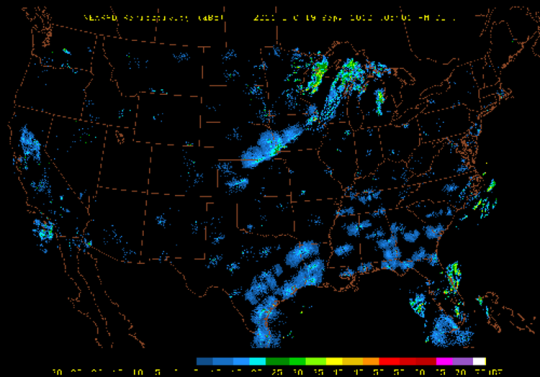
Credit: carnegiemnh.org
Conservation Efforts
Bird migration depends a lot on weather and safe places to rest. Protecting these areas helps birds survive their long journeys.
Many groups work together worldwide to keep birds safe and support their travel routes.
Protecting Key Stopover Sites
Birds need safe stopover sites to rest and find food during migration. These sites are often wetlands, forests, or fields.
Conservation efforts focus on keeping these areas clean and undisturbed. This helps birds gain energy for the next part of their trip.
- Preserving wetlands and natural habitats
- Reducing pollution and human disturbance
- Creating protected areas for birds
International Collaboration
Bird migration crosses many countries and continents. Countries must work together to protect birds on their routes.
International agreements help share data and plan actions for bird conservation. This keeps migration safe worldwide.
- Sharing migration tracking data
- Agreeing on habitat protection laws
- Coordinating conservation projects
Community Involvement
Local communities play a key role in protecting birds and their habitats. Education and participation help build support.
People can help by watching birds, reporting threats, and keeping areas clean and safe.
- Organizing bird watching groups
- Reporting illegal hunting or habitat damage
- Planting native trees and plants
Frequently Asked Questions
How Does Weather Affect Bird Migration Timing?
Weather influences when birds start migrating by signaling seasonal changes. Temperature shifts and wind patterns guide their departure and arrival times. Favorable weather ensures safer, more efficient journeys, while storms or cold snaps can delay or reroute their migration.
What Weather Patterns Guide Bird Migration Routes?
Birds use wind direction, temperature gradients, and pressure systems to choose migration paths. Tailwinds help conserve energy, while avoiding storms is crucial. These weather cues help birds optimize their routes for speed and safety during long flights.
Can Climate Change Impact Bird Migration And Weather?
Yes, climate change alters temperature and weather patterns, disrupting traditional migration schedules and routes. Birds may arrive earlier or later and face habitat loss. These shifts affect breeding success and survival rates, challenging bird populations worldwide.
Why Do Birds Prefer Certain Weather For Migration?
Birds seek calm winds, moderate temperatures, and clear skies for migration. These conditions reduce energy use and increase flight safety. Harsh weather like storms or extreme cold can force delays or dangerous detours.
Conclusion
Bird migration connects deeply with weather patterns. Birds rely on winds and temperatures. These factors guide their long journeys. Understanding this relationship helps protect them. Climate changes can disrupt their paths. It is crucial to monitor these changes. We can help by preserving their habitats.
This ensures safe migration routes. Every action counts in safeguarding their future. Observing birds teaches us about nature’s balance. Their journeys remind us of nature’s wonders. Let’s cherish and protect these incredible travelers. They inspire and enrich our world.