Have you ever wondered why birds travel thousands of miles every year? The secret lies in something simple but powerful: food.
When food becomes scarce in one place, Bird Migration And Food Availability play a key role as birds take flight to find new sources. Understanding how food availability drives bird migration can change the way you see these incredible journeys. You’ll discover the surprising connection between what birds eat and where they go.
Get ready to unlock the mystery behind one of nature’s most amazing phenomena.
Credit: nationalzoo.si.edu
Bird Migration Patterns
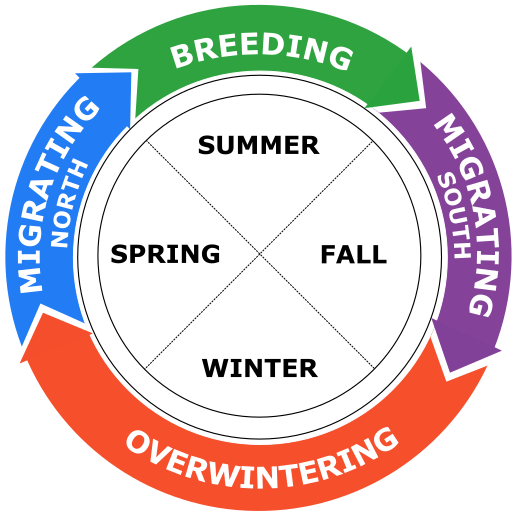
Bird migration is the regular movement of birds from one place to another. Birds travel to find food and better weather.
Many birds follow specific routes every year during migration. These patterns help them survive changing seasons.
Seasonal Routes
Birds use seasonal routes to move between breeding and wintering areas. These routes are often the same every year.
Routes follow areas where food is available and weather is safe. Birds stop to rest and eat along these paths.
- Spring routes lead to breeding grounds
- Fall routes return to warmer places
- Routes can cross oceans, mountains, or deserts
Long-distance Journeys
Some birds travel thousands of miles during migration. These long trips need strong energy and good timing.
Birds prepare by eating more food before the journey. They also rest at safe spots to regain strength.
- Arctic terns fly from the Arctic to Antarctica
- Swallows migrate between North and South America
- Some species fly nonstop for many hours
Physiologists describe the feeding strategy: “Before a major migration, birds enter a stage called Hyperphagia, characterized by extreme feeding and rapid weight gain. During this period, a bird may consume so much that it nearly doubles its body weight. This intense fuel loading is critical because, unlike mammal migration, bird migration is an all-or-nothing effort; they must acquire enough energy for the entire journey segment before taking off.”
Navigation Techniques
Birds use different ways to find their migration routes. They rely on natural signs and their senses.
They sense the sun, stars, earth’s magnetic field, and landmarks. These help birds stay on the right path.
- Using the sun’s position during the day
- Following star patterns at night
- Sensing Earth’s magnetic field for direction
- Recognizing mountains, rivers, and coastlines
Food Sources Along Migration
Birds travel long distances during migration. They need many types of food to stay strong. Food availability affects their journey and survival.
Different food sources help birds refuel and rest. These sources change as birds move through new habitats and climates.
Insect Abundance
Many migrating birds eat insects for protein and energy. Insect numbers rise with warm weather and rain. Birds look for places rich in insects to feed.
- Flying insects like flies and mosquitoes
- Larvae found on plants and soil
- Beetles and ants on the ground
- Spiders and other small arthropods
Fruit And Seed Availability
Fruit and seeds provide vital nutrients for birds. Many species eat berries and nuts during migration. These foods help build fat reserves.
| Fruit/Seed Type | Common Bird Consumers |
| Wild Berries | Thrushes, Waxwings |
| Acorns | Woodpeckers, Jays |
| Sunflower Seeds | Finches, Sparrows |
| Figs | Trogons, Pigeons |
Water And Nectar Supplies
Water helps birds stay hydrated and cool during migration. Nectar from flowers is a sweet energy source for hummingbirds and others. They visit areas with fresh water and flowering plants.
Important water and nectar sources include:
- Freshwater ponds and streams
- Flowering shrubs and trees
- Wetlands with abundant plant life
- Artificial feeders in resting areas
Impact Of Food On Migration Timing
Bird migration depends a lot on food availability. Birds need energy to travel long distances. The timing of their journey can change based on food sources.
Food helps birds build energy reserves. It also affects when they start and stop during migration. Changes in food supply can speed up or delay their trips.
Early Departures
When food is plentiful early in the season, birds may leave sooner. Good food helps birds gain strength fast. This allows them to start migration earlier than usual.
Delays Due To Scarcity
Low food availability can cause birds to delay migration. Birds wait longer to build energy reserves. This delay can affect their survival and breeding success.
- Scarce food means less energy
- Birds stay longer at feeding sites
- Migration timing shifts later
- Longer stopovers increase risks
Energy Reserves And Stopovers
Birds use stopovers to rest and eat. Energy reserves affect how long they stay. Good food at stopover sites helps birds continue migration quickly.
| Factor | Effect on Migration |
| High Food Availability | Short stopovers, early departure |
| Low Food Availability | Long stopovers, delayed departure |
| Energy Reserve Levels | Determines flight distance between stops |

Credit: www.researchgate.net
Adaptations For Food Scarcity
Birds face food shortages during migration. They use special ways to survive when food is scarce.
These adaptations help birds find enough food and save energy for long flights.
Diet Flexibility
Many birds change their diets to use different food sources. This helps them eat what is available.
- Some birds eat insects in summer and seeds in winter.
- Others switch from fruit to nectar depending on the season.
- Changing diet helps birds survive in new places during migration.
Foraging Behavior Changes
Birds change how and where they search for food when it is hard to find.
| Foraging Strategy | Adaptation |
| Time of Day | Birds forage at dawn or dusk to avoid competition. |
| Location | They explore new habitats like wetlands or open fields. |
| Group Size | Birds may forage alone or in groups to increase success. |
Fat Storage Strategies
Birds store fat to use as energy when food is not available. This helps them fly long distances.
- They increase fat before migration to prepare for food scarcity.
- Fat layers provide energy during nonstop flights.
- Birds burn fat slowly to last through long journeys.
Biochemists explain the energy efficiency: “Birds utilize fat as their primary migratory fuel because of its unparalleled energy density. A gram of fat yields twice the energy of a gram of carbohydrate or protein. Furthermore, fat produces a byproduct—metabolic water—when metabolized. This water is vital for cooling the bird and preventing dehydration during high-altitude, long-distance flights, making fat both a fuel and a water source.”
Climate Change And Food Patterns
Bird migration depends on food availability along their routes. Climate change alters the timing and amount of food. This affects when and where birds travel.
Changes in temperature and weather affect plants and insects that birds eat. This causes shifts in food sources that birds rely on during migration.
Shifts In Food Availability
Climate change causes plants to bloom earlier or later than usual. Insects may hatch at different times. These shifts reduce food when birds need it most.
Some areas lose key food sources, forcing birds to find new places to eat. Others may have more food but are too far for birds to reach.
- Earlier plant blooming
- Insect hatching changes
- Food scarcity in traditional stopovers
- New food sources in different areas
Effects On Migration Routes
Birds change their migration routes to find food and suitable habitats. Some may fly shorter distances or stop in new locations. This can increase energy use.
New routes can expose birds to dangers like predators or bad weather. Some birds may arrive too early or late at breeding sites due to food changes.
- Route changes to follow food
- New stopover sites
- Increased energy use
- Timing mismatches at breeding sites
Consequences For Bird Populations
Reduced food and harder migrations lower bird survival rates. Fewer birds may breed successfully. This can shrink population sizes over time.
Some species may adapt to new food patterns. Others face risks of decline or extinction if changes are too fast or extreme.
- Lower survival rates
- Reduced breeding success
- Population declines
- Risk of extinction for some species
Conservation Efforts
Bird migration depends on food availability and safe places to rest. Conservation helps protect these needs. Many groups work to keep habitats safe and food sources healthy.
Saving birds means protecting their travel routes and feeding spots. This support helps birds survive long journeys and stay healthy.
Protecting Key Habitats
Birds need safe places to rest during migration. Wetlands, forests, and grasslands are important habitats. Protecting these areas keeps birds safe from harm.
Many habitats face threats from building and pollution. Conservation groups work to stop these dangers. They create reserves and parks to keep habitats intact.
- Designate protected areas for birds
- Limit development near migration sites
- Reduce pollution in water and land
- Educate people about habitat importance
Restoring Food Resources
Birds need enough food to fuel long flights. Insects, seeds, and fruits are vital for many species. Restoring these food sources helps birds stay strong.
Loss of plants and insects reduces bird food. Planting native trees and flowers brings back food. Reducing pesticide use also protects insects birds eat.
- Grow native plants for food
- Limit pesticides to protect insects
- Maintain natural wetlands and meadows
- Support farms with bird-friendly practices
Conservation biologists emphasize local action: “To effectively help migrating birds refuel, gardeners and landowners should prioritize native, berry-producing plants that ripen late in the fall (like certain species of dogwood or viburnum). These plants provide nutrient-rich fruits exactly when birds are making their final push south and need to replenish fat reserves. Creating these local, high-quality ‘fueling stations’ is vital for migration success.”
Monitoring Migration Trends
Tracking bird movements shows where help is needed most. Scientists use tools like satellite tags and bird counts. This data guides conservation actions.
Monitoring helps detect changes in migration patterns. It shows effects of climate change and habitat loss. Early warning allows quick responses to protect birds.
- Use tracking devices to follow birds
- Conduct regular bird counts at key sites
- Analyze data to find migration changes
- Share information with conservation groups

Credit: www.allaboutbirds.org
Frequently Asked Questions
Why Do Birds Migrate For Food Availability?
Birds migrate to find abundant food sources when local supplies dwindle. Seasonal changes affect insect and plant growth, prompting migration to richer feeding grounds.
How Does Food Availability Affect Bird Migration Timing?
Bird migration timing aligns with food supply peaks. Birds depart early or late depending on when food becomes plentiful in their destination habitats.
What Types Of Food Attract Migrating Birds?
Insects, fruits, seeds, and nectar are key foods attracting migrating birds. Availability of these foods influences their migratory routes and stopover sites.
Can Food Scarcity Disrupt Bird Migration Patterns?
Yes, food scarcity can alter migration routes and timing. Birds may travel further or delay migration to locate sufficient nourishment.
Conclusion
Bird migration closely ties to food availability. Birds travel vast distances for food. Changes in climate affect their migration patterns. Scarce food can threaten their survival. Understanding this link helps protect bird species. Conservation efforts can ensure birds find enough food.
Every action counts in safeguarding their future. Observing birds can teach us much about nature. Let’s cherish and protect these incredible journeys. Together, we can make a difference. Awareness is the first step. Our planet’s health depends on such delicate balances.
Bird migration is a wonder worth preserving.
Four major North American Flyways