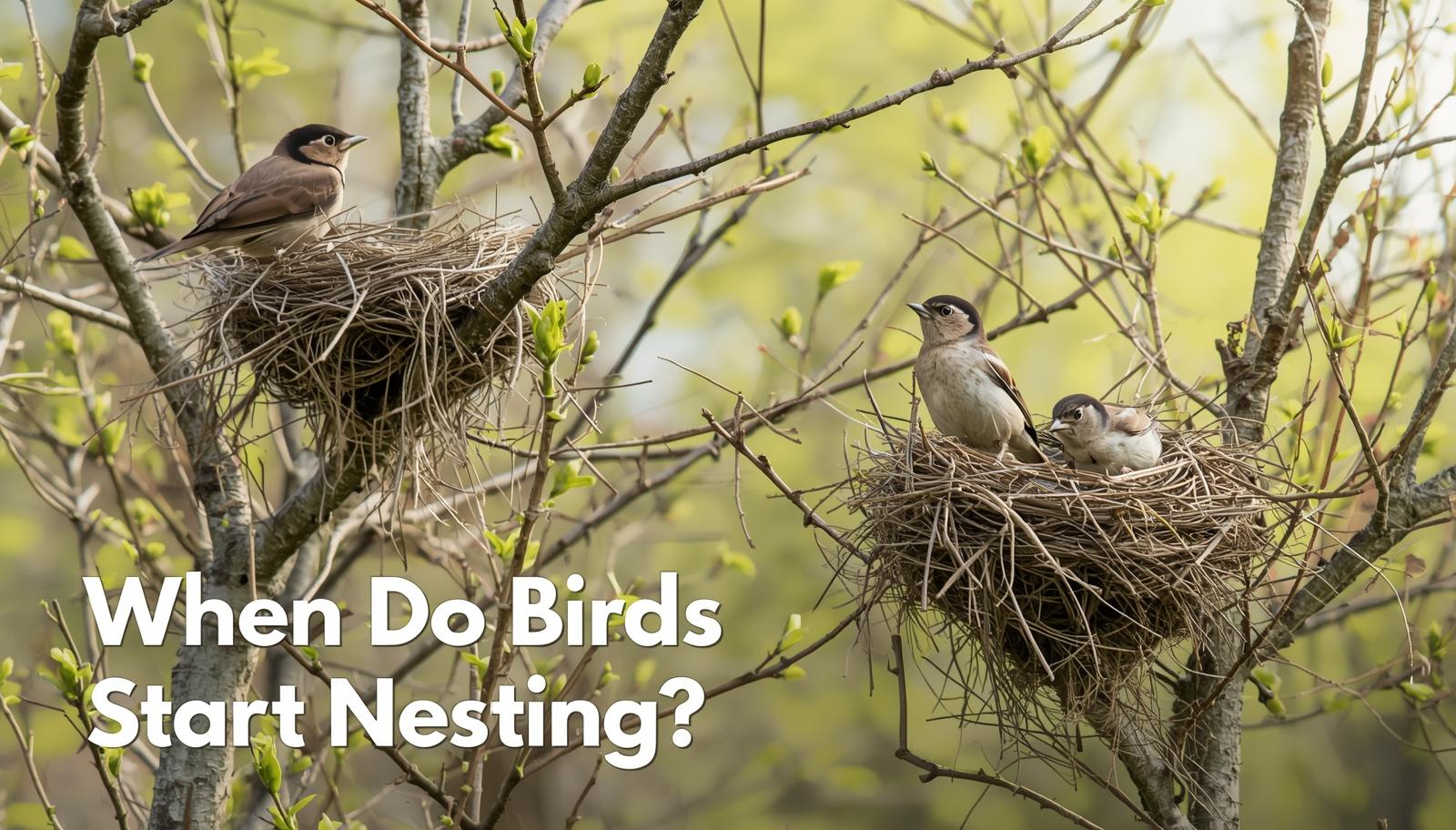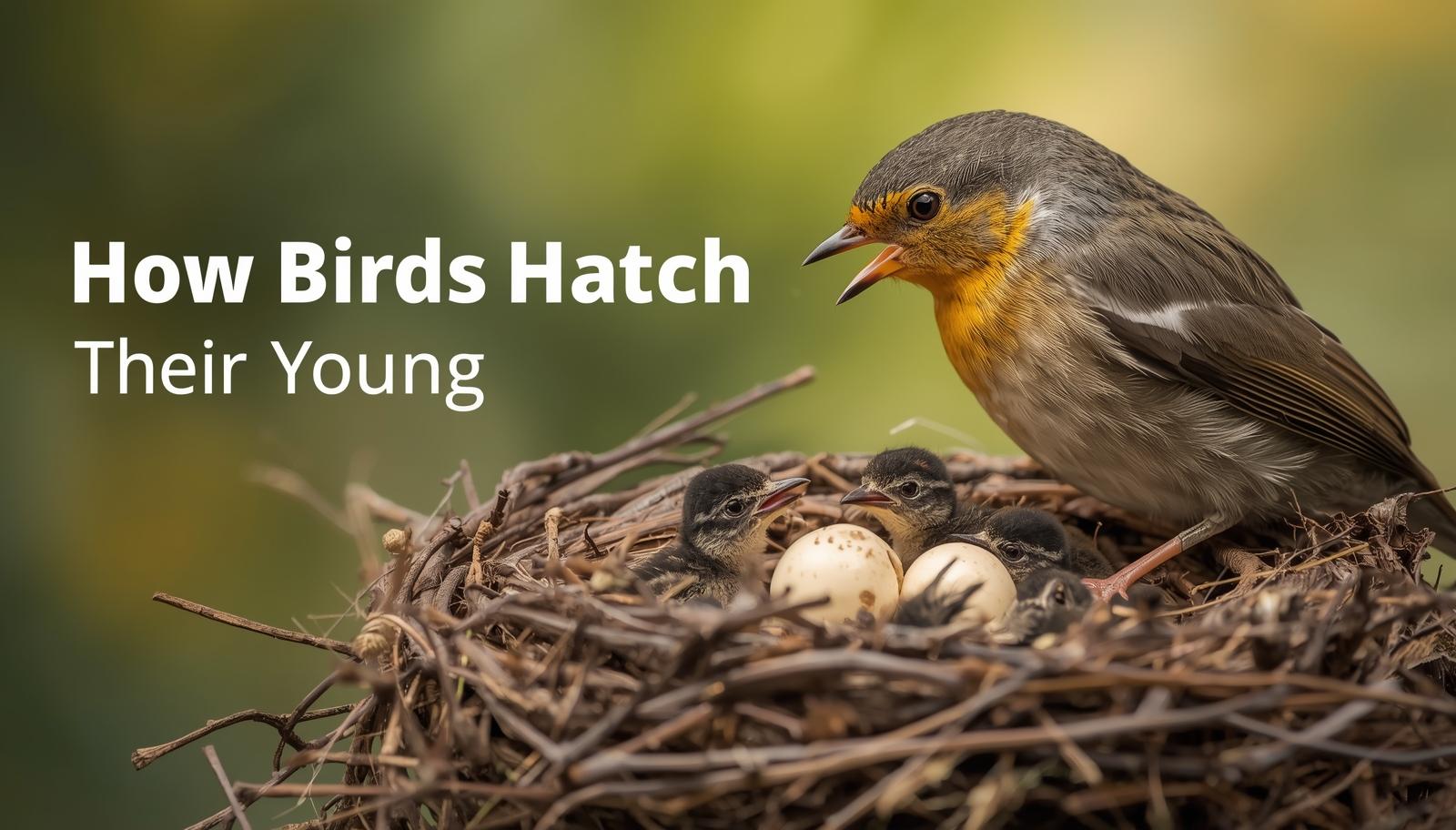
Have you ever paused to watch a bird carefully building its nest? That tiny home is more than just sticks and leaves—it’s where new life begins.
But did you know that bird nests face many hidden dangers every day? These threats can stop birds from raising their young, affecting the balance of nature right outside your window. If you care about protecting wildlife and want to understand what’s putting these fragile nests at risk, keep reading.
You’ll discover surprising facts that could change how you see the world around you—and how you can help.
Common Nesting Threats
Bird nests face many dangers in the wild. These threats make it hard for birds to raise their young safely.
Understanding these common threats can help us protect bird populations better. Here are some main dangers to nests.
Predators Targeting Nests
Many animals hunt bird eggs and chicks. These predators reduce bird survival rates every year.
- Snakes often climb trees to reach nests.
- Squirrels may steal eggs for food.
- Crows and ravens eat eggs and young birds.
- Raccoons can destroy nests to get to the babies.
- Domestic cats hunt birds near homes.
Habitat Loss And Fragmentation
Birds need safe places to build nests. When forests and fields shrink, birds lose their homes.
| Cause | Effect on Bird Nests |
| Deforestation | Less trees for nesting |
| Urban Development | Fewer natural habitats |
| Agriculture | Fragmented landscapes |
| Road Building | Isolated bird populations |
Human Disturbance And Activity
Humans can disturb nesting birds without knowing it. Loud noise and close presence scare birds away.
Common human activities harming nests include:
- Walking near nests too often
- Clearing bushes and trees where birds nest
- Using loud machines during nesting season
- Pets chasing birds or destroying nests
- Leaving trash that attracts predators

Credit: roadsendnaturalist.com
Impact Of Climate Change
Climate change affects birds and their nesting habits in many ways. Rising temperatures and unusual weather harm their homes and food sources.
These changes create challenges for birds to survive and raise their young safely.
Changing Weather Patterns
Unpredictable weather can destroy nests and reduce breeding success. Storms and heavy rains can flood nests or blow them away. Hotter days can force birds to leave nests early.
- Increased storms harm fragile nests
- Extreme heat causes eggs to overheat
- Long droughts reduce water for birds
- Cold snaps can kill young chicks
Effect On Food Availability
Birds need enough food to feed their chicks. Climate change shifts where insects and plants grow. This makes food harder to find during nesting season.
| Food Source | Impact of Climate Change |
| Insects | Appear earlier or less often |
| Seeds | Grow in fewer areas |
| Fruits | Ripen too early or late |
Timing Mismatches In Nesting
Birds time their nesting to match food and weather. Climate change can cause them to start too early or late. This mismatch lowers chick survival.
Common timing problems include:
- Eggs hatch before food is ready
- Chicks grow during bad weather
- Parents must travel farther for food
Invasive Species Challenges
Invasive species cause big problems for native birds. They change the balance of nature. Birds find it hard to build nests and raise their young.
These invaders compete for space and food. They can also bring new dangers to bird nests.
Competition For Nest Sites
Many invasive animals take over places where birds want to nest. This leaves fewer safe spots for native birds. The invaders often build strong nests first.
- Invasive birds like starlings and sparrows use tree holes and ledges.
- Non-native squirrels occupy nest boxes and tree cavities.
- These competitors push out native birds from their homes.
Predation By Non-native Animals
Some invasive species eat bird eggs and chicks. Native birds do not have defenses against new predators. This causes big drops in bird numbers.
| Non-native Predator | Effect on Birds |
| Feral cats | Hunt adult birds and nestlings |
| Rats | Eat eggs and young chicks |
| Black rats | Climb trees to raid nests |
| Brown tree snakes | Destroy nests on islands |
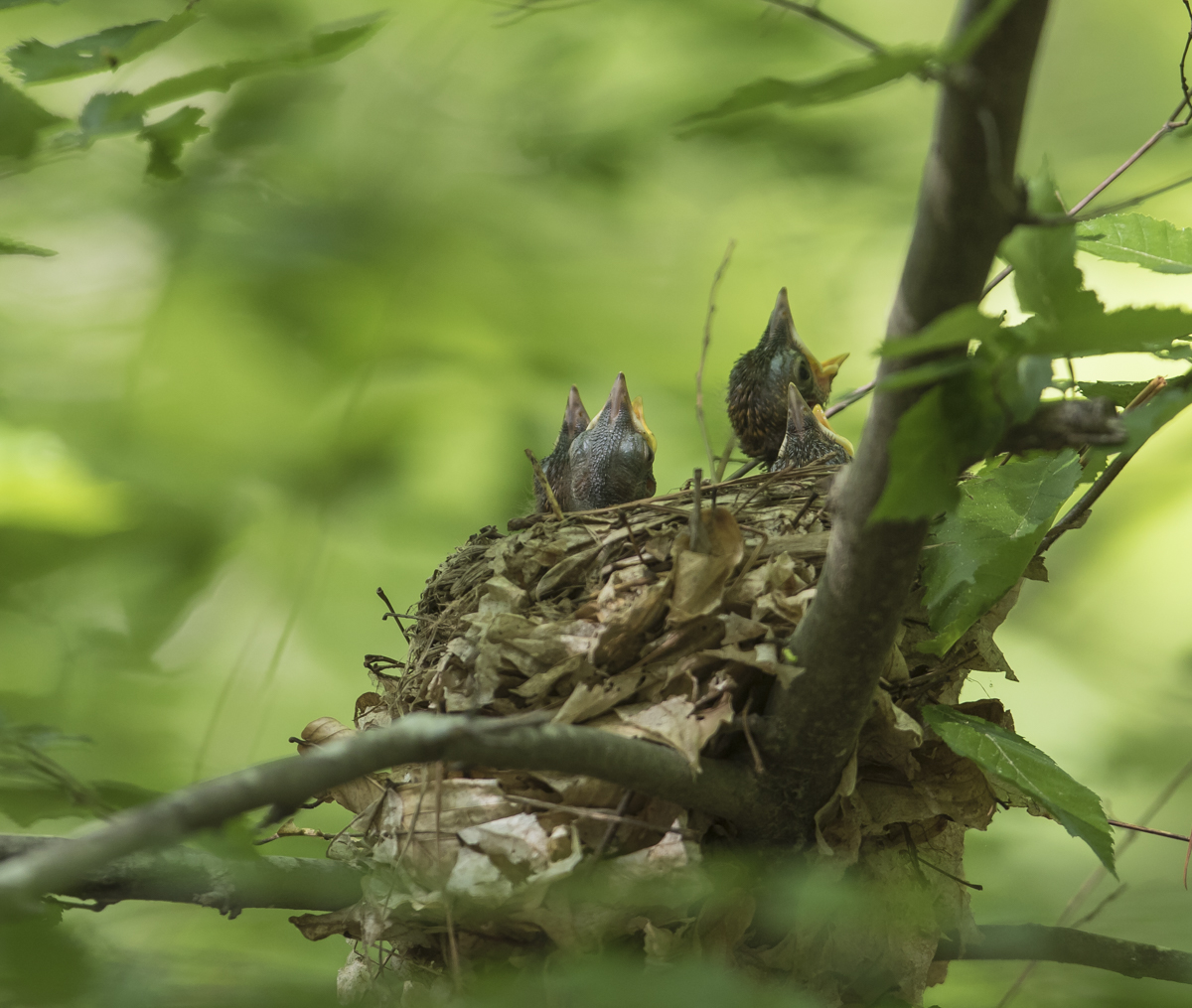
Credit: roadsendnaturalist.com
Pollution And Chemical Risks
Bird nesting areas face many dangers from pollution and chemicals. These threats harm birds and their young.
Pollution changes the environment where birds build nests. Chemicals can cause illness and reduce bird numbers.
Pesticides And Herbicides
Pesticides kill insects, a main food for many birds. When birds eat poisoned insects, they get sick.
Herbicides remove plants that birds use for nesting or hiding. Without plants, nests are easy to find by predators.
- Birds can suffer from weak eggs or no eggs at all.
- Young birds may die from chemical exposure.
- Food sources become scarce due to insect loss.
Plastic And Waste Hazards
Plastic waste is common near many bird nesting sites. Birds can get tangled in plastic or eat it by mistake.
Plastic blocks nests or causes injury. Waste makes the area unsafe and dirty, driving birds away.
- Plastic strings and bags trap bird legs or wings.
- Birds eat plastic, causing sickness or death.
- Waste attracts predators that eat eggs and chicks.
Preventive Measures For Birdwatchers
Bird nesting sites face many threats from human activities. Birdwatchers can help protect nests by following simple rules. These actions reduce harm and support birds’ survival.
Understanding how to act near nests helps protect birds. Careful behavior keeps birds safe during their most vulnerable time.
Minimizing Disturbance
Stay quiet and move slowly near nesting areas. Loud noises and sudden moves can scare birds away. Avoid getting too close to nests or touching them.
Use binoculars to watch birds from a distance. Keep pets on a leash and away from nesting sites. Avoid visiting nests during bad weather or at night.
- Keep at least 30 feet from nests
- Stay on marked trails and paths
- Do not use flash photography
- Limit time spent near nests
Supporting Habitat Conservation
Protecting the places where birds live is essential. Support efforts to conserve forests, wetlands, and other natural areas. Avoid damaging plants or disturbing the ground near nests.
Plant native trees and shrubs to create safe homes for birds. Remove trash and invasive species that harm habitats. Respect signs and rules in protected areas.
- Do not cut or remove vegetation near nests
- Join local habitat clean-up events
- Grow native plants in your garden
- Support parks and wildlife reserves
Reporting Threats And Nesting Issues
Report any signs of nest damage or bird harm to wildlife authorities. If you see people disturbing nests, inform local conservation groups. Early reporting helps protect birds from ongoing threats.
Use phone apps or websites to share nest locations carefully. Avoid sharing exact spots on public forums to prevent unwanted visitors. Help experts track bird populations and threats.
- Note location and type of threat
- Contact local wildlife agencies
- Use official apps for bird monitoring
- Keep nest locations private online
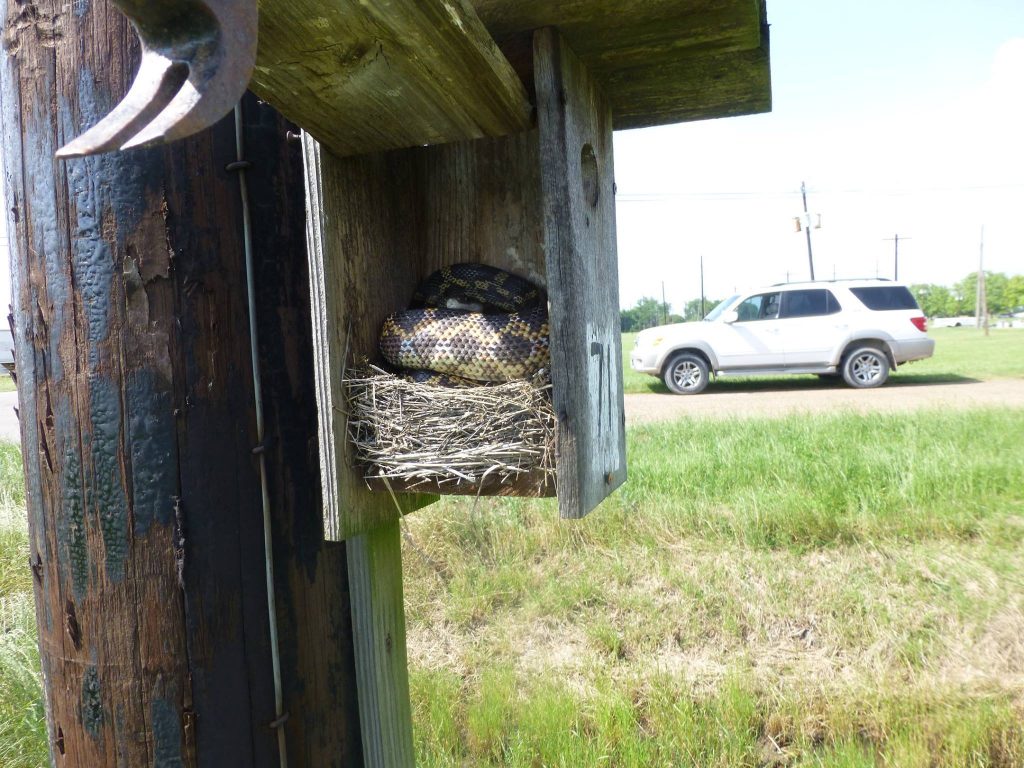
Credit: nestwatch.org
Frequently Asked Questions
What Are The Main Threats To Bird Nesting Sites?
The main threats include habitat destruction, pollution, predation, and human disturbances. These factors disrupt nesting, reduce breeding success, and endanger bird populations. Protecting habitats and minimizing disturbances help safeguard bird nesting sites.
How Does Habitat Loss Affect Bird Nesting?
Habitat loss removes essential nesting areas, forcing birds to relocate. This leads to fewer safe sites and increased competition. Loss of habitat often results in lower reproductive success and population declines.
Can Human Activities Harm Bird Nests?
Yes, activities like deforestation, urban development, and recreational disturbance can destroy nests. Noise and presence of humans also stress birds, causing abandonment of nests or eggs.
What Role Do Predators Play In Bird Nesting Threats?
Predators such as cats, snakes, and raccoons prey on eggs and chicks. Increased predator presence near nesting sites reduces survival rates and affects bird population stability.
Conclusion
Birds face many threats during nesting. Habitat loss is a major issue. Predators and climate change add to their challenges. Human activities often disturb nesting sites. Protecting these sites is crucial. Everyone can help by being mindful of their environment.
Plant native trees and shrubs to provide shelter. Avoid using pesticides that harm birds. Supporting conservation efforts makes a difference. Small actions lead to big impacts. Raising awareness is key. Together, we can ensure birds have safe places to nest.
Let’s work to protect our feathered friends. Their future depends on our actions today.