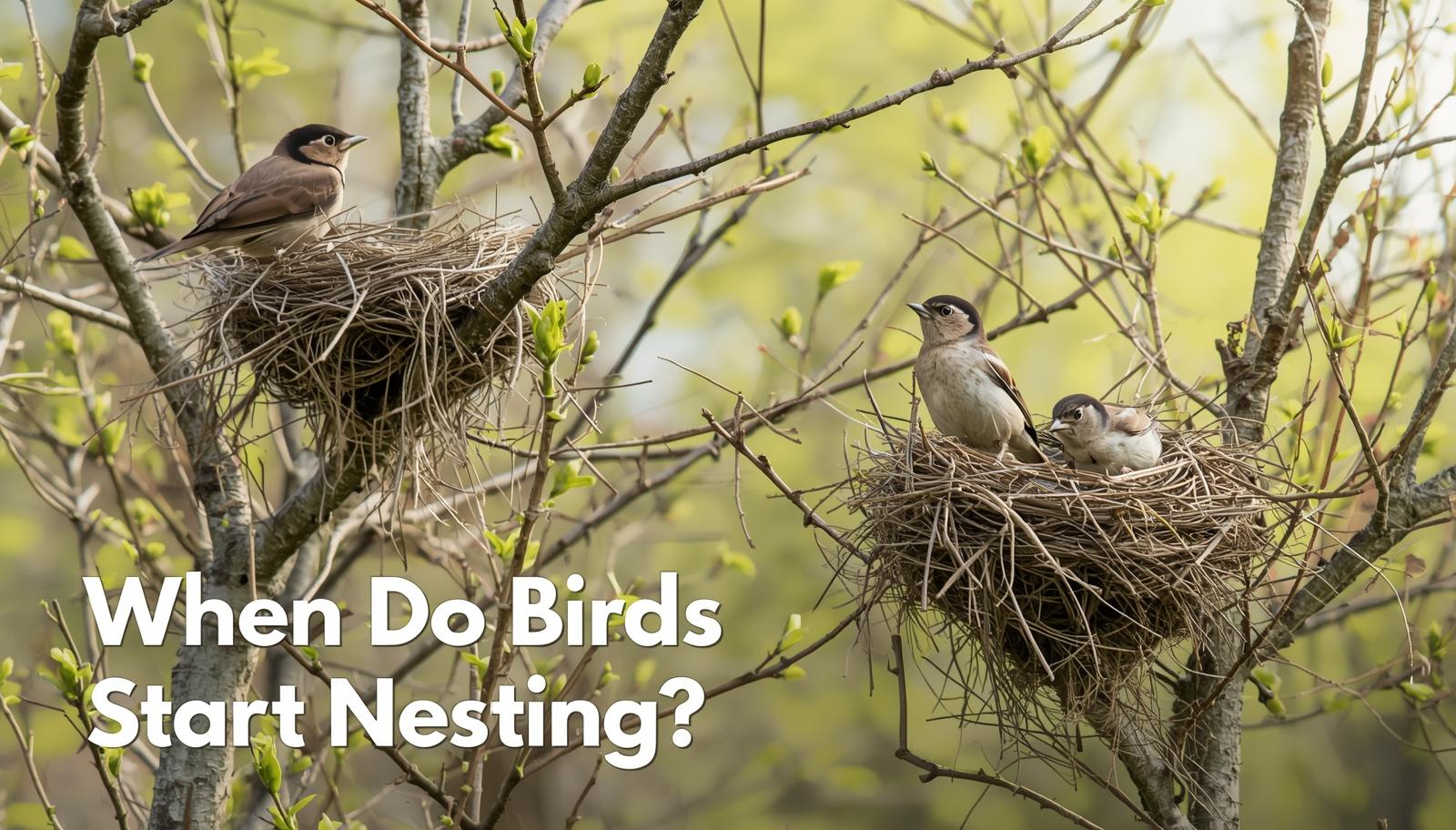
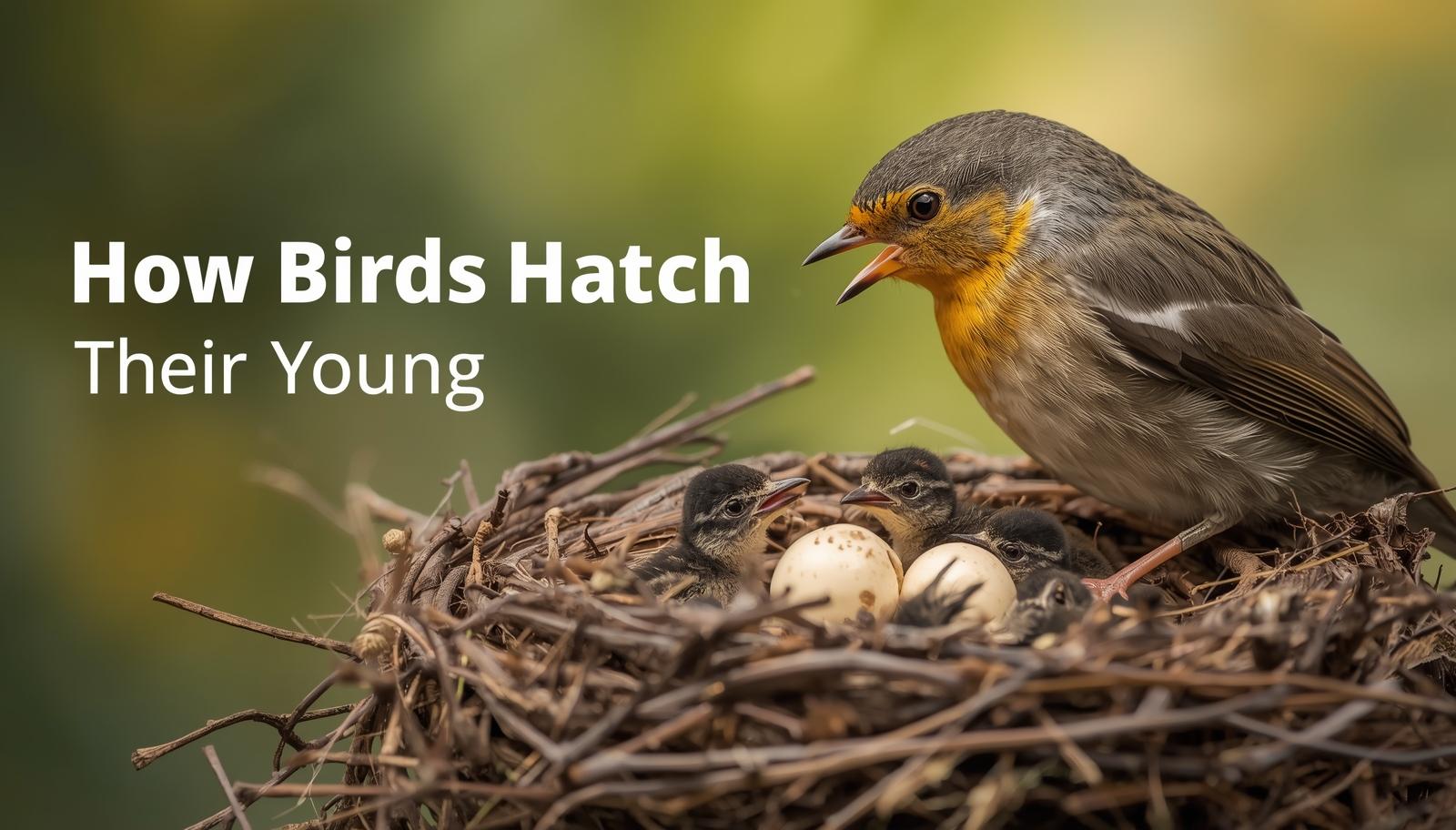
Have you ever noticed birds fluttering around your roof and wondered if they might be making a home there? Bird nesting in roof spaces is more common than you might think, and it can bring both charm and challenges to your home.
You may love the idea of nature so close, but nesting birds can cause noise, damage, and even health concerns if left unchecked. Understanding what’s happening above your head is the first step to keeping your home safe and peaceful.
Keep reading to discover how to spot bird nests, why birds choose your roof, and what you can do to manage this surprising visitor.
Why Birds Choose Roof Spaces
Birds often look for safe places to build their nests. Roof spaces offer a quiet and protected environment. This makes them ideal for many bird species.
These spaces are hidden from predators and harsh weather. Birds feel secure and can raise their young safely in roofs.
Common Bird Species Nesting In Roofs
Many types of birds choose roof spaces for nesting. These birds are small to medium-sized and adapt well to human environments.
- Pigeons
- Swallows
- House Sparrows
- Starlings
- Robins
Attractive Features Of Roof Spaces
Roof spaces have features that attract birds for nesting. These help birds stay safe and comfortable while raising chicks.
| Feature | Benefit to Birds |
| Warmth | Protects eggs and chicks from cold |
| Shelter | Keeps birds safe from rain and wind |
| Quiet | Reduces stress and disturbance |
| Hidden Access | Prevents predators from reaching nests |
| Space | Allows room to build large nests |

Credit: www.wuft.org
Risks Of Bird Nesting In Roofs
Birds often build nests in roof spaces. This can cause several problems for homeowners. It is important to understand the risks.
Bird nesting can harm your property and affect your health. It can also create noise and disturbance inside your home.
Structural Damage
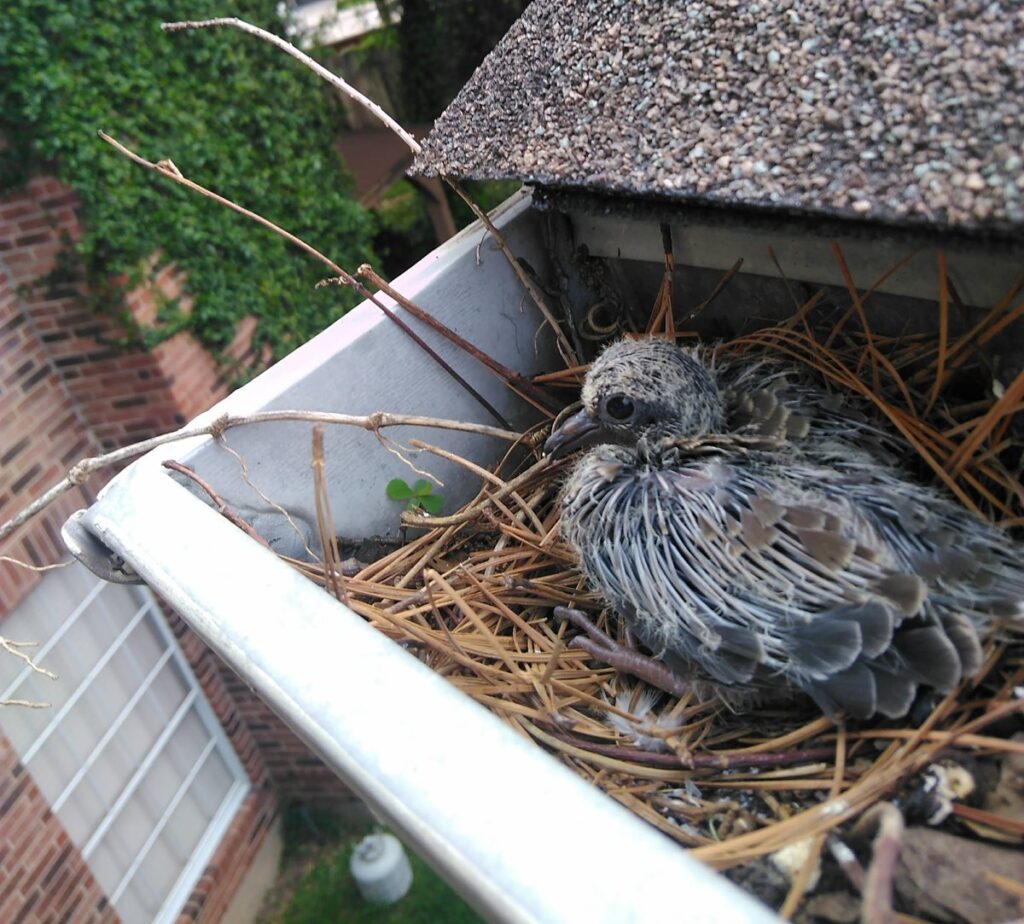
Birds can damage roof structures by pecking or nesting in weak areas. Their nests block gutters and drains, leading to water damage.
Accumulated droppings can corrode roofing materials. This weakens the roof and may cause costly repairs.
- Blocked gutters cause water buildup
- Droppings corrode metal and wood
- Nests block ventilation, causing damp
- Pecking damages roof tiles and beams
Health Concerns
Bird droppings and nests carry bacteria and parasites. These can cause diseases in humans and pets.
Dust from nests may trigger allergies or breathing problems. It is risky to have birds living close to your home.
- Droppings contain harmful bacteria
- Nests may house mites and fleas
- Dust causes allergic reactions
- Birds can spread diseases like histoplasmosis
Noise And Disturbance
Birds in roof spaces create loud noises, especially early morning. This can disturb your sleep and daily activities.
Constant noise from flapping wings and calls may increase stress. It can reduce your comfort and peace at home.
- Loud chirping during early hours
- Flapping wings cause constant noise
- Nesting activity creates rustling sounds
- Noise affects sleep and concentration
Preventing Bird Nesting
Birds often build nests in roof spaces. This can cause damage and block ventilation. Taking steps to stop birds is important for home care.
Preventing bird nesting keeps your roof safe and clean. Use simple methods to keep birds away from your roof space.
Sealing Entry Points
Close all openings where birds can enter your roof. Check vents, gaps, and holes around your roofline. Use wire mesh or sealant to block these spots.
- Inspect roof edges and eaves for gaps
- Cover vents with fine mesh screens
- Fill holes with weatherproof sealant
- Ensure chimney caps are bird-proof
Using Bird Deterrents
Bird deterrents can help keep birds away from roof spaces. Different options work for different birds and locations.
| Deterrent Type | How It Works |
| Visual Scare Devices | Reflect light or move to scare birds |
| Sound Devices | Emit noises that birds dislike |
| Sticky Repellents | Make surfaces uncomfortable for landing |
| Spikes | Prevent birds from perching |
Regular Roof Inspections
Check your roof often to spot early signs of bird nesting. Look for twigs, feathers, or droppings. Early detection helps stop nests before they grow.
- Inspect roof spaces every few months
- Look inside vents and chimneys
- Check under eaves and gutters
- Remove any small nests found promptly
Credit: www.crittercontrol.com
Safe Removal Techniques
Birds often build nests in roof spaces. These nests can cause damage or block ventilation. Removing them safely is important to protect both your home and the birds.
Using the right techniques helps avoid harm to birds and prevents damage to your roof. It is important to follow safe and legal steps during removal.
Legal Considerations
Many birds are protected by law. Removing nests during breeding season may be illegal. Always check local rules before starting.
Some birds and their eggs are protected species. Disturbing them can lead to fines or penalties. It is best to learn the laws in your area.
- Find out if the bird species is protected
- Avoid nest removal during breeding season
- Get permits if required by law
Humane Removal Methods
Humane removal means causing no harm to birds or their chicks. Use gentle ways to clear nests safely. Avoid destroying eggs or young birds.
One safe option is to wait until birds leave the nest naturally. After that, clean the area and block entry points to stop future nesting.
- Wait for birds to leave the nest
- Use soft tools to remove debris
- Seal gaps to prevent return
- Avoid chemicals or loud noises
When To Call Professionals
Some nests are hard to reach or involve protected birds. In these cases, call experts for safe removal. Professionals know the laws and use proper tools.
Hiring experts reduces risks of injury or damage. They also help with advice on preventing future nesting problems.
- Nests in dangerous or high places
- Protected or rare bird species
- Large or multiple nests
- Uncertainty about local laws
Maintaining A Bird-free Roof Space
Birds nesting in roof spaces can cause damage and noise. Keeping your roof free from birds helps protect your home. Regular care and attention reduce the chances of birds settling in.
This guide covers ways to watch for birds, maintain your roof, and use plants to keep birds away safely.
Ongoing Monitoring
Check your roof space often for signs of birds. Look for feathers, droppings, and nesting materials. Early detection helps stop problems before they grow.
Listen for sounds of birds during early morning and late evening. Use binoculars to inspect hard-to-reach areas safely.
Roof Maintenance Tips
Keep your roof in good shape to discourage birds. Fix holes and gaps where birds might enter. Clean gutters and remove debris often.
- Seal openings around vents and pipes
- Trim tree branches near the roof
- Install bird netting or spikes if needed
- Ensure proper roof insulation and ventilation
- Remove old nests promptly and safely
Landscaping To Deter Birds
Use plants and garden design to keep birds away from your roof. Avoid trees or shrubs close to the roof that attract birds. Choose plants that birds dislike.
| Plant Type | Effect on Birds |
|---|---|
| Rosemary | Strong scent deters birds |
| Lavender | Repels many bird species |
| Prickly Holly | Sharp leaves prevent nesting |
| Marigold | Bright colors discourage birds |
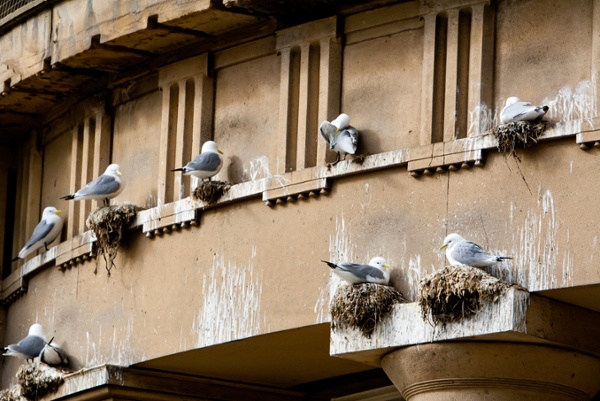
Credit: blog.birdbarrier.com
Frequently Asked Questions
Why Do Birds Nest In Roof Spaces?
Birds nest in roof spaces because these areas provide shelter, warmth, and protection from predators. Roof spaces are quiet and safe, making them ideal for raising chicks. They also offer easy access to food sources nearby, attracting birds to build nests there.
What Problems Do Bird Nests Cause In Roofs?
Bird nests in roofs can cause noise, damage to insulation, and blocked vents. Nesting materials may clog drainage systems, leading to leaks. Birds can also bring parasites and droppings, which affect hygiene and can cause health risks to homeowners.
How Can I Prevent Birds From Nesting In Roof Spaces?
To prevent birds from nesting, seal all entry points and gaps in the roof. Use bird spikes or netting on ledges and vents. Regularly inspect your roof for signs of birds and remove nests early to discourage re-nesting.
Is It Legal To Remove Bird Nests From Roofs?
Removing bird nests is often regulated by law, especially for protected species. Check local wildlife regulations before removal. In many cases, nests must be left until chicks have fledged, and removal should be done humanely and responsibly.
Conclusion
Birds nesting in roof spaces can be a common occurrence. It brings both charm and challenges. Protect your home by understanding their behavior. Simple measures can deter unwanted nests. Regular inspections help maintain a safe environment. Consider professional help if needed.
Be mindful of local wildlife laws. Birds play a vital role in ecosystems. Coexist peacefully while ensuring your home's safety. Your actions can make a positive difference. Embrace nature while being proactive. This balance benefits both you and the feathered visitors.
Stay aware, stay safe, and enjoy the harmony of nature and home.